Living in a tiny home? Discover the best dog breeds for tiny spaces. Find the perfect furry companion that fits your minimalist lifestyle.
This guide is for anyone living in a small space, such as a tiny house, apartment, or even a van. Whether you're a first-time dog owner or someone looking to downsize, you'll find practical advice tailored to your unique situation. If you value minimalist living or want a portable pet that won’t take over your home, this guide is especially for you.
Choosing the right dog for a tiny home is crucial, yet it's often misunderstood. Many people assume that only small dogs can adapt to limited spaces, but that's not always true. Understanding the best dog breeds for tiny homes can lead to a happier life for both you and your pet, ensuring a harmonious living environment.
Finding the Best Dog Breeds for Tiny Homes
Choosing the best dog breeds for tiny homes is essential for new pet owners living in small spaces. Dogs need room to thrive, so finding a breed that fits your lifestyle can make a huge difference. Tiny house dogs can provide companionship without overwhelming your living area or your daily routine.
Why the Right Breed Matters
Living in a tiny home often means limited space for both you and your pet. Selecting the right breed ensures that your furry friend can adapt comfortably to your lifestyle. The best dog breeds for tiny homes typically have lower energy levels, are small in size, and tend to be less prone to anxiety, making them ideal companions for minimalist living.
Best Dog Breeds for Tiny Homes - Why the Right Breed Matters
What to Consider When Choosing a Dog
Before deciding on a breed, consider several factors. First, think about your daily routine. Do you have time for long walks, or would a more laid-back dog suit you better?
Next, evaluate your space. Smaller breeds like Chihuahuas or Dachshunds can adapt well to tiny homes. Lastly, consider your lifestyle.
If you enjoy traveling, look for portable pets that are easy to take along.
Best Dog Breeds for Tiny Homes - What to Consider When Choosing a Dog
Top Breeds for Tiny Spaces
Here are some of the best dog breeds for tiny homes to consider:
Best Dog Breeds for Tiny Homes - Top Breeds for Tiny Spaces
Chihuahua: Small and portable, great for tight spaces.
Dachshund: Adaptable and affectionate, perfect for cuddling.
Jack Russell Terrier: Energetic but manageable in small apartments.
Finding Your Perfect Match
Ultimately, finding the best dog breeds for tiny homes can lead to a fulfilling companionship. Take the time to evaluate your situation and explore breeds that fit your lifestyle. With the right dog, living in a small space can be a joyful experience.
Jack Russell Terrier - Finding Your Perfect Match
Steps to Choose the Best Dog Breeds for Tiny Homes
Finding the best dog breeds for tiny homes requires careful consideration. Follow these steps to choose a breed that fits your lifestyle and living space.
Best Dog Breeds for Tiny Homes - Steps to Choose the Best Dog Breeds for Tiny Homes
1. Assess Your Lifestyle
2. Research Suitable Breeds
3. Visit Local Shelters or Breeders
4. Evaluate Space Needs
5. Consider Activity Levels
6. Plan for Training
7. Prepare Your Home
8. Purchase Essential Supplies
Why this helps
✓ Helps you find a dog that matches your living conditions.
✓ Ensures a good fit for your daily routine.
✓ Reduces the risk of future behavior issues.
Watch out for
! May require time to visit shelters or breeders.
! Researching breeds can be overwhelming.
! Training and preparation take commitment.
Detailed Steps
1. Assess Your Lifestyle: Think about your daily routine and how much time you can dedicate to a dog. Consider work schedules, family dynamics, and activity levels.
2. Research Suitable Breeds: Look into breeds known for thriving in small spaces. Breeds like Chihuahuas, Dachshunds, and Jack Russell Terriers are often good fits.
Make sure to check their temperament and energy levels.
3. Visit Local Shelters or Breeders: Meeting dogs in person can help you gauge their behavior. Consider adopting a dog from a shelter, where you can find many breeds looking for homes.
4. Evaluate Space Needs: Measure your living area and think about how much space a dog will need to move around comfortably. Remember that small dogs generally need less space but still require areas for play and exercise.
5. Consider Activity Levels: Every breed has different exercise requirements. Choose a breed that matches your activity level, whether that's daily walks or more vigorous playtime.
6. Plan for Training: Start training early to help your dog adjust to tiny home living. Potty training and basic commands are essential.
Look for training classes or online resources.
7. Prepare Your Home: Make your living space dog-friendly. Consider pet-proofing areas, removing hazards, and creating a designated spot for your dog’s bed and toys.
8. Purchase Essential Supplies: Invest in space-saving dog gear, like collapsible bowls and compact beds. Don't forget the basics like food, leashes, and toys to keep your dog happy.
Best Dog Breeds for Tiny Homes - Detailed Steps
Common Mistakes When Choosing the Best Dog Breeds for Tiny Homes
Finding the best dog breeds for tiny homes can be tricky. Many owners make mistakes that can lead to unhappy pets and stressful living situations. Here are some common pitfalls to avoid.
Jack Russell Terrier - Common Mistakes When Choosing the Best Dog Breeds for Tiny Homes
Choosing a large breed for a small space
Ignoring energy levels
Neglecting training needs
Overlooking noise levels
Underestimating grooming requirements
Failing to consider lifestyle compatibility
Detailed Explanations of Common Mistakes
Understanding these mistakes can help you make a better decision for your tiny home.
Jack Russell Terrier - Detailed Explanations of Common Mistakes
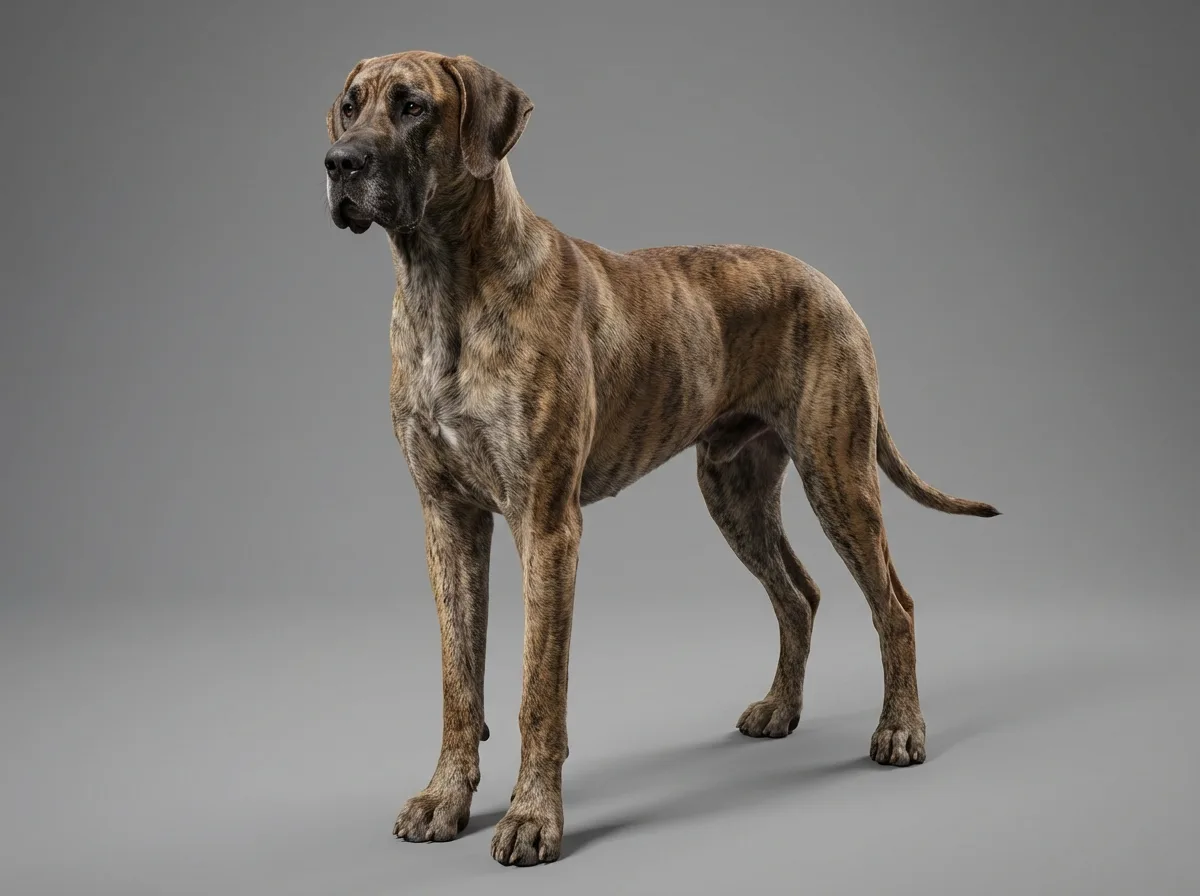
Choosing a large breed for a small space: Large dogs need room to move. A breed like a Great Dane in a tiny home can lead to stress for both you and the dog.
Ignoring energy levels: Some breeds, like Border Collies, are high-energy and need lots of exercise. If you live in a tiny space, these breeds may not be a good fit.
Neglecting training needs: Some dogs require more socialization and training. Failing to address this can lead to behavioral issues, especially in a confined space.
Overlooking noise levels: Breeds known for barking, like Beagles, can create tension with neighbors. It's important to consider a dog’s vocal tendencies when living in close quarters.
Underestimating grooming requirements: Breeds with long or thick coats may require regular grooming. This can be challenging in a small home without adequate space.
Failing to consider lifestyle compatibility: Your daily routine matters. If you travel often or work long hours, some breeds may not adapt well to being alone in a tiny space.
Myths and Facts About the Best Dog Breeds for Tiny Homes
Many people hold misconceptions about having dogs in small living spaces. Let's debunk some of the most common myths surrounding the best dog breeds for tiny homes.
Jack Russell Terrier - Myths and Facts About the Best Dog Breeds for Tiny Homes
Myth: All small dogs are suitable for tiny homes.
Myth: Dogs need a large yard to be happy.
Myth: Tiny house dogs don’t require exercise.
Myth: All breeds adapt well to tiny living.
Myth: A small dog won't be a nuisance in a tiny space.
Advanced Tips for Tiny Home Dog Ownership
Living in a tiny home presents unique challenges for dog owners. Here are some advanced tips to help you ensure a happy, healthy life for both you and your dog, maximizing your space and minimizing stress.
First, consider multi-functional furniture. Invest in items that can serve dual purposes, such as a storage ottoman that doubles as a dog bed. This way, you can create a cozy spot for your pet without sacrificing valuable living space.
Next, think about vertical space. Install shelves or dog perches to give your furry friend a view without taking up floor room. Dogs love to observe their surroundings, and these elevated spots can become their favorite hangout.
Another tip is to create a designated dog zone. Even in a small space, having a specific area for your dog, complete with their toys, bed, and food, can help establish routine and comfort. This helps prevent clutter and keeps your dog’s belongings organized.
Be mindful of your dog's exercise needs. Tiny homes can limit movement, so plan daily walks or playtime outside. Consider activities that can be done in small spaces, like fetch with soft toys or tug-of-war.
Keeping your dog active is crucial for their well-being.
Lastly, stay informed about dog-friendly gear. Look for space-saving dog products like collapsible bowls, portable water bottles, and compact toys. These items can make traveling or simply navigating your tiny home much easier.
Keeping your dog’s essentials organized will help you maintain a minimalist lifestyle while still providing for their needs.
Jack Russell Terrier - Advanced Tips for Tiny Home Dog Ownership
Why this helps
✓ Maximizes available space
✓ Enhances your dog's comfort
✓ Encourages mental and physical stimulation
Watch out for
! May require investment in new furniture
! Limited space can still pose challenges
! Organizing can be time-consuming
Practical Guidance for Finding the Best Dog Breeds for Tiny Homes
Choosing the right dog breed for a tiny home can be tricky. Here are some expert insights to help you make the best decision for your living situation.
Chihuahua - Practical Guidance for Finding the Best Dog Breeds for Tiny Homes
Opt for breeds that naturally have lower energy levels.
Consider dogs with minimal grooming needs to save space and time.
Look for breeds that can adapt to shared spaces with ease.
Why this helps
✓ Lower energy breeds tend to be calmer and require less exercise, making them ideal for confined spaces.
✓ Minimal grooming breeds save time and space, as you won't need a lot of grooming supplies.
✓ Adaptable dogs are less likely to feel stressed in a small environment, leading to a happier pet.
Watch out for
! Lower energy does not mean no exercise; you'll still need to provide daily walks.
! Some low-maintenance breeds may still have specific health concerns.
! Adaptability varies between individual dogs, even within the same breed.
Checklist for Choosing the Best Dog Breeds for Tiny Homes
Use this checklist to find the perfect dog breed for your small living space. Each step helps ensure a good fit for both you and your new furry friend.
Chihuahua - Checklist for Choosing the Best Dog Breeds for Tiny Homes
Assess your living space: Measure your home to determine how much room you have for a dog.
Consider your lifestyle: Reflect on your daily routine and how much time you can dedicate to a pet.
Research breeds: Look for small breeds known for adapting well to tiny homes, such as Chihuahuas, Dachshunds, and Jack Russell Terriers.
Evaluate energy levels: Choose a breed that matches your activity level—some tiny house dogs prefer cuddles over exercise.
Check for trainability: Look for breeds that are easier to train, especially if space is limited for mischief.
Plan for exercise: Even small dogs need regular walks and playtime; find a nearby park or open area.
Invest in space-saving gear: Look for collapsible bowls, portable crates, and compact toys to save space.
Prepare your home: Create a comfortable dog area with a cozy bed, toys, and food/water stations.
Establish a routine: Dogs thrive on consistency, so set a schedule for feeding, walks, and playtime.
Be ready for companionship: Small dogs often bond closely with their owners, so ensure you have time to spend with them.
Why this helps
✓ Helps you find a breed that fits your living situation.
✓ Encourages thoughtful preparation for pet ownership.
✓ Ensures a good match between your lifestyle and the dog's needs.
Watch out for
! May require more research time than expected.
! Some breeds may have specific health issues to consider.
! Finding the right dog could take longer if searching for a rescue.
Frequently asked questions
What are the best dog breeds for tiny homes?
The best dog breeds for tiny homes include smaller, adaptable dogs like the Chihuahua, Jack Russell Terrier, and Dachshund. These breeds typically require less space and can easily adjust to smaller living environments. They also tend to enjoy being close to their owners, making them great companions in tight quarters.
Can dogs live comfortably in tiny houses?
Yes, many dogs can live comfortably in tiny houses, especially if their needs are met. Regular exercise, mental stimulation, and a cozy setup can make a small space feel just right for your furry friend. Choose a breed that naturally fits your lifestyle and space constraints.
What is the best dog for van life?
For van life, consider breeds like the French Bulldog or Corgi, which are compact and adaptable. They thrive on adventure and can enjoy the mobility that van living offers. Just ensure they have enough exercise and enrichment to keep them happy on the road.
What should I consider for tiny house living with dogs?
When living in a tiny house with dogs, consider their exercise needs, the amount of space you can dedicate to them, and their temperament. Look for breeds that are calm and don't require a lot of room to roam. Additionally, invest in space-saving dog gear to maximize your limited space.
What are some space-saving dog gear options?
Space-saving dog gear includes collapsible bowls, compact crates, and multifunctional pet furniture. These items help you maintain a tidy living space while ensuring your dog has everything they need. Consider products that can double as storage or seating to optimize your tiny home.
How do I choose the right breed for my tiny home?
When choosing a breed for your tiny home, consider the dog's energy level, size, and temperament. Look for breeds that are calm and can thrive in smaller spaces. Also, think about how much exercise they need and if you can provide that in your living situation.
Are there any specific considerations for tiny house living with dogs?
Yes, tiny house living with dogs requires some adjustments. You'll need to ensure that your dog has enough mental and physical stimulation, even in a smaller space. Investing in space-saving dog gear, like collapsible crates or compact toys, can also help.
Can small dogs live comfortably in a tiny house?
Absolutely! Small dogs can thrive in tiny houses, provided they receive regular exercise and mental stimulation. Breeds like Pugs and Boston Terriers are also great options as they are friendly and relatively low-energy, making them perfect for smaller spaces.
How can I keep my tiny home dog entertained?
Keeping your tiny home dog entertained can be done through interactive toys, puzzle feeders, and regular playtime. Engage them in activities like hide and seek or teach them new tricks to stimulate their minds. Daily walks and outings can also prevent boredom and help burn off energy.
Van life with dogs – Find out how to make van life enjoyable for you and your dog.
Important reminder
This guide is not medical advice. If your dog shows pain, sudden behavior change, or worsening symptoms, consult a licensed veterinarian.
Some links may be affiliate links. We may earn a commission at no extra cost to you. We only suggest products we believe are helpful for dog owners.
We research and check what we publish, but we do not warrant that any figure, date, price, or statement is accurate, complete, or current, and we accept no liability for any loss, cost, injury, or other harm arising from the use of this site. Use it as one reference among several. You remain responsible for your own decisions and for your dog's care - confirm anything that matters with a licensed veterinarian or another qualified professional before you act on it. Full disclaimer.
Want more tailored help?
Take the Lifestyle Match quiz to see which breeds and guides best fit your day-to-day life.