The Best Dog Breed for Allergies: Your Guide to Hypoallergenic Dogs
Finding the best dog breed for allergies can be challenging. This guide will help you discover hypoallergenic options that fit your lifestyle.
This guide is designed for individuals or families considering adding a dog to their home, especially those who have allergies or sensitive reactions to pet dander. Whether you're a first-time dog owner or someone looking for a specific breed to accommodate your health needs, you'll find valuable insights here.
Choosing the right dog breed is crucial for maintaining a healthy and happy home environment, especially for allergy sufferers. Many people mistakenly believe that all dogs will trigger allergies, which isn't true. Understanding hypoallergenic options can help you find a furry friend without compromising your health.
Finding the Best Dog Breed for Allergies
Choosing the best dog breed for allergies is crucial for many potential dog owners. Allergies can make it challenging to enjoy the companionship of a furry friend, but it doesn't have to be a roadblock. Understanding which breeds are more compatible with allergy sufferers can help you find the perfect pet that fits your lifestyle while minimizing allergic reactions.
What Are Hypoallergenic Dogs?
Hypoallergenic dogs are breeds that are less likely to trigger allergic reactions in sensitive individuals. They typically produce fewer allergens, such as dander, saliva, and urine. While no dog is completely hypoallergenic, certain breeds are known to be better suited for people with allergies, making them ideal for families who want a dog without the worry of sneezing and sniffles.
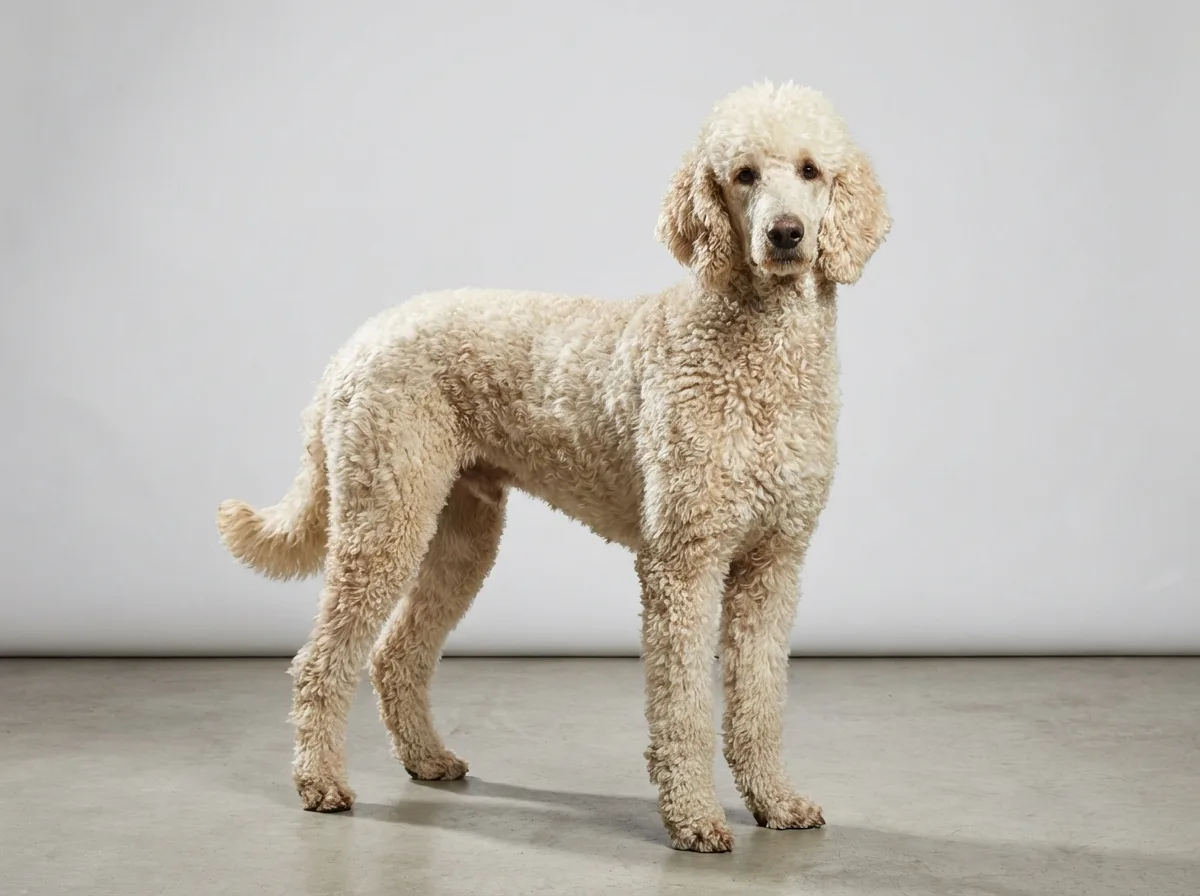
Poodle - What Are Hypoallergenic Dogs?
Why Choose Non-Shedding Dogs?
Non-shedding dogs can be a great choice for allergy sufferers. They produce less hair and dander, which means fewer allergens in your home. Breeds like Poodles, Schnauzers, and Bichon Frises are popular for their low-shedding coats, allowing families to enjoy a pet without the constant worry about allergens circulating in the air.
Poodle - Why Choose Non-Shedding Dogs?
Considerations for Allergy Sufferers
When choosing a dog breed, it's essential to consider individual reactions to specific breeds. Some people may react differently to various hypoallergenic breeds. It's a good idea to spend time with a breed before making a decision, as this can help gauge your sensitivity.
Regular grooming and cleaning can also reduce allergens in your home, making it easier to live with a dog.
Poodle - Considerations for Allergy Sufferers
Conclusion
Finding the best dog breed for allergies involves researching hypoallergenic and non-shedding breeds. With careful consideration and some trial and error, you can discover the right furry companion that fits your lifestyle and minimizes allergic reactions. Remember to consult with breeders or shelters about their hypoallergenic dogs to help narrow down your choices.
Poodle - Conclusion
Step-by-Step Plan for Finding the Best Dog Breed for Allergies
Choosing the best dog breed for allergies takes careful planning. Follow these steps to find the right hypoallergenic dog for your home.
Bichon Frise - Step-by-Step Plan for Finding the Best Dog Breed for Allergies
Step 1: Research Hypoallergenic Breeds
Step 2: Assess Your Living Situation
Step 3: Consider Your Lifestyle
Step 4: Meet the Breeds
Step 5: Consult with Breeders or Rescues
Step 6: Evaluate Your Allergies
Step 7: Prepare Your Home
Step 8: Introduce the Dog to Your Family
Step 9: Monitor Allergic Reactions
Step 10: Commit to Regular Grooming
Why this helps
✓ Helps to find a breed that fits your allergy needs.
✓ Ensures the dog will adapt to your lifestyle.
✓ Involves the whole family in the decision process.
Watch out for
! May require more time upfront for research and meetings.
! Allergies can still vary between individuals and breeds.
! Some hypoallergenic breeds may need special grooming.
Common Mistakes When Choosing the Best Dog Breed for Allergies
Choosing a dog breed suitable for allergies can be tricky. Many people make errors that can lead to frustration or health issues. Here are some common mistakes to avoid.
Bichon Frise - Common Mistakes When Choosing the Best Dog Breed for Allergies
Assuming all hypoallergenic dogs are safe for allergies
Not considering individual dog's temperament and behavior
Overlooking grooming needs of non-shedding breeds
Ignoring the importance of regular cleaning
Neglecting to spend time with the dog before adoption
Choosing a breed without researching potential health issues
Common Myths About Allergies and Dogs
Many people have misconceptions about the best dog breed for allergies. Let’s debunk some of the most common myths and clarify the facts. Understanding these can help you make a more informed decision when choosing a dog.
Bichon Frise - Common Myths About Allergies and Dogs
Myth 1: All hypoallergenic dogs are completely allergy-free.
Myth 2: Non-shedding dogs don't cause allergies.
Myth 3: Only hairless dog breeds are safe for allergy sufferers.
Myth 4: Allergies to dogs are caused primarily by their fur.
Myth 5: Poodles are the only breed that is hypoallergenic.
Advanced Tips for Choosing the Best Dog Breed for Allergies
When looking for the best dog breed for allergies, consider not just hypoallergenic status but also lifestyle compatibility. Here are some advanced tips to further guide your decision-making process.
1. Research Breed Variability: Not all dogs within a hypoallergenic breed are the same. For example, some Poodles may shed more than others, depending on their lineage.
Be sure to meet the individual dog and observe its grooming needs.
2. Grooming Routine: Establishing a strict grooming routine can significantly reduce allergens. Regular baths and brushing help control dander and loose hair.
Invest in high-quality grooming tools and consider using an air purifier to minimize allergens in your home.
3. Consult Allergists and Veterinarians: Before making a decision, consult both an allergist and a veterinarian. An allergist can provide specific guidance on which breeds may work best for your allergies, while a vet can advise on health considerations related to the breeds you’re interested in.
4. Trial Period: If possible, consider fostering a dog before adoption. This will give you a real-life trial period to see how your allergies react in your home environment.
Pay attention to your symptoms and see how well you adapt to having the dog around.
5. Consider Mixed Breeds: Sometimes, mixed breeds can inherit the best traits of their hypoallergenic parents. For instance, a Schnauzer-Poodle mix may have a low-shedding coat.
These hybrids might offer a better chance of finding a dog that agrees with your allergies.
6. Lifestyle Adjustments: Be prepared to make some lifestyle changes if you adopt a dog. Designate dog-free zones in your home and invest in furniture covers that are easy to wash.
Make sure everyone in the household is on board with the new arrangements to minimize allergy flare-ups.
7. Diet and Environment: A dog's diet can also impact how much they shed and how much dander they produce. Feeding your dog high-quality food that supports skin health may help reduce allergens.
Additionally, maintaining a clean environment will benefit both you and your pet.
Choosing the best dog breed for allergies requires thoughtful consideration and proactive measures. By following these advanced tips, you can improve your chances of finding a furry friend who fits seamlessly into your life while keeping your allergies in check.
Bichon Frise - Advanced Tips for Choosing the Best Dog Breed for Allergies
Practical considerations for Choosing the Best Dog Breed for Allergies
Discover these expert tips to find the best dog breed for allergies. These insights go beyond the basics and can make a big difference in your experience with a new furry friend.
Bichon Frise - Practical considerations for Choosing the Best Dog Breed for Allergies
Consider the dog's size and energy level.
Regular grooming is essential for hypoallergenic breeds.
Pay attention to the dog's diet and its impact on allergens.
Not all non-shedding dogs are hypoallergenic.
Testing for allergies before adoption can help.
Why this helps
✓ Tailoring your choice based on lifestyle improves compatibility.
✓ Regular grooming minimizes allergens and keeps your dog healthy.
✓ A good diet can reduce allergy-causing dander.
Watch out for
! Some hypoallergenic breeds may require more upkeep.
! Diet changes might take time to show effects on allergens.
! Testing for allergies can involve additional costs and time.
Checklist for Choosing the Best Dog Breed for Allergies
Use this checklist to find the best dog breed for allergies that suits your lifestyle.
Maltese - Checklist for Choosing the Best Dog Breed for Allergies
Research hypoallergenic breeds like Poodles, Schnauzers, and Bichon Frises.
Consider your living space: small apartments may need smaller breeds.
Think about grooming needs: non-shedding dogs often require regular grooming.
Check with breeders or shelters about the dog's history with allergies.
Spend time with potential breeds to see how you react.
Invest in air purifiers to reduce allergens in your home.
Create a cleaning routine to minimize pet dander and hair.
Consult with your doctor about allergy management options.
Why this helps
✓ Hyposensitivity can lead to fewer allergy flare-ups.
✓ Many hypoallergenic breeds are friendly and sociable.
✓ Choosing the right breed can improve your quality of life.
Watch out for
! No dog is completely hypoallergenic.
! Some hypoallergenic breeds can still trigger allergies.
! Higher grooming costs for non-shedding breeds.
Frequently asked questions
What is the best dog if you have allergies?
The best dog breed for allergies typically includes hypoallergenic options like Poodles, Schnauzers, and Bichon Frises. These breeds produce less dander and may be better tolerated by allergy sufferers. It's essential to spend time with a breed before bringing one home to see how your allergies react.
Are there 100% hypoallergenic dogs?
While many dogs are labeled as hypoallergenic, no dog is completely free of allergens. Breeds like the Poodle and Maltese are known to produce fewer allergens, which can help reduce allergy symptoms. Regular grooming and cleaning can further minimize allergen exposure.
Do Poodles cause allergies?
Poodles are often considered a good option for allergy sufferers due to their curly coat, which traps dander and hair. However, individual reactions can vary, so it's important to spend time around Poodles before making a decision. Regular grooming can also help keep allergies at bay.
What are some non-shedding dog breeds?
Non-shedding dog breeds include the Poodle, Bichon Frise, and Schnauzer. These breeds have hair instead of fur, which helps reduce the spread of allergens in the home. Keep in mind that all dogs produce some dander, so regular cleaning is still necessary.
Can hairless dog breeds help with allergies?
Hairless dog breeds, like the Chinese Crested or American Hairless Terrier, may be suitable for allergy sufferers. With minimal hair, they shed less and produce less dander. However, they still require regular bathing to reduce skin oils that can trigger allergies.
What makes a dog breed hypoallergenic?
Hypoallergenic dogs produce fewer allergens than other breeds. They often have hair instead of fur, which doesn't shed as much and helps trap dander. This can make them more suitable for allergy sufferers.
Are there truly 100% hypoallergenic dogs?
While some breeds are marketed as 100% hypoallergenic, no dog is completely free of allergens. However, certain breeds like Poodles and Schnauzers may produce significantly less dander and saliva, making them better choices for allergy sufferers.
What is the best dog breed if you have allergies?
The best dog breed for allergies often includes Poodles, Bichon Frises, and Schnauzers. These breeds are known for their low-shedding coats and minimal dander production. It's essential to spend time with a breed before bringing one home to see how your allergies react.
What are non-shedding dogs?
Non-shedding dogs are breeds that do not lose hair like typical dogs do. This characteristic can help reduce the amount of dander and allergens in your home. Breeds like the Maltese and Shih Tzu are examples of non-shedding dogs.
How can I minimize allergies even with a hypoallergenic dog?
To minimize allergies, regular grooming and bathing of your hypoallergenic dog can help reduce dander. Additionally, maintaining a clean living environment and using air purifiers can lower allergen levels in your home.
Are hairless dog breeds a good option for allergy sufferers?
Hairless dog breeds, like the Chinese Crested, can be a good option for allergy sufferers since they produce less fur and dander. However, they still may produce saliva and skin oils that can cause reactions, so it's important to consider your specific allergies.
This guide is not medical advice. If your dog shows pain, sudden behavior change, or worsening symptoms, consult a licensed veterinarian.
Some links may be affiliate links. We may earn a commission at no extra cost to you. We only suggest products we believe are helpful for dog owners.
We research and check what we publish, but we do not warrant that any figure, date, price, or statement is accurate, complete, or current, and we accept no liability for any loss, cost, injury, or other harm arising from the use of this site. Use it as one reference among several. You remain responsible for your own decisions and for your dog's care - confirm anything that matters with a licensed veterinarian or another qualified professional before you act on it. Full disclaimer.
Want more tailored help?
Take the Lifestyle Match quiz to see which breeds and guides best fit your day-to-day life.