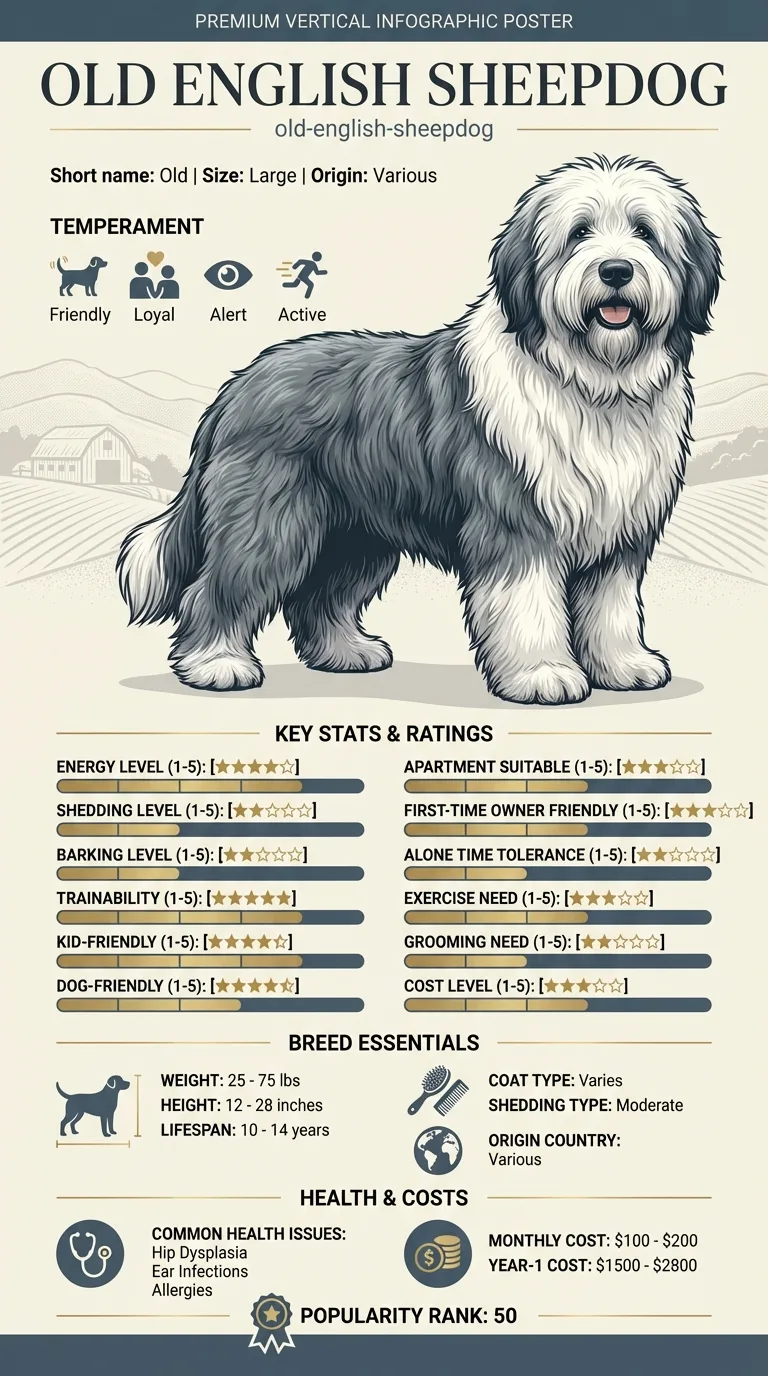
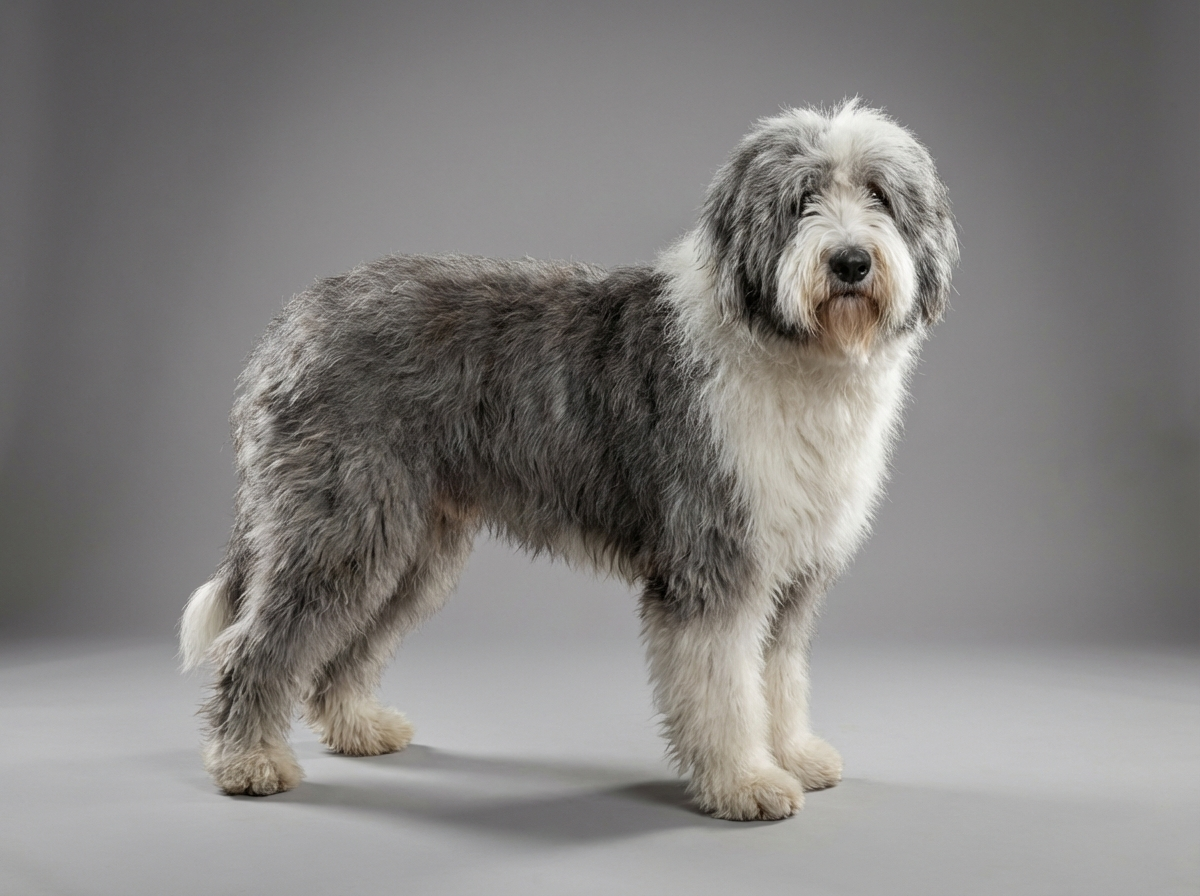
What are quick tips for Old English Sheepdog anxiety?
Establish a routine, provide plenty of exercise, and create a safe space for your dog. Gradually introduce them to new experiences and consider training classes to boost their confidence.
Old English Sheepdog anxiety can be a real challenge for both you and your furry friend.
This guide is for dog owners struggling with anxious behaviors in their Old English Sheepdogs, especially those new to the breed or looking for effective training methods.
Old English Sheepdog anxiety often manifests as restlessness and clinginess. These dogs may become overly attached to their owners, following them from room to room. If left alone, they can show signs of distress or destructive behavior, making it clear that they struggle with separation.
If your Old English Sheepdog anxiety persists despite at-home strategies, professional training can help teach them coping skills. Look for trainers who specialize in behavior modification using positive reinforcement techniques.
Consult a vet or a certified behaviorist if your dog's anxiety leads to destructive behaviors, excessive barking, or signs of distress that interfere with their daily life. They may recommend further evaluation or treatment options.
Several tools and products can help manage Old English Sheepdog anxiety effectively. These resources can aid in both training and creating a calm environment.
When Sarah adopted Bella, her Old English Sheepdog, she quickly noticed that Bella was anxious around loud noises and new people. At first, Sarah tried calming techniques at home, like creating a safe space with blankets and toys. However, when Bella's anxiety worsened, especially during thunderstorms, Sarah sought help from a professional dog trainer who specialized in anxiety issues. Together, they developed a consistent routine that included desensitization exercises and positive reinforcement. Gradually, Bella learned to feel more secure in various situations. Though thunderstorms still make her uneasy, she now uses a calming vest and enjoys her crate more, which has become her safe haven.
Key takeaway: Old English Sheepdog anxiety can often be managed with a combination of home strategies and professional guidance.
Is it separation anxiety or boredom?
A short dog anxiety quiz can help you understand whether your dog’s stress is normal, training‑related or a sign you should talk to a vet.
Old English Sheepdog anxiety can stem from various factors, including genetics, lack of socialization, or changes in their environment. These dogs are sensitive and may react to loud noises, unfamiliar people, or being left alone. Understanding the triggers can help you manage their anxiety effectively.
Signs of anxiety in an Old English Sheepdog may include excessive barking, pacing, or destructive behavior. You might also notice them hiding or being overly clingy. Observing these behaviors can help you address their needs sooner.
To manage Old English Sheepdog anxiety, create a routine that includes regular exercise and mental stimulation. Gradual desensitization to triggers and positive reinforcement training can also help them feel more secure. Consistency is key in building their confidence.
In some cases, medication prescribed by a veterinarian can be beneficial for severe anxiety. It may be used alongside training and behavior modification strategies. Always consult your vet to determine the best approach for your dog's needs.
Socialization can significantly decrease anxiety in Old English Sheepdogs by exposing them to different environments, people, and other animals. Early and positive experiences will help them feel more comfortable and confident in new situations. This proactive approach can reduce anxiety-related behaviors.
Yes, training is crucial in managing Old English Sheepdog anxiety. Teaching them commands and providing structure can help them feel more secure. Positive reinforcement techniques are effective in reinforcing calm behavior.
Signs of anxiety in an Old English Sheepdog can include excessive barking, destructive behavior, or pacing. They may also display clinginess or reluctance to engage in normal activities. Observing these behaviors can help you identify if your dog is experiencing anxiety.
Yes, travel can increase anxiety in Old English Sheepdogs, especially if they are not used to new environments. Changes in routine, unfamiliar sounds, and sights can all contribute to stress. Gradual acclimatization to travel and using calming aids can help ease their anxiety.
Older Old English Sheepdogs may experience anxiety due to health concerns or changes in their environment. Providing a consistent routine, creating a quiet space for them, and consulting with a vet about calming supplements can be beneficial. Training to reinforce calm behavior can also help.
Yes, Old English Sheepdogs can be prone to separation anxiety due to their social nature. They thrive on companionship and can become distressed when left alone for long periods. Gradually training them to be independent can reduce this anxiety.
Effective training techniques for Old English Sheepdog anxiety include positive reinforcement, desensitization to triggers, and establishing a calming routine. Activities like interactive toys or puzzle games can also keep their minds engaged and reduce anxiety. Regular exercise is key to managing their energy and stress levels.
Establish a routine, provide plenty of exercise, and create a safe space for your dog. Gradually introduce them to new experiences and consider training classes to boost their confidence.
Old English Sheepdogs can tolerate 2 to 4 hours alone, but longer periods may cause anxiety. It's best to gradually increase alone time while providing engaging toys.
Calming products like pheromone diffusers or anxiety wraps can help soothe your Old English Sheepdog. However, consult your vet before trying any new products.
Engaging your Old English Sheepdog in activities like puzzle toys, obedience training, or agility exercises can help reduce anxiety. These activities mentally stimulate and tire them out.
This guide is not medical advice. If your dog shows pain, sudden behavior change, or worsening symptoms, consult a licensed veterinarian.
Some links may be affiliate links. We may earn a commission at no extra cost to you. We only suggest products we believe are helpful for dog owners.
Not sure which breed is right for you? Take our 2-minute quiz to find out.
Take the quiz