Behavior
What are quick tips for Goldendoodle anxiety?
Start by providing a safe space for your Goldendoodle, maintaining a routine, and ensuring regular exercise. Positive reinforcement training can also help ease anxiety.

Quick answer
What are quick tips for Goldendoodle anxiety?
Start by providing a safe space for your Goldendoodle, maintaining a routine, and ensuring regular exercise. Positive reinforcement training can also help ease anxiety.
Goldendoodle anxiety can be tough, but there are ways to help your pup feel more at ease.
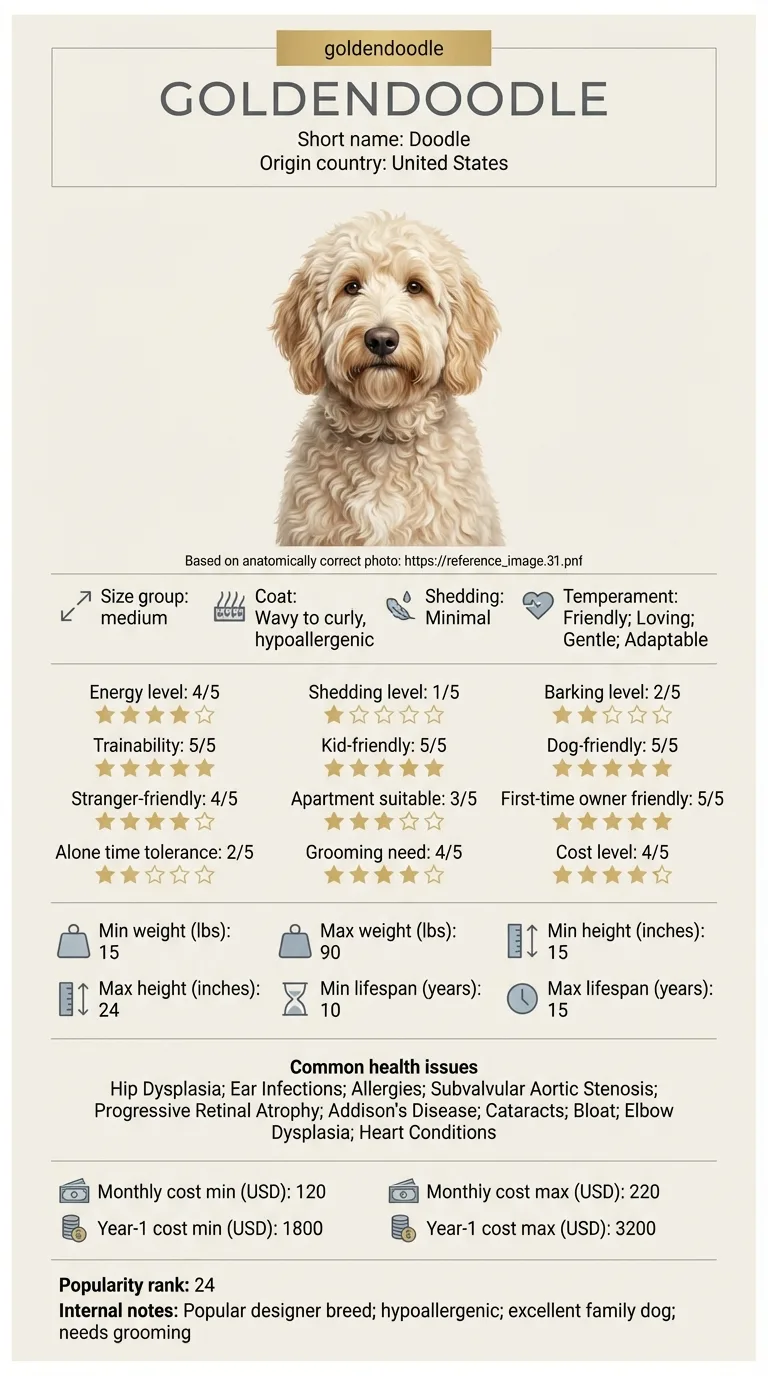
This guide is for Goldendoodle owners dealing with anxious behaviors in their dogs. It's especially helpful for first-time pet parents or those noticing changes in their dog's behavior.
Goldendoodle anxiety often manifests as signs of distress when left alone or faced with new situations. These dogs may appear restless, bark excessively, or show physical signs of discomfort. Over time, this anxiety can lead to more serious behavior issues if not addressed.
If your Goldendoodle anxiety persists despite consistent at-home strategies, consider enrolling in a training program. A professional trainer can teach specific techniques to address anxiety and help modify behavior.
If anxiety symptoms worsen or if your Goldendoodle exhibits destructive behavior or extreme fear, consult a vet or a certified behaviorist. They can help identify any underlying health issues or recommend behavioral interventions.
There are various tools and products designed to help manage Goldendoodle anxiety effectively. From training aids to calming products, these can support your dog's emotional well-being.
Adjusting your daily routine can significantly help reduce Goldendoodle anxiety. Start by creating a consistent schedule for feeding, walks, and playtime. Predictability makes your Doodle feel safe and secure.
Regular exercise is essential. Aim for at least 60 minutes of physical activity each day. This can include walks, fetch, or agility training.
A tired dog is a happy dog, which can reduce anxiety levels.
Also, consider your dog's alone time. Goldendoodles can struggle with separation anxiety. Gradually increase the time they spend alone to help them adjust.
When you leave, create a safe space with their favorite toys and a comfy bed.
Implementing a calming routine before bed can also be beneficial. This could include quiet time together or gentle massage. Over time, these adjustments can lead to a more relaxed and confident Goldendoodle.
Tracking progress with Goldendoodle anxiety can feel overwhelming, but recognizing small victories is key. Micro-wins may include your Doodle relaxing in their crate for longer periods or responding positively to training cues. These small improvements show that your anxiety management plan is taking effect.
It's important to remain aware of typical setbacks. For instance, a sudden loud noise or change in routine might cause a regression. If your Goldendoodle shows signs of anxiety again, don’t be discouraged.
Instead, reassess your strategies and consider if you need to introduce new methods or tools.
You can identify when your plan is working by noting consistent behaviors. If your Goldendoodle starts to seek out comfort items or engages in calming activities like self-soothing or playing independently, it's a sign that they're feeling more secure. However, if anxiety spikes persistently or worsens, it might be time to escalate your approach, perhaps by consulting a professional trainer or behaviorist.
Don’t hesitate to seek help; it’s a proactive step toward your Doodle’s happiness.

The Johnsons adopted a Goldendoodle named Max, who showed signs of anxiety, especially during thunderstorms and when left alone. At first, they tried to comfort him with toys and treats, but it didn’t help. After discussing their concerns with their vet, they learned about Goldendoodle anxiety training techniques, including desensitization and creating a safe space for him. They also started using calming music during storms and invested in a cozy crate for him to feel secure. After a few months of consistent training and support, Max showed noticeable improvement. He could relax during storms and was less anxious when they left the house.
Key takeaway: Identifying triggers and using a mix of training and calming strategies can significantly reduce Goldendoodle anxiety.
Goldendoodles can experience anxiety due to various factors, including separation from their owners or changes in their environment. Socialization during their early stages is crucial to help them feel secure. If your Goldendoodle shows signs of anxiety, consider seeking advice from a vet or a professional trainer.
Managing Goldendoodle anxiety often involves creating a safe and predictable environment. Regular exercise, mental stimulation, and establishing a consistent routine can help. Training techniques, such as positive reinforcement, can also be effective in reducing anxious behaviors.
If your Goldendoodle's anxiety interferes with their daily life or safety, it’s time to seek professional help. A vet can rule out any medical issues, and a trainer can provide tailored strategies for managing their anxiety. Early intervention is key to helping your Doodle feel more secure.
Absolutely! Goldendoodle anxiety training can play a big role in managing their stress. Techniques such as desensitization and counter-conditioning can help them cope with triggers that cause anxiety.
Travel can be stressful for Goldendoodles. To help, gradually acclimate your dog to car rides and consider using calming products like anxiety wraps or pheromone sprays. Always ensure they have a safe space, like a crate, during trips.
Yes, some Goldendoodles may experience increased anxiety as they age. This can be influenced by health issues or changes in their environment. Regular vet check-ups and gradual lifestyle adjustments can help manage these changes.
Managing anxiety in multiple Goldendoodles can be challenging. It's important to address each dog's needs individually while creating a calm environment. Regular training sessions and playtime can help reduce stress and strengthen their bond.
Goldendoodles are social dogs and may struggle with separation anxiety when left alone. This can lead to destructive behaviors or excessive barking. Gradual desensitization and providing engaging toys can help ease their anxiety.
Yes, training techniques like positive reinforcement, crate training, and desensitization can be effective for Goldendoodle anxiety. Consistent routines and rewarding calm behavior can significantly improve their emotional well-being.
Start by providing a safe space for your Goldendoodle, maintaining a routine, and ensuring regular exercise. Positive reinforcement training can also help ease anxiety.
Managing Goldendoodle anxiety can cost between $120 to $220 monthly, considering training classes or vet consultations. Early intervention can help reduce long-term costs.
The best way to socialize your Goldendoodle is through gradual exposure to different people, pets, and environments. Positive experiences will help build their confidence.
While anxiety itself isn't a direct health issue, it can exacerbate underlying conditions. Always consult your vet if you notice anxiety-related behaviors.
Anxiety and pain look alike from the outside. Get the prep sheet for this breed's separation-anxiety page and take it to the vet.
You get: Vet visit prep sheet
No spam. One-click unsubscribe. See our privacy policy.
Preview page 1 before you decide.
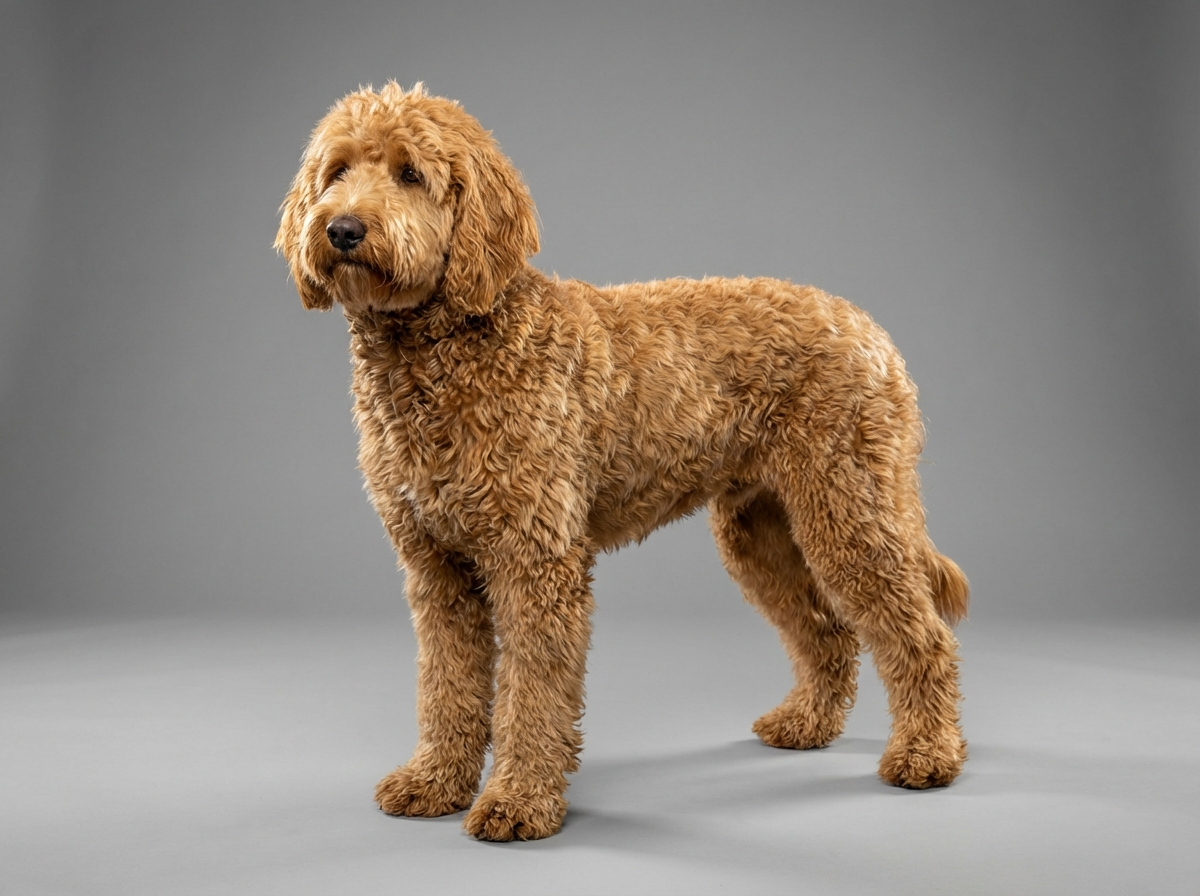



This guide is not medical advice. If your dog shows pain, sudden behavior change, or worsening symptoms, consult a licensed veterinarian.
Some links may be affiliate links. We may earn a commission at no extra cost to you. We only suggest products we believe are helpful for dog owners.
We research and check what we publish, but we do not warrant that any figure, date, price, or statement is accurate, complete, or current, and we accept no liability for any loss, cost, injury, or other harm arising from the use of this site. Use it as one reference among several. You remain responsible for your own decisions and for your dog's care - confirm anything that matters with a licensed veterinarian or another qualified professional before you act on it. Full disclaimer.
Not sure which breed is right for you? Take our 2-minute quiz to find out.
Take the quiz