Behavior
What should I do if my Vizsla bleeds?
If your Vizsla bleeds, apply direct pressure to the wound and contact your vet immediately. Quick action is essential to prevent complications.
Vizsla von Willebrand's disease (vWD1) is a genetic bleeding disorder that affects your dog's ability to clot blood properly.
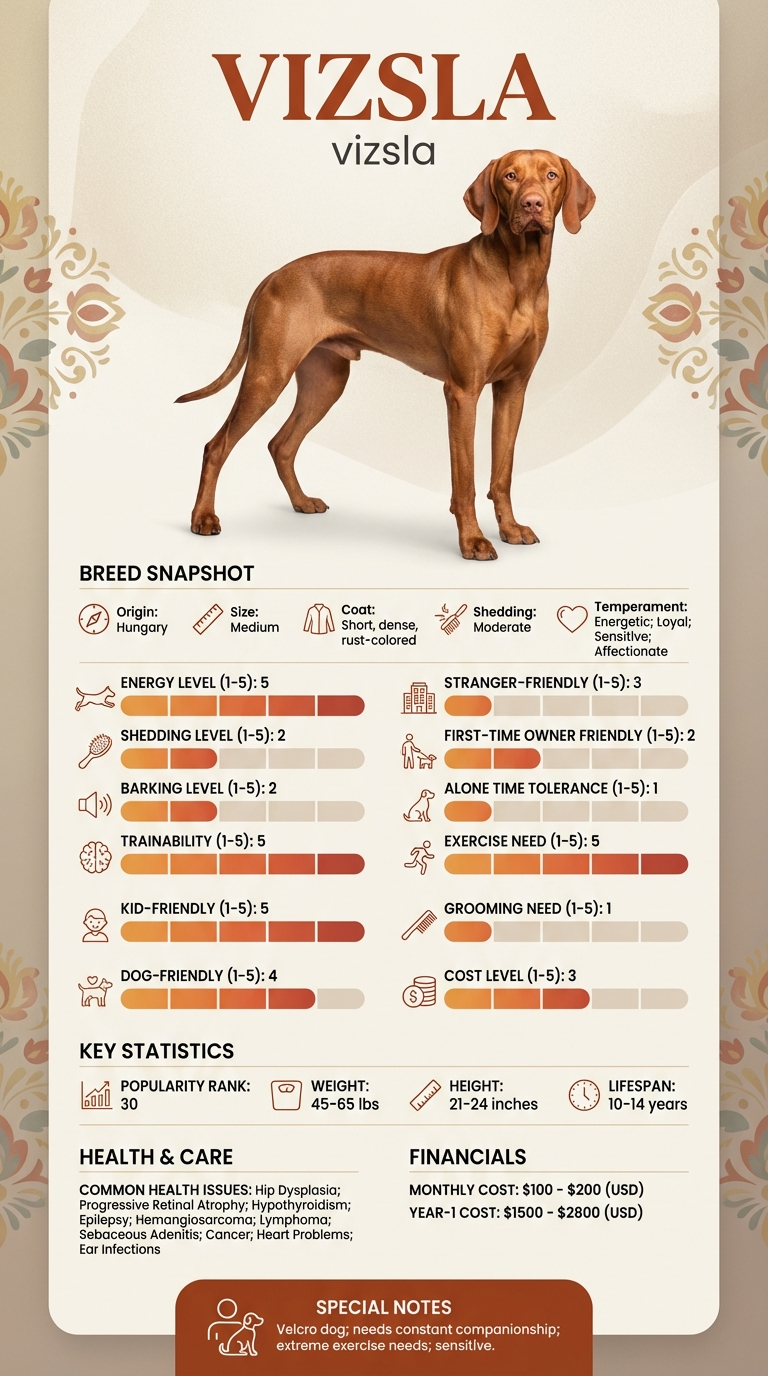
Typically, Vizsla owners may face this issue, especially those who are first-time dog parents or aren’t familiar with breed-specific health challenges.
This guide is not medical advice. If your dog shows pain, sudden behavior change, or worsening symptoms, consult a licensed veterinarian.
Some links may be affiliate links. We may earn a commission at no extra cost to you. We only suggest products we believe are helpful for dog owners.
Vizsla von Willebrand's disease (vWD1) is a genetic bleeding disorder that affects these lively dogs. Day-to-day, it can show up as excessive bleeding from minor cuts, prolonged bleeding after surgery, or even spontaneous nosebleeds. This condition can cause anxiety for owners who worry about their dog's health.
This condition is relatively common in Vizslas, especially in those with a family history of bleeding disorders. It's crucial for owners to be aware of vWD1 and monitor their dogs for any signs of unusual bleeding.
Vizslas are prone to Von Willebrand's Disease (vWD1) because it is a genetic bleeding disorder that affects their ability to clot blood. This condition is inherited and is particularly seen in this breed, making them more susceptible to bleeding problems.
Environmental factors can also play a role in how severe the symptoms of vWD1 appear. Stressful situations, such as rough play or injury, can trigger bleeding episodes, especially if your Vizsla is already genetically predisposed to the disease.
If you find that your Vizsla is overly anxious or displaying behavior issues due to their condition, it may be helpful to consult a professional trainer. Look for someone experienced with sensitive breeds and health-related behavior problems.
You should talk to your vet if your Vizsla shows signs of excessive bleeding or bruising. Additionally, if you have concerns about managing their condition at home or if you notice changes in their behavior or health, a vet consultation is crucial.
Managing Vizsla von Willebrand's disease (vWD1) is a long-term commitment. Expect to see improvements in your dog's health and behavior within 3 to 6 months with consistent care and training.
Success means your Vizsla has fewer bleeding episodes, maintains a healthy weight, and is able to enjoy regular exercise without excessive fatigue.
Avoiding common pitfalls can help manage your Vizsla's von Willebrand's disease (vWD1). Here are some mistakes to watch out for.
Understanding when Vizsla von Willebrand's disease (vWD1) is an emergency can save your dog's life. If your Vizsla shows signs of excessive bleeding, such as prolonged bleeding from minor cuts, or if they have blood in their urine or stool, you should call your vet immediately. Other red flags include lethargy, unexplained bruising, or difficulty breathing, which require urgent medical attention.
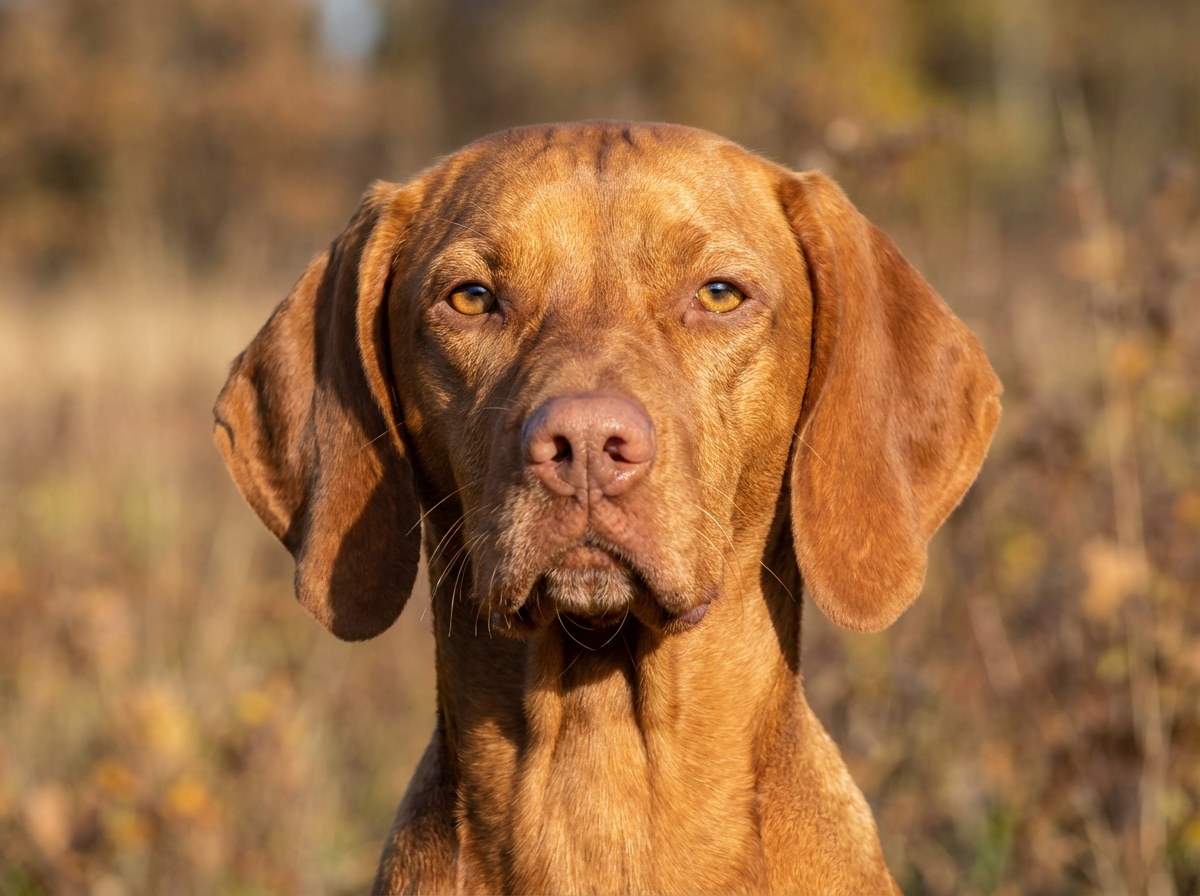
Sarah, a first-time dog owner in Denver, adopted Bella, a 2-year-old Vizsla. Shortly after bringing her home, Sarah noticed Bella had unusual bruising and bleeding after playtime. After a vet visit, she learned that Bella had von Willebrand's disease (vWD1). Determined to manage Bella's condition, Sarah educated herself on vWD1 and adjusted Bella's diet and exercise routine. She also enrolled in a training class focused on building Bella's confidence and preventing overexertion. Over time, Bella became healthier and happier, enjoying walks without fear of injury.
Key takeaway: Understanding and managing a health issue like vWD1 requires knowledge, patience, and proactive care. With the right support, your dog can thrive despite health challenges.
Vizsla von willebrand's disease (vwd1) is a genetic bleeding disorder that affects the blood's ability to clot. This condition can lead to excessive bleeding from minor injuries, making it crucial for owners to be aware of their dog's health.
Vizsla von willebrand's disease (vwd1) is inherited from a parent dog carrying the gene. If both parents are carriers, there is a higher chance of their puppies developing this condition.
Managing Vizsla von willebrand's disease (vwd1) involves regular veterinary check-ups and avoiding activities that might cause injury. Your vet may recommend specific treatments, such as desmopressin, to help with clotting.
Symptoms may include excessive bleeding from the nose, gums, or wounds, as well as bruising or prolonged bleeding after surgery. If you notice these signs, consult your veterinarian immediately.
Currently, there is no cure for Vizsla von willebrand's disease (vwd1). Management and treatment options focus on preventing bleeding episodes and treating any injuries that occur.
Yes, you can train your Vizsla, but it's important to keep training sessions low-impact and avoid overly strenuous activities. Focus on positive reinforcement techniques to keep your dog engaged without risk.
Symptoms of von Willebrand's disease (vWD1) in Vizslas can include excessive bleeding from minor cuts, prolonged bleeding after surgery, or blood in the urine. If your Vizsla shows any of these symptoms, it's crucial to consult your vet for a proper diagnosis.
Yes, von Willebrand's disease (vWD1) can worsen with age or with other health issues. Regular check-ups with your vet can help monitor your dog's condition and ensure timely treatment if needed.
Yes, von Willebrand's disease (vWD1) is a genetic disorder passed down from parent to offspring. If you're considering breeding your Vizsla, it's essential to have them tested to avoid passing this condition on to puppies.
Treatment options for a Vizsla with von Willebrand's disease (vWD1) may include medications to help improve blood clotting and regular vet check-ups. In severe cases, your vet may recommend blood transfusions.
To help your Vizsla manage von Willebrand's disease (vWD1), ensure they receive regular veterinary care, avoid situations that could lead to injury, and maintain a safe environment. Training to prevent excessive excitement or rough play can also be beneficial.
If your Vizsla bleeds, apply direct pressure to the wound and contact your vet immediately. Quick action is essential to prevent complications.
Ensure your Vizsla receives regular veterinary care and monitor for any signs of bleeding. Keeping a calm environment can also help reduce stress.
While no special diet is required, a balanced diet can support overall health. Consult your vet for tailored advice based on your dog's specific needs.
Keep your Vizsla's environment safe and avoid rough play. Regular vet visits are crucial to monitor their condition and adjust care as needed.
Supervised play with other dogs is fine, but avoid rough play that could lead to injury. Monitor their interactions closely.