Behavior
What are quick tips for managing Vizsla ventricular arrhythmias?
Ensure regular vet check-ups, maintain a low-stress environment, and provide a balanced diet. Monitor for any symptoms like lethargy or coughing.

Quick answer
What are quick tips for managing Vizsla ventricular arrhythmias?
Ensure regular vet check-ups, maintain a low-stress environment, and provide a balanced diet. Monitor for any symptoms like lethargy or coughing.
Ventricular arrhythmias in Vizslas can be concerning and affect their overall health. These irregular heartbeats can lead to serious complications if left unchecked.
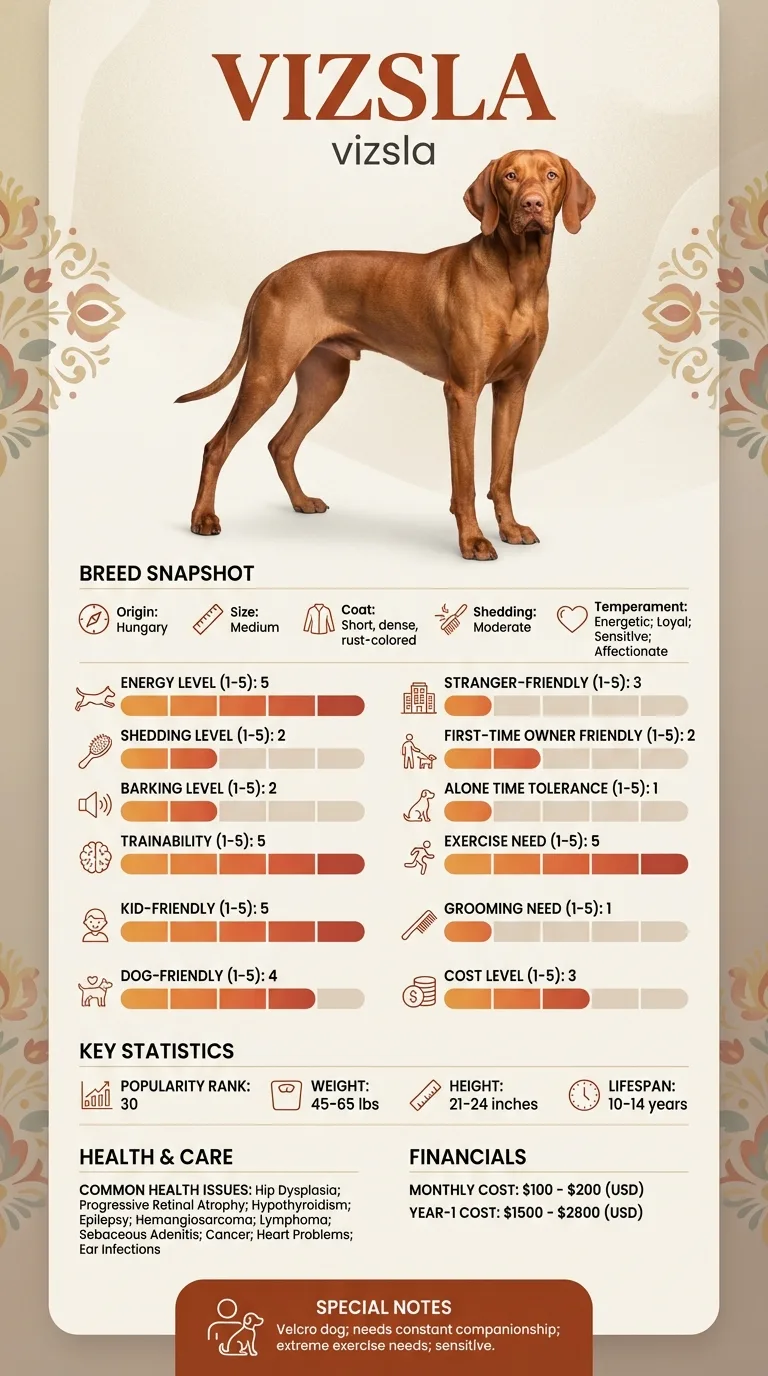
Owners who have active Vizslas, especially those who engage in high-energy activities, may notice signs of this problem. First-time dog owners may find it particularly challenging to identify and manage these heart issues effectively.
This guide is not medical advice. If your dog shows pain, sudden behavior change, or worsening symptoms, consult a licensed veterinarian.
Some links may be affiliate links. We may earn a commission at no extra cost to you. We only suggest products we believe are helpful for dog owners.
We research and check what we publish, but we do not warrant that any figure, date, price, or statement is accurate, complete, or current, and we accept no liability for any loss, cost, injury, or other harm arising from the use of this site. Use it as one reference among several. You remain responsible for your own decisions and for your dog's care - confirm anything that matters with a licensed veterinarian or another qualified professional before you act on it. Full disclaimer.
Check this first
Understanding when Vizsla ventricular arrhythmias are an emergency is crucial for your dog's health. There are specific signs that indicate immediate veterinary attention is needed. If your Vizsla exhibits fainting, severe lethargy, difficulty breathing, or has a rapid heart rate, you should call your vet right away. These symptoms may suggest a serious underlying issue that requires urgent care.
On the other hand, mild cases of ventricular arrhythmias can be monitored at home. If your Vizsla occasionally shows signs of irregular heartbeats without any accompanying severe symptoms, keep track of their behavior. Note any changes in energy levels or appetite. You can discuss these observations with your vet during a scheduled appointment. Regular check-ups can help you create a management plan tailored for your Vizsla’s specific needs.
In summary, look for red flags like fainting or severe difficulty breathing as emergencies. If your dog shows occasional irregular heartbeats without distress, it may not be as urgent. Always err on the side of caution—if in doubt, reach out to your veterinarian for guidance.
If any of these apply, call your vet or an emergency clinic now. The rest of this page is for the cases that are not an emergency.
Vizsla ventricular arrhythmias refer to irregular heartbeats that can lead to serious health issues for this breed. In daily life, you might notice your Vizsla being less active, having difficulty breathing, or displaying unusual fatigue. These symptoms can be alarming and often require prompt veterinary attention.
Ventricular arrhythmias are relatively common in Vizslas, especially as they age or if they have a family history of heart problems. While not every Vizsla will experience this issue, awareness and monitoring are crucial for early detection.
Vizslas are energetic and sensitive dogs. Their high energy levels can lead to stress, which may cause heart issues like ventricular arrhythmias. Additionally, some genetic predispositions in the breed make them more susceptible to heart problems.
Environmental factors can also play a role. Stressful situations, lack of exercise, or poor diet can contribute to irregular heartbeats. If a Vizsla feels anxious or is not properly stimulated, it may exacerbate any underlying health issues.
If you notice your Vizsla experiencing frequent irregular heartbeats, lethargy, or any other concerning symptoms, contact your veterinarian immediately. They can perform tests to determine the underlying cause and recommend appropriate treatment.
Avoiding certain behaviors can significantly help manage Vizsla ventricular arrhythmias. Here are some common mistakes to watch out for.
Start here: Vizsla Most Common Genetic Disorders: What to Screen For
See all Vizsla health problems, which breeds are prone to ventricular arrhythmias, or the full Vizsla breed guide for temperament, exercise needs and ownership costs.
You can expect to see improvements within 2 to 4 weeks of consistent care and follow-up with your vet.
Success means your Vizsla will have fewer episodes of irregular heartbeats and will show increased energy and comfort during activities.
Emma, a first-time dog owner in Denver, noticed that her Vizsla, Max, had frequent irregular heartbeats during playtime. Concerned, she took him to the vet, where they diagnosed him with ventricular arrhythmias. Emma learned that managing Max's condition required a mix of training and lifestyle adjustments. She worked with a dog trainer familiar with heart issues and adjusted Max's exercise routine to include shorter, more frequent walks and calming activities. Over the next month, Max's episodes decreased, and he seemed happier and more energetic.
Key takeaway: With the right training and care adjustments, you can help your Vizsla live a comfortable and active life despite health challenges.
Ventricular arrhythmias in Vizslas can occur due to various reasons, including genetic predisposition, heart disease, or stress. It's crucial to consult a vet for a proper diagnosis and to determine the underlying cause. This answer relates to Vizsla ventricular arrhythmias.
To manage ventricular arrhythmias, your vet may recommend lifestyle changes, medications, or specialized training. Regular vet check-ups are essential for monitoring your dog's heart health.
Common symptoms include lethargy, coughing, or fainting. If you notice these signs, take your Vizsla to the vet immediately for evaluation.
While training itself won't cure ventricular arrhythmias, it can help reduce stress and anxiety, which may contribute to heart issues. Focus on positive reinforcement and calming techniques.
Yes, ensure your Vizsla has a balanced diet, regular exercise, and a calm environment. Avoid high-stress situations and provide plenty of companionship, as Vizslas are sensitive and need social interaction.
Regular vet visits every six months are recommended for early detection of any heart issues, including ventricular arrhythmias. Your vet may adjust this frequency based on your dog's health.
Yes, stress can contribute to ventricular arrhythmias in Vizslas. High-stress situations or anxiety can lead to irregular heartbeats, so it's crucial to manage their stress levels through proper training and a calm environment.
Ventricular arrhythmias can occur at any age, but they are often seen in older Vizslas or those with underlying heart problems. Regular vet check-ups can help catch any potential issues early.
If your Vizsla faints, stay calm and check for any immediate injuries. It's essential to contact your veterinarian as soon as possible to determine the cause, which may include ventricular arrhythmias.
While training won't cure ventricular arrhythmias, positive reinforcement can help reduce anxiety and stress in your Vizsla. Techniques like desensitization to triggers and providing a stable routine can be beneficial.
Ensure regular vet check-ups, maintain a low-stress environment, and provide a balanced diet. Monitor for any symptoms like lethargy or coughing.
Treatment costs can vary widely, typically ranging from $100 to $2,000 depending on the severity and necessary interventions.
Yes, a healthy diet can support overall heart health. Consult your vet for recommendations tailored to your Vizsla's needs.
Moderate exercise is crucial but should be managed carefully. Always follow your vet's guidance on the appropriate level of activity.
Vizslas can experience anxiety and separation issues. Proper training and socialization can help manage these behaviors.
A one-page prep sheet for this condition: the signs, the questions to ask, what to get priced. Unlocks here.
You get: Vet visit prep sheet
No spam. One-click unsubscribe. See our privacy policy.
Preview page 1 before you decide.