DogBreedCompass
← Back to breed profile

Understanding Vizsla Small Nostrils (Stenotic Nares)

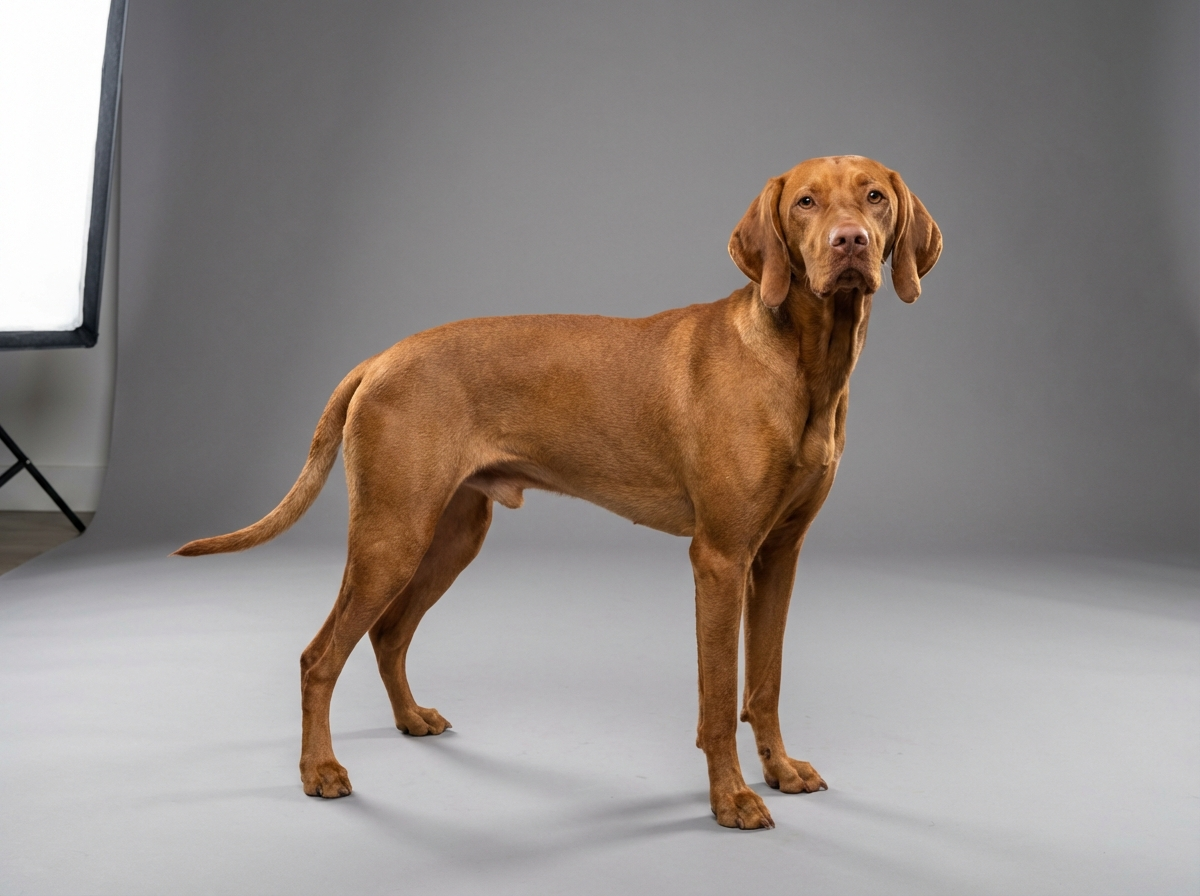
Vizsla small nostrils (stenotic nares) can lead to serious breathing issues. This condition affects how your dog breathes and can impact their overall quality of life.

Understanding Vizsla Small Nostrils (Stenotic Nares) infographic

Owners of Vizslas, especially first-time dog parents, often struggle with this problem. If your Vizsla is experiencing breathing difficulties, it’s vital to understand the signs and take action to help them.

Important reminder

This guide is not medical advice. If your dog shows pain, sudden behavior change, or worsening symptoms, consult a licensed veterinarian.

Some links may be affiliate links. We may earn a commission at no extra cost to you. We only suggest products we believe are helpful for dog owners.

What this problem looks like

Vizslas with small nostrils, known as stenotic nares, can face daily breathing challenges. This condition may lead to noisy breathing, snoring, and difficulty exercising. These symptoms can cause discomfort and stress for both the dog and the owner.

Common triggers

  • Hot weather, which can make breathing even more difficult
  • Physical exertion, as vigorous activity may lead to labored breathing
  • Excitement or anxiety, which can worsen their breathing issues

Small nostrils (stenotic nares) are fairly common in Vizslas, especially among those with a lineage that emphasizes physical traits over health. Owners should be aware of these challenges, as they can significantly affect the dog's quality of life.

Why this happens

Breed factors

Vizslas are known for their short, dense coats and affectionate nature. However, their physical structure can lead to certain health issues, including stenotic nares. This condition, characterized by small nostrils, can make breathing more difficult, especially during exercise.

Environment factors

Environmental factors can also contribute to breathing issues. For example, hot weather or high humidity can exacerbate breathing difficulties, especially for a Vizsla who may already struggle due to their small nostrils. Additionally, stress and anxiety caused by changes in their environment can worsen the situation.

What you can try

At-home strategies

  • Monitor your Vizsla's breathing, especially during exercise. If you notice heavy panting or labored breathing, reduce their activity level and provide a cool, comfortable space.
  • Create a calm environment. Reducing stressors, such as loud noises or unfamiliar visitors, can help your Vizsla feel more at ease, which may improve their breathing.
  • Engage in low-impact activities such as gentle walks rather than intense runs. This will help maintain their fitness without overexerting their breathing.

When to consider a trainer

If your Vizsla shows persistent anxiety or stress that affects their breathing, a professional trainer can help. Look for someone experienced in positive reinforcement techniques. They can provide tailored strategies to help your dog feel more secure and relaxed.

When to talk to your vet

If you notice frequent breathing difficulties or signs of distress, it’s essential to consult your veterinarian. They can assess the severity of the stenotic nares and discuss possible treatments, which may include surgical options if necessary.

Realistic expectations

Improving your Vizsla's breathing may take several weeks to months. Regular training and gradual adjustments can lead to noticeable changes.

Success means your Vizsla breathes more easily, shows increased energy, and is more comfortable during activities like exercise and play.

Mistakes that make this worse

When dealing with your Vizsla's small nostrils (stenotic nares), certain behaviors can inadvertently make the situation more challenging. Here are some common mistakes to avoid, along with safer alternatives.

  • Ignoring Breathing Issues: If you notice your Vizsla struggling to breathe, don't brush it off. Instead, take them to the vet for a check-up.
  • Over-exercising: Pushing your Vizsla too hard during playtime can worsen their breathing problems. Opt for shorter, gentler walks instead.
  • Not Monitoring Weight: Overweight dogs can have more difficulty breathing. Maintain a healthy diet to keep your Vizsla at an ideal weight.
  • Neglecting Training: Failing to train your Vizsla can lead to anxiety, which may aggravate their condition. Invest time in basic obedience training to help them feel secure.
  • Using Heavy Collars: Heavy collars can put pressure on the throat, making breathing harder. Use a lightweight harness for walks instead.
  • Ignoring Signs of Distress: If your dog shows signs of respiratory distress, don't wait to seek help. Call your vet immediately to discuss treatment options.

When Vizsla Small Nostrils (Stenotic Nares) is an Emergency

Understanding when your Vizsla's small nostrils (stenotic nares) become an emergency is crucial. There are specific signs that indicate you should call your vet immediately. Look for severe breathing difficulties, such as gasping for air, blue-tinged gums, or excessive panting. If your dog collapses or shows signs of distress, don’t wait; seek help right away.

In contrast, some symptoms are mild and can be monitored. If your Vizsla is snoring or occasionally has difficulty breathing during exercise, these may not be urgent. Keep track of their behavior and avoid overexertion. If you notice persistent coughing, wheezing, or a change in their activity level, consult your vet for advice.

It's essential to act quickly in emergencies but also to recognize when you can manage a situation at home. Regular check-ups can help track your Vizsla's breathing and ensure their health remains stable. Always trust your instincts; if you feel something is off, it’s better to be safe than sorry.

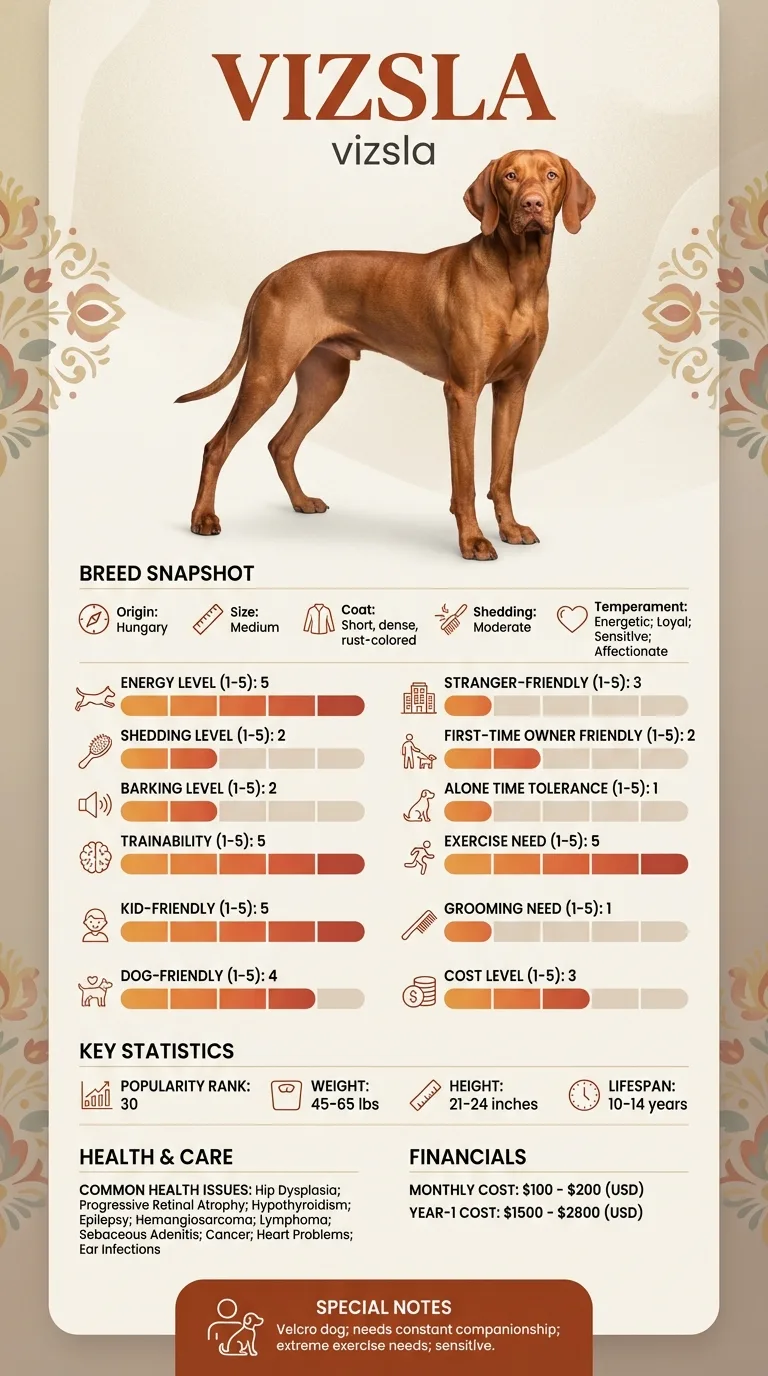
Understanding Vizsla Small Nostrils (Stenotic Nares) - When Vizsla Small Nostrils (Stenotic Nares) is an Emergency

A Journey to Easier Breathing

Maria, a busy nurse in Los Angeles, adopted a Vizsla named Max. Soon after bringing him home, she noticed he struggled to breathe, especially during walks. After consulting her vet, Maria learned about stenotic nares and began a training plan that included gradual exposure to different environments and exercises to strengthen Max's breathing. With patience and dedication, Max's breathing improved significantly over three months, making their walks much more enjoyable.

Key takeaway: With consistent training and proper care, you can help your Vizsla manage small nostrils (stenotic nares) and enhance their quality of life.

Frequently asked questions

Why does my Vizsla have small nostrils (stenotic nares)?

Vizslas can have small nostrils due to genetic factors. This trait can lead to breathing difficulties, especially in hot or humid conditions. If you notice your Vizsla struggling to breathe, consult your vet for a proper evaluation.

How can I help my Vizsla with small nostrils (stenotic nares)?

To help a Vizsla with small nostrils, ensure they receive regular vet check-ups. You might also consider training to reduce anxiety, which can worsen breathing issues. Keeping your dog cool and calm during exercise is essential.

What training techniques can help with Vizsla small nostrils (stenotic nares)?

Positive reinforcement training can help manage behavior related to breathing difficulties. Teaching your Vizsla to stay calm during walks and avoiding strenuous activities can also improve their comfort. Consider working with a professional trainer familiar with health-related training.

Are there any surgeries available for Vizslas with small nostrils (stenotic nares)?

Yes, surgical options exist to widen the nostrils and improve airflow. Consult your vet to discuss the potential benefits and risks of surgery for your Vizsla. They can help you determine if it's the right choice.

What are the signs of breathing problems in a Vizsla with small nostrils (stenotic nares)?

Common signs include excessive panting, coughing, or difficulty exercising. If your Vizsla seems lethargic or shows signs of distress when breathing, it's crucial to seek veterinary advice. Early intervention can prevent more severe health issues.

What are the signs that my Vizsla's small nostrils (stenotic nares) are causing problems?

If your Vizsla is struggling to breathe, has noisy breathing, or tires easily during walks, these may be signs that their small nostrils are affecting their airflow. You might also notice excessive panting, gagging, or coughing. Consult your vet if these symptoms persist.

Can small nostrils (stenotic nares) affect my Vizsla's exercise routine?

Yes, small nostrils can limit your Vizsla's ability to take in enough air during intense activities. This means they may tire more quickly or need more frequent breaks. Adjusting their exercise routine and choosing lower-intensity activities can help.

Is surgery the only solution for small nostrils (stenotic nares) in Vizslas?

Surgery is a common option for severe cases of stenotic nares, but it's not the only solution. Weight management, avoiding overexertion, and using calming techniques can also help. Always discuss with your vet to find the best approach for your dog.

How can I help my older Vizsla with small nostrils (stenotic nares)?

Older Vizslas may face more challenges with small nostrils, including reduced stamina. Ensure they have a comfortable environment with easy access to fresh water. Gentle, short walks are ideal, and always monitor their breathing during activities.

When should I see a vet about my Vizsla's small nostrils (stenotic nares)?

If your Vizsla shows signs of breathing distress, such as wheezing or excessive panting, it's time to consult a vet. Regular check-ups are also important, especially if you notice changes in their exercise tolerance or behavior.

Quick answers

View more answers
Behavior

What are quick tips for Vizsla small nostrils (stenotic nares)?

Keep your Vizsla cool and avoid strenuous activities, especially in hot weather. Regular vet check-ups are important to monitor their breathing. Training for calmness can also be beneficial.

Living

How can I manage my Vizsla with small nostrils (stenotic nares) at home?

Create a calm environment and avoid triggers that may cause anxiety. Provide regular exercise but at a comfortable pace. Monitor for any signs of respiratory distress.

Costs

Are there costs associated with treating Vizsla small nostrils (stenotic nares)?

Yes, costs can range from regular vet visits to possible surgical options, which may be several hundred to thousands of dollars. Budget for ongoing care and consult your vet for specific estimates.

Health

What should I do if my Vizsla has breathing difficulties?

If your Vizsla shows signs of breathing distress, contact your vet immediately. Quick action can help prevent serious health issues related to stenotic nares.

Related DogBreedCompass guides

  • Why does my Vizsla have small nostrils (stenotic nares)Learn why your Vizsla may have small nostrils and how it affects their health.
  • How to stop Vizsla small nostrils (stenotic nares)Find effective training methods to help your Vizsla adapt to their breathing issues.
  • Vizsla behavior problemsExplore common behavior issues in Vizslas and solutions to improve their wellbeing.
  • Vizsla separation anxiety guideDiscover tips for managing separation anxiety in Vizslas, especially those with health concerns.
  • Vizsla cost breakdownUnderstand the costs associated with owning a Vizsla, including healthcare for conditions like stenotic nares.

Related guides