DogBreedCompass
← Back to breed profile

Understanding Vizsla Purebred vs. Mixed Breeds

Choosing between a Vizsla purebred and a mixed breed can be tough. Each option has unique benefits and challenges that matter for your lifestyle. (Vizsla purebred vs. mixed breeds)

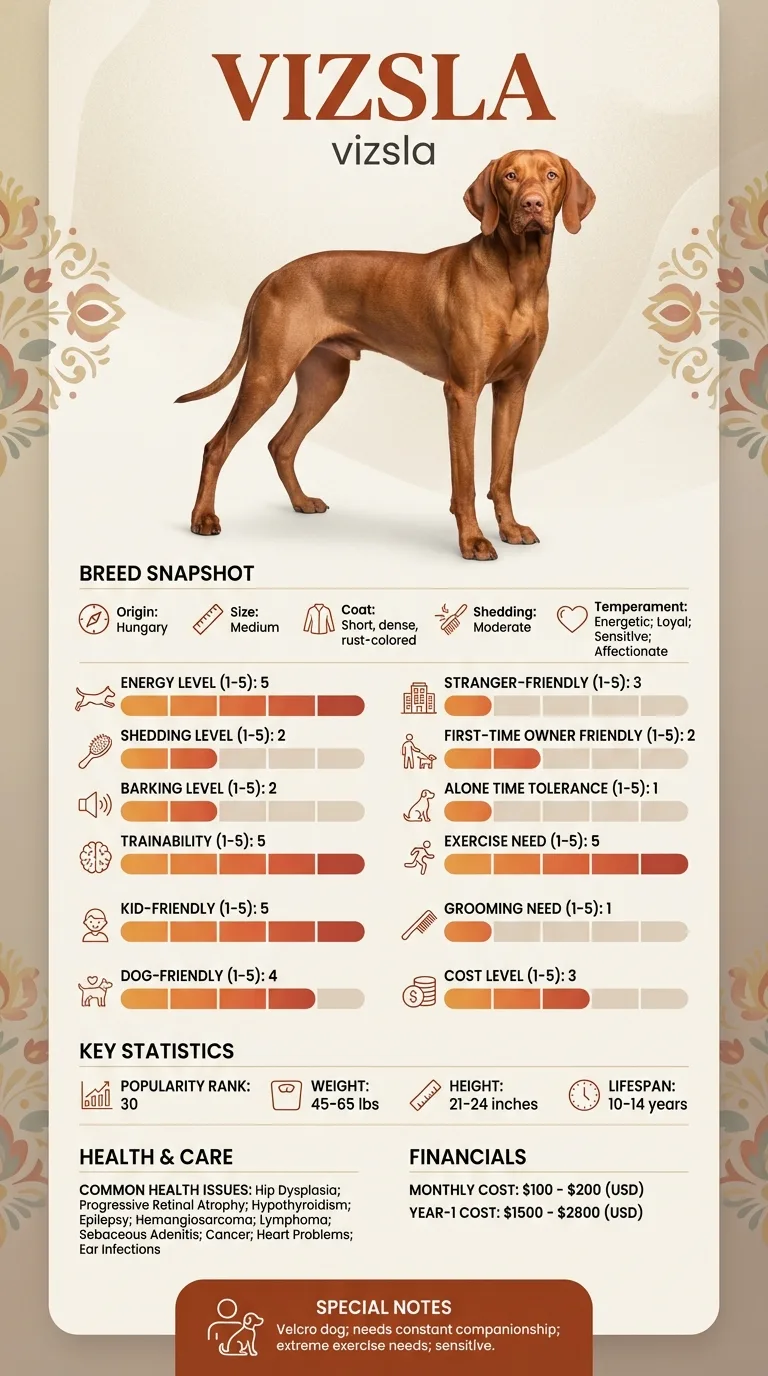
Understanding Vizsla Purebred vs. Mixed Breeds infographic

This dilemma often affects first-time dog owners or families looking for a friendly companion. They want to make informed choices that fit their lifestyle while considering potential health risks and training needs.

Important reminder

This guide is not medical advice. If your dog shows pain, sudden behavior change, or worsening symptoms, consult a licensed veterinarian.

Some links may be affiliate links. We may earn a commission at no extra cost to you. We only suggest products we believe are helpful for dog owners.

What this problem looks like

The debate between Vizsla purebred vs. mixed breeds often revolves around health, temperament, and training challenges. Many owners may notice that purebred Vizslas can be more prone to certain health issues, such as cancer, which affects their longevity and quality of life. On a day-to-day basis, this concern can manifest as anxiety for owners, particularly if they are considering adopting a dog.

Common triggers

  • Lack of socialization with other dogs
  • High energy levels leading to destructive behavior
  • Inconsistent training practices
  • Health issues specific to purebred lines

In general, Vizsla owners often report a range of behavioral challenges, particularly related to anxiety and training consistency. While the breed is known for being affectionate and loyal, purebreds may show more pronounced issues than mixed breeds due to their specific genetic background. This is seen in households where owners have not effectively addressed these traits early on.

Why this happens

Breed factors

Vizslas are known for their strong loyalty and need for companionship. This breed can develop anxiety when left alone too long or when they don't get enough exercise. Their sensitive nature means they may also react strongly to changes in their environment.

Environment factors

Environmental factors play a significant role in a Vizsla's well-being. A busy household or frequent changes in routine can increase their anxiety. Additionally, inadequate exercise or stimulation can lead to behavior issues, as Vizslas have high energy levels and require regular activity.

What you can try

At-home strategies

  • Establish a consistent routine for feeding, walking, and playtime to create a sense of security for your Vizsla.
  • Engage your dog in regular physical activities like long walks, runs, or play sessions to burn off excess energy.
  • Create a cozy, quiet space for your dog to retreat to when feeling anxious. This could be a comfortable bed in a low-traffic area.
  • Practice basic commands and training exercises to strengthen your bond and build your dog's confidence.
  • Use puzzle toys or interactive games to keep your Vizsla mentally stimulated, especially when you're busy.

When to consider a trainer

If your Vizsla's anxiety leads to destructive behaviors or excessive barking, it may be time to consult a professional trainer. A trainer can provide personalized strategies to address specific issues and help you teach your dog more appropriate behaviors.

When to talk to your vet

If you've tried various strategies at home and your Vizsla still shows signs of severe anxiety, it’s important to consult your vet. They can rule out any underlying health issues and discuss possible treatment options, including behavior modification techniques or medication.

Realistic expectations

You can expect to see noticeable improvements in your Vizsla's behavior within 4 to 6 weeks of consistent training and socialization.

Success looks like your Vizsla becoming more relaxed around other dogs and strangers, responding better to commands, and showing reduced anxiety during interactions.

Mistakes that make this worse – Vizsla purebred vs. mixed breeds

Avoiding common pitfalls can help you better manage the unique challenges of owning a Vizsla. Here are some mistakes to watch out for.

  • Ignoring exercise needs: Vizslas require a lot of exercise. Skipping daily walks can lead to pent-up energy and behavioral issues.
  • Overlooking socialization: Failing to socialize your Vizsla with other dogs and people can cause anxiety. Gradually expose them to different environments and experiences.
  • Inconsistent training: Mixed discipline can confuse your Vizsla. Stick to a consistent training routine and use positive reinforcement methods.
  • Not addressing anxiety: Many Vizslas struggle with separation anxiety. Leaving them alone for long periods can worsen this issue. Consider doggy daycare or a pet sitter.
  • Neglecting health checks: Regular vet visits are crucial for early detection of health issues. Don’t wait for signs of illness to schedule appointments.
  • Misunderstanding breed traits: Vizslas are sensitive and need gentle handling. Being harsh during training can damage their trust and worsen behavior problems.
  • Relying solely on breed stereotypes: Every dog is unique. Avoid assuming all Vizslas will behave in the same way; get to know your individual dog's personality.

When It Is an Emergency

Understanding when a situation with your Vizsla escalates to an emergency is crucial. If your dog shows signs of severe distress, such as difficulty breathing, persistent vomiting, or sudden lethargy, it's time to call your vet immediately. Other red flags include signs of severe pain, unresponsiveness, or any injury that involves heavy bleeding. These symptoms can indicate serious health issues that need urgent care.

Understanding Vizsla Purebred vs. Mixed Breeds - When It Is an Emergency

When to Watch and Wait

Milder symptoms can often be monitored before seeking veterinary help. If your Vizsla is slightly lethargic or has a mild cough but is still eating and drinking normally, you can keep an eye on them. Create a plan to observe their condition over the next day or two, while ensuring they are comfortable and not in distress. If symptoms worsen or persist, don't hesitate to consult your vet.

Understanding Vizsla Purebred vs. Mixed Breeds - When to Watch and Wait

A Journey with Max: The Vizsla Who Found His Place

Sarah, a first-time dog owner, adopted Max, a purebred Vizsla. At first, Max was overly anxious, barking at strangers and other dogs. After researching and starting a training program focused on socialization and behavior modification, Sarah dedicated time each day to practice commands and gradually introduce Max to new environments. Within a few weeks, Max began to calm down, responding well to training and becoming more confident. Sarah learned that with patience and consistency, she could help Max thrive.

Key takeaway: Early training and socialization are crucial for Vizslas, especially purebreds, to help them adapt and reduce anxiety.

Frequently asked questions

What are the main differences between Vizsla purebred vs. mixed breeds?

Vizsla purebreds tend to have a consistent temperament and health issues, while mixed breeds may show a wider range of traits. Purebreds are usually more predictable in behavior, while mixed breeds can be more adaptable. Consider your lifestyle when choosing between them.

How does the health of Vizsla purebreds compare to mixed breeds?

Purebred Vizslas are 1.9 times more likely to develop certain health issues like cancer compared to mixed breeds. This is due to a narrower gene pool. However, mixed breeds can still inherit health problems from their parent breeds, so research is key.

What training considerations are there for Vizsla purebreds vs. mixed breeds?

Both types can be trained effectively, but Vizsla purebreds may require more specialized training due to their sensitivity. Mixed breeds might have a mix of temperaments, which can make training strategies vary. Consistent, positive reinforcement works best for all.

Why does my Vizsla show behavior issues related to being purebred or mixed?

Behavior issues can stem from genetics, environment, and lack of training. Purebreds may be more prone to certain anxieties, while mixed breeds can exhibit a blend of traits from their parent breeds. Understanding your dog's background helps in addressing these issues.

What should I do if my Vizsla shows anxiety related to being purebred?

If your Vizsla displays anxiety, start by ensuring they get plenty of exercise and mental stimulation. Consider consulting a trainer or behaviorist who understands the nuances of purebred dogs. Gradual exposure to new situations can also help.

What are the signs that my Vizsla might have a health problem related to being purebred?

Purebred Vizslas can be prone to certain health issues like hip dysplasia or cancer. If your dog shows signs of discomfort, lethargy, or unusual behavior, it’s best to consult your vet for a thorough check-up.

How do I train a mixed-breed Vizsla to manage anxiety?

Training a mixed-breed Vizsla to manage anxiety requires patience and consistency. Positive reinforcement techniques, along with regular exercise and socialization, can help reduce anxiety levels. Professional training courses may also provide valuable strategies.

Are there specific care needs for older Vizslas that are purebred?

Older purebred Vizslas may require extra care, including a balanced diet and regular vet check-ups. It's important to monitor their joint health and adapt exercise routines to their energy levels to keep them comfortable.

Can a mixed-breed Vizsla be just as affectionate as a purebred?

Yes! A mixed-breed Vizsla can be just as affectionate and loyal as a purebred. Their temperament often depends on the traits inherited from their parents, so individual personalities may vary.

How can I tell if my Vizsla's health issues are due to being purebred?

If your Vizsla is experiencing health issues, consult your vet for a proper diagnosis. They can help determine if the issues are common in purebreds or if they may be related to other factors, such as environment or genetics.

Quick answers

View more answers
Living

What are quick tips for choosing between Vizsla purebreds and mixed breeds?

Consider your lifestyle, energy levels, and time for training when choosing between Vizsla purebreds and mixed breeds. Purebreds may have specific health concerns, while mixed breeds can offer unpredictability. Research both to find the best fit.

Behavior

How can I address behavior issues in my Vizsla?

Start with consistent training and plenty of exercise. Address any anxiety or fear with positive reinforcement methods. If issues persist, consult a professional trainer for tailored strategies.

Costs

Are Vizsla purebreds more expensive than mixed breeds?

Typically, purebred Vizslas can be more expensive due to breeding costs and demand. Mixed breeds often have lower initial costs but consider ongoing medical expenses for potential health issues.

Health

What health issues are common in Vizsla purebreds?

Common health problems in Vizsla purebreds include hip dysplasia, progressive retinal atrophy, and certain cancers. Regular vet check-ups can help catch issues early.

Training

What type of training works best for Vizsla purebreds?

Positive reinforcement training is the best approach for Vizsla purebreds. They respond well to rewards and need consistent guidance to thrive.

Related DogBreedCompass guides

  • Vizsla separation anxiety guideLearn how to manage anxiety and behavioral issues specific to Vizslas, especially when considering breeding types.
  • Vizsla behavior problemsExplore common behavior problems in Vizslas and how they relate to purebred versus mixed breeds.
  • Vizsla purebred vs. mixed breeds trainingDiscover the differences in training requirements and styles between purebred and mixed breed Vizslas.
  • Vizsla cost breakdownUnderstand the costs of owning a Vizsla, comparing purebred and mixed breed expenses.
  • Pros and cons of VizslasGet insights on the overall pros and cons of choosing a purebred Vizsla compared to mixed breeds.

Related guides