Behavior
What are quick tips for managing Vizsla patellar luxation?
Regular vet visits, weight management, and controlled exercise are essential for managing patellar luxation in Vizslas.
Vizsla patellar luxation is a common knee problem that can affect your dog's mobility.

Owners of Vizslas, especially those who are active or training their dogs, often face this challenge. Those with limited experience may feel overwhelmed when their dog shows signs of this condition.
This guide is not medical advice. If your dog shows pain, sudden behavior change, or worsening symptoms, consult a licensed veterinarian.
Some links may be affiliate links. We may earn a commission at no extra cost to you. We only suggest products we believe are helpful for dog owners.
Vizsla patellar luxation is a common issue where the kneecap dislocates from its normal position. This condition can lead to pain and difficulty in walking, and it often shows up as your dog limping or favoring one leg. Owners may notice their Vizsla suddenly lifting a leg while playing or during walks, which can be alarming.
Patellar luxation is relatively common in Vizslas, especially in younger dogs. Studies indicate that around 10-15% of this breed may experience some form of this condition during their lifetime.
Vizslas are medium-sized dogs with a strong, athletic build. Their energetic nature means they often engage in high-impact activities, which can stress their joints. Additionally, their sensitivity can make them prone to certain genetic issues, including patellar luxation.
Patellar luxation can also be influenced by environmental factors. If your Vizsla is overweight or not getting enough exercise, it can lead to muscle weakness around the knee joint. A lack of proper flooring, like slippery surfaces, may also contribute to joint instability.
If your Vizsla struggles with training or exhibits signs of pain or discomfort during activities, it may be helpful to consult a professional trainer. They can provide tailored exercises and guidance to help manage your dog's condition.
If you notice persistent limping, swelling, or if your Vizsla seems to be in pain, it's important to consult your vet. They can assess the severity of the patellar luxation and recommend appropriate treatment options, including possible surgical solutions.
Addressing Vizsla patellar luxation usually takes 4 to 6 weeks of consistent training and management. In some cases, surgery might be necessary, which can extend the timeline to several months for full recovery.
Success means your Vizsla can move comfortably without pain and has regained full mobility. Training should result in improved muscle strength around the knee, reduced dislocation incidents, and a happy, active dog.
Many Vizsla owners unintentionally make patellar luxation worse. Here are some common mistakes to avoid, along with safer alternatives.
Red flags for an emergency include severe limping, inability to place weight on the affected leg, or signs of extreme pain like yelping or aggression when touched. If your Vizsla has swelling around the knee or shows signs of distress, it's crucial to seek veterinary care right away.
On the other hand, if your dog occasionally limps but can bear weight, it may be a mild case. You can monitor it at home with rest and limited activity. Keep an eye out for improvement over a few days, but if symptoms persist, consult your vet.
In summary, trust your instincts. If something feels off, it’s better to err on the side of caution and get your Vizsla checked out. Regular vet visits and a proactive approach can help manage their health effectively.
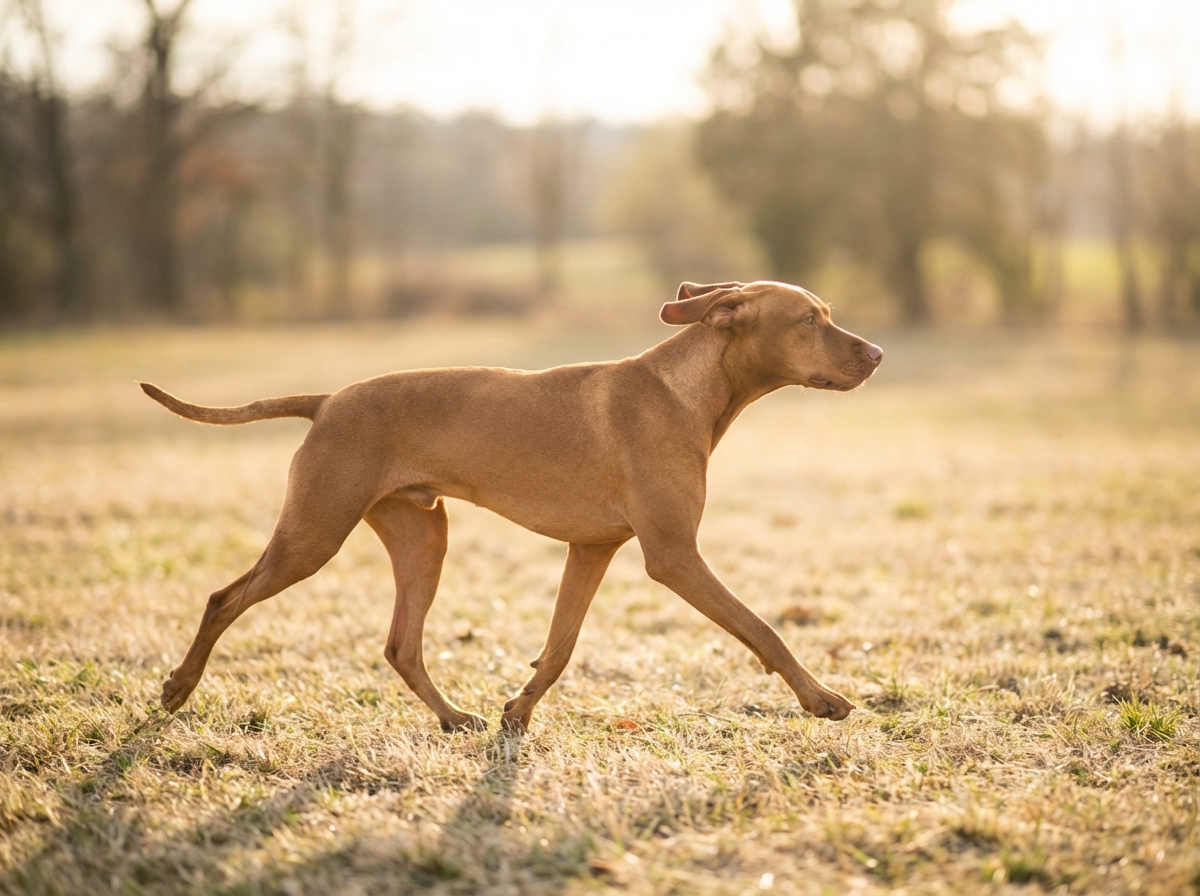
Sarah, a dedicated Vizsla owner, noticed her dog Max limping after playtime. After a vet visit, she learned that Max had patellar luxation. With guidance, Sarah began a targeted training program focusing on exercises to strengthen Max's legs. Over the next few weeks, they practiced daily, gradually increasing the intensity. With time, Max regained his confidence and reduced his limping significantly. Sarah also made sure to limit his jumping and rough play during the recovery phase, which helped a lot.
Key takeaway: Consistent training and proper management can significantly improve a Vizsla's quality of life after patellar luxation.
Patellar luxation in Vizslas often occurs due to genetic factors or trauma. It can also be related to their active lifestyle, which might lead to injury. Regular check-ups with a vet can help identify any underlying issues early. This answer relates to Vizsla patellar luxation.
To help manage patellar luxation, keep your Vizsla at a healthy weight to reduce strain on their knees. Regular, controlled exercise can strengthen their muscles, while avoiding excessive jumping or rough play is crucial. Consult a vet for personalized training tips.
Symptoms include limping, skipping while running, or a reluctance to engage in physical activity. You might also notice your Vizsla holding their leg up after standing or walking. If you see these signs, it's best to consult your vet.
In mild cases, patellar luxation can often be managed with physical therapy, weight control, and specific exercises. However, if the condition is severe, surgical options may be necessary. Always discuss treatment options with your vet for the best approach.
With proper management, many Vizslas can lead active, healthy lives despite patellar luxation. Early intervention and consistent care are key. Regular vet check-ups will ensure any changes are addressed promptly.
Symptoms of patellar luxation in Vizslas include limping, difficulty walking, or skipping while running. You might also notice your dog frequently lifting one leg or holding it up after exercise. If you see these signs, it's best to consult a vet.
In mild cases, conservative treatments like weight management, physical therapy, and specific exercises can help manage patellar luxation. However, for severe cases, surgery may be necessary to prevent future issues. Always consult your vet for the best course of action.
Yes, older Vizslas can develop patellar luxation, often due to wear and tear on the joints over time. Regular vet check-ups can help catch these issues early. It's important to monitor their mobility as they age.
Patellar luxation can limit a Vizsla's ability to engage in their usual energetic activities. They may hesitate to jump or run, which can cause frustration. It's essential to adjust their exercise routine according to their comfort level.
Patellar luxation can be caused by genetic factors or injuries. To manage this condition, consult your vet for potential treatments and training options. Keeping your Vizsla active but careful can also help.
Regular vet visits, weight management, and controlled exercise are essential for managing patellar luxation in Vizslas.
Ensure your Vizsla has a balanced diet and regular exercise without excessive jumping or rough play to reduce knee injury risks.
Keep an eye out for limping or reluctance to play, as these can indicate issues with patellar luxation or other joint problems.