Behavior
What are quick tips for managing BOAS in Vizslas?
Keep your Vizsla cool in hot weather and avoid strenuous exercise. Monitor their breathing closely, and consult a vet for tailored advice.
Vizsla brachycephalic obstructive airway syndrome (BOAS) is a serious breathing issue that affects many Vizslas.
Owners of Vizslas, particularly those living in warmer climates or with less experience, often struggle with BOAS. New dog parents might find it challenging to identify and address their dog's breathing issues effectively.
This guide is not medical advice. If your dog shows pain, sudden behavior change, or worsening symptoms, consult a licensed veterinarian.
Some links may be affiliate links. We may earn a commission at no extra cost to you. We only suggest products we believe are helpful for dog owners.
Vizsla brachycephalic obstructive airway syndrome (BOAS) is a serious condition that affects many Vizslas. This syndrome leads to breathing difficulties, snoring, and heightened sensitivity to heat. Owners may notice their dogs struggling to breathe, especially during exercise or in hot weather, which can be distressing for both the pet and the owner.
Brachycephalic obstructive airway syndrome is quite common in Vizslas due to their unique head structure. While not every Vizsla will experience severe symptoms, many may show mild to moderate signs of this syndrome throughout their lives.
Vizslas are not a brachycephalic breed, meaning they don't typically suffer from Brachycephalic Obstructive Airway Syndrome (BOAS). However, if a Vizsla has been mixed with a brachycephalic breed, they might show symptoms like snoring or breathing difficulties. Always consider genetic factors when evaluating health issues.
Environmental triggers can worsen breathing problems in Vizslas. Factors such as heat, humidity, and pollution can make them more susceptible to respiratory distress. Stressful situations or lack of proper exercise can also contribute to these struggles.
If your Vizsla shows signs of anxiety or stress that lead to breathing issues, consider consulting a trainer. A professional can help with desensitization techniques and create a more supportive environment for your dog.
If your Vizsla exhibits persistent breathing difficulties, it's crucial to consult a vet. They can assess for any underlying issues and recommend the best course of action, including possible medical interventions.
You can expect to see improvements in your Vizsla's breathing within 4 to 6 weeks of consistent training and management.
Success means your Vizsla can engage in regular activities with less breathing difficulty, showing increased comfort during exercise and play.
Avoiding these common mistakes can help improve your Vizsla's condition and overall well-being.
Urgent signs include severe difficulty breathing, blue-tinged gums, or extreme lethargy. If your Vizsla shows labored breathing, rapid panting, or collapses, don't hesitate; contact your vet immediately. Other red flags are persistent coughing, choking sounds, or if your dog is unable to exercise without distress.
Less severe cases can often be monitored at home. Signs that may not require emergency care include mild snoring, slight wheezing, or occasional coughing. If your Vizsla seems otherwise healthy and is just a bit noisy, you can create a plan to manage their symptoms. Keep an eye on their activity levels and watch for any changes in behavior or appetite.
In summary, trust your instincts. If something feels off with your Vizsla's breathing, it's better to err on the side of caution. Emergency situations require prompt action to prevent serious health issues, while mild symptoms can often be managed with guidance from your vet.
Maria, a first-time dog owner in sunny California, noticed her Vizsla, Max, struggling to breathe during playtime. Initially worried, she learned Max had brachycephalic obstructive airway syndrome (BOAS). With the help of a local trainer, Maria modified Max's exercise routine to include shorter, more frequent walks instead of long runs. They also worked on calming techniques and proper hydration during warmer days. Within a month, Max was more active and enjoying his time outdoors without the heavy panting that once troubled him.
Key takeaway: Understanding your dog's specific needs and adjusting their activities can significantly improve their quality of life, especially when dealing with conditions like BOAS.
Brachycephalic obstructive airway syndrome (BOAS) can occur in Vizslas due to their short muzzles and unique head structure. These anatomical traits can lead to breathing difficulties, snoring, and heat sensitivity. It's essential to monitor your dog's breathing and consult a vet if you notice any concerning symptoms. This answer relates to Vizsla brachycephalic obstructive airway syndrome (boas).
To help your Vizsla with BOAS, provide a calm environment and avoid strenuous exercise in hot weather. Keeping them cool and maintaining a healthy weight can also alleviate some symptoms. Regular vet check-ups are crucial to managing their condition effectively.
Signs of BOAS in Vizslas include loud snoring, difficulty breathing, excessive panting, and exercise intolerance. If your Vizsla shows these symptoms, it's vital to seek veterinary advice. Early intervention can help improve their quality of life.
Training can be beneficial for Vizslas with BOAS, especially in managing anxiety and promoting calm behavior. However, focus on low-impact activities and avoid overexertion during training sessions. Consistent, gentle training can create a more relaxed environment for your dog.
Surgery can address severe cases of BOAS in Vizslas by correcting anatomical issues. This option should be discussed with a veterinary specialist who can evaluate your dog's condition. Not all dogs require surgery, so a thorough assessment is essential.
Lifestyle changes for a Vizsla with BOAS include maintaining a cool environment, managing weight, and avoiding high-stress situations. Regular vet visits and careful monitoring can help keep your dog comfortable. Incorporate gentle activities that promote relaxation.
If your Vizsla is struggling to breathe, it’s crucial to seek veterinary assistance immediately. Severe symptoms include excessive panting, wheezing, or blue-tinged gums. Early intervention can prevent serious complications.
Yes, older Vizslas can develop BOAS, especially if they have had existing breathing issues. As they age, their airway may become more constricted. Regular vet check-ups are essential for managing their health.
To help your Vizsla manage heat sensitivity, keep them in a cool environment and limit exercise during hot weather. Provide plenty of water and consider using cooling vests to help regulate their body temperature.
Training techniques for a Vizsla with BOAS should focus on keeping sessions short and positive. Avoid activities that lead to excessive panting or stress. Consider working with a trainer experienced in handling dogs with breathing issues.
Snoring in Vizslas can be normal, but if it's accompanied by labored breathing or frequent coughing, it may indicate BOAS. Observe changes in their breathing patterns and consult your vet for an evaluation if you have concerns.
Keep your Vizsla cool in hot weather and avoid strenuous exercise. Monitor their breathing closely, and consult a vet for tailored advice.
Watch for heavy panting, excessive drooling, or reluctance to exercise. If these symptoms occur, seek veterinary care.
Use positive reinforcement techniques and focus on calm, low-energy activities. Avoid high-intensity training to prevent breathing issues.
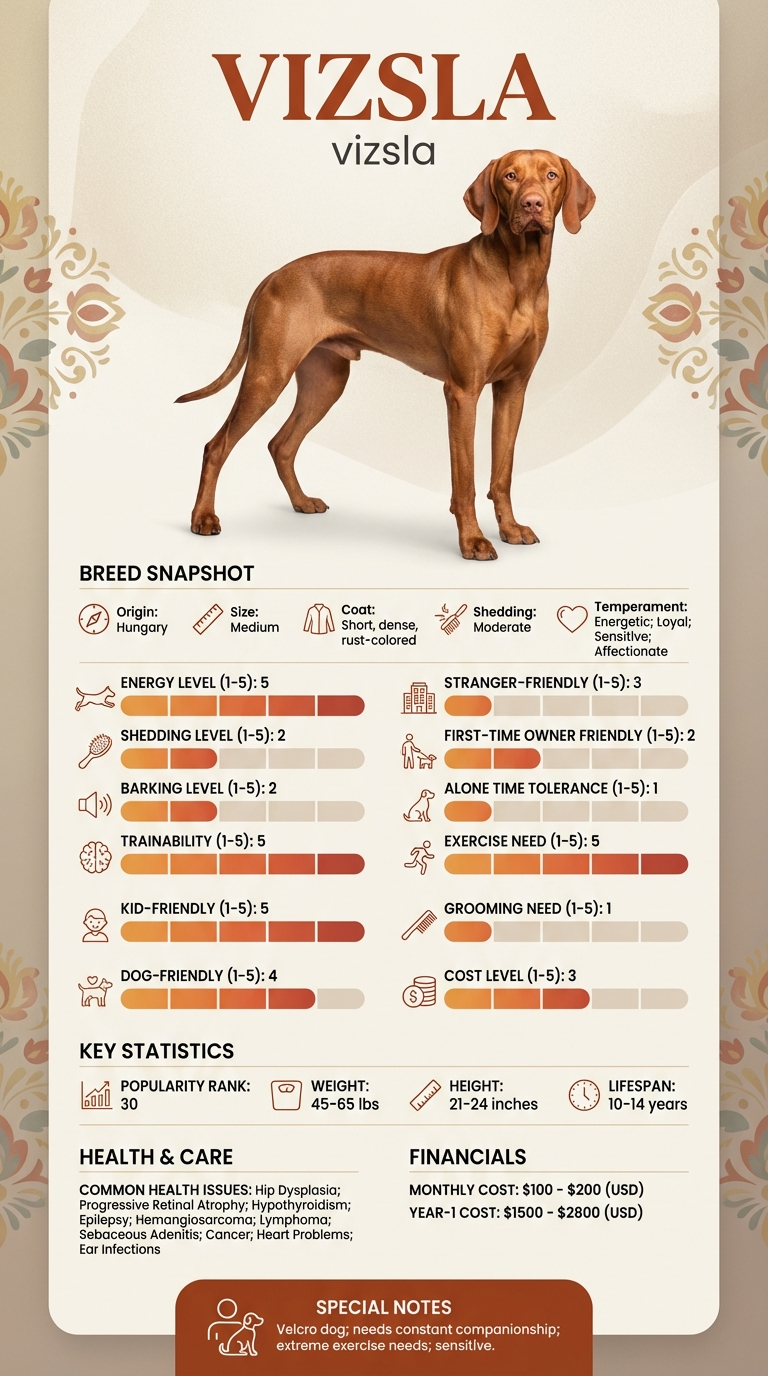
Monthly costs for managing BOAS can range from $100 to $200, depending on veterinary care and any necessary treatments.
In addition to BOAS, Vizslas may face issues like hip dysplasia and heart problems. Regular vet check-ups are vital for prevention.