Behavior
What are Vizsla bloat (gastric dilatation-volvulus/gdv) quick tips?
Feed your Vizsla smaller meals, avoid exercise right after eating, and consider using a slow feeder. These steps can help reduce the risk of bloat.
Vizsla bloat, or gastric dilatation-volvulus (GDV), is a serious condition that can be life-threatening for your dog. Understanding it is crucial for any Vizsla owner. (Vizsla bloat (gastric dilatation-volvulus/gdv))
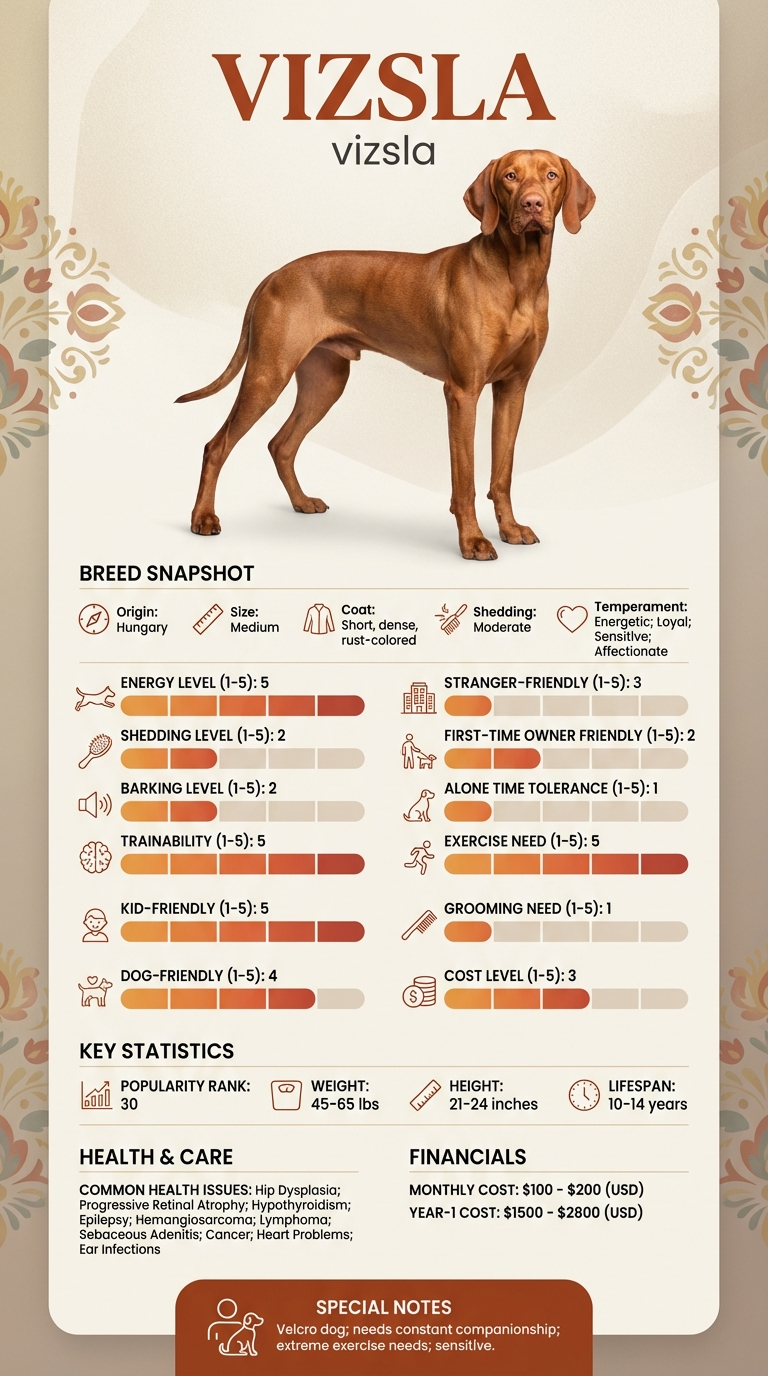
Owners of Vizslas, especially those new to the breed, often face challenges in recognizing the signs of bloat. Busy families or individuals with limited dog care experience may find it difficult to monitor their pet's health closely.
This guide is not medical advice. If your dog shows pain, sudden behavior change, or worsening symptoms, consult a licensed veterinarian.
Some links may be affiliate links. We may earn a commission at no extra cost to you. We only suggest products we believe are helpful for dog owners.
Vizsla bloat, also known as gastric dilatation-volvulus (GDV), is a serious condition that occurs when a dog's stomach fills with gas and twists on itself. This can lead to severe pain, swelling, and, if not treated quickly, can be fatal. Owners may notice symptoms like restlessness, drooling, and a swollen abdomen, which can escalate rapidly.
Bloat is relatively common in Vizslas, particularly in middle-aged to older dogs. While not every Vizsla will experience this issue, awareness and prevention are crucial for this breed.
Vizslas have a deep chest structure, which makes them more susceptible to bloat (gastric dilatation-volvulus). Their energetic nature can lead to rapid eating and drinking, increasing the risk of stomach distension. Additionally, this breed is known to be sensitive, which can contribute to digestive issues under stress.
Bloat can be triggered by sudden changes in diet or feeding habits. High-stress environments, such as noisy households or frequent changes in routine, may also exacerbate the risk. A lack of exercise and overly vigorous play immediately after meals can lead to this dangerous condition.
If your Vizsla exhibits anxiety around meal times or shows signs of stress when eating, consider consulting a dog trainer. They can provide strategies to create a calm feeding environment and address any underlying anxiety.
If you notice your Vizsla displaying symptoms of bloat, such as a swollen abdomen, excessive drooling, or restlessness, contact your vet immediately. This condition is life-threatening and requires urgent attention.
You may start seeing improvements within a few weeks of implementing training and dietary changes. However, full management of Vizsla bloat may take several months.
Success means your Vizsla can eat comfortably without signs of distress, and you have a solid plan in place to prevent bloat episodes.
Avoiding common pitfalls can help your Vizsla stay healthy and happy. Here are some mistakes to watch out for.
Red flags that indicate an emergency include sudden swelling of your Vizsla's abdomen, excessive drooling, restlessness, and signs of distress such as pacing or whining. If your dog is attempting to vomit but can't, this is also a critical sign. Call your vet right away if you notice any of these symptoms.
On the other hand, if your Vizsla seems mildly uncomfortable but is still eating, drinking, and playing, you may be able to monitor the situation at home. Keep an eye on their eating habits and watch for any changes in behavior. If these mild symptoms persist for more than a few hours, it's wise to consult your vet.
Understanding these signs can help you act quickly. Always err on the side of caution; it's better to be safe than sorry when it comes to your furry friend’s health.
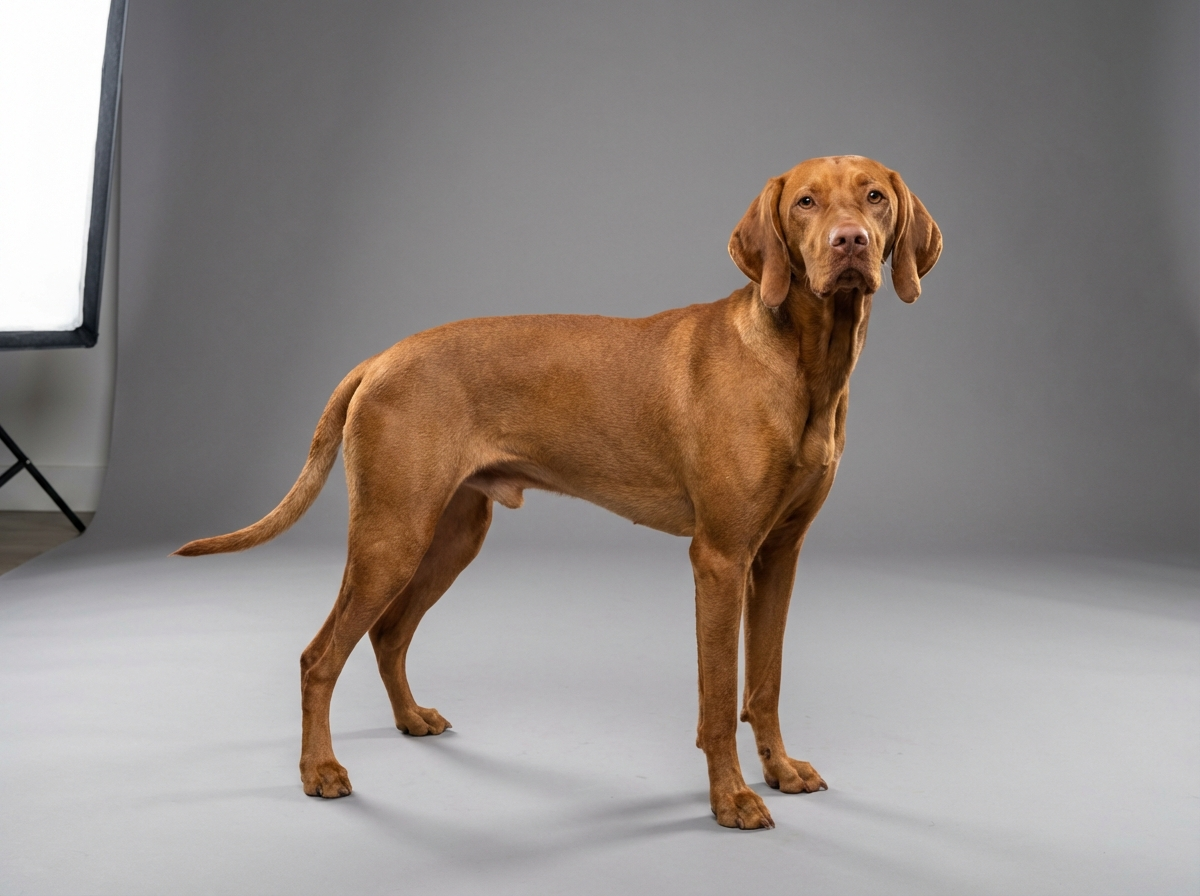
Nina, a busy nurse in Seattle, adopted her Vizsla, Max, hoping for a loyal companion. However, Max started showing signs of bloat after meals—distress, pacing, and a swollen belly. After consulting with her vet, Nina learned about dietary adjustments and training techniques to help manage Max's condition. By feeding him smaller meals throughout the day and using slow feeders, she noticed a significant improvement in his symptoms over time. Nina also established a routine of gentle exercise after meals, ensuring Max stayed active without overexerting himself. Eventually, Max was able to enjoy his meals without the fear of bloat, and Nina felt empowered with the knowledge to keep him healthy.
Key takeaway: Understanding your Vizsla's dietary needs and creating a consistent routine can significantly reduce the risk of bloat, leading to a happier, healthier dog.
Vizslas can develop bloat due to a combination of factors, including rapid eating, drinking large amounts of water, or exercising right after meals. This condition is particularly common in deep-chested breeds like Vizslas. If you notice symptoms such as a swollen abdomen or distress, seek immediate veterinary help.
To prevent bloat, feed your Vizsla smaller meals throughout the day instead of one large meal. Avoid vigorous exercise right after eating, and consider using a slow feeder to minimize the speed of eating. Regular vet check-ups can also help monitor your dog's health.
Signs of bloat include a distended abdomen, excessive drooling, attempts to vomit without success, and restlessness. If your Vizsla shows these symptoms, it is crucial to get them to a vet immediately, as bloat can be life-threatening.
While there is no direct evidence linking bloat specifically to genetics, certain factors like breed size and shape can influence its occurrence. Always consult with your veterinarian about your Vizsla's individual health risks and family history.
Treatment typically involves emergency veterinary care, which may include decompression of the stomach and surgical intervention. Costs can range from $1,500 to $7,500 depending on the severity and treatment required. Prompt action is vital for a successful outcome.
Early signs of Vizsla bloat include restlessness, pacing, and an enlarged abdomen. You might also notice your dog trying to vomit without success or showing signs of distress. If you observe these symptoms, it’s crucial to seek veterinary help immediately.
Yes, older Vizslas can be at risk for bloat (gastric dilatation-volvulus/gdv). As dogs age, their digestive systems may become less efficient, increasing the chance of this condition. Regular vet check-ups and monitoring for symptoms are essential as your Vizsla gets older.
Bloat can occur after eating due to rapid consumption of food or drinking large amounts of water. Some dogs may swallow air while eating or drinking, which can contribute to bloat. Feeding smaller, more frequent meals and using a slow feeder can help reduce this risk.
To prevent Vizsla bloat, feed smaller meals throughout the day and avoid vigorous exercise right after eating. You can also consider a raised feeding bowl and ensure your dog stays calm during mealtime. Consult your vet for personalized advice.
If you suspect your Vizsla has bloat, take them to a veterinarian immediately. This condition can be life-threatening and requires urgent treatment. Do not wait for symptoms to worsen; act quickly to ensure your dog's safety.
Feed your Vizsla smaller meals, avoid exercise right after eating, and consider using a slow feeder. These steps can help reduce the risk of bloat.
If your Vizsla is deep-chested and has a history of rapid eating or exercise after meals, they may be at higher risk for bloat. Monitoring their eating habits is key.
If you notice signs of bloat, take your Vizsla to the vet immediately. Quick action is essential to prevent serious complications.