Behavior
What are quick tips for Vizsla back problems?
To manage Vizsla back problems, keep their weight in check, limit high-impact activities, and ensure regular vet visits. Gentle exercises like walking and swimming are great alternatives.

Quick answer
What are quick tips for Vizsla back problems?
To manage Vizsla back problems, keep their weight in check, limit high-impact activities, and ensure regular vet visits. Gentle exercises like walking and swimming are great alternatives.
Vizsla back problems are common due to their long spine and short legs. Understanding these issues is vital for keeping your dog healthy.
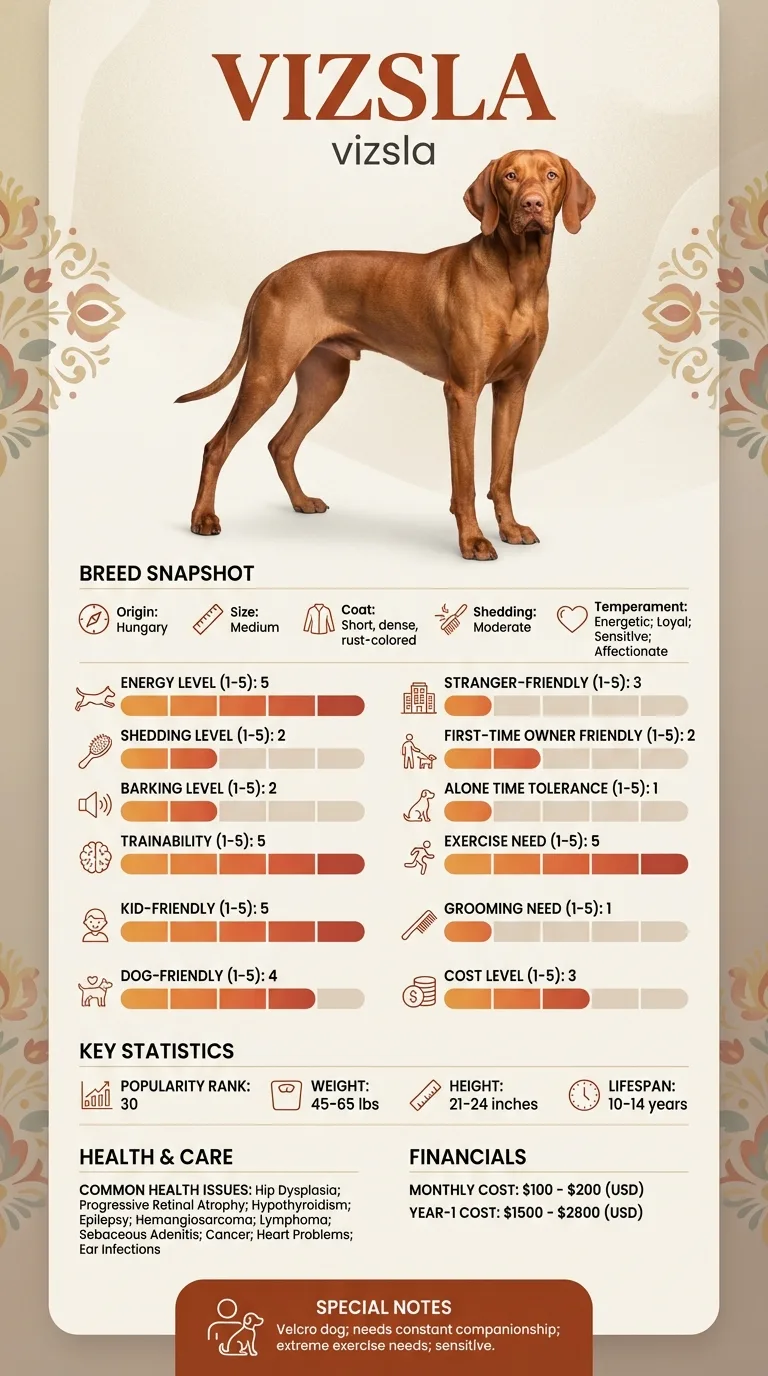
Owners of Vizslas—an energetic and affectionate breed—often face challenges related to back problems. This issue can arise especially in active households where their need for exercise and play may overlook signs of discomfort.
This guide is not medical advice. If your dog shows pain, sudden behavior change, or worsening symptoms, consult a licensed veterinarian.
Some links may be affiliate links. We may earn a commission at no extra cost to you. We only suggest products we believe are helpful for dog owners.
We research and check what we publish, but we do not warrant that any figure, date, price, or statement is accurate, complete, or current, and we accept no liability for any loss, cost, injury, or other harm arising from the use of this site. Use it as one reference among several. You remain responsible for your own decisions and for your dog's care - confirm anything that matters with a licensed veterinarian or another qualified professional before you act on it. Full disclaimer.
Check this first
Red flags for emergency situations include sudden inability to walk, severe pain when touched, or noticeable swelling along the spine. If your Vizsla shows any of these signs, don't hesitate—contact your vet right away.
On the other hand, if your Vizsla has mild back pain but is still able to move around, you might be able to monitor the situation. Look for signs like mild stiffness, reluctance to jump, or slight difficulty getting up. In these cases, provide a comfortable resting area and limit their activity. If symptoms persist or worsen, consult your vet.
Remember, back problems can escalate quickly, so err on the side of caution. It's better to be proactive and check with a professional if you have any doubts about your Vizsla's condition.
If any of these apply, call your vet or an emergency clinic now. The rest of this page is for the cases that are not an emergency.
Vizsla back problems can present as difficulty standing, reluctance to jump, or noticeable discomfort during play. These issues are often rooted in the breed's long spine and shorter legs, making them susceptible to back strain. Owners may notice their Vizsla hesitating to engage in activities they once enjoyed, hinting at pain or stiffness.
Back problems are fairly common in Vizslas, especially as they age. Given their physical structure, owners should be proactive in monitoring their dog's activity to prevent these issues.
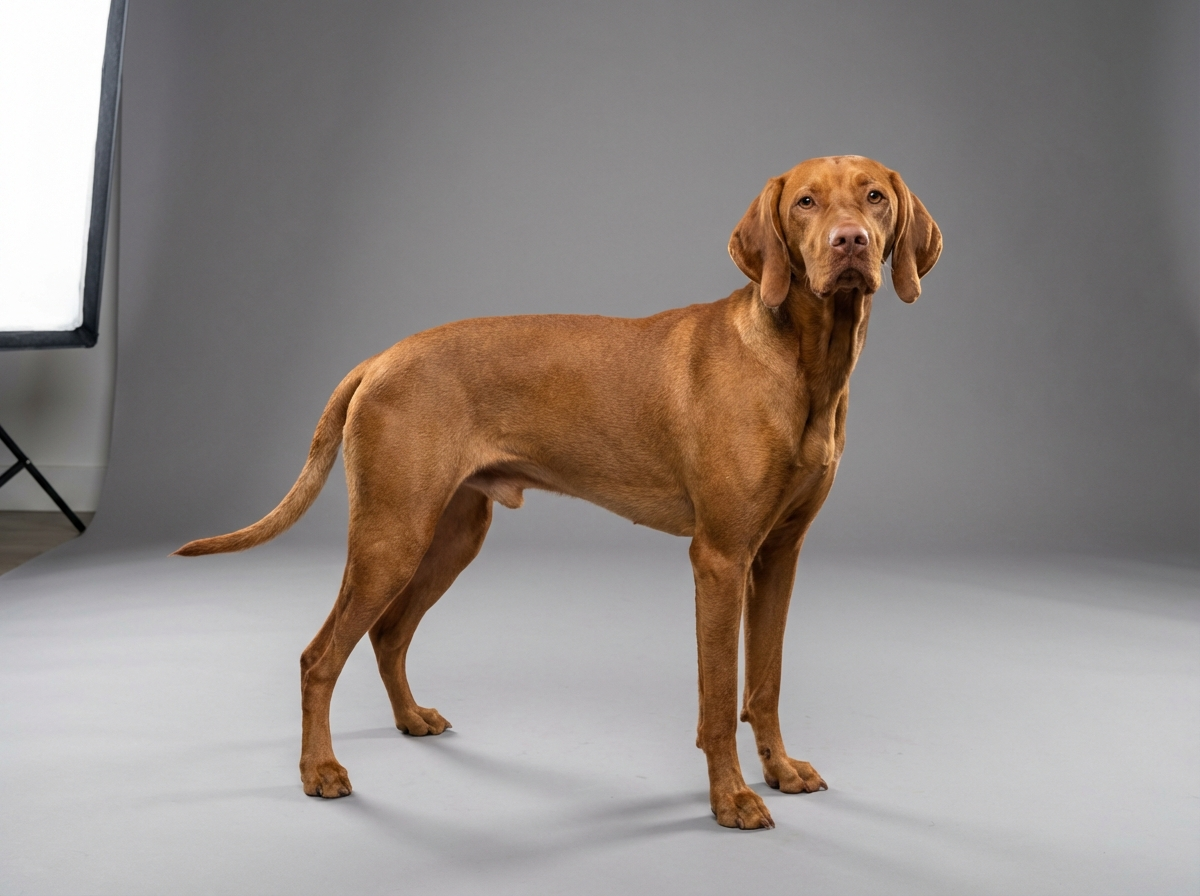
Vizslas have a long spine and short legs, which can put extra strain on their back. This conformation makes them more prone to developing back problems as they age. Additionally, their energetic nature can lead to overexertion, increasing the risk of injury.
Poor training techniques or lack of proper exercise can contribute to back issues. If a Vizsla engages in activities that involve jumping or running on hard surfaces without adequate conditioning, it may exacerbate any underlying back problems. Stressful environments or inadequate support during play can also play a role.
Consult a vet if your Vizsla displays persistent back pain, limping, or reluctance to move. Early intervention is crucial for effective treatment. Your vet can recommend specific exercises, physical therapy, or medications to manage pain and improve mobility.
Many owners inadvertently make Vizsla back problems worse through everyday actions. Here are some common mistakes and better alternatives.
Start here: Vizsla Most Common Genetic Disorders: What to Screen For
See all Vizsla health problems, which breeds are prone to back problems, or the full Vizsla breed guide for temperament, exercise needs and ownership costs.
With consistent care and follow-up with your vet, you can see improvements in your Vizsla's back problems within 3 to 6 months.
Success means your Vizsla shows reduced discomfort, improved mobility, and a better quality of life. You'll also notice a more stable behavior during daily activities.
Sam, a busy teacher in Denver, noticed his Vizsla Max struggling to jump onto the couch. After a vet check confirmed back problems, Sam started a gentle exercise routine focusing on strengthening Max's core. He also incorporated training sessions to encourage Max to use ramps instead of jumping. Over time, Max's mobility improved, and he seemed much happier and more active.
Key takeaway: With patience and the right training, you can effectively manage Vizsla back problems and help your dog live a more comfortable life.
Vizslas are prone to back problems due to their long spine and short legs. This structure can lead to spinal issues, especially if they engage in high-impact activities without proper conditioning. Regular vet check-ups and monitoring their activity levels can help catch problems early.
To help prevent back problems in your Vizsla, focus on maintaining a healthy weight and providing low-impact exercises. Avoid jumping from high places or excessive stair climbing. Incorporating a balanced diet and regular vet visits is also crucial for their spinal health.
Training methods for Vizsla back problems include positive reinforcement to encourage gentle play and controlled movements. Use commands to manage their activity, ensuring they don’t overexert themselves during playtime. Consult a trainer familiar with the breed for tailored strategies.
Signs of back problems in your Vizsla may include difficulty jumping, reluctance to play, or changes in their posture. Watch for signs of pain, such as whining or sensitivity when touched along the back. If you notice any of these signs, consult your vet as soon as possible.
Yes, Vizslas with a family history of back problems are more likely to develop similar issues. Additionally, older Vizslas may face increased risks due to age-related wear on their spines. Regular check-ups can help monitor and manage risks.
For older Vizslas, managing back problems may include gentle exercise, weight management, and supportive bedding. Always consult your vet about suitable pain relief options or physical therapy to help your dog stay comfortable.
If your Vizsla shows persistent signs of discomfort, has trouble moving, or if you notice any sudden changes in behavior or mobility, it's time to see the vet. Early intervention can often lead to better outcomes.
Yes, high-impact activities like jumping from heights or excessive running can increase the risk of back problems in Vizslas. It's important to monitor their play and exercise routines to avoid unnecessary strain.
Training can help prevent back problems by teaching your Vizsla how to navigate their environment safely. Incorporating commands for careful movements and discouraging jumping can reduce the risk of injury.
To manage Vizsla back problems, keep their weight in check, limit high-impact activities, and ensure regular vet visits. Gentle exercises like walking and swimming are great alternatives.
Treatment costs for Vizsla back problems can range from $100 to $500 depending on the severity and type of care needed. Surgery can be more expensive, potentially reaching thousands.
If your Vizsla shows signs of back pain, reduce their activity level and consult a vet immediately for a thorough evaluation. Early intervention can prevent further issues.
Aim for at least 1 to 2 hours of moderate exercise daily for your Vizsla. Tailor activities to minimize strain on their back, focusing on low-impact options.
Yes, training that emphasizes gentle play and controlled movements can help prevent back issues. Always reward calm and careful behavior to reinforce safe activities.
A one-page prep sheet for this condition: the signs, the questions to ask, what to get priced. Unlocks here.
You get: Vet visit prep sheet
No spam. One-click unsubscribe. See our privacy policy.
Preview page 1 before you decide.
Early access list
The free prep sheet covers the same-day warning signs, a symptom log and the questions to ask. We are considering a fuller kit that adds a cost worksheet for the usual tests and treatments (US price ranges with their sources) and a plain-English guide to ways of covering the bill. It is not built yet; this list tells us whether it is worth building.
One email, no spam, unsubscribe anytime. Information only, not veterinary advice.