DogBreedCompass
← Back to breed profile

Vizsla Arrhythmogenic Right Ventricular Cardiomyopathy (ARVC)

Vizsla arrhythmogenic right ventricular cardiomyopathy (ARVC) is a serious heart condition that can affect your dog's health and quality of life.

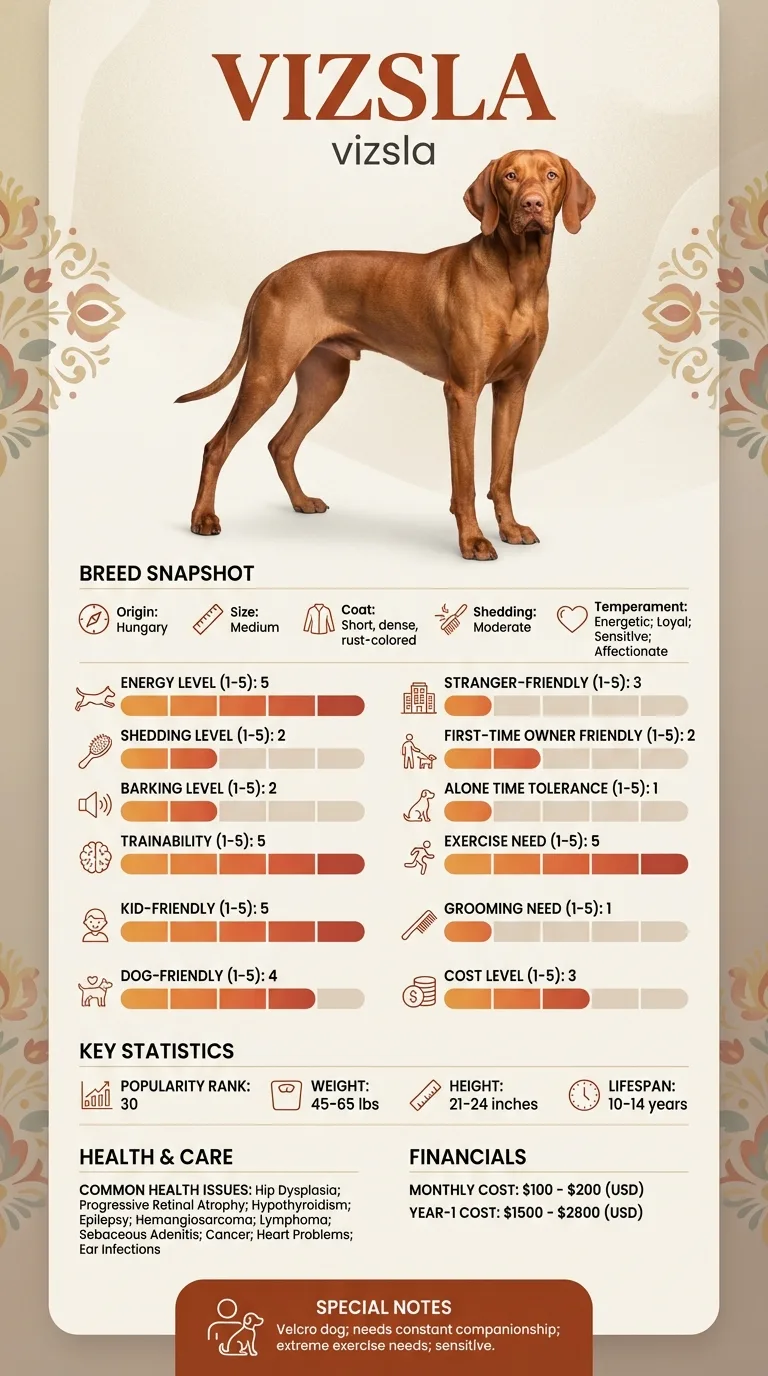
Vizsla Arrhythmogenic Right Ventricular Cardiomyopathy (ARVC) infographic

Owners of Vizslas, especially those who are first-time dog parents or have busy lifestyles, may find it challenging to recognize the signs of ARVC. The energetic nature of Vizslas can mask symptoms, making it harder for owners to notice when something is wrong.

Important reminder

This guide is not medical advice. If your dog shows pain, sudden behavior change, or worsening symptoms, consult a licensed veterinarian.

Some links may be affiliate links. We may earn a commission at no extra cost to you. We only suggest products we believe are helpful for dog owners.

What this problem looks like

Vizsla arrhythmogenic right ventricular cardiomyopathy (ARVC) is a heart rhythm disorder that can affect your dog's everyday life. Symptoms may include lethargy, fainting, or irregular heartbeats. Owners often notice their Vizsla struggling with exercise or showing signs of distress during physical activity.

Common triggers

  • Intense exercise or physical activity
  • Stressful situations
  • Hot weather or high temperatures

ARVC is relatively common in Vizslas, especially as they age. While not every Vizsla will develop this condition, awareness and regular check-ups are crucial for early detection.

Why this happens

Breed factors

Vizslas are prone to genetic conditions like arrhythmogenic right ventricular cardiomyopathy (ARVC). This heart rhythm disorder affects their ability to pump blood effectively, which can lead to serious health issues. Some lines of Vizslas have a higher risk due to inherited traits, making awareness of this condition crucial for owners.

Environment factors

Stressful environments can worsen heart conditions in Vizslas. Factors such as lack of exercise, poor diet, and inadequate mental stimulation can contribute to anxiety and health decline. A stable, calm home can help mitigate these risks.

What you can try

At-home strategies

  • Ensure regular vet check-ups to monitor your Vizsla's heart health. Early detection can help manage ARVC more effectively.
  • Maintain a consistent exercise routine to keep your Vizsla fit and reduce stress. Aim for at least an hour of activity each day.
  • Provide a balanced diet tailored to their specific health needs. Consult your vet for recommendations on heart-healthy foods.

When to consider a trainer

If your Vizsla shows signs of anxiety or behavioral issues related to ARVC, consider hiring a trainer. A professional can help with specific training techniques to ease stress and improve your dog's overall well-being.

When to talk to your vet

If you notice symptoms like lethargy, coughing, or fainting, contact your vet immediately. These could be signs of worsening heart issues related to ARVC. Regular discussions with your vet about your dog's health and any changes in behavior are essential.

Realistic expectations

Expect to see noticeable improvements in your Vizsla's condition within 3 to 6 months with consistent training and veterinary care.

Success means your Vizsla has stable heart activity, reduced symptoms, and is able to engage more in daily activities without distress.

Mistakes that make this worse – Vizsla arrhythmogenic right ventricular cardiomyopathy (arvc)

Avoiding these common mistakes can greatly help your Vizsla manage arrhythmogenic right ventricular cardiomyopathy (ARVC). Here are some behaviors to watch out for.

  • Ignoring symptoms: If your Vizsla shows signs of distress, like excessive panting or lethargy, don’t dismiss these as normal behavior. Consult your vet instead.
  • Lack of exercise: While exercise is crucial for a Vizsla, overexertion can worsen heart issues. Stick to moderate, vet-recommended activities.
  • Inconsistent training: Inconsistent commands can confuse your dog and increase anxiety. Use clear, consistent training methods to create a stable environment.
  • Neglecting diet: Poor nutrition can exacerbate health problems. Feed your Vizsla a balanced diet tailored to their health needs, as advised by your vet.
  • Skimping on vet visits: Regular check-ups are essential for monitoring ARVC. Don’t skip appointments—your vet can catch issues before they escalate.
  • Overindulging in affection: While Vizslas crave companionship, too much affection during anxious moments can reinforce panicky behavior. Instead, remain calm and encourage self-soothing.

When It Is an Emergency

With Vizsla arrhythmogenic right ventricular cardiomyopathy (ARVC), recognizing when it's an emergency can save your dog's life. There are clear signs that indicate immediate veterinary attention is necessary. If your Vizsla experiences collapse, persistent coughing, difficulty breathing, or extreme lethargy, these are red flags. Call your vet right away in these situations.

On the other hand, if your dog shows mild symptoms like occasional coughing or slight fatigue during exercise, you may monitor them at home. Keep track of any changes in behavior or energy levels. It's good to have a plan for regular check-ups to ensure your dog’s heart health is stable.

Always err on the side of caution when it comes to heart issues. Even slight changes in your Vizsla's behavior can signal underlying problems, so be attentive and proactive.

Vizsla Arrhythmogenic Right Ventricular Cardiomyopathy (ARVC) - When It Is an Emergency

Emma and her Vizsla, Max: A Journey with ARVC

Emma, a dedicated dog owner from Seattle, noticed her Vizsla, Max, was unusually lethargic and had bouts of coughing. After a vet visit, she learned Max had arrhythmogenic right ventricular cardiomyopathy (ARVC). Determined to help him, Emma followed a strict regimen of heart-healthy diet changes and medication. She also engaged a dog trainer to help with managing Max's activity levels and anxiety. Over the next few months, she saw him become more energetic and playful, allowing them to enjoy walks and playtime again.

Key takeaway: With the right support and a proactive approach, managing ARVC in Vizslas is possible, leading to a happier and healthier life.

Frequently asked questions

What is Vizsla arrhythmogenic right ventricular cardiomyopathy (ARVC)?

Vizsla arrhythmogenic right ventricular cardiomyopathy (ARVC) is a heart rhythm disorder that affects the heart's ability to pump blood efficiently. This condition can lead to serious health issues, including fainting and sudden cardiac arrest if not managed properly.

Why does my Vizsla have arrhythmogenic right ventricular cardiomyopathy (ARVC)?

ARVC in Vizslas is often hereditary, meaning it can be passed down through generations. Factors such as genetics and the dog’s overall health can contribute to the development of this condition.

How can I tell if my Vizsla has ARVC?

Common signs of ARVC include lethargy, fainting spells, or unusual behaviors during exercise. If you notice any of these symptoms, it’s important to consult your veterinarian for a proper evaluation and diagnosis.

How is Vizsla arrhythmogenic right ventricular cardiomyopathy (ARVC) diagnosed?

Diagnosis typically involves a combination of physical exams, an electrocardiogram (ECG), and possibly an echocardiogram. Your vet will assess your dog's heart rhythm and structure to confirm ARVC.

What are the treatment options for Vizsla arrhythmogenic right ventricular cardiomyopathy (ARVC)?

Treatment may include medications to regulate heart rhythm and lifestyle modifications, such as limiting intense exercise. Regular check-ups with your vet are crucial to monitor the condition and adjust treatment as needed.

Can Vizsla arrhythmogenic right ventricular cardiomyopathy (ARVC) be managed at home?

Yes, with proper veterinary guidance, you can manage ARVC at home. This often includes monitoring your dog’s activity levels, administering medications, and keeping up with vet appointments.

How can I help my Vizsla live with ARVC?

Provide a calm environment and avoid high-stress situations. Regular, moderate exercise and a balanced diet can also support your Vizsla's overall health and well-being.

What are the signs of arrhythmogenic right ventricular cardiomyopathy (ARVC) in Vizslas?

Signs of ARVC in Vizslas can include fainting, lethargy, and abnormal heartbeats. If your dog shows any of these symptoms, it’s crucial to consult your veterinarian promptly.

Can older Vizslas develop arrhythmogenic right ventricular cardiomyopathy (ARVC)?

Yes, older Vizslas may be at higher risk for developing ARVC. Regular check-ups with a vet can help catch any heart issues early, especially as your dog ages.

How is arrhythmogenic right ventricular cardiomyopathy (ARVC) diagnosed in Vizslas?

Diagnosis typically involves a combination of physical examinations, electrocardiograms (ECGs), and possibly echocardiograms. A veterinarian will assess your dog's heart health based on these tests.

Is there a specific diet for Vizslas with arrhythmogenic right ventricular cardiomyopathy (ARVC)?

While there is no one-size-fits-all diet for Vizslas with ARVC, a balanced diet low in sodium may be beneficial. Always consult your vet for personalized dietary recommendations based on your dog's health status.

What are the treatment options for Vizslas with arrhythmogenic right ventricular cardiomyopathy (ARVC)?

Treatment for ARVC may include medications to manage heart rhythm and lifestyle changes to reduce stress. Your veterinarian will provide the best options based on your dog's specific needs.

Quick answers

View more answers
Behavior

What are quick tips for managing Vizsla arrhythmogenic right ventricular cardiomyopathy (ARVC)?

Regular vet visits and medication adherence are vital for managing ARVC in Vizslas. Keeping stress low and exercise moderate can also help maintain your dog's health.

Health

How often should I take my Vizsla to the vet for ARVC?

You should take your Vizsla to the vet at least every six months, or more frequently if advised by your veterinarian, to monitor their heart health.

Health

Is ARVC in Vizslas a serious condition?

Yes, ARVC can be serious and may lead to life-threatening complications if not treated properly. Early diagnosis and management are crucial.

Living

What lifestyle changes should I consider for a Vizsla with ARVC?

Limit high-intensity exercise and avoid stressful situations. Focus on providing a stable routine and a calm environment for your dog.

Training

Can training help my Vizsla with ARVC?

Training can help your Vizsla remain calm and obedient, which is important for managing ARVC. Focus on basic commands and gentle training techniques.

Related DogBreedCompass guides

  • Vizsla separation anxiety guideLearn more about how to manage separation anxiety in Vizslas, which can be related to ARVC.
  • Vizsla behavior problemsUnderstand the common behavior problems in Vizslas to help with training and management.
  • Vizsla cost breakdownExplore the costs associated with owning a Vizsla, including potential health issues like ARVC.
  • Vizsla arrhythmogenic right ventricular cardiomyopathy (arvc) trainingFind out about training techniques specifically for Vizslas, which can aid in managing ARVC.
  • Dog heart problems overviewGet an overview of common heart problems in dogs, including those that affect Vizslas.

Related guides