Behavior
What are some quick tips for managing Vizsla anesthesia sensitivity?
Consult your vet for tailored anesthetic plans and monitor your Vizsla closely post-surgery. Prepare them for vet visits with positive reinforcement training.

Quick answer
What are some quick tips for managing Vizsla anesthesia sensitivity?
Consult your vet for tailored anesthetic plans and monitor your Vizsla closely post-surgery. Prepare them for vet visits with positive reinforcement training.
Vizsla anesthesia sensitivity can be a serious concern for dog owners. This sensitivity means that Vizslas might react poorly to anesthesia during medical procedures.
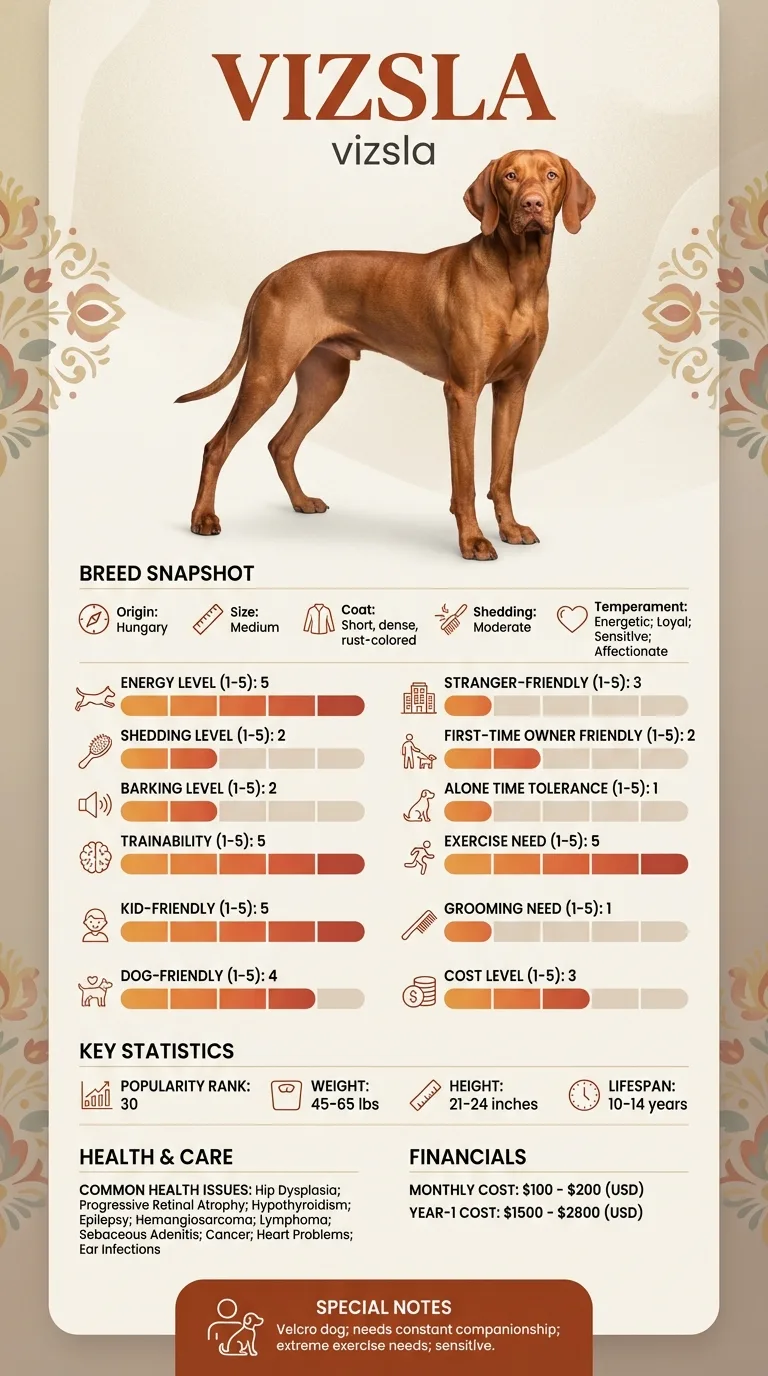
Typically, first-time Vizsla owners or those with busy lifestyles may struggle with this issue, especially if their dog has had adverse reactions to anesthesia in the past.
This guide is not medical advice. If your dog shows pain, sudden behavior change, or worsening symptoms, consult a licensed veterinarian.
Some links may be affiliate links. We may earn a commission at no extra cost to you. We only suggest products we believe are helpful for dog owners.
We research and check what we publish, but we do not warrant that any figure, date, price, or statement is accurate, complete, or current, and we accept no liability for any loss, cost, injury, or other harm arising from the use of this site. Use it as one reference among several. You remain responsible for your own decisions and for your dog's care - confirm anything that matters with a licensed veterinarian or another qualified professional before you act on it. Full disclaimer.
Check this first
Understanding when your Vizsla's anesthesia sensitivity is an emergency is crucial. Certain signs indicate you should call your vet immediately, while others might allow for monitoring at home. Red flags include severe reactions like difficulty breathing, excessive drooling, or seizures after anesthesia. If your dog shows any of these symptoms, don't hesitate; contact your vet right away.
Mild cases, on the other hand, can often be managed with a watchful approach. If your Vizsla seems a bit groggy or disoriented without serious distress, it may be fine to monitor them at home. Keep an eye on their behavior and ensure they are comfortable. If they are eating, drinking, and not showing signs of pain, you can wait to see if things improve.
Always trust your instincts. If you're unsure about your Vizsla's condition or if symptoms worsen, reaching out to your vet is the best course of action. It's better to be safe than sorry, especially when it comes to anesthesia sensitivity.
If any of these apply, call your vet or an emergency clinic now. The rest of this page is for the cases that are not an emergency.
Vizsla anesthesia sensitivity can be a challenging issue for owners. This sensitivity means that your Vizsla may react strongly to anesthetic drugs, leading to complications during routine procedures like spaying or dental cleanings. Common signs might include prolonged recovery times or unexpected reactions to anesthesia.
Anesthesia sensitivity is relatively common in Vizslas due to their unique physiology. While not every Vizsla will experience this issue, owners should be aware of it, especially for older dogs or those with existing health conditions.
Vizslas, like many breeds, can have genetic predispositions that affect their sensitivity to anesthesia. Their energetic nature and strong bond with their owners can also lead to heightened anxiety during medical procedures, making anesthesia responses more pronounced.
Anxiety can be exacerbated by the environment. A loud, unfamiliar veterinary clinic or stressful handling can trigger a Vizsla's sensitivity. Additionally, previous negative experiences with anesthesia can create lasting fears that influence future reactions.
If you notice severe reactions to anesthesia or if your Vizsla has had previous negative experiences, consult your vet before any procedures. They can offer alternatives or adjustments to minimize risks.
Avoiding these common mistakes can help manage your Vizsla's anesthesia sensitivity more effectively. Here are some behaviors to watch out for.
Start here: Vizsla Most Common Genetic Disorders: What to Screen For
See all Vizsla health problems, which breeds are prone to anesthesia sensitivity, or the full Vizsla breed guide for temperament, exercise needs and ownership costs.
Expect to see improvements within 4 to 6 weeks of consistent care and management.
Success means your Vizsla can undergo necessary procedures with reduced anxiety and a safer response to anesthesia.
Jessica, a busy nurse in New York, noticed her Vizsla, Max, was extremely anxious during vet visits. After a particularly stressful visit where Max reacted poorly to anesthesia, Jessica decided to take action. She researched and learned about Vizsla anesthesia sensitivity and implemented a training plan that included desensitization techniques and positive reinforcement. With time and patience, Max became more comfortable at the vet, and Jessica felt more confident about future procedures.
Key takeaway: With dedication and the right training approach, you can help your Vizsla manage anesthesia sensitivity effectively.
Vizslas can have anesthesia sensitivity due to their unique metabolism and genetic predispositions. Certain breeds, including Vizslas, may react differently to anesthetic drugs, leading to complications. It's essential to discuss any concerns with your veterinarian before any procedure. This answer relates to Vizsla anesthesia sensitivity.
Signs of anesthesia sensitivity in Vizslas include prolonged recovery times or unusual reactions after anesthesia. If your Vizsla seems overly groggy or disoriented, it may indicate sensitivity. Always report these observations to your vet.
While you can't change their sensitivity, you can help them cope through training. Positive reinforcement techniques can reduce anxiety around vet visits. Gradual exposure to the vet environment can make the process smoother for your Vizsla.
The primary risks of anesthesia for a Vizsla include adverse reactions to drugs and prolonged recovery times. These risks can increase with age or existing health issues. Discuss these risks with your vet to ensure safety during procedures.
Yes, always inform your vet about your Vizsla's sensitivity before any procedure. They may suggest specific pre-operative tests or adjustments in medication. Monitoring your dog closely during recovery is also crucial.
Anesthesia sensitivity in Vizslas can be caused by genetic factors, underlying health conditions, or even age. Certain breeds, including Vizslas, may metabolize anesthesia differently, making it crucial to discuss any concerns with your vet before procedures.
To prepare your Vizsla for a vet visit, communicate their anesthesia sensitivity clearly to the vet. Request a pre-anesthetic evaluation, and ensure that the vet uses appropriate protocols to minimize risk during sedation.
Yes, older Vizslas may be more prone to anesthesia sensitivity due to age-related health issues. As dogs age, their organs may not function as efficiently, which can affect how they process anesthesia. Regular check-ups can help monitor their health.
After anesthesia, monitor your Vizsla for signs of discomfort, unusual behavior, or prolonged lethargy. If they seem excessively drowsy or have difficulty waking up, contact your vet immediately for advice.
Yes, training can help alleviate your Vizsla's anxiety about vet visits. Techniques such as desensitization and counter-conditioning can make your dog more comfortable with the vet environment, reducing stress during procedures, especially if anesthesia is involved.
Consult your vet for tailored anesthetic plans and monitor your Vizsla closely post-surgery. Prepare them for vet visits with positive reinforcement training.
Provide a calm, quiet space for recovery and monitor their behavior closely. Offer gentle affection but avoid overwhelming them until they fully wake up.
Expect anesthesia-related costs, including pre-operative tests and monitoring, to range between $100 and $500, depending on the procedure and location.
A one-page prep sheet for this condition: the signs, the questions to ask, what to get priced. Unlocks here.
You get: Vet visit prep sheet
No spam. One-click unsubscribe. See our privacy policy.
Preview page 1 before you decide.