DogBreedCompass
← Back to breed profile

Understanding Siberian Husky Intervertebral Disc Disease (IVDD) Type I

Siberian Husky intervertebral disc disease (IVDD) type I is a serious condition that affects your dog's spine and can cause significant pain.

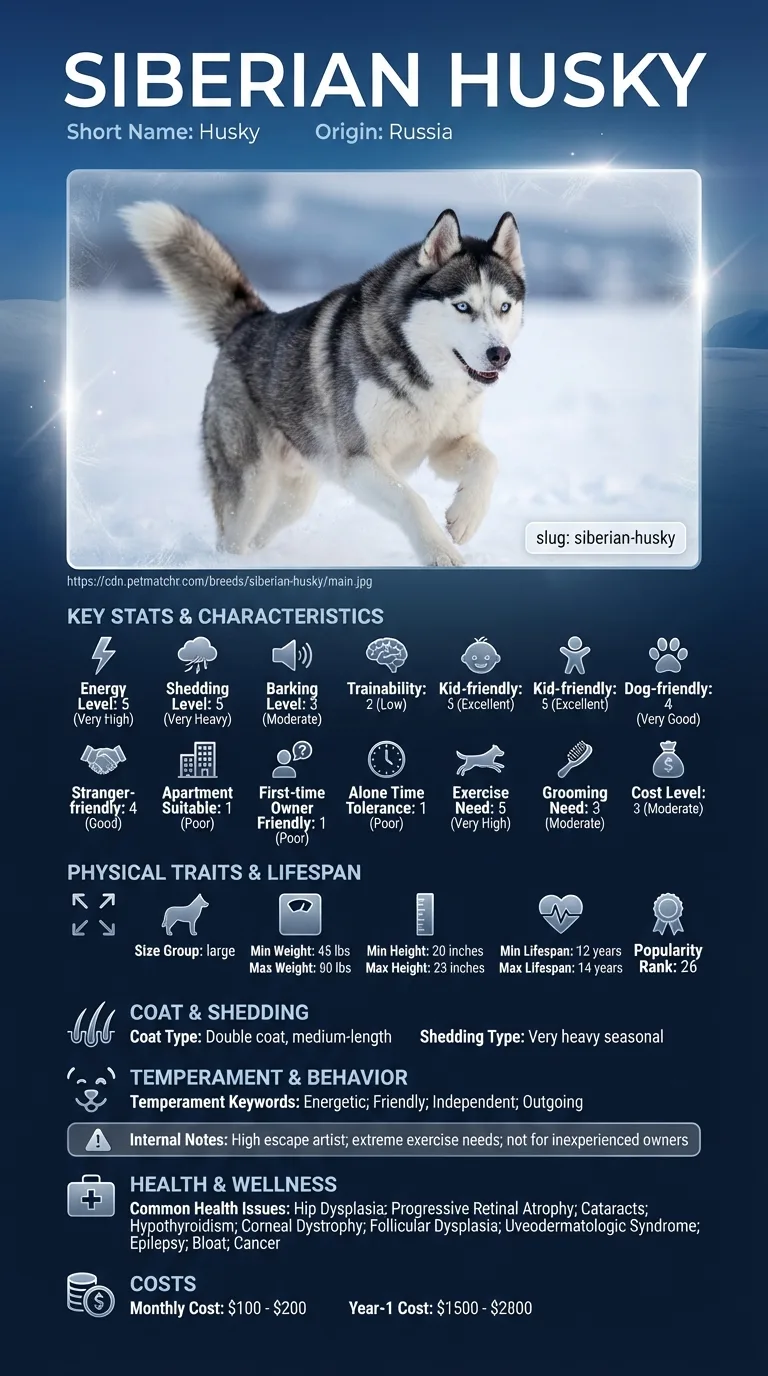
Understanding Siberian Husky Intervertebral Disc Disease (IVDD) Type I infographic

Typically, owners of Siberian Huskies, especially those who are active or have older dogs, may face this challenge. If you notice your Husky showing signs of pain or difficulty moving, understanding this condition can help you provide the right care.

Important reminder

This guide is not medical advice. If your dog shows pain, sudden behavior change, or worsening symptoms, consult a licensed veterinarian.

Some links may be affiliate links. We may earn a commission at no extra cost to you. We only suggest products we believe are helpful for dog owners.

What this problem looks like

Siberian Husky intervertebral disc disease (IVDD) type I is a serious condition where herniated discs press on the spinal cord. This can lead to pain, mobility issues, and even paralysis. Owners may notice their Husky struggling to jump, walk, or may be reluctant to move.

Common triggers

  • High-impact activities like jumping or rough play
  • Obesity, which can put extra strain on the spine
  • Age-related degeneration in older Huskies
  • Genetic predisposition common in some lines

IVDD type I is relatively common in Siberian Huskies, particularly in those who are active or overweight. While not every Husky will develop this condition, it's important for owners to be aware of the signs and take preventive measures.

Why this happens

Breed factors

Siberian Huskies are prone to intervertebral disc disease (IVDD) type I due to their genetic predisposition. Their large size and heavy weight can put extra stress on their spine. Additionally, their energetic nature may lead to activities that increase the risk of injury.

Environment factors

Environmental factors also play a role. Poor nutrition, lack of exercise, and obesity can contribute to spinal problems. Inadequate support during play or exercise can further exacerbate these risks.

What you can try

At-home strategies

  • Maintain a healthy weight for your Siberian Husky to reduce strain on their spine.
  • Provide a balanced diet rich in essential nutrients. Consult your vet for the best options.
  • Limit high-impact exercises and focus on low-impact activities like walking or swimming.
  • Create a safe play environment with soft surfaces and avoid jumping or rough play.
  • Incorporate gentle stretching and massage to improve overall flexibility and muscle support.

When to consider a trainer

If your Husky shows signs of pain or mobility issues, consider consulting a professional trainer. A trainer experienced with IVDD can offer specialized techniques to help manage their condition safely.

When to talk to your vet

You should talk to your vet if you notice symptoms like limping, reluctance to jump or climb stairs, or any sudden changes in behavior. Early intervention can make a significant difference in managing IVDD and ensuring your Husky's quality of life.

Realistic expectations

Managing Siberian Husky intervertebral disc disease (IVDD) type I typically takes several weeks to months. Depending on the severity, many owners see improvement in 4 to 8 weeks with proper care and treatment.

Success means your Husky can move comfortably again, with reduced pain and improved mobility. You'll notice increased energy and willingness to engage in light activities without signs of distress.

Mistakes that make this worse

Avoiding common pitfalls can help manage Siberian Husky intervertebral disc disease (IVDD) type I effectively. Here are some mistakes to watch out for and safer alternatives.

  • Ignoring early signs of discomfort: Many owners overlook the first signs of pain or discomfort in their Husky. Instead, be proactive by monitoring your dog's movements and posture closely.
  • Over-exercising: Huskies are energetic and may push themselves too hard. Instead, provide structured, low-impact exercises and stick to a regular routine to prevent strain.
  • Improper lifting techniques: Lifting your Husky incorrectly can worsen their spinal condition. Always support their back and hindquarters with both hands when lifting them.
  • Neglecting weight management: Extra weight can put additional pressure on your Husky's spine. Work with your vet to create a balanced diet and exercise plan to help maintain a healthy weight.
  • Skipping vet check-ups: Regular vet visits are essential for monitoring your Husky's IVDD. Make it a routine to visit the vet for check-ups and discuss any changes in behavior or mobility.
  • Using uneven surfaces: Allowing your Husky to run on uneven terrain can increase the risk of injury. Stick to flat, safe areas for walks and playtime.
  • Using stairs frequently: Frequent stair use can strain your Husky's back. If possible, minimize stair climbing and consider using ramps or lifts.

When Siberian Husky Intervertebral Disc Disease (IVDD) Type I is an Emergency

Recognizing when your Siberian Husky's intervertebral disc disease (IVDD) type I is an emergency is crucial. If your dog shows severe symptoms, it’s important to act quickly. Red flags include sudden paralysis, inability to walk, or extreme pain when touched. If your Husky is crying out in pain, appears to have lost control of their bladder or bowels, or cannot stand, call your vet immediately.

In less severe cases, you might notice mild signs such as slight limping, reluctance to jump, or occasional yelping when moving. These can often be monitored with a careful plan. You should seek veterinary advice if these symptoms persist for more than a day or worsen over time. Keeping track of your dog's behavior can help you decide if a vet visit is necessary. Always prioritize your dog's comfort and well-being, and don't hesitate to consult your vet if unsure about any symptoms.

Understanding Siberian Husky Intervertebral Disc Disease (IVDD) Type I - When Siberian Husky Intervertebral Disc Disease (IVDD) Type I is an Emergency

A Journey to Recovery with Max the Husky

When Sara adopted Max, her energetic Siberian Husky, she never expected to face health challenges. At just three years old, Max started showing signs of pain and difficulty in movement. After a vet diagnosis of IVDD type I, Sara felt overwhelmed but knew she had to act. With a treatment plan that included medication, limited activity, and gradual rehabilitation, Sara dedicated herself to Max's recovery. Over the next few weeks, she noticed improvements as Max regained his strength and mobility. They celebrated small victories, like a short walk without hesitation, and eventually, Max was back to his playful self, albeit with more supervision and care.

Key takeaway: With persistence and the right support, dogs with Siberian Husky intervertebral disc disease (IVDD) type I can lead happy, fulfilling lives. It's crucial for owners to be proactive and patient during recovery.

Frequently asked questions

Why does my Siberian Husky have intervertebral disc disease (ivdd) type i?

Siberian Huskies can develop intervertebral disc disease (ivdd) type i due to genetic factors, age, or excessive physical activity. This condition occurs when a disc in the spine herniates, pressing on the spinal cord. Regular vet check-ups can help catch early signs.

How can I stop my Siberian Husky from developing ivdd type i?

To prevent ivdd type i in your Siberian Husky, ensure they maintain a healthy weight and avoid excessive jumping or rough play. Regular low-impact exercise, like walking, helps strengthen their back. Discuss with your vet about supplements that may support spinal health.

What are the signs of ivdd type i in Siberian Huskies?

Signs of ivdd type i include difficulty walking, reluctance to jump, and signs of pain like whining or yelping. Watch for any changes in their posture, such as a hunched back or a swaying gait. Early detection is crucial for effective treatment.

Can training help manage ivdd type i in Siberian Huskies?

Training can help manage ivdd type i by teaching your dog gentle, controlled movements and commands. Focus on training that avoids stress on their spine, such as sit and stay commands. Consult a professional trainer experienced with dogs with medical issues.

What treatments are available for Siberian Huskies with ivdd type i?

Treatment options for ivdd type i include medication for pain relief, physical therapy, and in severe cases, surgery. Your vet will evaluate the severity of the condition and recommend the best course of action. Early treatment often leads to better recovery outcomes.

Is ivdd type i genetic in Siberian Huskies?

Yes, ivdd type i can be genetic in Siberian Huskies. Certain bloodlines may be more prone to this condition. Responsible breeding practices can help reduce the likelihood of passing on genetic issues.

What are the early signs of Siberian Husky intervertebral disc disease (ivdd) type i?

Early signs of IVDD in Siberian Huskies can include reluctance to jump or play, difficulty climbing stairs, or noticeable pain when touched along the spine. If you notice these symptoms, it's important to consult your vet for a proper diagnosis.

How can I manage my Siberian Husky's pain from intervertebral disc disease (ivdd) type i?

Managing pain may involve medications prescribed by your vet, physical therapy, or lifestyle adjustments like limiting jumping and strenuous activities. Always follow your vet's recommendations for the best approach.

Is surgery necessary for Siberian Husky intervertebral disc disease (ivdd) type i?

Not all cases of IVDD require surgery. Your vet will assess the severity of the condition and recommend either surgical intervention or a conservative management approach based on your Husky's specific needs.

Can older Siberian Huskies develop intervertebral disc disease (ivdd) type i?

Yes, older Siberian Huskies can develop IVDD type I due to the natural degeneration of their spinal discs over time. Regular check-ups with your vet can help monitor their spinal health as they age.

What preventative measures can I take to reduce the risk of intervertebral disc disease (ivdd) type i in my Siberian Husky?

To reduce the risk of IVDD, maintain a healthy weight for your Husky, provide regular low-impact exercise, and avoid high-impact activities like jumping from heights. These steps can help keep their spine healthy.

Quick answers

View more answers
Behavior

What are quick tips for Siberian Husky intervertebral disc disease (ivdd) type i?

To manage ivdd type i in your Husky, maintain a healthy weight, avoid high-impact activities, and engage in regular low-impact exercise. Consult your vet for tailored advice.

Health

How can I help my Husky with ivdd type i during recovery?

During recovery, limit your Husky's movement, provide a comfortable resting area, and follow your vet's guidance on medications and physical therapy.

Costs

What is the average cost for treating ivdd type i?

Treatment costs for ivdd type i can range from a few hundred to several thousand dollars, depending on the severity and type of treatment. Discuss a cost plan with your vet.

Training

Can training help reduce ivdd type i risk?

Yes, proper training can help reduce ivdd type i risk by avoiding high-stress activities and teaching controlled movements. Consider working with a trainer experienced in health issues.

Living

Are there signs my Husky might develop ivdd type i?

Signs of potential ivdd type i include stiffness, reluctance to move, and signs of pain. Early detection through regular vet visits is key.

Related DogBreedCompass guides

Related guides