What this problem looks like
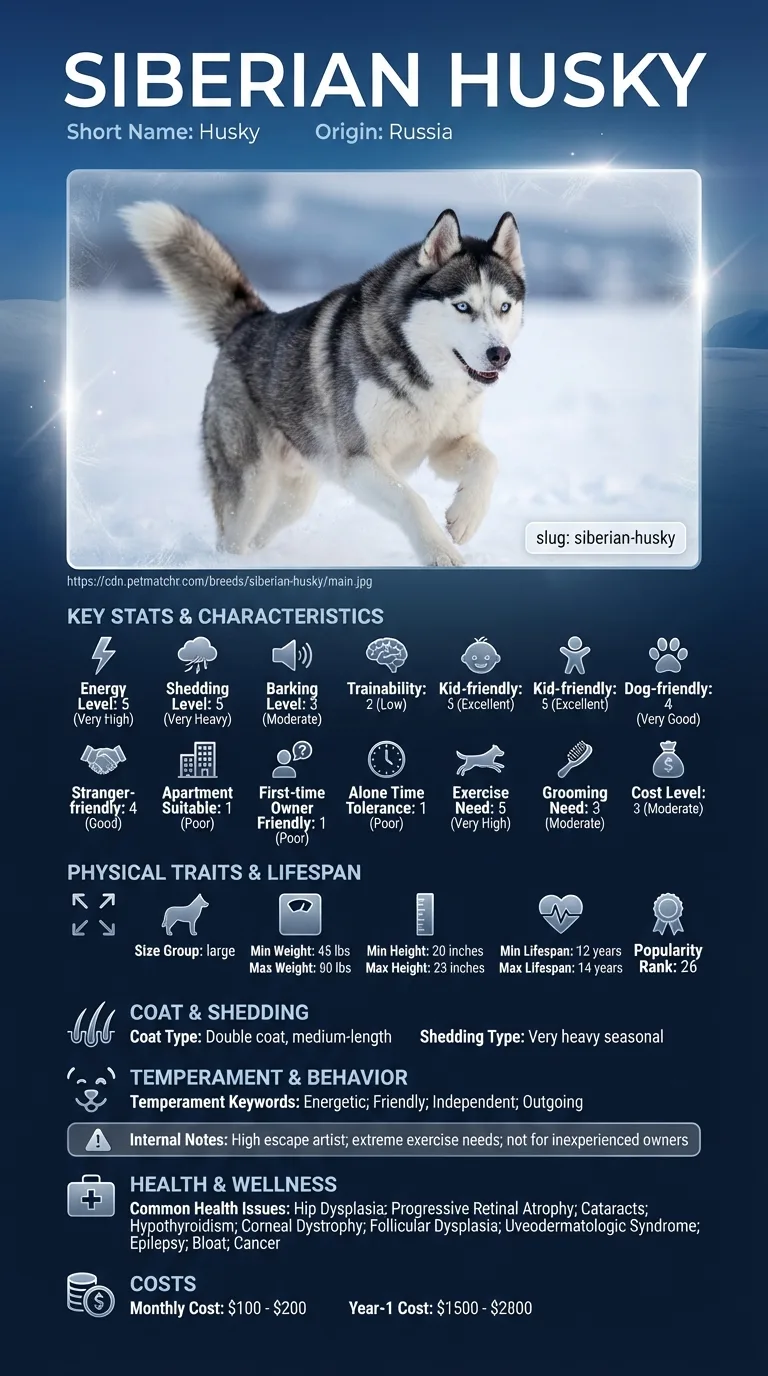
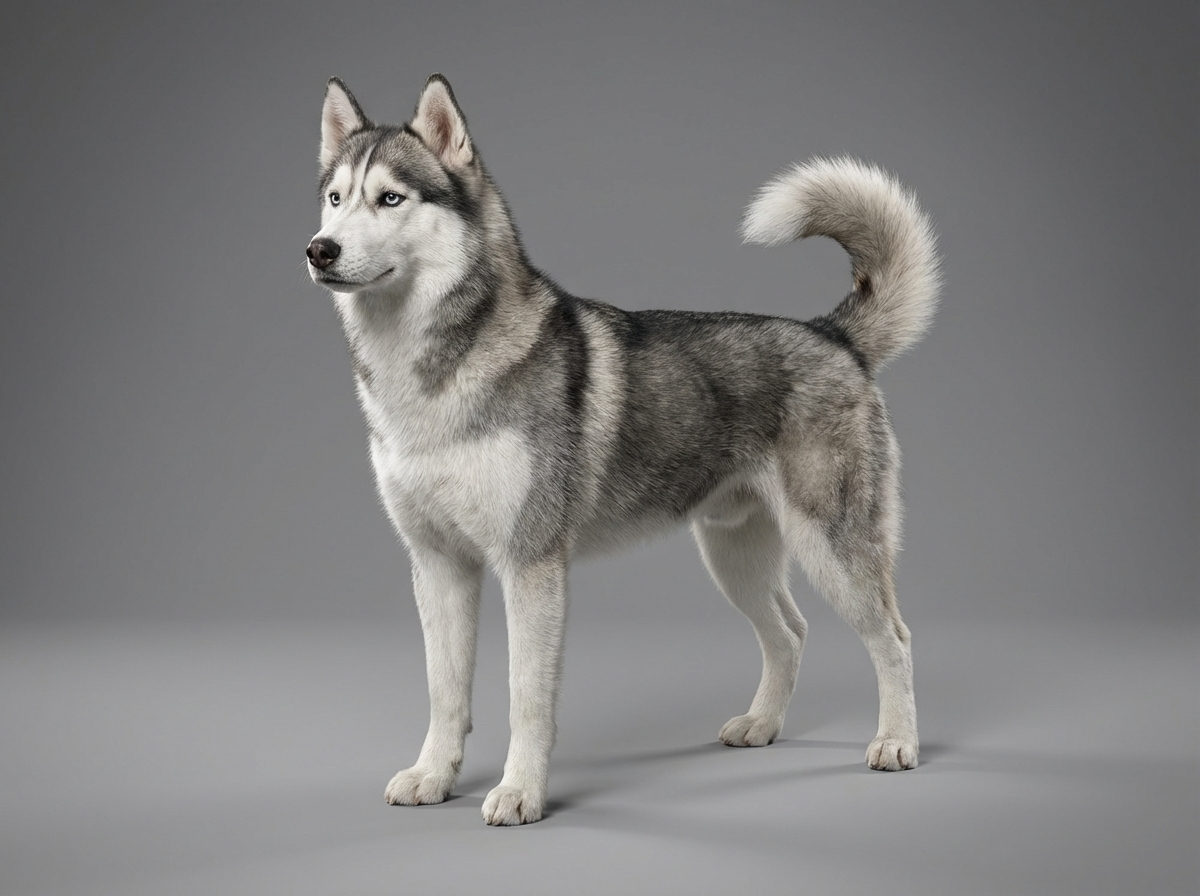
Siberian Husky intervertebral disc disease (IVDD) can cause significant pain and mobility issues for your dog. This condition occurs when the discs between the vertebrae in the spine degenerate or herniate, leading to nerve compression. Common signs include difficulty walking, reluctance to jump, and noticeable discomfort when moving.
Common triggers
- Age-related wear and tear on the spine
- Genetic predisposition
- Obesity, which adds pressure on the spine
- Injuries from rough play or falls
IVDD is a known issue in Siberian Huskies, particularly in older dogs. While not every Husky will face this problem, it's essential to be aware of the symptoms and take preventive measures.
Overcoming IVDD: Max's Journey
When Sarah adopted Max, her energetic Siberian Husky, she never expected him to develop intervertebral disc disease (IVDD). After noticing him limping and showing signs of pain, she took him to the vet. They started a treatment plan that included medication, rest, and gentle exercises. Sarah learned to adjust their daily walks and playtime to accommodate Max’s needs. Within a few months, Max regained much of his mobility and was able to enjoy his favorite activities again, though with some limitations.
Key takeaway: Patience and a tailored approach are essential when managing Siberian Husky intervertebral disc disease (IVDD). With the right care, your dog can still enjoy a fulfilling life.