Behavior
What are some quick tips for managing Siberian Husky heat sensitivity?
Provide plenty of water, avoid exercise during peak heat, and create a cool environment for your Husky. Always watch for signs of overheating.
Siberian Husky heat sensitivity can be a serious issue.
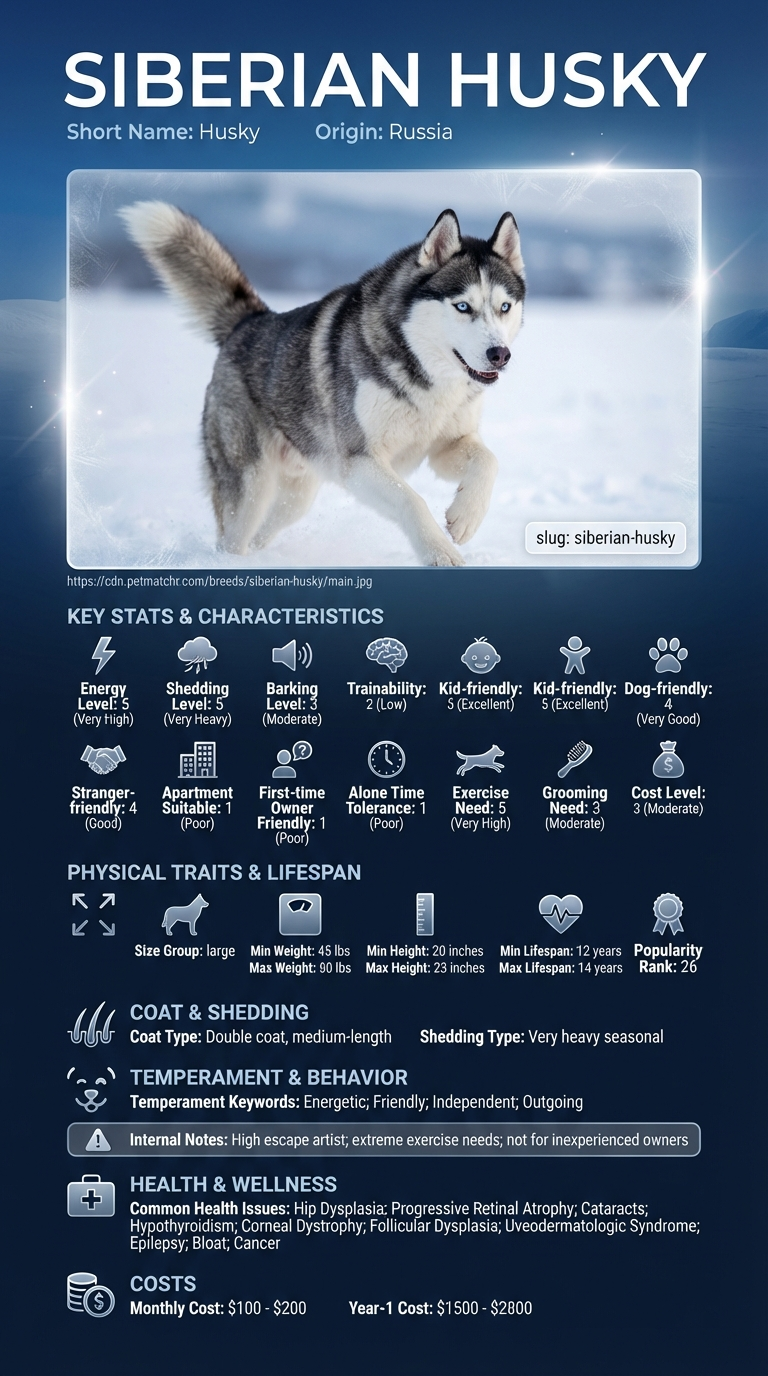
Owners of Huskies, especially those living in warmer climates or with active lifestyles, often face challenges. First-time dog owners may find it particularly difficult to recognize and manage this condition.
This guide is not medical advice. If your dog shows pain, sudden behavior change, or worsening symptoms, consult a licensed veterinarian.
Some links may be affiliate links. We may earn a commission at no extra cost to you. We only suggest products we believe are helpful for dog owners.
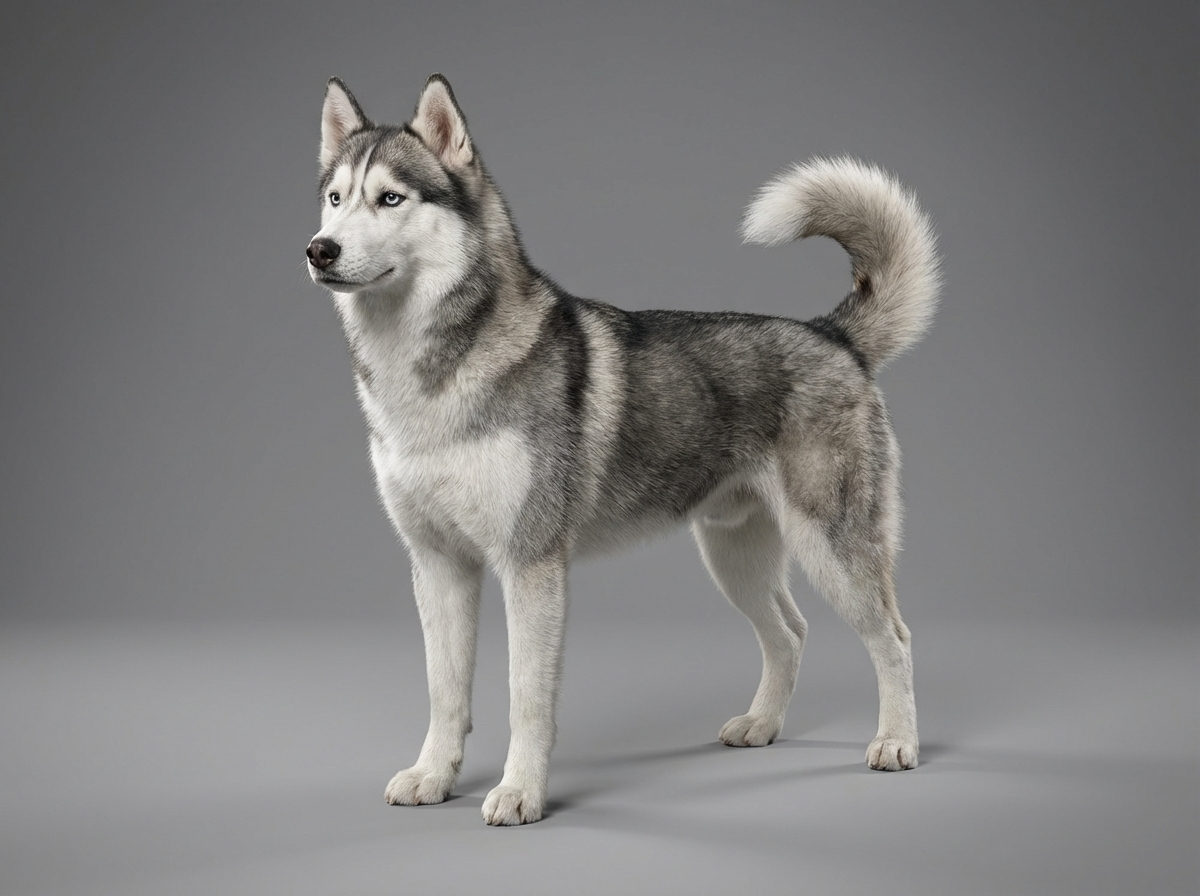
Siberian Huskies are known for their beautiful double coats, but this feature can make them quite sensitive to heat. Day-to-day, you might notice your Husky panting heavily, seeking shade, or refusing to play outside when temperatures rise. This behavior indicates that they are struggling to regulate their body temperature, which can lead to serious health issues like heatstroke.
Heat sensitivity is relatively common in Siberian Huskies due to their origin in colder climates. Many owners report noticing this issue, especially during summer months or warm weather conditions.
Siberian Huskies are bred for cold climates and have a double coat that helps insulate them against the cold. This coat can make them more sensitive to heat, leading to overheating and heat-related issues. Their high energy levels often drive them to play and exercise outside, which can exacerbate their heat sensitivity.
The temperature and humidity of your environment play a significant role in your Husky's heat sensitivity. Hot, humid weather can quickly lead to overheating, especially if they are active. Additionally, inadequate shade and water can increase the risk of heat stress.
If your Husky struggles with heat sensitivity despite following home strategies, consider consulting a trainer. They can help you develop a plan to acclimate your dog to warmer temperatures through gradual exposure and training techniques.
If your Husky shows persistent signs of heat sensitivity or has had a heat-related incident, consult your vet. They can check for underlying health issues and offer tailored advice to keep your pet safe in warmer weather.
Improving your Siberian Husky's heat sensitivity can take several weeks to a few months. Consistent training and management are key.
Successful management means your Husky can enjoy outdoor activities without showing signs of overheating, like excessive panting or lethargy.
Here are common mistakes that can worsen your Siberian Husky's heat sensitivity and some safer alternatives to consider.
Recognizing when your Siberian Husky's heat sensitivity becomes an emergency is crucial. Certain signs warrant immediate veterinary attention, while mild cases may just require monitoring. If your Husky shows signs like excessive panting, drooling, vomiting, or lethargy, it's time to call your vet right away. These symptoms can indicate heat exhaustion or heatstroke, which can be life-threatening.
Other red flags include a rapid heartbeat, disorientation, or seizures. If your dog collapses or loses consciousness, you must seek emergency care immediately. These conditions can escalate quickly and require professional intervention to prevent serious health issues.
On the other hand, if your Husky is simply panting heavily after play or during a hot day but not exhibiting severe symptoms, you can monitor the situation at home. Ensure they have access to fresh water and a cool area to rest. Keep an eye on their behavior and temperature. If they improve with rest and hydration, you may not need to panic. However, always err on the side of caution and consult your vet if you're unsure.
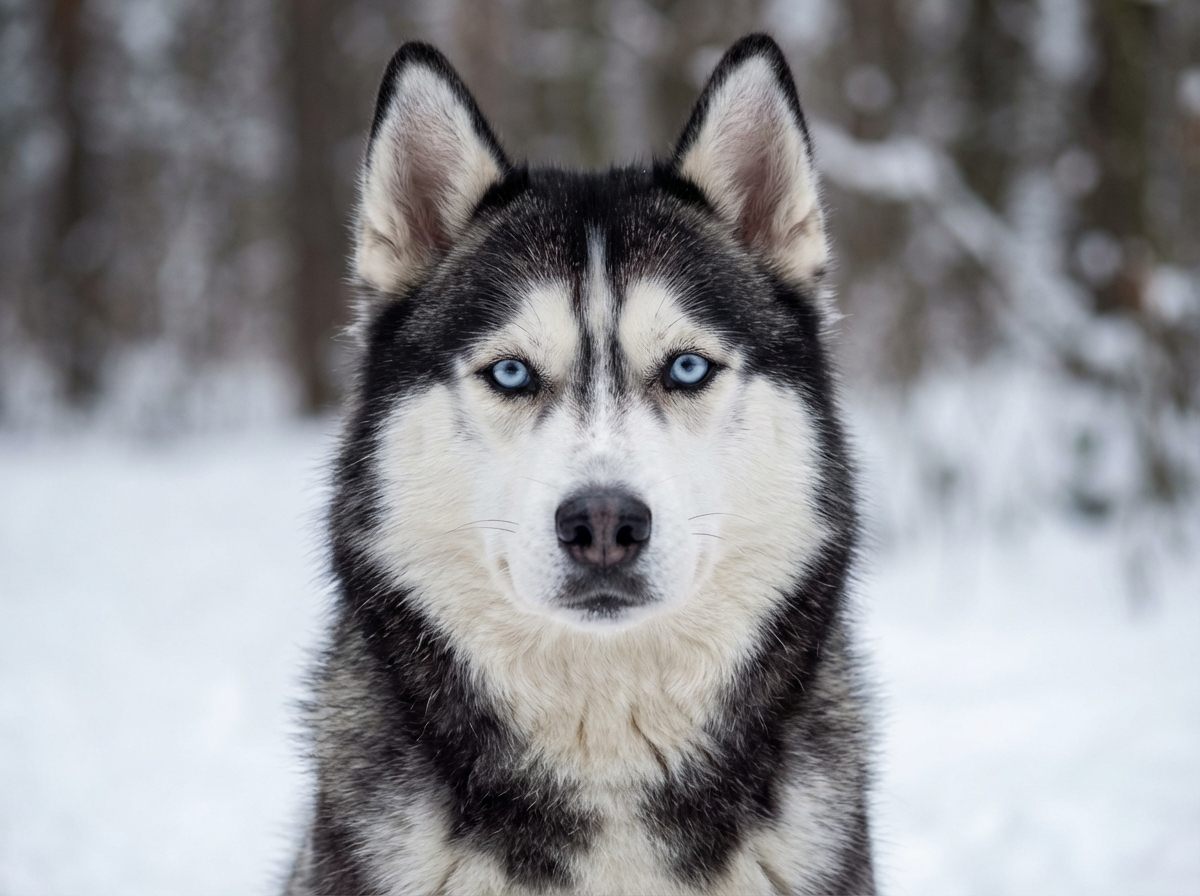
Jessica, a busy nurse from Phoenix, faced a challenge with her Siberian Husky, Max. During the scorching summer months, he would become lethargic and refuse to go outside, making walks a struggle. After consulting with a vet and researching Siberian Husky heat sensitivity, she learned to adjust their routine. She started walking him early in the morning and provided plenty of water and shade during the day. With time, Max adapted to the changes, and they enjoyed their summer adventures together without worry.
Key takeaway: Understanding your dog's needs and adjusting their environment can significantly improve their quality of life, especially for breeds like the Siberian Husky that are sensitive to heat.
Siberian Huskies are bred for cold climates, which means they can struggle in hot weather. Their thick double coat insulates them against the heat, making them more prone to overheating. It's essential to monitor their behavior in warm temperatures and take precautions. This answer relates to Siberian Husky heat sensitivity.
To help your Husky manage heat sensitivity, provide plenty of shade and fresh water when they're outside. Limit exercise during the hottest parts of the day and consider using cooling mats or bandanas. Always monitor them for signs of heat exhaustion, such as excessive panting or lethargy.
Signs of heatstroke include excessive panting, drooling, weakness, rapid heartbeat, and even collapse. If you notice any of these symptoms, move your Husky to a cooler place, offer water, and seek veterinary help immediately. Prevention is key, so be proactive on hot days.
While training won't change their physical tolerance to heat, it can help your Husky understand when to take breaks and relax in a cool area. Training them to respond to heat cues and commands can make outdoor time safer. Consistent training is essential for their overall well-being.
Always ensure your Husky has access to shade and fresh water. Avoid walks during peak heat hours and consider investing in cooling products like vests or mats. Keep an eye on their behavior and adjust their outdoor activities based on temperature.
Grooming is important but choose the right time. Regular brushing helps remove loose fur, which can aid in ventilation. However, avoid shaving their coat, as it protects them from the heat.
Common signs of heat sensitivity in Siberian Huskies include excessive panting, drooling, lethargy, and difficulty breathing. If you notice these symptoms, it's crucial to move your Husky to a cooler area and provide water immediately.
Older Huskies may struggle more with heat sensitivity due to reduced stamina. It's essential to keep their environment cool, limit outdoor activities during hot weather, and ensure they have plenty of fresh water available at all times.
Siberian Huskies are bred for cold climates, which makes them more susceptible to heat. Their double coat traps heat, and they may not cool down as effectively as other breeds, so it's vital to monitor them closely in warm weather.
If you suspect heatstroke, act quickly. Move your Husky to a cool area, wet their fur with cool (not cold) water, and offer them water. Seek veterinary attention immediately, as heatstroke can be life-threatening.
Training your Siberian Husky to recognize when they need to cool down can help. Use commands like 'cool down' and reward them for seeking shade or water. Consistent practice during regular walks or playtime can reinforce this behavior.
Provide plenty of water, avoid exercise during peak heat, and create a cool environment for your Husky. Always watch for signs of overheating.
Look for excessive panting, drooling, or signs of lethargy. If they seem disoriented or weak, get them to a cooler area immediately.
Move them to a cooler place, offer water, and apply cool cloths to their body. Seek veterinary care right away if symptoms persist.
Yes, teaching your Husky to recognize heat cues and take breaks can help them manage their sensitivity better. Consistent training is essential.