Behavior
What are quick tips for managing Siberian Husky obesity?
Focus on portion control, regular exercise, and a high-quality diet. Regular vet check-ups can also help monitor their progress.

Quick answer
What are quick tips for managing Siberian Husky obesity?
Focus on portion control, regular exercise, and a high-quality diet. Regular vet check-ups can also help monitor their progress.
The Siberian Husky is genetically predisposed to obesity, making it crucial for owners to be proactive about their health.
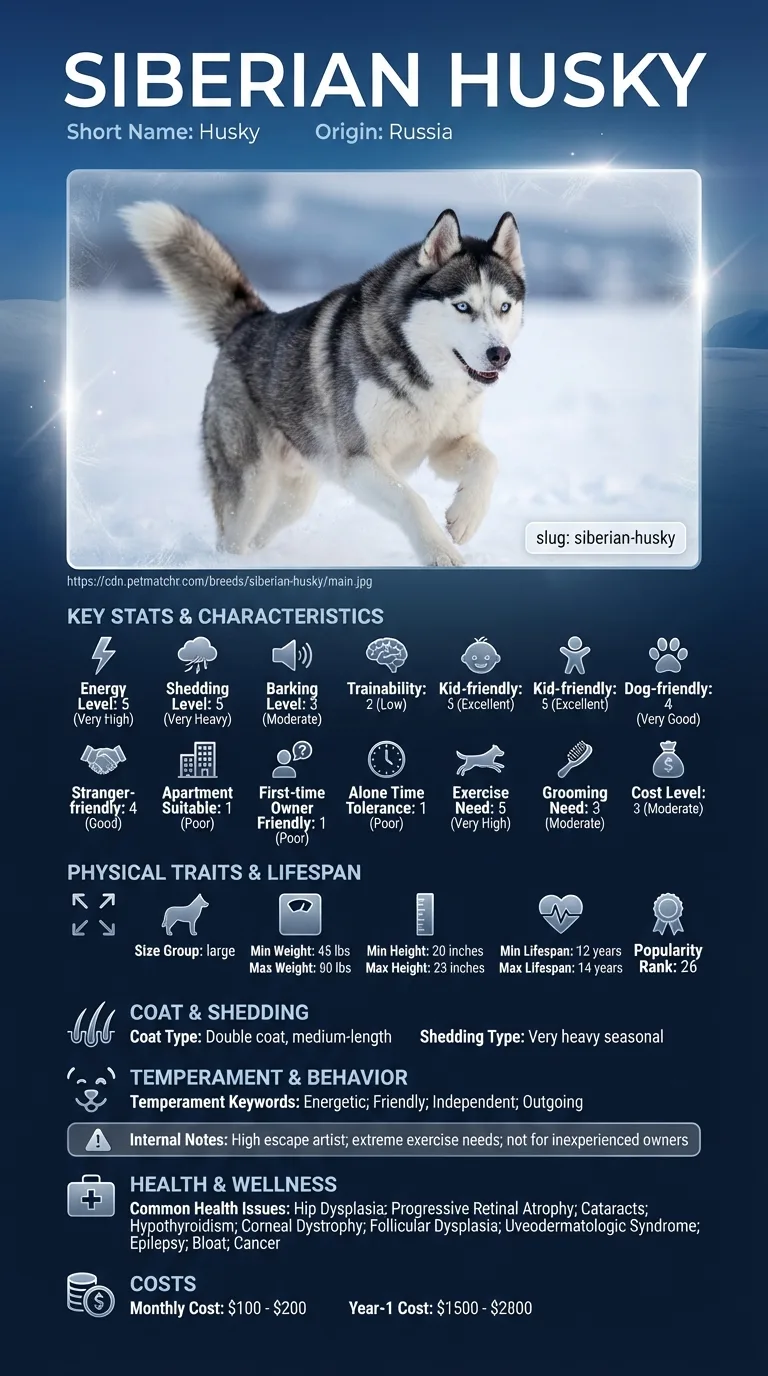
Many Husky owners, especially first-time dog parents, find it challenging to monitor their dog's weight and energy levels. Busy lifestyles can also make it tough to provide the necessary exercise and dietary control.
This guide is not medical advice. If your dog shows pain, sudden behavior change, or worsening symptoms, consult a licensed veterinarian.
Some links may be affiliate links. We may earn a commission at no extra cost to you. We only suggest products we believe are helpful for dog owners.
We research and check what we publish, but we do not warrant that any figure, date, price, or statement is accurate, complete, or current, and we accept no liability for any loss, cost, injury, or other harm arising from the use of this site. Use it as one reference among several. You remain responsible for your own decisions and for your dog's care - confirm anything that matters with a licensed veterinarian or another qualified professional before you act on it. Full disclaimer.
Check this first
Understanding when your Siberian Husky's genetic predisposition to obesity is an emergency can save their life. If you see sudden weight gain, signs of lethargy, or difficulty breathing, these are red flags that require immediate veterinary attention. Additionally, if your dog experiences vomiting, diarrhea, or unusual behavior, don’t hesitate to call your vet right away.
If any of these apply, call your vet or an emergency clinic now. The rest of this page is for the cases that are not an emergency.
The Siberian Husky has a genetic predisposition to obesity due to a mutation in the POMC gene. This condition can lead to increased appetite and weight gain if not managed properly. Owners may notice their Husky becoming less active, which can further contribute to weight issues.
Obesity is a common issue among Siberian Huskies, especially in less active households. Many owners report struggles with weight management due to their dog's love for food and tendency to be less active indoors.
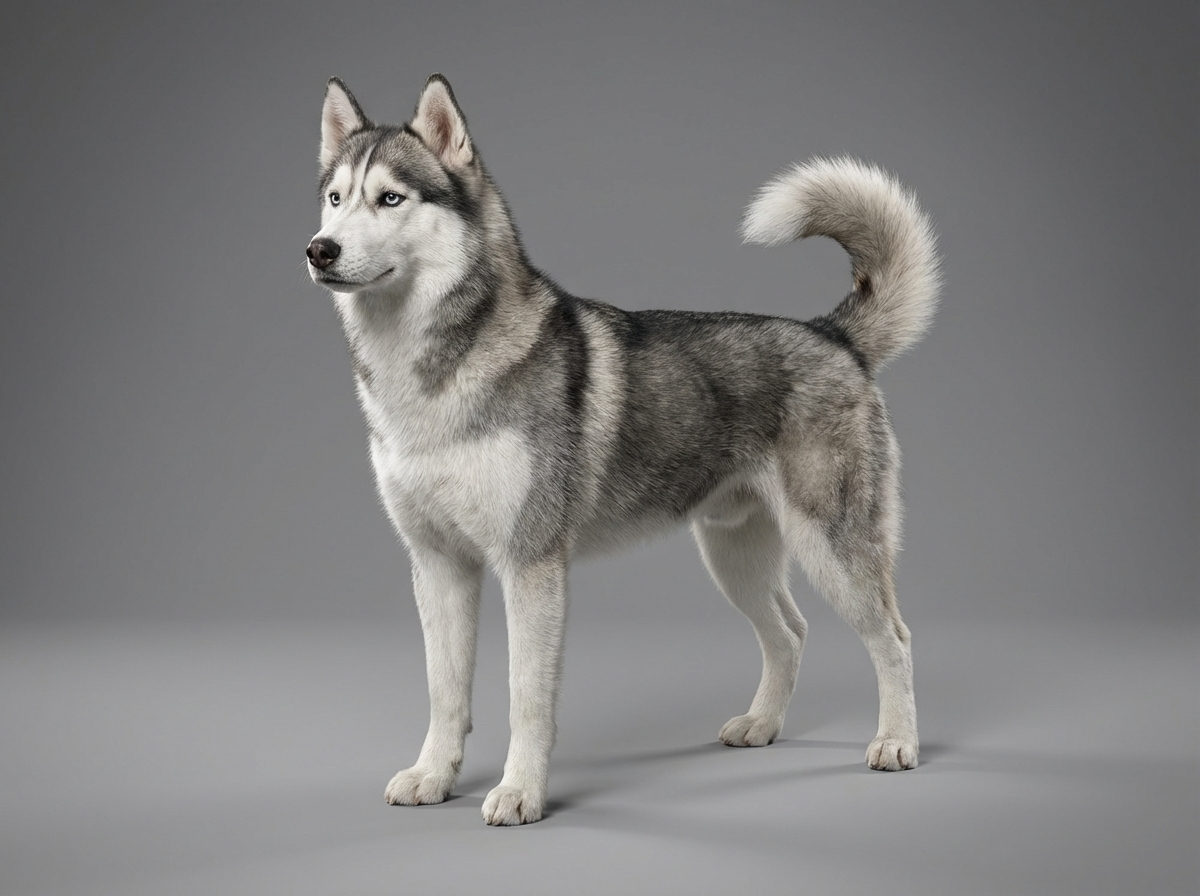
Siberian Huskies have a genetic predisposition to obesity due to a mutation in the POMC gene, which can lead to increased appetite. This breed is also known for their high energy levels, making it essential to balance their diet and exercise. If they aren’t active enough, they can easily gain weight.
Environmental factors play a significant role in a Husky's weight. Overfeeding, lack of exercise, and an inactive lifestyle can contribute to obesity. Additionally, living in a small space without enough room for physical activity can exacerbate weight issues.
If your Husky shows signs of rapid weight gain or health issues, consult your vet. They can provide advice on diet adjustments and rule out underlying health problems related to obesity.
Avoiding these common mistakes can help manage your Siberian Husky's genetic predisposition to obesity more effectively.
Start here: Siberian Husky Most Common Genetic Disorders: Screening
See all Siberian Husky health problems, which breeds are prone to genetic predisposition to obesity, or the full Siberian Husky breed guide for temperament, exercise needs and ownership costs.
Within 3 to 6 months, you should start seeing improvements in your Husky's weight and behavior with consistent effort.
Success means your Siberian Husky maintains a healthy weight, shows increased energy, and enjoys regular exercise without excessive hunger or begging.
In less urgent situations, you can monitor your Husky's weight and behavior. If they're gaining weight gradually, seem active, and their appetite is normal, a watchful approach is appropriate. Create a plan focusing on diet and exercise adjustments, and track their progress over time.

Maya, a first-time dog owner in Seattle, found herself struggling with her Husky, Finn, who seemed to have an insatiable appetite. After a vet visit confirmed that Finn had a genetic predisposition to obesity, she felt overwhelmed. Determined to help him, Maya worked on a structured feeding schedule, increased their daily walks, and even enrolled Finn in an obedience class to keep him mentally stimulated. Over several months, Finn lost weight and became much more energetic, which made both of them happier.
Key takeaway: With patience and a solid plan, even a Husky with a genetic predisposition to obesity can thrive and lead a healthy life.
The Siberian Husky can have a genetic predisposition to obesity due to a mutation in the POMC gene. This mutation can lead to an increased appetite, making it essential for owners to monitor their dog's diet and exercise closely. This answer relates to Siberian Husky genetic predisposition to obesity.
To manage your Husky's weight, focus on a balanced diet appropriate for their age and energy level. Regular exercise, at least one hour daily, is crucial to help keep their weight in check.
Training methods like positive reinforcement can encourage healthy behaviors. Incorporating fun activities such as agility training or fetch can also stimulate both their mind and body, helping to prevent obesity.
Choose high-quality dog food formulated for large breeds with appropriate calorie content. Avoid overfeeding and consider adding vegetables to their meals for bulk without extra calories.
Check for a noticeable waist when viewed from above and ensure you can feel their ribs without excessive pressure. If they have difficulty exercising or exhibit lethargy, it may indicate they are overweight.
Regular vet visits every six months can help monitor your Husky's weight and overall health. Your vet can provide tailored advice based on their specific needs.
While you cannot change their genetics, you can manage their weight through diet and exercise. Consistent effort in these areas can help maintain a healthy weight and improve their overall wellbeing.
Look for signs like difficulty in exercising, a noticeable increase in weight, and a lack of energy. You may also notice a loss of definition in their waist and a thicker appearance around their stomach.
Start by adjusting their diet with lower-calorie food and controlling portion sizes. Incorporate more exercise into their daily routine, like longer walks or playtime, but consult your vet for a tailored plan.
Obesity can be influenced by both genetics and environment. While the POMC gene mutation may play a role, factors such as diet and exercise are crucial in managing your Husky's weight.
If you notice significant weight gain or if they seem lethargic and are less active than usual, it's time to see a vet. Regular check-ups can help monitor their weight and overall health.
Yes! Engaging your Siberian Husky in regular training and exercise can help manage their weight. Focus on training methods that combine mental stimulation with physical activity to keep them active and engaged.
Focus on portion control, regular exercise, and a high-quality diet. Regular vet check-ups can also help monitor their progress.
Siberian Huskies typically need at least one hour of exercise daily to stay healthy and prevent weight gain.
Avoid high-calorie treats and human food that can contribute to weight gain. Stick to dog-safe snacks in moderation.
Yes, many Siberian Huskies are affected by this genetic predisposition, making weight management a common challenge for owners.
A one-page prep sheet for this condition: the signs, the questions to ask, what to get priced. Unlocks here.
You get: Vet visit prep sheet
No spam. One-click unsubscribe. See our privacy policy.
Preview page 1 before you decide.