Behavior
What are quick tips for preventing Siberian Husky gastric dilatation-volvulus (gdv/bloat)?
To prevent gdv/bloat, feed smaller meals, use slow feeder bowls, and avoid vigorous exercise post-meal.
Siberian Husky gastric dilatation-volvulus (GDV/bloat) is a serious and potentially life-threatening condition. It can cause your dog severe discomfort and requires immediate attention.
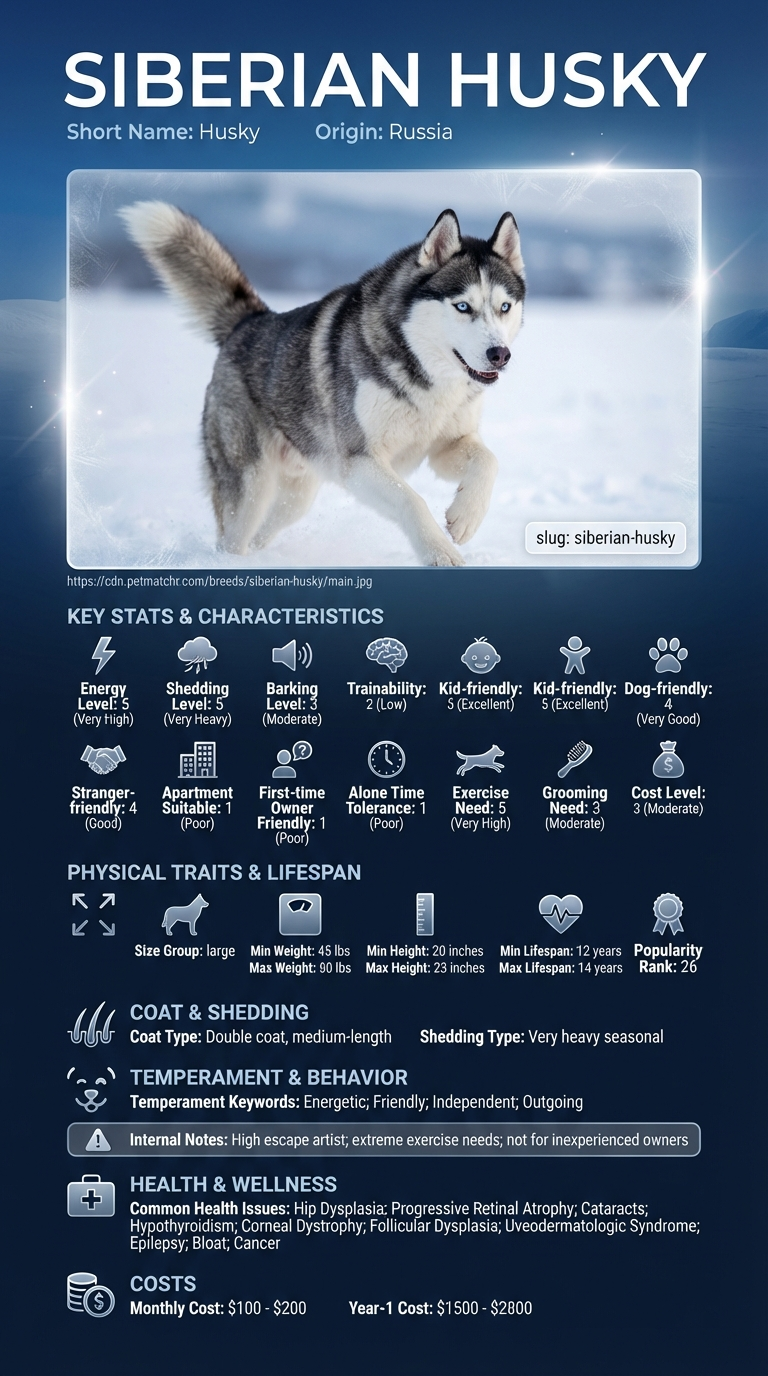
Many dog owners, especially those with first-time Huskies, struggle to identify GDV symptoms and may not know how to respond. Busy families or individuals who can't always monitor their dog's eating habits can find it particularly challenging.
This guide is not medical advice. If your dog shows pain, sudden behavior change, or worsening symptoms, consult a licensed veterinarian.
Some links may be affiliate links. We may earn a commission at no extra cost to you. We only suggest products we believe are helpful for dog owners.
Siberian Husky gastric dilatation-volvulus (gdv/bloat) is a serious condition where the stomach fills with gas and twists. This can cause severe pain and even be life-threatening. Common signs include a distended abdomen, retching without producing vomit, and restlessness. If not treated quickly, it can lead to shock or death.
Bloat is particularly concerning in large breeds like the Siberian Husky, though it's still relatively rare. It's estimated that around 1 in 200 dogs may experience this condition, but it can be more common in certain bloodlines.
Siberian Huskies are prone to gastric dilatation-volvulus (GDV) due to their deep-chested build. This breed's independent nature can also lead them to eat quickly, increasing the risk of bloat. Additionally, they may have a genetic predisposition to this life-threatening condition.
GDV can be triggered by environmental factors such as stress, sudden changes in routine, or strenuous exercise right after eating. Feeding habits, like giving large meals or dry kibble, can also play a role. If Huskies are eating in a chaotic environment, it might contribute to their anxiety and the risk of bloat.
If your Siberian Husky continues to show signs of anxiety around feeding times or during meals, a professional trainer can help. They can teach your dog to feel more relaxed and develop a consistent routine that reduces anxiety.
If you notice your Husky exhibiting signs of bloat, such as a swollen abdomen, restlessness, or attempts to vomit without success, contact your vet immediately. Since GDV is a life-threatening condition, quick action is crucial.
Managing GDV/bloat in a Siberian Husky typically involves immediate veterinary attention. After initial treatment, you should see noticeable improvement within days, but ongoing management and dietary adjustments may take several weeks to establish.
Success means your Husky is able to eat without discomfort, shows a healthy appetite, and no longer exhibits signs of bloating or distress. Regular check-ups and a tailored feeding routine can help maintain their health.
Avoiding certain behaviors can help manage Siberian Husky gastric dilatation-volvulus (GDV/bloat) more effectively. Here are common mistakes to watch out for and safer alternatives.
Gastric dilatation-volvulus (GDV), commonly known as bloat, is a serious condition that can affect your Siberian Husky. It's crucial to recognize when this situation demands immediate veterinary attention versus when it can be monitored at home. If your Husky shows signs of severe distress, such as unproductive retching, a distended abdomen, or signs of shock like weakness or rapid breathing, call your vet immediately. These symptoms indicate that your dog's life may be in danger.
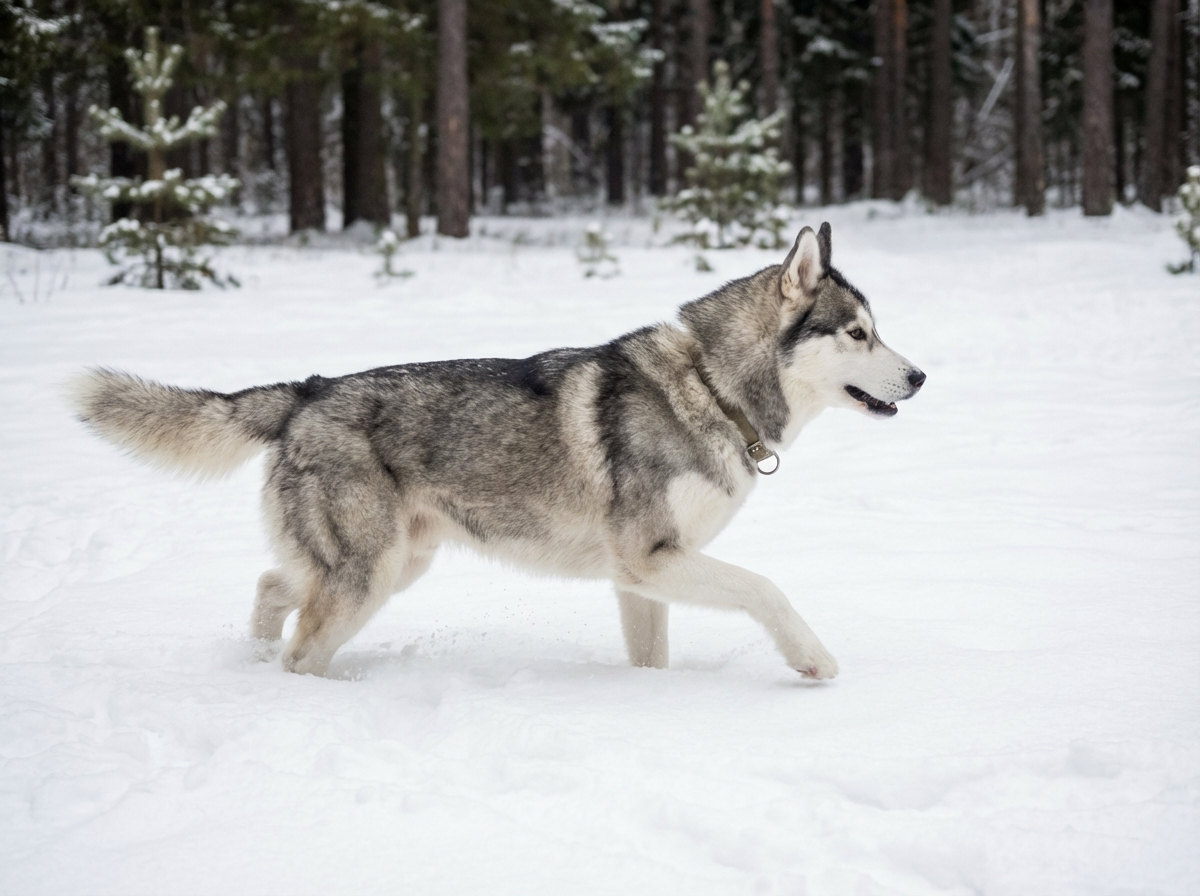
If your Siberian Husky is experiencing mild symptoms, such as slight discomfort or a less severe bloated abdomen, you may choose to monitor them closely at home. Keep an eye on their behavior, appetite, and bathroom habits. If these symptoms do not worsen over a few hours, you can continue to observe your dog but remain alert for any changes. Always have a plan in place to contact your vet if the situation escalates.
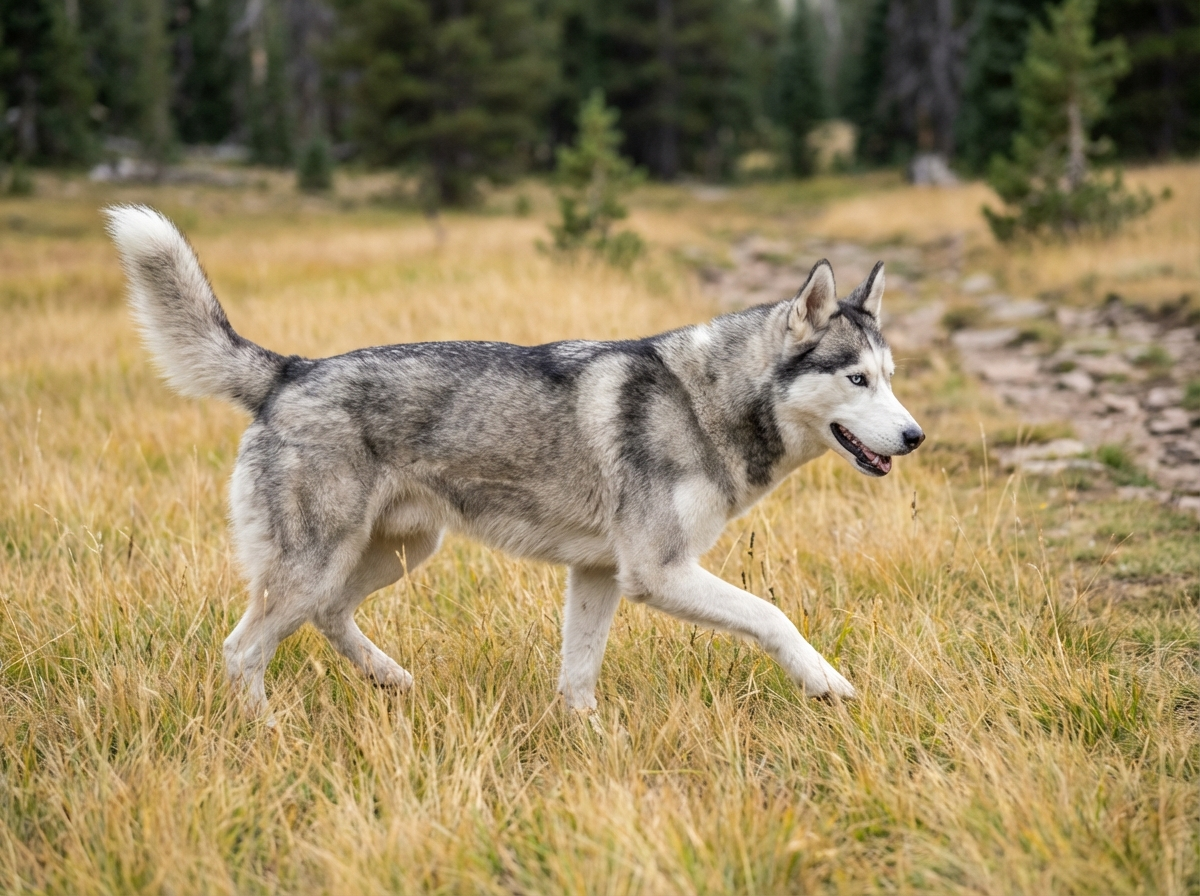
Sarah, a busy nurse, adopted Max, her energetic Siberian Husky, without knowing much about the breed's health risks. One evening, after noticing his bloating and restlessness, she rushed him to the vet. After treatment for GDV, Sarah learned to adjust Max's feeding schedule and switched his diet to smaller, more frequent meals. With patience and vet guidance, Max returned to his playful self, allowing Sarah to breathe easy again.
Key takeaway: Understanding the risks of GDV in Siberian Huskies and being proactive with their diet can prevent serious health issues and lead to happier, healthier pets.
Siberian Huskies can develop gastric dilatation-volvulus (gdv/bloat) due to a combination of factors, including rapid eating, stress, and genetics. This condition causes the stomach to fill with gas and twist, which can obstruct blood flow. It's crucial to monitor your Husky’s eating habits and consult a vet if you notice signs of distress. This answer relates to Siberian Husky gastric dilatation-volvulus (gdv/bloat).
To help prevent gastric dilatation-volvulus (gdv/bloat) in your Siberian Husky, feed smaller meals multiple times a day instead of one large meal. Using a slow feeder bowl can also reduce eating speed. Additionally, avoid vigorous exercise right after meals.
Signs of gdv/bloat include a distended abdomen, retching without vomiting, excessive drooling, and signs of discomfort such as pacing or whining. If you notice these symptoms, seek emergency veterinary care immediately.
If you suspect that your Siberian Husky has gastric dilatation-volvulus (gdv/bloat), take them to an emergency vet right away. Time is critical, as this condition can be fatal without immediate treatment. Do not attempt to treat it at home.
While training alone cannot prevent gastric dilatation-volvulus (gdv/bloat), teaching your Husky to eat slowly and calmly can help. Incorporating commands that promote patience during mealtime can be effective.
Common signs include a swollen abdomen, unproductive vomiting, restlessness, and rapid breathing. If your Husky appears distressed or tries to vomit without success, it’s crucial to seek veterinary help immediately.
Yes, older Siberian Huskies may be at a higher risk for GDV/bloat due to age-related changes in their digestive systems. Regular check-ups with a vet are essential to monitor their health and catch any potential issues early.
To help prevent GDV/bloat, feed your Husky smaller, more frequent meals rather than one large meal. Avoid vigorous exercise right after eating, and consider feeding them from a raised bowl if recommended by your vet.
There is evidence to suggest that GDV/bloat may have a genetic component. If you have a Husky with a family history of this condition, it's essential to discuss preventive measures with your veterinarian.
If you suspect GDV/bloat, take your Husky to the vet immediately. This condition is life-threatening and requires urgent treatment to prevent severe complications or death.
To prevent gdv/bloat, feed smaller meals, use slow feeder bowls, and avoid vigorous exercise post-meal.
Feed your Siberian Husky two to three smaller meals each day rather than one large meal.
Treatment for gdv/bloat can range from $1,500 to $3,000 depending on the severity and required procedures.
Yes, while it can affect any breed, gastric dilatation-volvulus (gdv/bloat) is a concern for larger breeds like Siberian Huskies.