Health
How can I help my Husky with cddy?
Regular vet visits and a balanced diet can help manage Siberian Husky chondrodystrophy (cddy). Consider joint supplements for added support.

Quick answer
How can I help my Husky with cddy?
Regular vet visits and a balanced diet can help manage Siberian Husky chondrodystrophy (cddy). Consider joint supplements for added support.
Siberian Husky chondrodystrophy (cddy) is a developmental disorder affecting bone growth. It can lead to significant health challenges for your pet.
Typically, owners of Siberian Huskies, especially first-time pet parents, face the difficulties of managing cddy. Those who may not be familiar with this breed's specific health issues may find themselves overwhelmed by the condition's implications on their dog's everyday activities.
This guide is not medical advice. If your dog shows pain, sudden behavior change, or worsening symptoms, consult a licensed veterinarian.
Some links may be affiliate links. We may earn a commission at no extra cost to you. We only suggest products we believe are helpful for dog owners.
We research and check what we publish, but we do not warrant that any figure, date, price, or statement is accurate, complete, or current, and we accept no liability for any loss, cost, injury, or other harm arising from the use of this site. Use it as one reference among several. You remain responsible for your own decisions and for your dog's care - confirm anything that matters with a licensed veterinarian or another qualified professional before you act on it. Full disclaimer.
Check this first
Emergency signs include severe pain, inability to stand or walk, or noticeable swelling in the limbs. If your Husky shows any of these symptoms, it’s critical to seek veterinary assistance right away. Additionally, if your dog is experiencing difficulty breathing or has a sudden change in behavior, those are also red flags that warrant immediate action.
On the other hand, mild cases of cddy may involve minor limping or occasional stiffness. These can often be monitored from home with a plan that includes gentle exercise and weight management. If your Husky is still able to move around comfortably and isn't showing signs of distress, you can often keep an eye on the issue before seeking treatment.
It's essential to create a monitoring plan for your dog if they are displaying mild symptoms. Regular check-ins on their activity levels and comfort can help you gauge whether the situation is improving or worsening. Always trust your instincts; if something feels off, it’s better to consult with your vet sooner rather than later.
If any of these apply, call your vet or an emergency clinic now. The rest of this page is for the cases that are not an emergency.
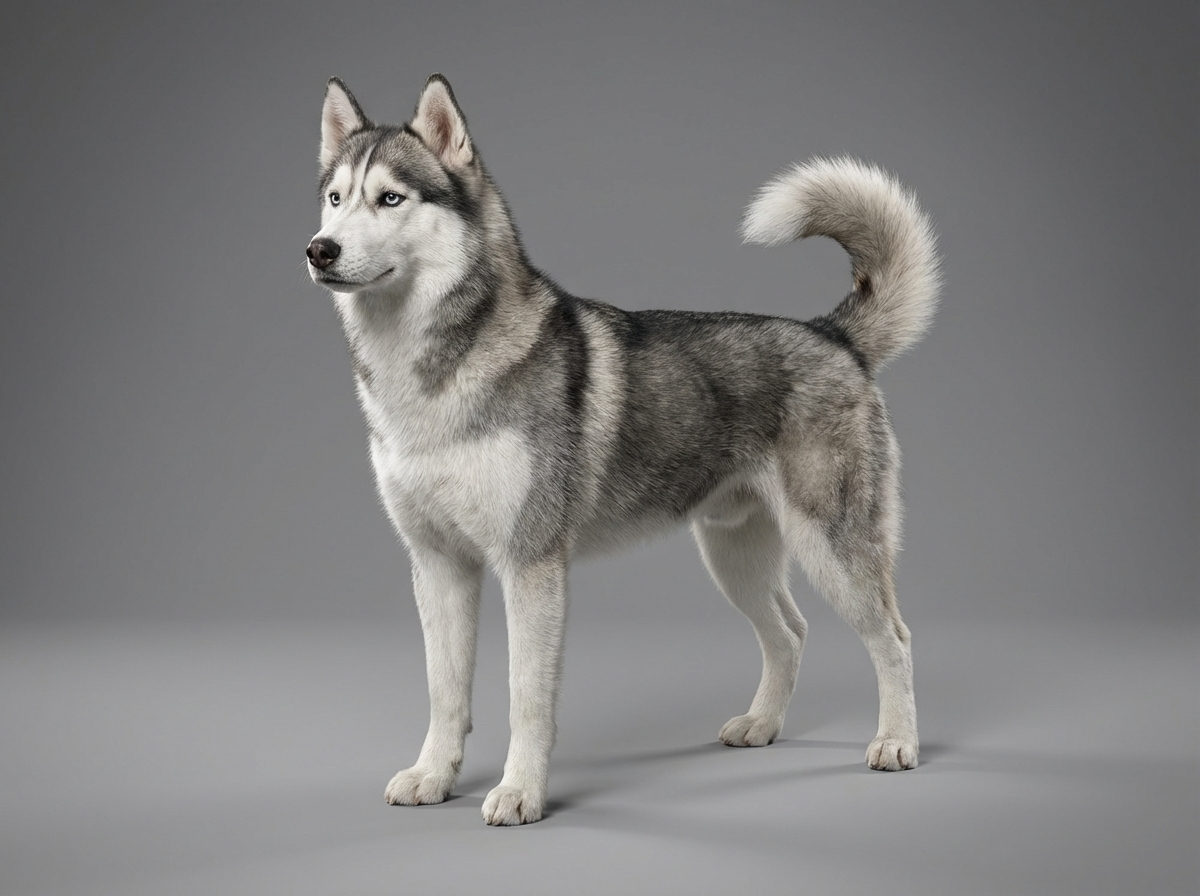
Siberian Husky chondrodystrophy (cddy) is a developmental disorder that affects bone growth in this breed. Owners may notice their Husky struggling with mobility, particularly in the front limbs. This can lead to a range of issues, including discomfort and difficulty participating in their favorite activities, like running or playing.
Chondrodystrophy is a recognized issue among Siberian Huskies, but it varies in severity. Some dogs may experience mild symptoms, while others could face significant challenges. Overall, this condition is not extremely common but does occur enough to be a concern for prospective Husky owners.
Siberian Husky chondrodystrophy (cddy) is a genetic condition that affects bone development. It often leads to shorter limbs and can cause pain or movement issues. This breed is predisposed to such hereditary disorders, making it crucial for owners to be aware of their genetic background.
Environmental factors can also play a role in exacerbating cddy symptoms. Poor nutrition during growth phases can impact bone health. Additionally, lack of proper exercise may lead to weight gain, putting extra strain on the already vulnerable bones.
Consult your vet if you notice any changes in your Husky's mobility or if they seem to be in pain. Your vet can assess their condition and suggest appropriate treatments or therapies.
Addressing Siberian Husky chondrodystrophy (cddy) can be challenging. Many owners inadvertently make mistakes that worsen the condition or delay their dog's improvement. Here are some common pitfalls to avoid.
Start here: Siberian Husky Most Common Genetic Disorders: Screening
See all Siberian Husky health problems, which breeds are prone to chondrodystrophy cddy, or the full Siberian Husky breed guide for temperament, exercise needs and ownership costs.
You can expect to see improvements in your Siberian Husky's condition within 3 to 6 months of consistent care and management.
Success means your dog will experience reduced discomfort, improved mobility, and a better quality of life with regular vet check-ups and a tailored exercise plan.
When Sarah adopted Riley, her Siberian Husky, she quickly noticed he struggled to keep up during playtime. After a vet visit, she learned that Riley had chondrodystrophy (cddy), a developmental disorder affecting his bones. Determined to help, Sarah worked closely with a veterinarian to create a specialized exercise plan that included gentle walks and low-impact activities. Over time, Riley's mobility improved, and he became more active and playful. Sarah even enrolled him in a training class focused on building his confidence, which helped him feel more comfortable around other dogs.
Key takeaway: With patience and the right support, managing Siberian Husky chondrodystrophy (cddy) is possible, leading to a happier, healthier pup.
Siberian Husky chondrodystrophy (cddy) is a developmental disorder that affects bone growth in this breed. It can lead to skeletal deformities and mobility issues. Understanding this condition early can help in managing symptoms effectively.
Managing Siberian Husky chondrodystrophy (cddy) involves regular vet check-ups and possibly physical therapy. Maintaining a healthy weight and providing joint supplements may also help alleviate discomfort.
Training a Siberian Husky with chondrodystrophy (cddy) should focus on positive reinforcement techniques. Short, gentle training sessions are best, as excessive strain can worsen their condition. Consulting a professional dog trainer may be beneficial.
Yes, gentle exercises like leash walks and swimming can be beneficial for Huskies with chondrodystrophy (cddy). Avoid high-impact activities that may strain their joints. Always consult your vet before starting any new exercise routine.
Signs of Siberian Husky chondrodystrophy (cddy) include limping, difficulty in movement, and visible skeletal deformities. If you notice any of these, it's important to consult your veterinarian right away.
Signs of Siberian Husky chondrodystrophy (cddy) include abnormal bone growth, difficulty in movement, and pain in the joints. You might notice your Husky having trouble running or jumping as they typically would.
For older Huskies with chondrodystrophy (cddy), focus on gentle exercise and a supportive diet. Regular vet check-ups can help manage pain, and physical therapy may be beneficial for improving mobility.
If your Siberian Husky exhibits severe signs of pain, difficulty moving, or unusual behavior, it's time to see a vet. Early intervention can help manage symptoms and improve your dog's quality of life.
Currently, there is no known way to prevent Siberian Husky chondrodystrophy (cddy) since it is a genetic condition. Responsible breeding practices can help reduce the spread of this disorder in future generations.
A diet rich in omega-3 fatty acids and joint-supporting supplements can benefit Siberian Huskies with chondrodystrophy (cddy). Always consult your vet to create a tailored diet plan that meets your dog's needs.
Regular vet visits and a balanced diet can help manage Siberian Husky chondrodystrophy (cddy). Consider joint supplements for added support.
Avoid high-impact activities and excessive physical strain, as these can worsen the condition. Focus on low-impact exercises.
Yes, use positive reinforcement techniques with short training sessions to avoid stressing their joints. Training can improve their behavior.
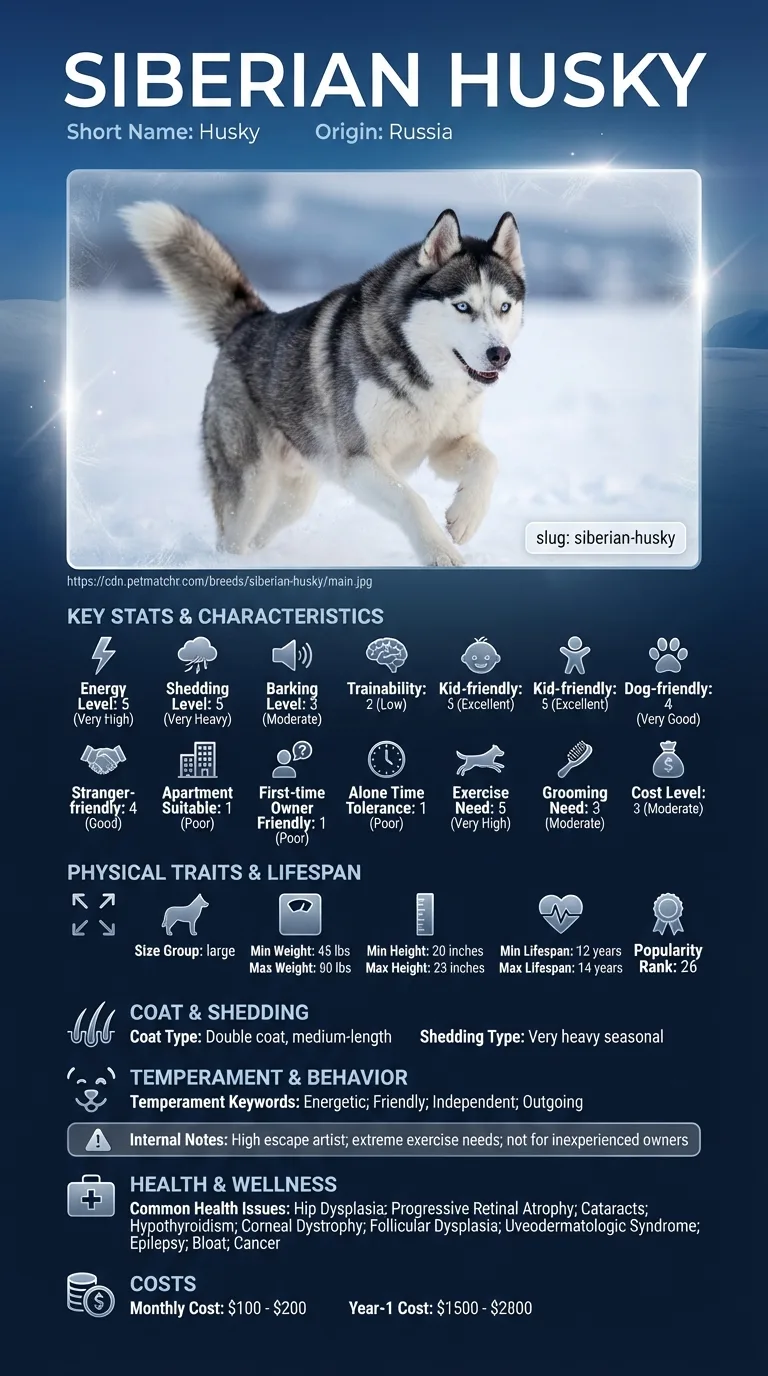
Expect to spend around $100 to $200 monthly on vet visits and supplements for managing Siberian Husky chondrodystrophy (cddy). Costs can vary depending on care needs.
A one-page prep sheet for this condition: the signs, the questions to ask, what to get priced. Unlocks here.
You get: Vet visit prep sheet
No spam. One-click unsubscribe. See our privacy policy.
Preview page 1 before you decide.