Behavior
What are quick tips for managing Shih Tzu progressive retinal atrophy (pra-rcd3)?
Ensure a consistent layout in your home and use verbal cues to guide your dog. Regular vet check-ups are crucial for monitoring their condition.
Shih Tzu progressive retinal atrophy (PRA-RCD3) is a serious condition that leads to vision loss in these beloved dogs.
This issue often impacts first-time dog owners or families who may not recognize the signs of vision loss. Busy pet parents in urban settings might find it challenging to adapt to their dog's changing needs, leading to confusion and concern.
This guide is not medical advice. If your dog shows pain, sudden behavior change, or worsening symptoms, consult a licensed veterinarian.
Some links may be affiliate links. We may earn a commission at no extra cost to you. We only suggest products we believe are helpful for dog owners.
Shih Tzu progressive retinal atrophy (pra-rcd3) is a genetic condition that leads to gradual vision loss. It often begins with decreased night vision and can progress to blindness. Owners may notice their Shih Tzu bumping into furniture or having difficulty navigating familiar spaces.
This issue is relatively common in Shih Tzus, especially as they age. Studies suggest that around 20% of Shih Tzus may develop some form of retinal disease, including pra-rcd3.
Shih Tzus are prone to certain genetic conditions, including Progressive Retinal Atrophy (PRA-rcd3). This inherited disorder can lead to gradual vision loss due to degeneration of the retina. Because of their breeding history, these dogs may be more susceptible to this eye condition.
Environmental factors can also play a role in the progression of PRA-rcd3. Poor lighting conditions, exposure to harsh elements, and lack of proper eye care can exacerbate vision problems. Ensuring a safe environment is crucial for managing their health.
If your Shih Tzu shows signs of anxiety or confusion due to vision loss, consider consulting a professional trainer. They can help develop strategies for managing your dog's behavior and improving their confidence.
If you notice rapid changes in your dog's vision or other health issues, it's time to talk to your vet. Early intervention can make a significant difference in managing Progressive Retinal Atrophy and keeping your Shih Tzu comfortable.
Managing Shih Tzu progressive retinal atrophy (pra-rcd3) is a gradual process. You may notice changes over several months, but consistent training and adjustments can lead to improvements in navigation and comfort within a year.
Success means your Shih Tzu can navigate familiar spaces with minimal assistance. They show confidence in their movement and adapt well to their changing vision.
Avoiding these common mistakes can help manage your Shih Tzu's progressive retinal atrophy (PRA-rcd3) more effectively.
Noticing changes in your Shih Tzu's vision can be alarming. It's important to distinguish between when to seek immediate help and when to monitor your dog at home. Here are some red-flag signs that indicate it's time to call your vet right away.
If your Shih Tzu suddenly shows signs of severe disorientation, such as bumping into furniture or getting lost in familiar spaces, this warrants immediate attention. Additionally, if you notice unusual eye behaviors, such as excessive squinting, pain, or a cloudy appearance, these are serious indicators. Any sudden changes in appetite or energy levels should also prompt a vet visit.
On the other hand, if your Shih Tzu is experiencing mild symptoms, such as less enthusiasm for play or occasional stumbling, it may be manageable at home. Watch for gradual changes in their behavior and maintain a routine check-in with your vet. Keeping a journal of any behavioral shifts can also help track progress.
In summary, while some signs of Shih Tzu progressive retinal atrophy (PRA-rcd3) can be monitored with caution, others clearly indicate an emergency. Always err on the side of caution and consult your veterinarian if you're unsure. Your furry friend's health is worth it!
When Jenna adopted her Shih Tzu, Max, she was excited to give him a loving home. However, after a few months, she noticed Max bumping into furniture and hesitating to go outside. A vet diagnosed him with progressive retinal atrophy (pra-rcd3). Determined to help him, Jenna researched training techniques and modified her home to have clear pathways and familiar landmarks. Over time, Max learned how to navigate his environment better, gaining confidence. With Jenna's patience and love, they both adjusted to this new chapter in their lives.
Key takeaway: Regular training and home modifications are essential for helping a dog with progressive retinal atrophy adapt to vision loss.
Shih Tzu progressive retinal atrophy (pra-rcd3) is a genetic condition that leads to gradual vision loss in your dog. It affects the retina, causing cells to deteriorate over time. This can result in difficulty seeing in low light and eventual blindness.
This condition is typically hereditary and is linked to specific genetic mutations. If your Shih Tzu has a family history of eye issues, they may be at a higher risk for developing PRA-rcd3. Regular vet check-ups can help monitor eye health.
While there is no cure for PRA-rcd3, you can support your Shih Tzu by creating a safe, familiar environment. Keep furniture in the same place and avoid sudden changes to help them navigate. Training them to respond to verbal cues can also be beneficial.
Unfortunately, there is no way to stop PRA-rcd3 as it’s a progressive condition. Genetic testing can identify carriers, allowing you to make informed breeding decisions if you're considering breeding. Maintaining regular vet visits for early detection is essential.
Signs include difficulty seeing in dim light, bumping into objects, and changes in behavior such as hesitance to navigate familiar areas. You may also notice them becoming more dependent on you for guidance. If you see these signs, consult your vet.
While no diet can cure PRA-rcd3, a balanced diet rich in antioxidants may support overall eye health. Foods containing vitamins A, C, and E can be beneficial. Always consult your vet for dietary recommendations tailored to your dog's needs.
Early signs of Shih Tzu progressive retinal atrophy (pra-rcd3) may include difficulty seeing in low light, bumping into objects, or reluctance to navigate new spaces. Owners might notice their Shih Tzu becoming hesitant in unfamiliar environments. It's essential to monitor these changes and consult a vet.
To help your Shih Tzu cope with progressive retinal atrophy (pra-rcd3), maintain a consistent environment and routine. Use verbal cues to guide them and avoid rearranging furniture often. Providing gentle training can also encourage confidence as they adapt to their vision changes.
You should take your Shih Tzu to the vet if you notice significant changes in their vision or behavior, such as increased anxiety or confusion. Regular check-ups are essential, especially if they exhibit any early signs of vision loss related to progressive retinal atrophy (pra-rcd3).
Yes, progressive retinal atrophy (pra-rcd3) can sometimes be associated with other health issues. Shih Tzus may have a higher risk of developing conditions like cataracts or other eye problems. Regular veterinary check-ups will help monitor their overall health.
Currently, there is no cure for Shih Tzu progressive retinal atrophy (pra-rcd3). Treatment focuses on managing the condition and improving your dog's quality of life. Consult your vet for support and guidance on the best approaches for your furry friend.
Ensure a consistent layout in your home and use verbal cues to guide your dog. Regular vet check-ups are crucial for monitoring their condition.
Yes, with proper support and adjustments, Shih Tzus can adapt to their vision loss. Consistent care and patience are key.
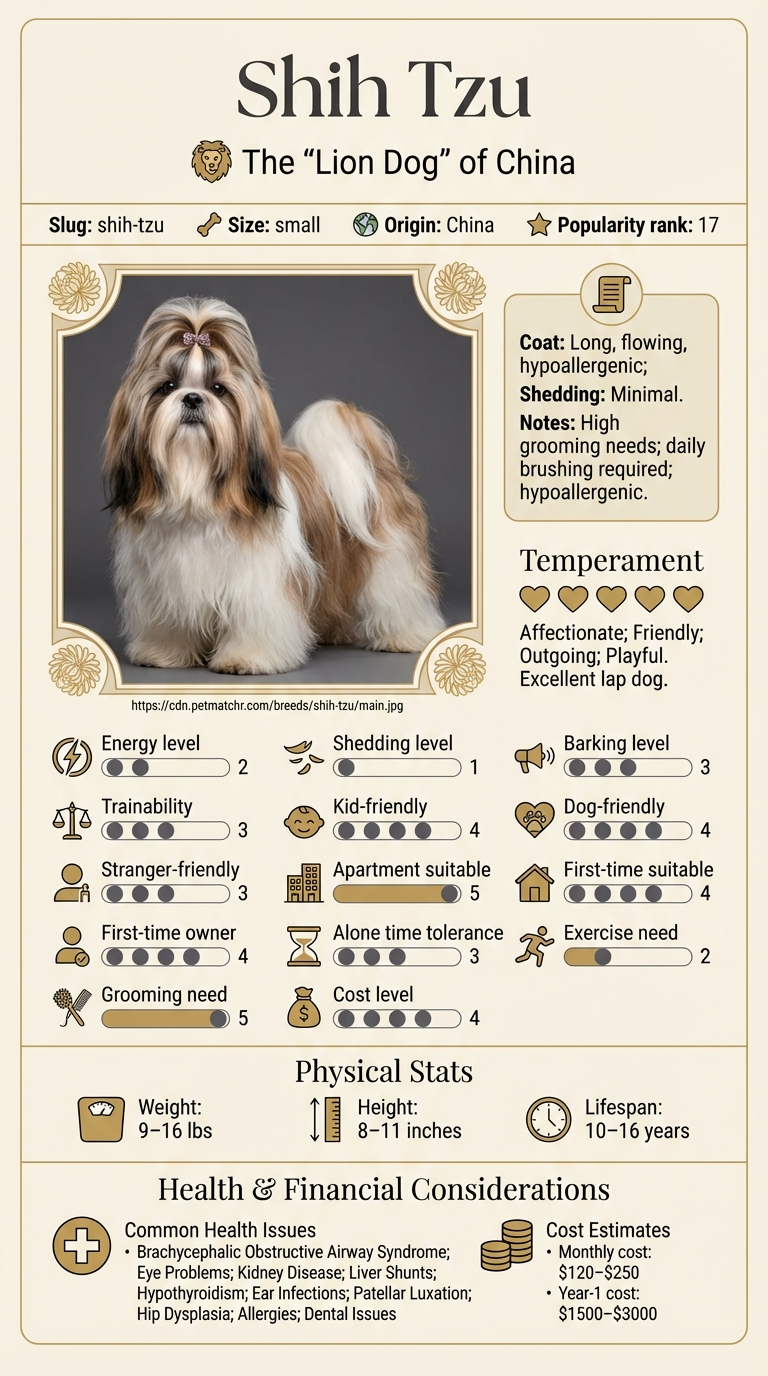
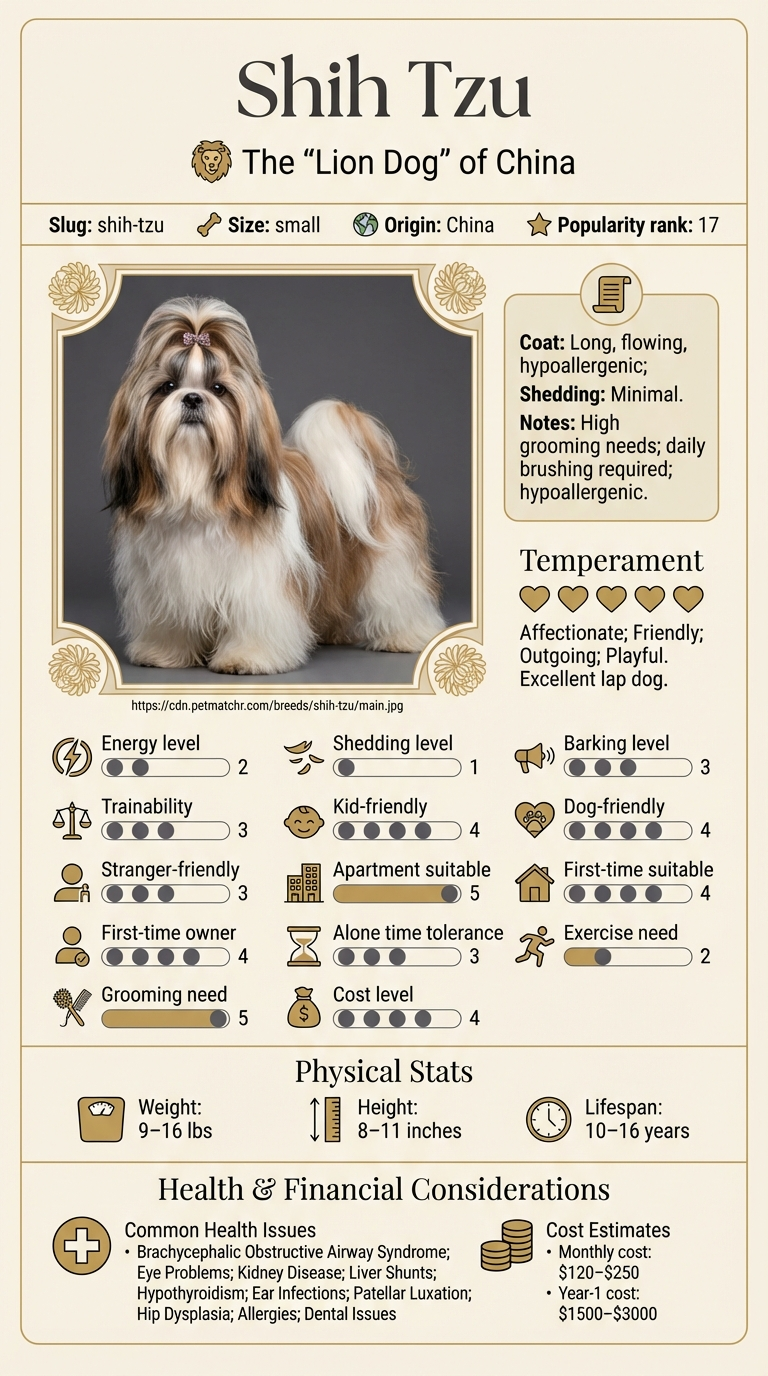
Managing this condition may include regular vet visits and specialized care, which can range from $120 to $250 monthly. Plan for additional costs as needed.