DogBreedCompass
← Back to breed profile

Shih Tzu Patellar Luxation: What You Need to Know

Shih Tzu patellar luxation is a common issue that can cause discomfort and mobility problems for your pup.

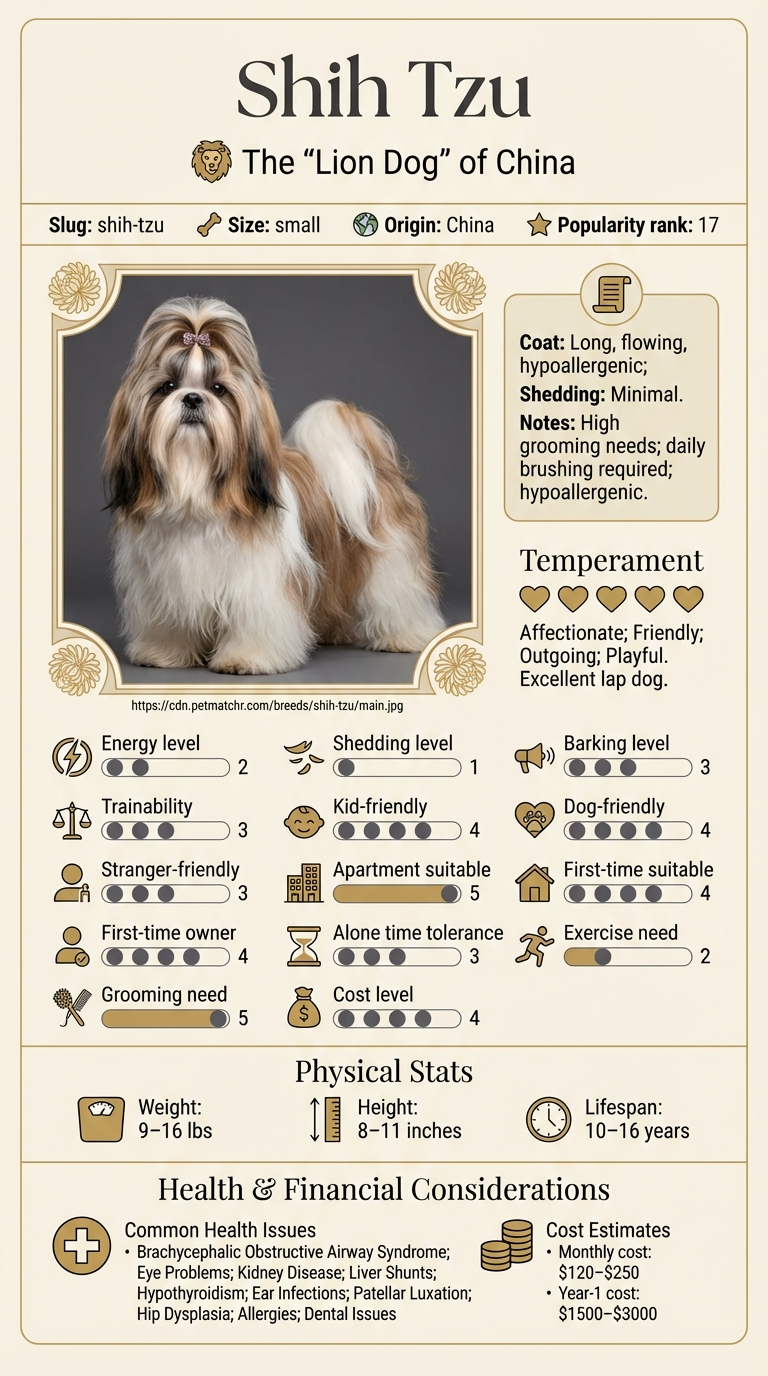
Shih Tzu Patellar Luxation: What You Need to Know infographic

Typically, Shih Tzu owners may struggle with this issue, especially those who notice their dog limping or hesitating to jump. First-time dog owners or those unfamiliar with dog health problems might feel overwhelmed by the symptoms and unsure of how to help.

Important reminder

This guide is not medical advice. If your dog shows pain, sudden behavior change, or worsening symptoms, consult a licensed veterinarian.

Some links may be affiliate links. We may earn a commission at no extra cost to you. We only suggest products we believe are helpful for dog owners.

What this problem looks like

Shih Tzu patellar luxation is a common issue where the kneecap dislocates, causing pain and mobility problems. Daily, this can look like your Shih Tzu limping, struggling to jump, or suddenly stopping during walks. It's especially concerning since Shih Tzus are small dogs with delicate joints, making them more susceptible to this condition.

Common triggers

  • Genetics, as some Shih Tzus are more prone to this issue due to inherited traits.
  • Injury or trauma during play, which can lead to dislocation.
  • Obesity, which adds extra stress on their joints.

Patellar luxation is quite common in Shih Tzus, affecting about 20-30% of the breed. Many owners may not notice it until their dog shows signs of discomfort or reduced activity.

Why this happens

Breed factors

Shih Tzus are prone to patellar luxation due to their small size and the structure of their legs. Their genetic makeup makes them more susceptible to joint issues, particularly in the knees. This breed's unique conformation can lead to misaligned patellas that easily slip out of place.

Environment factors

Environmental factors can also contribute to patellar luxation. Overweight conditions can put extra strain on their knees, increasing the risk of dislocation. Additionally, a lack of proper exercise can weaken the muscles that support the joints, making them more vulnerable.

What you can try

At-home strategies

  • Maintain a healthy weight for your Shih Tzu to reduce stress on their knees. Measure their food portions and avoid excessive treats.
  • Incorporate low-impact exercises into their routine, such as gentle walks or swimming, to strengthen their leg muscles without straining their joints.
  • Use supportive dog beds and ramps to help them navigate furniture, minimizing jumping which can exacerbate knee issues.

When to consider a trainer

If your Shih Tzu shows persistent difficulty walking or seems to be in pain, consult a professional dog trainer or canine physical therapist. They can provide tailored exercises and training techniques to help manage the condition effectively.

When to talk to your vet

If you notice frequent limping, difficulty in standing, or signs of pain in your Shih Tzu, it's important to consult a veterinarian. They can assess the severity of the patellar luxation and recommend treatments, including potential surgical options.

Realistic expectations

Most owners can expect to see improvements in their Shih Tzu's patellar luxation symptoms within 8 to 12 weeks of consistent training and management.

Success means your Shih Tzu can walk, run, and play with less discomfort. You should notice a decrease in limping or skipping while moving and an overall happier demeanor.

Mistakes that make this worse

Avoiding certain behaviors can help manage your Shih Tzu's patellar luxation effectively. Here are some common mistakes and safer alternatives.

  • Ignoring signs of discomfort: If your Shih Tzu shows signs of pain or difficulty walking, don't ignore it. Instead, consult your vet for advice and treatment options.
  • Over-exercising: Pushing your Shih Tzu to exercise too much can worsen their condition. Stick to gentle, short walks and play sessions to keep them active without strain.
  • Using stairs frequently: Allowing your dog to navigate stairs can increase the risk of injury. Consider using ramps or avoiding stairs when possible.
  • Neglecting weight management: Excess weight adds stress to your dog's joints. Focus on a balanced diet and regular vet check-ups to maintain a healthy weight.
  • Skipping vet visits: Regular check-ups are crucial for monitoring your Shih Tzu's condition. Don't skip these appointments; they can help catch potential issues early.
  • Using harsh training methods: Scolding or punishing your dog for not complying can increase anxiety and worsen their condition. Use positive reinforcement techniques instead.

When Shih Tzu Patellar Luxation is an Emergency

Recognizing when Shih Tzu patellar luxation is an emergency can save your dog's health. If your Shih Tzu is suddenly unable to bear weight on a leg, this is a red flag. Additionally, if you notice swelling around the knee, severe limping, or if your dog seems to be in significant pain, call your vet immediately.

In contrast, if your dog occasionally skips a step or seems to have a mild limp after play, this might not require urgent attention. Keep an eye on these behaviors and monitor their frequency. Implement a plan that includes rest and gentle exercises to strengthen their legs. If these symptoms worsen or persist, it's best to consult your vet for further evaluation.

Shih Tzu Patellar Luxation: What You Need to Know - When Shih Tzu Patellar Luxation is an Emergency

Aisha's Journey with Max's Patellar Luxation

Aisha, a busy nurse in Atlanta, noticed her Shih Tzu, Max, limping after playtime. At first, she thought it was just a minor injury, but the limp persisted. After a vet visit confirmed patellar luxation, Aisha felt overwhelmed. She began a structured training routine focused on gentle exercises and joint support. Over several weeks, she worked with a dog trainer, learning how to manage Max's condition. Gradually, Max's limp improved, and Aisha felt empowered with the knowledge she gained about his needs.

Key takeaway: With patience and the right training, you can help your Shih Tzu manage patellar luxation effectively.

Frequently asked questions

Why does my Shih Tzu have patellar luxation?

Shih Tzus can develop patellar luxation due to genetic factors or physical stress on their joints. This condition often occurs in small breeds and can result from abnormal bone structure or muscle imbalances. If your dog is showing signs like limping or difficulty walking, it’s essential to consult a vet.

How can I help my Shih Tzu with patellar luxation?

Managing Shih Tzu patellar luxation involves regular vet check-ups and possibly weight management. Providing a low-impact exercise routine can strengthen their muscles and support joint health. If your vet recommends it, physical therapy or joint supplements may also help.

What are the signs of patellar luxation in a Shih Tzu?

Common signs include limping, sudden yelping, or your dog holding up their leg. They may also have difficulty jumping or climbing stairs. Look for signs of discomfort when they walk or play, as these can indicate pain from the dislocated kneecap.

Can training help prevent patellar luxation in Shih Tzus?

While training can't fully prevent patellar luxation, it can help by teaching your Shih Tzu to avoid jumping from heights or making sudden movements. Positive reinforcement training can also encourage proper behavior during walks and playtime. Always use gentle methods to avoid stressing their joints.

When should I consider surgery for my Shih Tzu's patellar luxation?

Surgery may be necessary if your Shih Tzu experiences severe pain or if the luxation is frequent. If your vet notes that the condition affects their quality of life, surgical options may be discussed. Early intervention often leads to better recovery outcomes.

What causes patellar luxation in Shih Tzus?

Patellar luxation in Shih Tzus is often caused by genetic factors, where the groove for the kneecap is too shallow. Additionally, injuries or trauma can also lead to this condition. It's important to monitor your dog's activity to prevent further complications.

How can I manage my older Shih Tzu's patellar luxation?

For older Shih Tzus, weight management and gentle exercise are crucial to managing patellar luxation. Low-impact activities, like short walks or swimming, can help maintain fitness without stressing the joints. Always consult your vet for personalized advice based on your dog's health.

Are there specific training techniques to help with patellar luxation?

Yes, training techniques that focus on strengthening the muscles around the knees can be beneficial. Gentle exercises, like sit and stay commands, can help improve stability. However, avoid high-impact activities that could worsen the condition.

When should I see a vet for my Shih Tzu's patellar luxation?

If your Shih Tzu shows signs of pain, limping, or difficulty walking, it's time to see a vet. Regular check-ups are essential, especially if your dog has recurring episodes of patellar luxation. Early intervention can prevent more serious issues down the line.

Can patellar luxation in Shih Tzus be treated without surgery?

In some mild cases, patellar luxation can be managed with lifestyle changes, physical therapy, and weight control. However, if the condition is severe or persistent, surgical options may be necessary. Discuss all available treatments with your veterinarian.

Quick answers

View more answers
Behavior

What are quick tips for Shih Tzu patellar luxation?

Keep your Shih Tzu at a healthy weight and provide low-impact exercises to strengthen their joints. Regular vet check-ups are crucial for monitoring their condition. Use supportive gear like joint braces if recommended by your vet.

Health

What should I do if my Shih Tzu is limping?

If your Shih Tzu is limping, limit their activity and consult a vet for an evaluation. Early diagnosis can lead to better management of conditions like patellar luxation. Don't ignore signs of pain.

Costs

How much will it cost to treat patellar luxation?

Treating Shih Tzu patellar luxation can cost anywhere from $1,500 to $3,000, depending on the severity and treatment options. Regular vet visits and potential surgery can contribute to these costs. Always discuss financial options with your vet.

Related DogBreedCompass guides

  • Shih Tzu behavior problemsLearn about common behavior issues in Shih Tzus to better understand their needs.
  • Shih Tzu separation anxiety guideFind out how to handle separation anxiety that might affect your Shih Tzu.
  • Shih Tzu patellar luxation trainingExplore training techniques specific to Shih Tzus that can help with patellar luxation.
  • Shih Tzu cost breakdownUnderstand the costs associated with owning a Shih Tzu, including potential health issues.
  • How to stop Shih Tzu patellar luxationLearn how to manage and prevent patellar luxation in small breeds like the Shih Tzu.

Related guides

