Behavior
What are quick tips for Shih Tzu heat sensitivity?
Limit outdoor activities during peak heat hours, provide plenty of water, and ensure your home is cool. Always keep an eye on your dog for signs of overheating.
Shih Tzus are adorable, but they are also prone to heat sensitivity and hyperthermia, which can be life-threatening. (Shih Tzu heat sensitivity & hyperthermia)
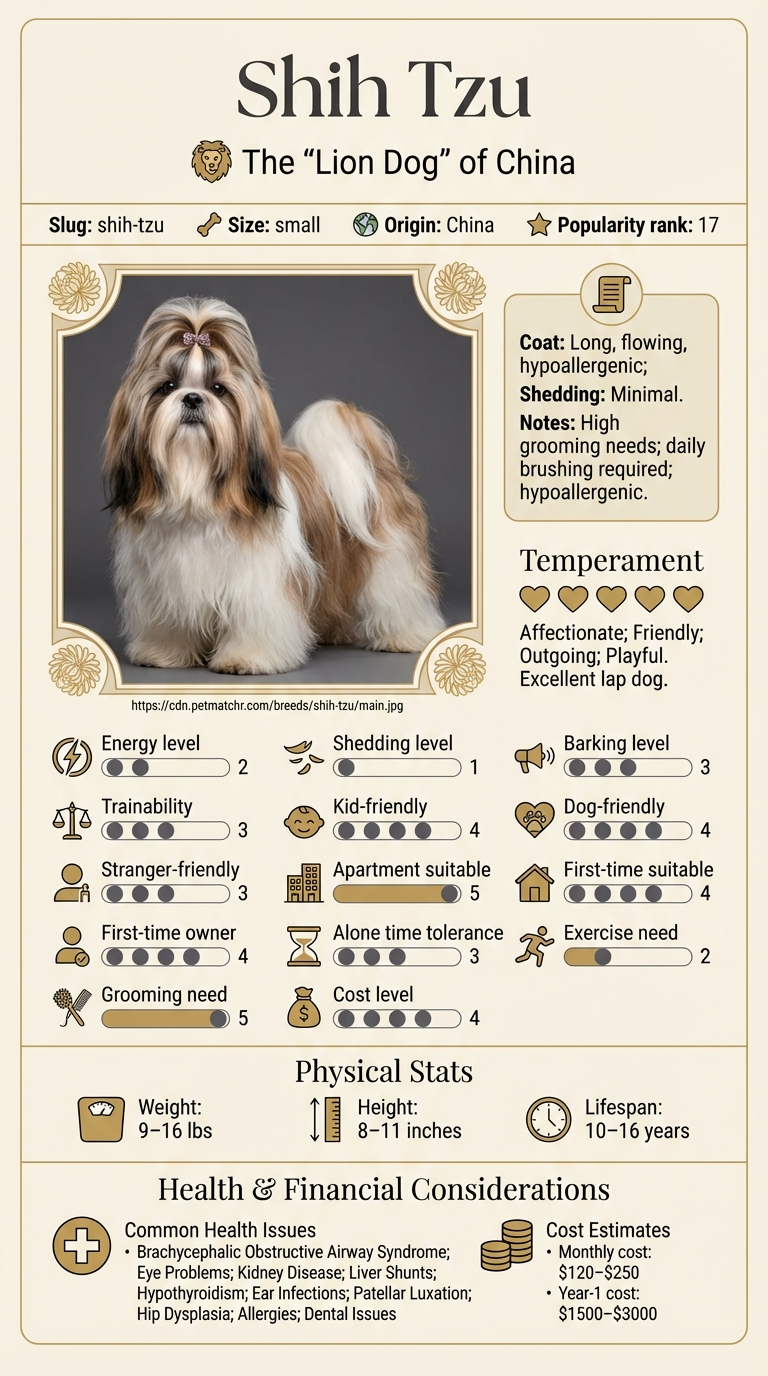
This issue often affects owners of Shih Tzus, especially those in warmer climates or who live in apartments without air conditioning. First-time dog owners may also find it challenging to recognize the early signs of overheating.
This guide is not medical advice. If your dog shows pain, sudden behavior change, or worsening symptoms, consult a licensed veterinarian.
Some links may be affiliate links. We may earn a commission at no extra cost to you. We only suggest products we believe are helpful for dog owners.
Shih Tzus are lovely little companions, but they often struggle with heat sensitivity and hyperthermia. Because of their brachycephalic (flat-faced) structure, they can easily overheat, especially during hot weather or strenuous activity. This can lead to dangerous conditions like heatstroke, which can be life-threatening if not addressed quickly.
Heat sensitivity and hyperthermia are particularly common in Shih Tzus, with studies showing they have a 533% higher risk compared to other breeds. This makes it essential for owners to be vigilant and recognize the signs early.
Shih Tzus are a small breed with a brachycephalic (flat-faced) structure. This makes them more susceptible to heat sensitivity and hyperthermia. Their short noses can restrict airflow, making it harder for them to cool down in hot weather.
High temperatures and humidity can exacerbate heat sensitivity. If a Shih Tzu is left outside for too long without shade or water, they are at a higher risk for overheating. Additionally, living in a warm climate or in poorly ventilated spaces can increase their chances of heat-related issues.
If your Shih Tzu shows signs of anxiety or extreme discomfort in heat, a trainer can help teach them calming techniques. A professional can also guide you through proper acclimatization to warm environments.
If your Shih Tzu exhibits symptoms like excessive panting, lethargy, drooling, or vomiting after exposure to heat, contact your vet immediately. It's crucial to address any signs of heatstroke promptly to ensure their safety.
It often takes several weeks to a few months to effectively manage Shih Tzu heat sensitivity & hyperthermia, depending on your dog’s specific needs and your commitment to training.
Success means your Shih Tzu can comfortably enjoy outdoor activities without displaying signs of overheating, such as excessive panting or lethargy.
Avoiding common pitfalls can help your Shih Tzu manage heat sensitivity & hyperthermia better. Here are some mistakes to watch out for.
It's crucial to know when Shih Tzu heat sensitivity and hyperthermia can become an emergency. If you notice symptoms like excessive panting, drooling, weakness, or vomiting, these can be red flags that require immediate veterinary attention. Other signs like disorientation, seizures, or collapse are clear indicators that you need to call your vet right away.
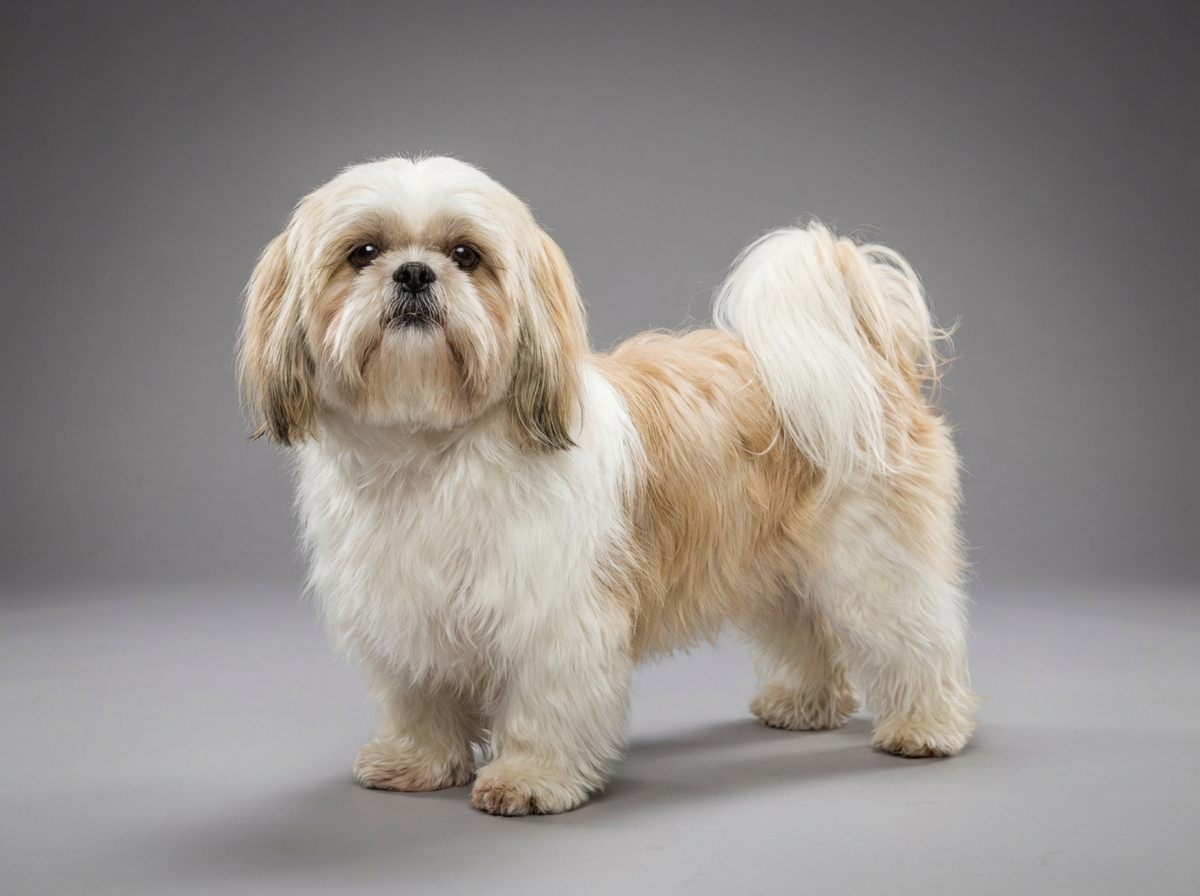
In less severe cases, such as mild panting or slight lethargy after being outside, you can monitor your Shih Tzu at home. Make sure to provide plenty of water and a cool environment. If symptoms persist or worsen after a few hours, it's best to consult your veterinarian for further advice.
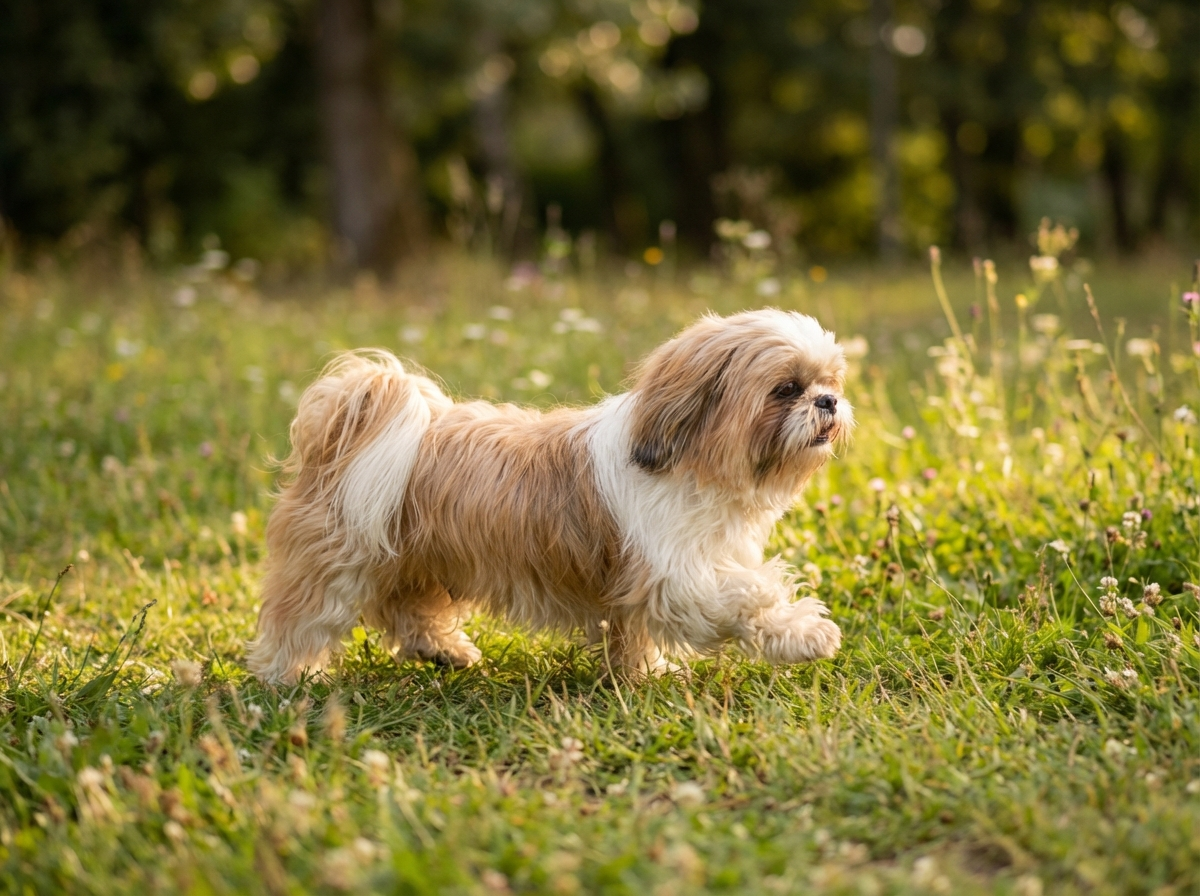
Maggie, a busy nurse in Miami, noticed her Shih Tzu, Bella, struggling in the summer heat. Bella would pant heavily and become lethargic during walks. Realizing that Bella's brachycephalic features made her more prone to heat sensitivity, Maggie consulted with her vet. Together, they developed a plan that included shorter walks during cooler times, plenty of water breaks, and indoor play sessions for exercise. After a few months, Bella became more comfortable outside, and Maggie learned to recognize the signs of heat stress, allowing her to keep Bella safe and happy.
Key takeaway: Understanding and adapting to your Shih Tzu's needs can significantly improve their quality of life, especially regarding heat sensitivity.
Shih Tzus are brachycephalic, meaning they have short noses which can make it hard for them to breathe, especially in hot weather. This breed is also at a 533% higher risk of heatstroke. It's crucial to monitor their temperature and provide ample shade and water. This answer relates to Shih Tzu heat sensitivity & hyperthermia.
To prevent overheating, keep your Shih Tzu indoors during the hottest parts of the day. Always provide fresh water, and consider using fans or air conditioning. If they show signs of distress, like excessive panting, cool them down gradually with a wet cloth.
Signs include heavy panting, drooling, lethargy, and a bright red tongue. If you notice your Shih Tzu acting unusually, it’s essential to act quickly. They may require immediate cooling and veterinary attention.
Yes, training can help your Shih Tzu learn to recognize when it's too hot outside. Start by teaching them commands to stay indoors during high temperatures and reward them for following these rules. Consistent reinforcement is key.
If you suspect heatstroke, move your dog to a cooler area immediately. Offer them water and apply cool (not cold) towels to their body. Seek veterinary care as soon as possible.
Signs of heat sensitivity in Shih Tzus include excessive panting, drooling, lethargy, and difficulty breathing. If your dog seems unusually tired or doesn't want to move, these could be warning signs of overheating.
Older Shih Tzus may struggle more with heat sensitivity. Make sure they have a cool, shaded area to rest and consider keeping their activity levels low during hot weather. Regular vet check-ups can also help manage their overall health.
It's best to keep your Shih Tzu indoors when temperatures exceed 80°F (27°C). If it's humid or the weather feels particularly oppressive, be extra cautious, as heat sensitivity can lead to serious health issues like hyperthermia.
Shih Tzus are brachycephalic, meaning they have short noses which can make breathing difficult in heat. This anatomical feature increases their risk of heat sensitivity and hyperthermia compared to other breeds, especially in hot weather.
If you suspect your Shih Tzu has hyperthermia, act quickly. Move them to a cooler environment, offer water, and apply cool (not cold) cloths to their body. Contact your vet immediately if symptoms persist.
Limit outdoor activities during peak heat hours, provide plenty of water, and ensure your home is cool. Always keep an eye on your dog for signs of overheating.
Watch for excessive panting, drooling, or difficulty breathing. If they seem lethargic or unresponsive, cool them down immediately.
Take walks early in the morning or later in the evening. Have cooling mats or shaded areas available for resting during the day.


