Behavior
What are Shih Tzu eye problems quick tips?
Keep your Shih Tzu's eyes clean and free from hair. Schedule regular vet check-ups and be alert for any signs of discomfort.

Quick answer
What are Shih Tzu eye problems quick tips?
Keep your Shih Tzu's eyes clean and free from hair. Schedule regular vet check-ups and be alert for any signs of discomfort.
Shih Tzu eye problems can lead to discomfort and long-term health issues if not addressed early.
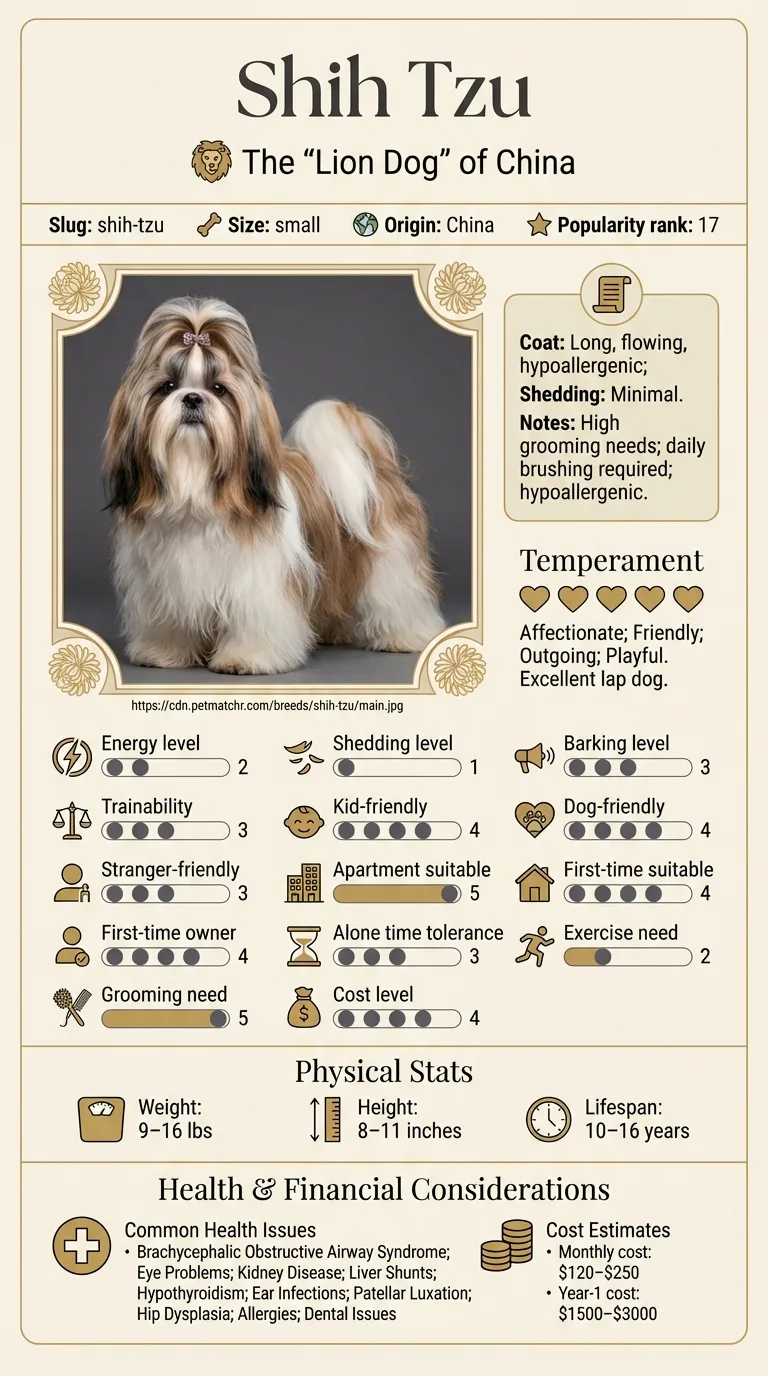
First-time Shih Tzu owners or those unfamiliar with the breed's specific needs may struggle the most. Busy families or individuals who may overlook small symptoms could find themselves facing bigger health issues down the road.
This guide is not medical advice. If your dog shows pain, sudden behavior change, or worsening symptoms, consult a licensed veterinarian.
Some links may be affiliate links. We may earn a commission at no extra cost to you. We only suggest products we believe are helpful for dog owners.
We research and check what we publish, but we do not warrant that any figure, date, price, or statement is accurate, complete, or current, and we accept no liability for any loss, cost, injury, or other harm arising from the use of this site. Use it as one reference among several. You remain responsible for your own decisions and for your dog's care - confirm anything that matters with a licensed veterinarian or another qualified professional before you act on it. Full disclaimer.
Check this first
Not all eye problems in Shih Tzus are urgent, but some definitely are. Knowing when to call your vet can make a huge difference in your dog's health and comfort. Here’s how to distinguish between emergencies and situations that can be monitored.
If any of these apply, call your vet or an emergency clinic now. The rest of this page is for the cases that are not an emergency.
Shih Tzus are prone to various eye problems, which can significantly affect their quality of life. Daily, you might notice your Shih Tzu squinting, tearing excessively, or rubbing their eyes. These issues are often linked to their brachycephalic facial structure, making them more vulnerable to eye injuries and conditions like corneal ulcers or dry eye.
Eye problems are quite common among Shih Tzus due to their unique facial structure. Many owners report issues arising as early as the puppy stage, making it crucial to monitor their eye health regularly.
Shih Tzus are prone to certain eye problems due to their unique facial structure. Their short snouts make them more susceptible to issues like corneal ulcers and dry eye. Additionally, their long hair can irritate their eyes if not properly groomed.
Environmental factors can also play a role in Shih Tzu eye problems. Dust, allergens, and secondhand smoke can irritate their sensitive eyes. Moreover, lack of regular grooming may lead to hair obstructing their vision and causing discomfort.
If your Shih Tzu develops persistent redness, discharge, or appears to be in pain, it's crucial to consult your vet. They can diagnose the issue and recommend appropriate treatment, which may include medication or specialized eye care.
Avoid these common mistakes to help your Shih Tzu with eye problems. These behaviors can unintentionally worsen the situation or delay improvement.
Start here: Shih Tzu Most Common Genetic Disorders: What to Screen For
See all Shih TZU health problems, which breeds are prone to eye problems, or the full Shih TZU breed guide for temperament, exercise needs and ownership costs.
You can expect to see improvements in your Shih Tzu's eye problems within 4 to 8 weeks of consistent care and follow-up with your vet.
Success means your Shih Tzu has fewer eye irritations and is more comfortable, with less tearing and redness. Their eyes should appear clear, and they should show less discomfort.
If your Shih Tzu shows any of these signs, it's crucial to get immediate veterinary help: - Sudden loss of vision or cloudiness in the eyes - Excessive tearing or discharge that is unusual - Signs of pain, like pawing at the eyes or squinting - Redness or swelling around the eyes - Any foreign object lodged in the eye - An injury, like cuts or scratches on the eye surface

For less severe symptoms, you may be able to monitor your Shih Tzu at home. Keep an eye on these signs: - Occasional tearing without redness - Mild irritation, like slight squinting - Minor swelling that doesn't worsen over time - Changes in eye appearance that are not sudden - Temporary discharge that clears up quickly

Jamie, a first-time dog owner, noticed her Shih Tzu, Bella, had constant watery eyes and seemed to be squinting often. After a vet visit, Jamie learned that Bella's eye problems were common in the breed due to their facial structure. Determined to help Bella, Jamie started a routine of gentle eye cleaning and ensured Bella wore protective dog goggles during walks. With patience and consistent care, Bella's eye health improved significantly over two months, and she became more playful and active.
Key takeaway: Regular care and awareness can greatly improve your Shih Tzu's eye problems, ensuring they stay comfortable and happy.
Shih Tzus are prone to eye problems due to their facial structure, which can lead to conditions like corneal ulcers or dry eye. Regular vet check-ups can help identify these issues early. Keeping their eyes clean and free of debris is crucial.
To prevent eye problems in your Shih Tzu, ensure regular grooming to keep hair out of their eyes. Use protective eyewear during outdoor activities to avoid injury. Consult your vet for specific advice tailored to your dog's needs.
Common signs of eye problems in Shih Tzus include excessive tearing, redness, squinting, or pawing at their eyes. You might also notice cloudy eyes or unusual discharge. If you see these symptoms, it’s important to consult a vet.
Yes, as Shih Tzus age, they may experience more eye problems, including cataracts or glaucoma. Regular vet visits can help monitor their eye health and catch any issues early. Always be proactive about their eye care.
Treatments vary based on the specific issue, ranging from medicated eye drops to surgery in severe cases. Your vet will provide a treatment plan tailored to your dog's needs. Never attempt to treat eye problems without veterinary guidance.
To prevent eye problems in your Shih Tzu, maintain regular grooming, especially around the eyes. Ensure their eyes are clean and free from debris, and avoid exposing them to harsh environments. Regular vet visits will also help identify potential issues early.
A diet rich in antioxidants, vitamins A, C, and E, and omega-3 fatty acids can support eye health in Shih Tzus. Always consult your vet before making dietary changes to ensure they meet your dog's specific needs.
Take your Shih Tzu to the vet if you notice persistent tearing, swelling, or a change in their behavior related to their vision. Immediate attention is needed if there’s trauma or signs of pain, as prompt treatment can prevent serious complications.
Keep your Shih Tzu's eyes clean and free from hair. Schedule regular vet check-ups and be alert for any signs of discomfort.
Daily grooming is recommended to prevent hair from irritating their eyes. This also helps maintain their overall coat health.
Treatment costs can vary widely, ranging from routine vet visits to more expensive surgeries. Be prepared for potential costs if issues arise.
Look for signs like redness, discharge, or excessive tearing. If you notice these symptoms, contact your vet for evaluation.
A one-page prep sheet for this condition: the signs, the questions to ask, what to get priced. Unlocks here.
You get: Vet visit prep sheet
No spam. One-click unsubscribe. See our privacy policy.
Preview page 1 before you decide.