Behavior
How can I stop Shih Tzu esophageal disease?
Feeding smaller meals and using a raised bowl can help manage symptoms of Shih Tzu esophageal disease.

Quick answer
How can I stop Shih Tzu esophageal disease?
Feeding smaller meals and using a raised bowl can help manage symptoms of Shih Tzu esophageal disease.
Shih Tzu esophageal disease is a serious health issue that affects your dog’s ability to eat and swallow.
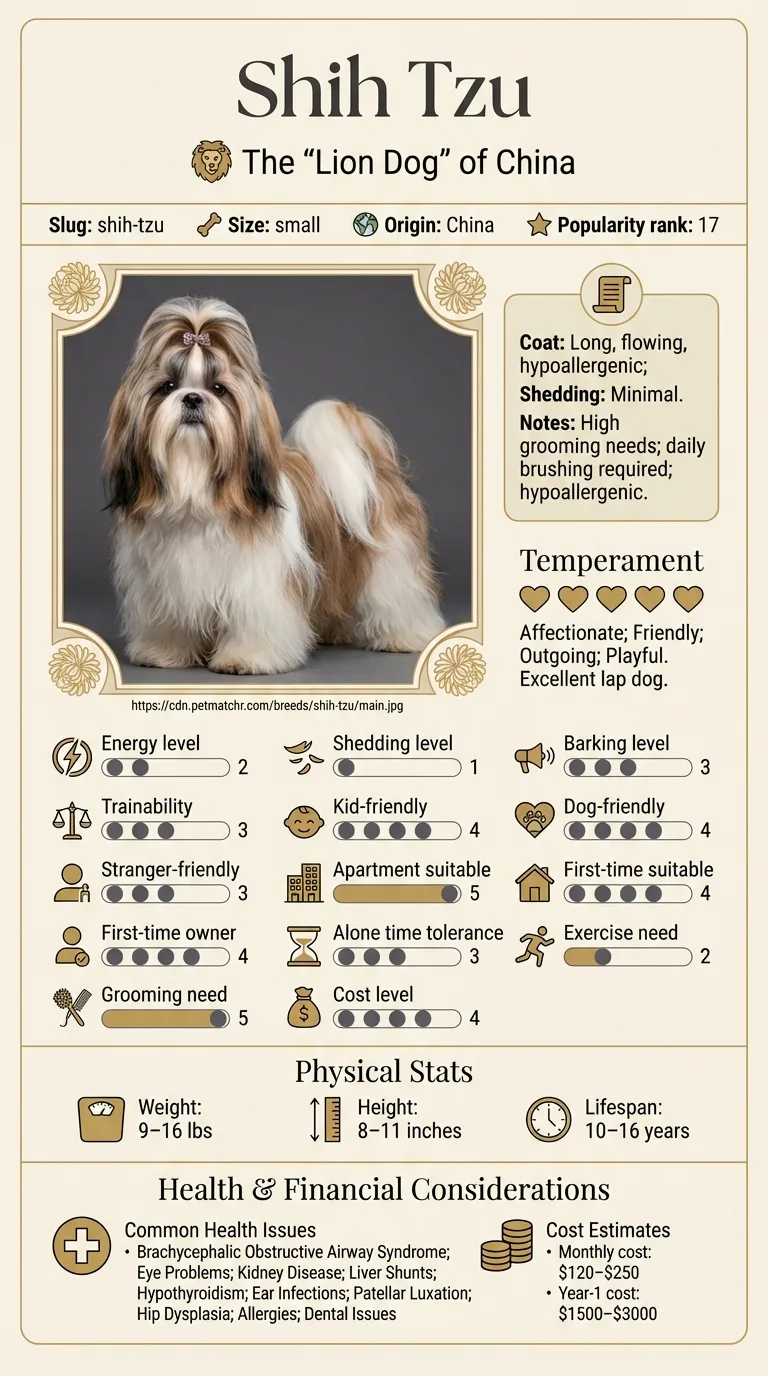
Typically, first-time dog owners or busy families may struggle with recognizing the signs of esophageal disease in their Shih Tzu. These owners often want to provide the best care but might overlook subtle symptoms until they become serious.
This guide is not medical advice. If your dog shows pain, sudden behavior change, or worsening symptoms, consult a licensed veterinarian.
Some links may be affiliate links. We may earn a commission at no extra cost to you. We only suggest products we believe are helpful for dog owners.
We research and check what we publish, but we do not warrant that any figure, date, price, or statement is accurate, complete, or current, and we accept no liability for any loss, cost, injury, or other harm arising from the use of this site. Use it as one reference among several. You remain responsible for your own decisions and for your dog's care - confirm anything that matters with a licensed veterinarian or another qualified professional before you act on it. Full disclaimer.
Check this first
Recognizing when your Shih Tzu's esophageal disease becomes an emergency is crucial. Call your vet immediately if you notice any of the following red-flag signs. These include severe difficulty breathing, excessive drooling, or if your dog is unable to swallow food or water. Vomiting that is persistent or contains blood is also a critical sign that requires urgent veterinary attention.
On the other hand, there are milder symptoms that you can monitor at home. If your Shih Tzu occasionally coughs after eating or shows slight discomfort, it might not be an emergency. In these cases, observe their eating habits and consider adjusting their diet or feeding routine. Keeping track of any changes in behavior, such as increased lethargy or reluctance to eat, is also important, but these can often be managed without immediate vet visits.
Always trust your instincts as a pet owner. If you ever feel unsure about your dog's condition, it's better to err on the side of caution and contact your vet.
If any of these apply, call your vet or an emergency clinic now. The rest of this page is for the cases that are not an emergency.
Shih Tzu esophageal disease can be a worrying issue for pet owners. This condition often manifests as difficulty swallowing, regurgitation, or even coughing after eating. Owners may notice their Shih Tzu hesitating before meals or avoiding certain food textures, which can be distressing to witness.
Esophageal disease is quite common in Shih Tzus, with studies showing they are at a 265% higher risk than some other breeds. This makes it essential for owners to be vigilant about their dog's eating habits and overall health.
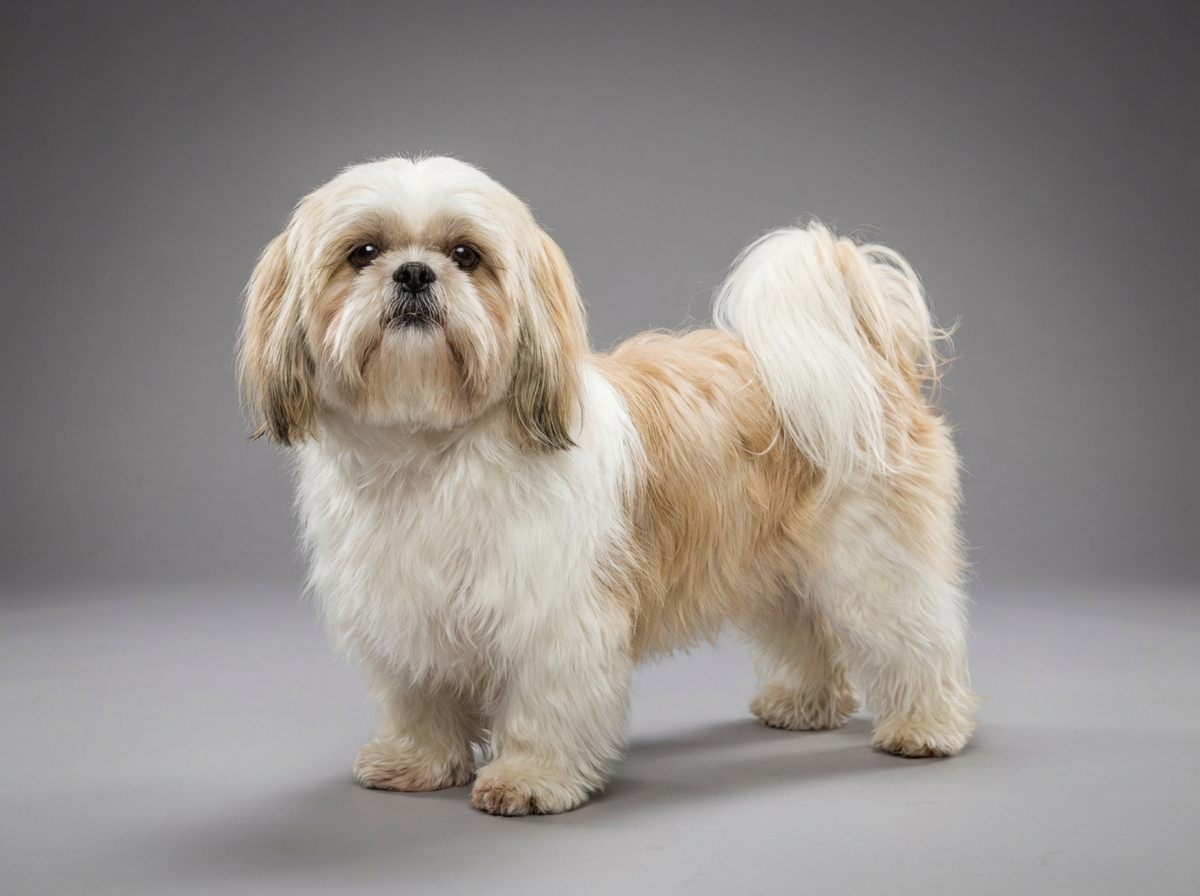
Shih Tzus are a brachycephalic breed, which means they have short snouts. This can lead to structural issues in their esophagus, making them more prone to esophageal disease. Their small size and unique anatomy can also affect how they swallow and digest food.
Environmental factors like eating too quickly or consuming large chunks of food can exacerbate esophageal issues. Stress or anxiety can also contribute, as Shih Tzus might have difficulty relaxing enough to eat properly. Additionally, certain diets may not suit their digestive needs, leading to complications.
Consult your vet if your Shih Tzu shows signs of esophageal disease such as frequent vomiting, difficulty swallowing, or loss of appetite. Early intervention is crucial to prevent more serious health issues.
Here are common mistakes dog owners make that can worsen Shih Tzu esophageal disease. Avoiding these can help improve your dog's condition.
Start here: Shih Tzu Most Common Genetic Disorders: What to Screen For
See all Shih TZU health problems, which breeds are prone to esophageal disease, or the full Shih TZU breed guide for temperament, exercise needs and ownership costs.
You may start to see improvements within 4 to 6 weeks of consistent dietary adjustments and follow-up.
Success means your Shih Tzu can eat comfortably without coughing or regurgitating food, leading to better overall health.
Maggie, a Shih Tzu owner in a small town, noticed her dog struggling to eat and often coughing after meals. Concerned, she visited the vet and learned that her beloved pup had esophageal disease. Determined to help, Maggie followed her vet’s advice, switching to smaller, moister meals and employing a slow-feeder bowl. After several weeks of diligent feeding routines and patience, Maggie was thrilled to see her Shih Tzu eating without discomfort and gaining weight again.
Key takeaway: With proper dietary changes and training, you can significantly improve your Shih Tzu's quality of life when dealing with esophageal disease.
Shih Tzus are prone to esophageal disease due to their brachycephalic structure. This can lead to issues like regurgitation or difficulty swallowing. Regular vet check-ups can help catch these problems early. This answer relates to Shih Tzu esophageal disease.
Common symptoms of esophageal disease in Shih Tzus include difficulty swallowing, regurgitation, coughing, and weight loss. You might also notice your dog avoiding food or showing signs of discomfort while eating.
Feeding smaller, more frequent meals can help manage symptoms. Additionally, using a raised feeding bowl may reduce the chances of regurgitation. Always follow your vet's advice for a tailored approach.
Training your Shih Tzu to eat slowly can be beneficial. Use positive reinforcement techniques and consider feeding them in a calm, quiet environment to minimize stress.
If your Shih Tzu is regurgitating or choking, stay calm and prevent them from panicking. Gently encourage them to drink water and contact your vet for further guidance.
For older Shih Tzus, it's crucial to adjust their diet to softer, more palatable foods. Smaller, more frequent meals can also help reduce strain on their esophagus.
If your Shih Tzu shows persistent symptoms like choking, severe coughing, or extreme weight loss, it's time to see a vet. Early detection can significantly improve the outcome of esophageal disease.
Training can be beneficial in managing feeding behaviors. Teaching your Shih Tzu to eat slowly and calmly may reduce the risk of regurgitation, which is a common issue with esophageal disease.
Feeding smaller meals and using a raised bowl can help manage symptoms of Shih Tzu esophageal disease.
Monitor your Shih Tzu's eating habits and consult your vet for proper diagnosis and treatment.
Yes, it can lead to more serious health issues if left untreated. Regular vet visits are essential.
Yes, training your Shih Tzu to eat slowly can improve their condition significantly.
A one-page prep sheet for this condition: the signs, the questions to ask, what to get priced. Unlocks here.
You get: Vet visit prep sheet
No spam. One-click unsubscribe. See our privacy policy.
Preview page 1 before you decide.