Behavior
What are Shih Tzu cherry eye quick tips?
Keep your Shih Tzu's eyes clean and monitor for any signs of irritation. Regular vet check-ups can help catch issues early. If cherry eye occurs, seek veterinary advice promptly.

Quick answer
What are Shih Tzu cherry eye quick tips?
Keep your Shih Tzu's eyes clean and monitor for any signs of irritation. Regular vet check-ups can help catch issues early. If cherry eye occurs, seek veterinary advice promptly.
If your Shih Tzu has developed a cherry eye, it can be concerning. This condition, which involves the prolapse of the eyelid gland, is not only unsightly but can also lead to discomfort for your pup.
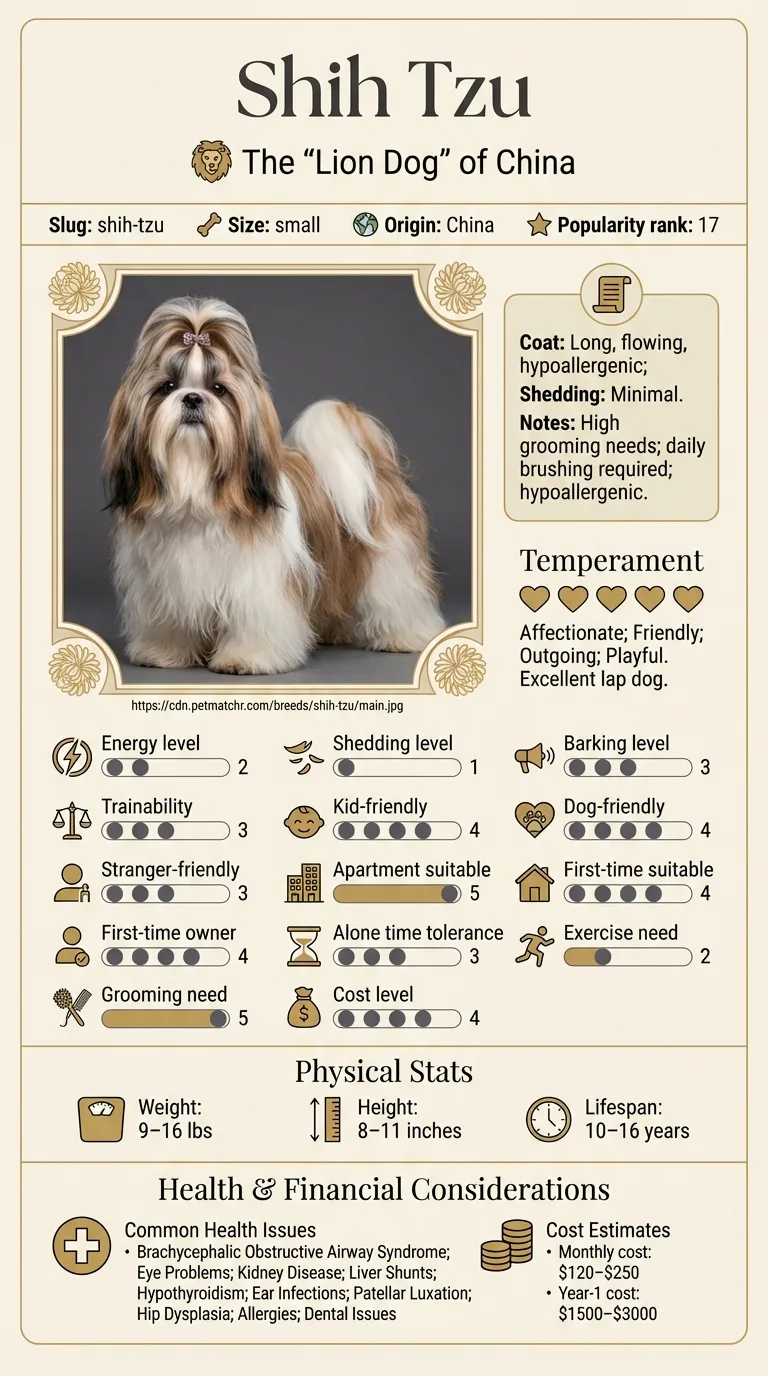
Many Shih Tzu owners find themselves grappling with this problem, especially first-time pet parents. If you're a busy individual or a family with kids, navigating this eye issue can feel overwhelming, but you're not alone.
This guide is not medical advice. If your dog shows pain, sudden behavior change, or worsening symptoms, consult a licensed veterinarian.
Some links may be affiliate links. We may earn a commission at no extra cost to you. We only suggest products we believe are helpful for dog owners.
We research and check what we publish, but we do not warrant that any figure, date, price, or statement is accurate, complete, or current, and we accept no liability for any loss, cost, injury, or other harm arising from the use of this site. Use it as one reference among several. You remain responsible for your own decisions and for your dog's care - confirm anything that matters with a licensed veterinarian or another qualified professional before you act on it. Full disclaimer.
Check this first
Cherry eye in Shih Tzus can be a concerning problem. It occurs when a gland in the eyelid prolapses, leading to a noticeable bulge. Knowing when to call your vet versus when to monitor the situation is crucial for your dog’s health.
If your Shih Tzu shows signs of severe redness, swelling, or discharge from the eye, it’s time to call your vet immediately. Other red flags include excessive tearing, squinting, or if your dog is pawing at their eye. These symptoms could indicate pain or infection, which require prompt attention.
On the other hand, if the cherry eye is the only issue and your dog seems otherwise healthy, you can monitor the situation at home. Keep an eye on the bulge and watch for any changes. If the cherry eye doesn’t worsen and your Shih Tzu is not showing signs of pain or distress, it may be safe to wait a few days before seeking veterinary advice. However, if you notice a change in behavior, like decreased appetite or lethargy, contact your vet.
Remember, it’s always better to err on the side of caution. Cherry eye may not seem life-threatening, but complications can arise if left untreated. Always consult your veterinarian if you’re unsure about your dog’s condition. They can provide guidance tailored to your pet’s specific needs.
If any of these apply, call your vet or an emergency clinic now. The rest of this page is for the cases that are not an emergency.
Shih Tzu cherry eye is a common problem where the tear gland in the eyelid pops out, creating a red, swollen appearance. This can happen due to stress, genetics, or eye injuries. If left untreated, it may lead to more serious eye issues and discomfort for your dog.
Cherry eye is fairly common in Shih Tzus, often appearing in young dogs but can occur at any age. Many owners notice it during their pet's first few years. It's essential to monitor your dog's eyes regularly to catch this early.
Shih Tzus are prone to certain eye issues, including cherry eye, due to their unique facial structure. Their prominent eyes and loose eyelid tissue make them more susceptible to this condition. Additionally, genetics play a role, as some lines of Shih Tzus may inherit a predisposition to eye problems.
Environmental factors can also contribute to cherry eye in Shih Tzus. For instance, exposure to allergens or irritants can lead to inflammation of the eyelid glands. Furthermore, stress or trauma, such as rough play, may exacerbate the situation, causing the gland to prolapse.
If cherry eye persists or worsens, it’s important to consult your veterinarian. They can recommend treatment options, which may include medication or surgery to correct the issue. Regular check-ups can also ensure your dog's eye health is properly managed.
Understanding what not to do is just as important as knowing how to help your Shih Tzu with cherry eye. Here are some common mistakes owners make that can exacerbate the problem.
Start here: Shih Tzu Most Common Genetic Disorders: What to Screen For
See all Shih TZU health problems, which breeds are prone to cherry eye, or the full Shih TZU breed guide for temperament, exercise needs and ownership costs.
With consistent care and treatment, you can expect improvements in 4 to 6 weeks. However, some cases might require longer, especially if surgery is needed.
Success means your Shih Tzu's cherry eye is resolved, the eye appears normal, and your dog shows no signs of discomfort or irritation.
Lisa, a busy nurse in San Diego, noticed her Shih Tzu, Max, developing a cherry eye. At first, she was overwhelmed and unsure how to help him. After researching, she learned about the condition and scheduled a vet appointment. The vet recommended a combination of eye drops and a gentle massage technique to help reduce swelling. Lisa committed to this routine and monitored Max closely. After several weeks of consistent care, Max's eye improved significantly, and they avoided surgery. Now, Max is back to his playful self, and Lisa feels empowered by their journey together.
Key takeaway: With dedication and the right guidance, managing Shih Tzu cherry eye can lead to positive outcomes without invasive procedures.
Cherry eye in Shih Tzus occurs when the gland in the eyelid prolapses. This can happen due to genetic factors, stress, or excessive strain on the eye. It's important to consult a vet for proper diagnosis and treatment options. This answer relates to Shih Tzu cherry eye.
Preventing cherry eye in Shih Tzus involves regular vet check-ups and ensuring your dog is not overly stressed. Keeping your Shih Tzu's eyes clean and healthy can also help reduce the risk. If cherry eye occurs, surgical options are often the most effective treatment.
Signs of cherry eye include a noticeable red lump in the corner of the eye and excessive tearing. Your Shih Tzu may also rub their eyes or squint due to discomfort. If you notice these symptoms, it's best to see a veterinarian.
While cherry eye itself is not usually life-threatening, it can lead to further eye problems if left untreated. Chronic irritation and inflammation can occur, which may affect your dog's vision. Timely veterinary intervention is key.
Home treatments for cherry eye are generally not recommended. It is best to consult a veterinarian for appropriate treatment options, which may include surgery. Attempting to treat it at home can worsen the condition.
While you can't always prevent cherry eye, keeping your Shih Tzu healthy and stress-free can help. Regular vet check-ups and a good diet may also reduce the risk of health issues that can lead to cherry eye. Always monitor for any signs of eye problems.
Cherry eye itself is usually not painful, but it can lead to discomfort if not treated. If the gland becomes irritated or infected, your Shih Tzu may experience pain. Observing their behavior and consulting a vet is important if you notice any changes.
Treatment for cherry eye often involves surgical intervention to reposition the gland. Non-surgical options may include medication to reduce inflammation, but surgery is usually the most effective solution. Always discuss the best option with your veterinarian.
Yes, cherry eye can sometimes return even after successful treatment. Some dogs may be more prone to this condition due to genetics. Regular check-ups with your vet can help monitor your Shih Tzu's eye health long-term.
Keep your Shih Tzu's eyes clean and monitor for any signs of irritation. Regular vet check-ups can help catch issues early. If cherry eye occurs, seek veterinary advice promptly.
Treatment for cherry eye can range from $300 to $1,500 depending on the procedure. It's best to consult your vet for a tailored estimate based on your dog's needs.
Yes, cherry eye can be hereditary, especially in breeds like the Shih Tzu. Responsible breeding practices can help reduce the incidence of this condition.
A one-page prep sheet for this condition: the signs, the questions to ask, what to get priced. Unlocks here.
You get: Vet visit prep sheet
No spam. One-click unsubscribe. See our privacy policy.
Preview page 1 before you decide.