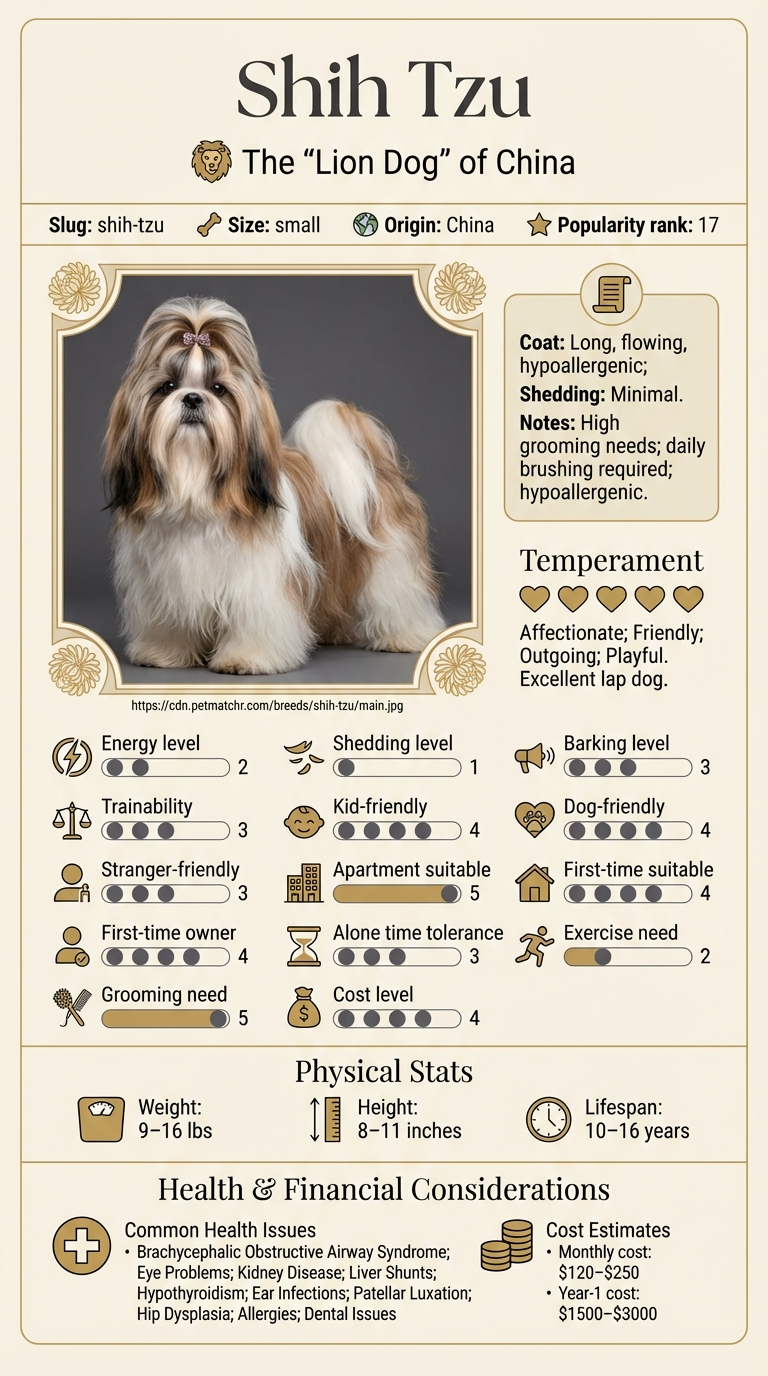
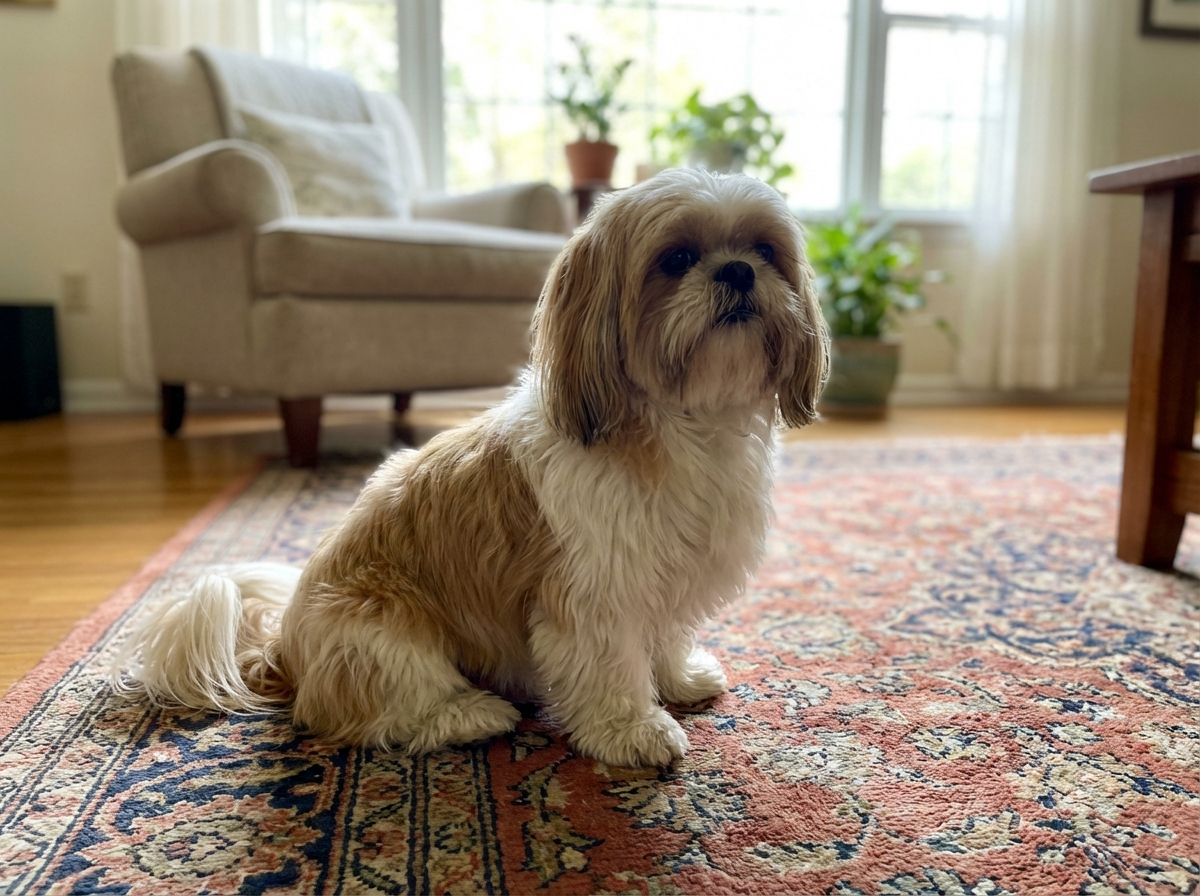
Shih Tzu brachycephalic obstructive airway syndrome (BOAS) is a serious breathing issue that affects many dogs of this breed.
Owners of Shih Tzus often face this issue, especially if they're new to the breed. Busy families or individuals may not realize the importance of monitoring their dog's breathing until they notice signs of distress.
Important reminder
This guide is not medical advice. If your dog shows pain, sudden behavior change, or worsening symptoms, consult a licensed veterinarian.
Some links may be affiliate links. We may earn a commission at no extra cost to you. We only suggest products we believe are helpful for dog owners.
What this problem looks like
Shih Tzus are prone to Brachycephalic Obstructive Airway Syndrome (BOAS), a condition that affects their breathing. Daily life with a Shih Tzu suffering from BOAS may involve labored breathing, snoring, and heat sensitivity. These dogs often struggle with strenuous activities, and you may notice them panting excessively even after light exercise.
Common triggers
Hot weather or high humidity
Excitement or overexertion
Obesity or weight gain
Allergies or respiratory infections
Brachycephalic Obstructive Airway Syndrome is quite common in Shih Tzus due to their unique facial structure. Many Shih Tzus may experience some level of BOAS, making it a significant concern for owners.
Why this happens
Breed factors
Shih Tzus are a brachycephalic breed, meaning they have short snouts and flattened faces. This unique structure can lead to narrower airways, which causes breathing difficulties. Their small size and specific genetic traits can exacerbate these issues.
Environment factors
Environmental factors, such as heat and humidity, can worsen the symptoms of brachycephalic obstructive airway syndrome (BOAS). Stressful situations or excessive exercise can also trigger breathing problems. Additionally, exposure to allergens and irritants in the air may contribute to airway inflammation.
What you can try
At-home strategies
Maintain a cool environment: Ensure your home is air-conditioned during hot weather to prevent overheating.
Limit exercise: Opt for short, gentle walks instead of strenuous activities, especially in warm weather.
Monitor weight: Keep your Shih Tzu at a healthy weight, as excess weight can worsen breathing problems.
Use a harness: Instead of a collar, use a well-fitted harness to minimize pressure on their neck.
Keep calm: Create a calm environment that reduces stress for your dog, as anxiety can affect breathing.
When to consider a trainer
If your Shih Tzu shows persistent signs of distress or anxiety, consider consulting a professional trainer. They can help with behavioral issues that might be linked to stress or discomfort. A trainer experienced with brachycephalic breeds can offer specialized strategies.
When to talk to your vet
If your Shih Tzu experiences severe breathing difficulties, frequent coughing, or excessive snoring, it's crucial to talk to your vet. They can assess the severity of BOAS and recommend appropriate treatments. Regular check-ups are also important to manage any ongoing health issues.
Realistic expectations
With consistent training and care, you can expect to see improvements in your Shih Tzu's breathing and overall comfort within 2 to 4 months.
Success means your Shih Tzu breathes more easily, experiences less snoring, and is more active without showing signs of distress, especially in warm weather.
Mistakes that make this worse
Avoiding these common mistakes can help manage your Shih Tzu's brachycephalic obstructive airway syndrome (BOAS) effectively.
Ignoring signs of distress: Many owners overlook heavy breathing or snoring, thinking it's normal. Pay attention to your Shih Tzu's breathing and seek veterinary advice if you notice these signs.
Overexerting during exercise: Some owners push their Shih Tzu to exercise too much, especially in hot weather. Opt for shorter, gentler walks to keep them comfortable and safe.
Using a regular collar: Standard collars can put pressure on your Shih Tzu's throat, worsening breathing issues. Switch to a harness designed for brachycephalic breeds to reduce strain.
Neglecting temperature control: Leaving your Shih Tzu in hot or humid conditions can lead to serious health issues. Always provide a cool, shaded area and avoid outdoor activities during peak heat.
Skipping vet check-ups: Some owners believe they can manage BOAS on their own. Regular vet visits are crucial for monitoring your dog's condition and adjusting care as needed.
Using harsh training methods: Punishment-based training can increase stress and anxiety, worsening breathing problems. Focus on positive reinforcement techniques to create a calm learning environment.
Not recognizing weight management: Being overweight can exacerbate BOAS symptoms. Ensure your Shih Tzu maintains a healthy weight through proper diet and exercise.
When Shih Tzu Brachycephalic Obstructive Airway Syndrome (BOAS) is an Emergency
It's crucial to understand when Shih Tzu brachycephalic obstructive airway syndrome (BOAS) requires immediate veterinary attention. In some cases, your furry friend might show mild symptoms that can be monitored. However, there are clear red flags that mean it's time to call your vet right away.
If your Shih Tzu is experiencing severe breathing difficulties, such as gasping for air, blue-tinged gums, or extreme lethargy, these are signs of a respiratory crisis. Other emergencies include excessive coughing, inability to exercise normally, or signs of distress during hot weather. If you notice any of these symptoms, don’t hesitate—contact your vet immediately.
On the other hand, mild symptoms like occasional snoring or slight difficulty breathing during play may not require urgent care. You can create a management plan to help your Shih Tzu cope with these symptoms at home. Keeping your dog cool, avoiding strenuous exercise, and monitoring their behavior closely can help.
Remember, while monitoring is essential, your dog's health should always come first. If you’re ever in doubt about your dog’s condition, it’s better to err on the side of caution and speak with your vet. They can guide you on the best course of action, whether it's a simple check-up or an immediate intervention.
Shih Tzu Brachycephalic Obstructive Airway Syndrome (BOAS) - When Shih Tzu Brachycephalic Obstructive Airway Syndrome (BOAS) is an Emergency
Maggie's Journey with BOAS
Maggie, a new Shih Tzu owner, was worried when she noticed her pup, Bella, frequently struggled to breathe, especially during play. After discussing with her vet, she learned Bella had brachycephalic obstructive airway syndrome (BOAS). Maggie implemented a gentle training regimen focused on short, calm walks and avoiding hot weather. Over a few months, Bella's breathing improved significantly, and she became more playful and energetic.
Key takeaway: Understanding BOAS and making simple lifestyle changes can greatly enhance your Shih Tzu's quality of life.
Frequently asked questions
What is Shih Tzu brachycephalic obstructive airway syndrome (boas)?
Shih Tzu brachycephalic obstructive airway syndrome (boas) is a condition that affects the breathing of flat-faced dogs. It leads to difficulties like snoring, noisy breathing, and heat sensitivity. These problems arise from their unique facial structure.
Why does my Shih Tzu have brachycephalic obstructive airway syndrome (boas)?
This condition is primarily due to the Shih Tzu's short muzzle and other anatomical factors. Breeding practices have also contributed to these features. If your Shih Tzu is struggling to breathe, it's important to consult a vet for proper diagnosis and advice.
How can I help my Shih Tzu with brachycephalic obstructive airway syndrome (boas)?
To support your Shih Tzu, ensure they maintain a healthy weight and avoid strenuous exercise in hot weather. You can also create a calming environment and monitor their breathing closely. Regular vet visits are essential to assess the severity of their condition.
What are signs of severe brachycephalic obstructive airway syndrome (boas) in Shih Tzus?
Signs include excessive panting, lethargy, and difficulty breathing, especially during play or in warm weather. If you notice these symptoms, seek veterinary attention immediately. Early intervention can prevent further health complications.
Is there a way to train my Shih Tzu to manage brachycephalic obstructive airway syndrome (boas)?
While training won't cure BOAS, you can teach your Shih Tzu to take breaks during play and to use calming cues when they seem stressed. Positive reinforcement can help them feel more secure in their environment. Consult with a trainer familiar with this condition for tailored strategies.
What are the signs of Shih Tzu brachycephalic obstructive airway syndrome (boas)?
Common signs of this condition include noisy breathing, snoring, and difficulty breathing, especially during exercise or in hot weather. If your Shih Tzu is panting excessively or seems lethargic, it may be time to consult your veterinarian.
How can I help my older Shih Tzu with brachycephalic obstructive airway syndrome (boas)?
Older Shih Tzus may show more severe symptoms of boas. Ensure they have a cool, comfortable space, and consider reducing their exercise intensity. Regular check-ups with your vet can help manage their condition effectively.
Why does my Shih Tzu have brachycephalic obstructive airway syndrome (boas)?
Shih Tzus are bred with flat faces, which can lead to anatomical issues causing boas. This hereditary condition affects their airways and breathing. It's important to understand that this is common in brachycephalic breeds, and management is key.
What should I do if my Shih Tzu has a breathing crisis?
If your Shih Tzu is struggling to breathe, remain calm and seek immediate veterinary care. In the meantime, keep them cool and avoid any stressors. Knowing the signs of a crisis can save your dog's life.
Can training help reduce symptoms of Shih Tzu brachycephalic obstructive airway syndrome (boas)?
While training won't cure boas, it can help with behavior management. Training your Shih Tzu to remain calm during stressful situations can reduce breathing difficulties. Simple commands can also keep them calm during walks.
What are quick tips for managing Shih Tzu brachycephalic obstructive airway syndrome (boas)?
Keep your Shih Tzu cool and avoid exercise during hot weather. Monitor their breathing and weight closely. Regular vet check-ups are crucial for managing their health.
Living
How can I keep my Shih Tzu comfortable with brachycephalic obstructive airway syndrome (boas)?
Provide a calm, cool environment and limit stressors. Use fans or air conditioning to help them breathe easier during hot days.
Costs
What are the costs associated with treating Shih Tzu brachycephalic obstructive airway syndrome (boas)?
Monthly costs for managing BOAS can range from $120 to $250, including vet visits and treatments. Be prepared for potential surgery costs if necessary.