Behavior
What are quick tips for Shih Tzu bloat (gastric dilatation-volvulus/gdv)?
Feed smaller, more frequent meals and use slow feeder bowls to prevent gulping. Limit exercise right after eating to reduce the risk of bloat.
Shih Tzu bloat, or gastric dilatation-volvulus (GDV), is a serious and potentially life-threatening condition affecting your dog’s stomach. (Shih Tzu bloat (gastric dilatation-volvulus/gdv))
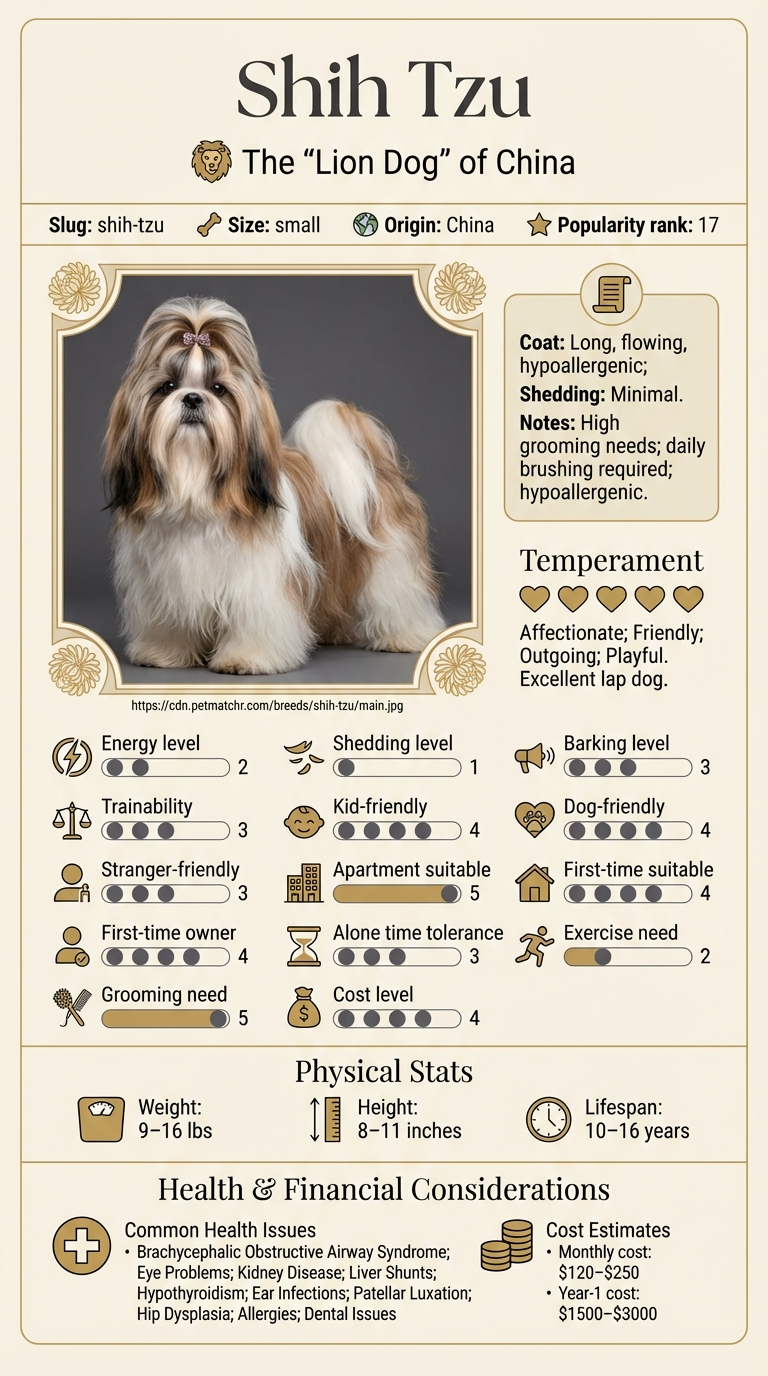
Typically, owners of Shih Tzus may struggle with this issue due to their breed's unique anatomy. First-time dog owners or those unfamiliar with the signs of bloat may find it particularly challenging to recognize the symptoms early.
This guide is not medical advice. If your dog shows pain, sudden behavior change, or worsening symptoms, consult a licensed veterinarian.
Some links may be affiliate links. We may earn a commission at no extra cost to you. We only suggest products we believe are helpful for dog owners.
Shih Tzu bloat, known as gastric dilatation-volvulus (GDV), is a serious condition that can cause a dog’s stomach to fill with gas and twist on itself. This often leads to severe pain and can be life-threatening if not treated immediately. Owners may notice their Shih Tzu displaying signs like a swollen abdomen, restlessness, or unproductive vomiting, which can be alarming and requires quick action.
Bloat is relatively common in small breeds like the Shih Tzu, especially those with a history of digestive issues. While it can occur in any dog, Shih Tzus are particularly susceptible due to their body structure and eating habits. Awareness and preventive measures are crucial for owners to help lessen the risk.
Shih Tzus are small dogs with a unique body shape that makes them more susceptible to bloat (gastric dilatation-volvulus). Their deep chest and short legs can cause gas to build quickly in their stomach. Additionally, their brachycephalic nature can lead to breathing difficulties, which may contribute to stress and anxiety that can exacerbate the condition.
Environmental factors such as rapid eating, high-stress situations, or excessive exercise after meals can trigger bloat. If a Shih Tzu eats too fast, it can swallow air along with food, increasing the risk of bloating. Changes in routine, like travel or new pets in the home, may also stress them out, leading to gastrointestinal issues.
If your Shih Tzu frequently shows signs of anxiety or stress that leads to bloat, consider consulting a trainer. A professional can help you implement training techniques to promote calmness during meals and reduce anxiety triggers.
If you notice signs of bloat, such as a swollen abdomen, excessive drooling, or difficulty breathing, contact your vet immediately. Bloat is a serious condition that requires prompt medical attention. Regular check-ups can also help monitor your Shih Tzu's health and manage any potential issues.
You can expect to see improvements in your Shih Tzu's behavior regarding bloat within a few weeks to a couple of months with consistent training and management.
Success means your Shih Tzu can eat comfortably without signs of distress, and you can quickly recognize any early signs of bloat, allowing for timely intervention.
Avoiding common pitfalls can help you manage Shih Tzu bloat more effectively. Here are some mistakes to watch out for and better alternatives.
Recognizing when Shih Tzu bloat (gastric dilatation-volvulus/GDV) is an emergency can save your pet's life. If you notice any of the following red-flag signs, it's crucial to call your vet immediately. These signs include a swollen abdomen, excessive drooling, attempts to vomit without success, or signs of severe distress such as pacing, whining, or restlessness. These symptoms indicate that your Shih Tzu is in serious trouble and needs urgent care.
On the other hand, if your dog has mild symptoms, you can monitor them at home for a short period. Mild signs might include slight bloating or a decrease in appetite without distress. For these cases, allow your dog to rest in a calm environment, and keep an eye on their condition. If symptoms worsen or do not improve within a few hours, contact your vet for guidance. Regular vet check-ups can help you stay ahead of potential issues.
Always remember that time is of the essence with bloat. Delaying treatment can lead to life-threatening consequences. If in doubt, it’s better to err on the side of caution and seek professional help. Keeping your vet’s number handy can make all the difference in an emergency situation.

Sarah, a busy mom in a small apartment, faced a tough challenge with her Shih Tzu, Max. After noticing that he frequently bloated after meals, she felt overwhelmed and worried about his health. She researched how to stop Shih Tzu bloat and implemented a feeding schedule with smaller portions, along with slow-feeding bowls to reduce gulping. Over time, Max's symptoms improved, and Sarah learned to recognize warning signs. Now, she feels empowered and more confident in managing his health.
Key takeaway: With patience and the right approach, you can effectively manage Shih Tzu bloat, ensuring your furry friend stays healthy and happy.
Bloat in Shih Tzus can occur due to various factors, including eating too quickly, stress, or a genetic predisposition. This condition causes the stomach to fill with gas and can twist, leading to GDV, which is life-threatening. It's crucial to monitor your dog’s eating habits and reduce stress in their environment.
To help prevent bloat in your Shih Tzu, feed smaller meals throughout the day instead of one large meal. Use a slow feeder bowl to encourage slower eating and avoid vigorous exercise immediately after meals. Regular vet check-ups can also help monitor any potential issues.
Signs of bloat include a swollen abdomen, restlessness, excessive drooling, and attempts to vomit without success. If you notice these symptoms, seek emergency veterinary care immediately. Time is crucial in treating GDV.
While bloat is more common in deep-chested breeds, Shih Tzus can also be affected. Their unique anatomy and tendency to gulp food can increase the risk. Being aware of the signs and prevention strategies is essential for all Shih Tzu owners.
If you suspect your Shih Tzu has bloat, take them to the vet immediately. Treatment may involve stabilizing your dog and possibly performing surgery to correct the twisted stomach. Quick action can save your dog's life.
Early signs of Shih Tzu bloat include a distended abdomen, restlessness, excessive drooling, and attempts to vomit without success. If you notice these symptoms, it's crucial to seek veterinary attention immediately.
Yes, older Shih Tzus can be at higher risk for bloat due to reduced muscle tone and other age-related factors. Regular check-ups can help monitor their health and catch potential issues early.
To help prevent bloat, feed your Shih Tzu smaller, more frequent meals rather than one large meal. Avoid vigorous exercise right after eating, and consider using a slow feeder bowl to promote more mindful eating.
If your Shih Tzu shows signs of bloating, such as a swollen belly or difficulty breathing, you should take them to the vet immediately. Time is critical, as this condition can quickly become life-threatening.
While bloat is more common in larger breeds, smaller breeds like Shih Tzus can still be affected. Understanding your Shih Tzu’s specific risk factors can help in prevention and early detection.
Feed smaller, more frequent meals and use slow feeder bowls to prevent gulping. Limit exercise right after eating to reduce the risk of bloat.
Treatment for bloat can range from $1,500 to $7,500, depending on the severity and necessary procedures. Having pet insurance may help cover these costs.
Yes, by managing feeding habits and reducing stress. Regular vet visits are important for early detection and prevention.