Behavior
What are some quick tips for Shih Tzu arthritis?
Keep your Shih Tzu at a healthy weight and provide joint supplements if recommended by your vet. Short, gentle walks are ideal, and make sure they have a cozy place to rest.

Quick answer
What are some quick tips for Shih Tzu arthritis?
Keep your Shih Tzu at a healthy weight and provide joint supplements if recommended by your vet. Short, gentle walks are ideal, and make sure they have a cozy place to rest.
Shih Tzu arthritis can significantly affect your furry friend's quality of life. This common condition limits their movement and activity.
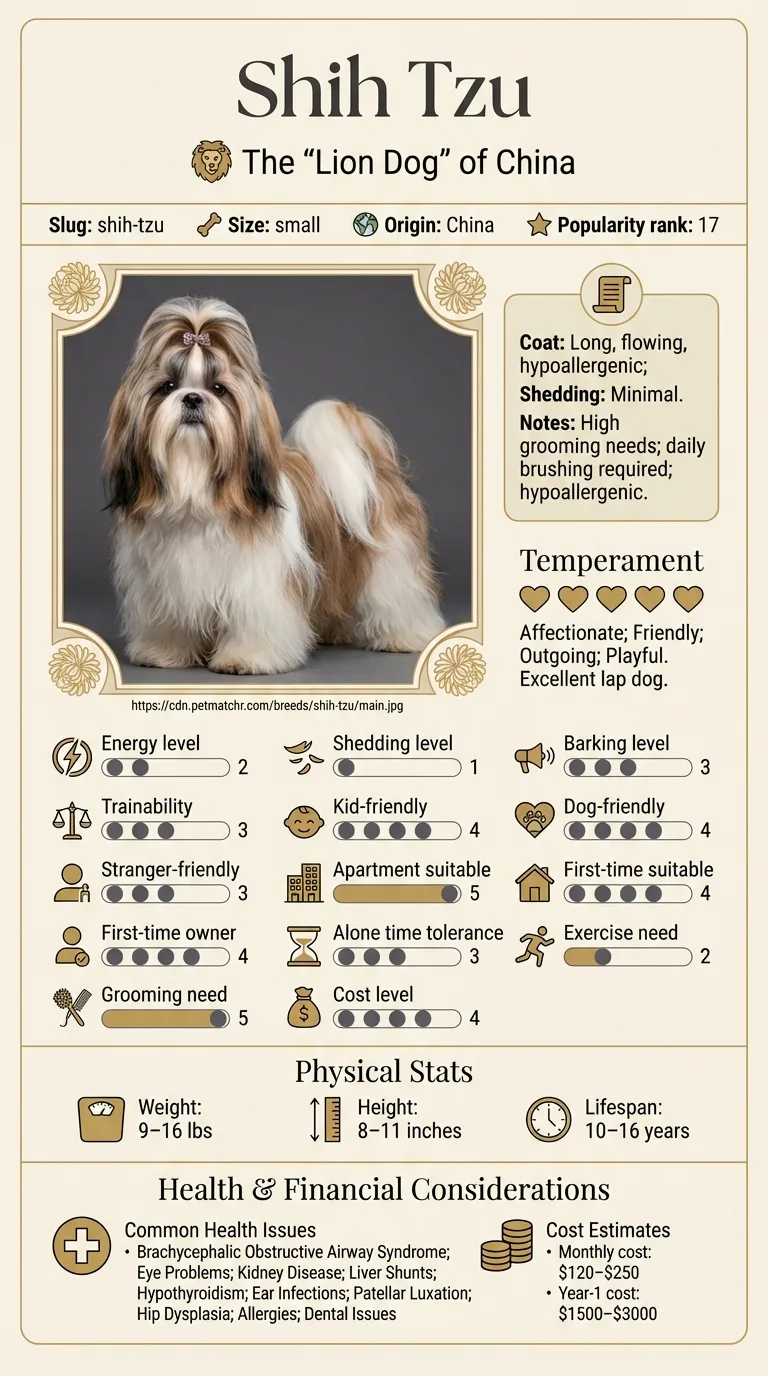
Owners of Shih Tzus, especially those with older dogs, often struggle with managing arthritis. This condition can make everyday activities challenging for both the dog and the owner.
This guide is not medical advice. If your dog shows pain, sudden behavior change, or worsening symptoms, consult a licensed veterinarian.
Some links may be affiliate links. We may earn a commission at no extra cost to you. We only suggest products we believe are helpful for dog owners.
We research and check what we publish, but we do not warrant that any figure, date, price, or statement is accurate, complete, or current, and we accept no liability for any loss, cost, injury, or other harm arising from the use of this site. Use it as one reference among several. You remain responsible for your own decisions and for your dog's care - confirm anything that matters with a licensed veterinarian or another qualified professional before you act on it. Full disclaimer.
Check this first
Understanding when Shih Tzu arthritis is an emergency is crucial for your pet's well-being. There are clear signs that require immediate veterinary attention, while other symptoms may be monitored at home. Knowing the difference can save your furry friend from unnecessary pain and discomfort.
If any of these apply, call your vet or an emergency clinic now. The rest of this page is for the cases that are not an emergency.
Shih Tzu arthritis can significantly impact your furry friend's daily life. This condition often manifests as stiffness, reluctance to move, or difficulty navigating stairs. Owners may notice their Shih Tzu hesitating to play or being less active than usual.
Arthritis is a common issue among Shih Tzus, especially as they age. Many owners report signs of joint pain in dogs over 7 years old, making it essential to monitor their activity levels and overall well-being.
Shih Tzus are small dogs, which can lead to joint issues as they age. Their compact bodies often carry extra weight, increasing stress on their joints. Additionally, breeds like Shih Tzus are prone to specific health problems, including hip dysplasia and obesity, which can contribute to arthritis.
The environment plays a significant role in arthritis development. Lack of exercise can weaken muscles that support joints, while slippery floors can lead to falls and injuries. Additionally, excessive weight from overfeeding can accelerate joint wear and tear.
If you notice signs like limping, difficulty standing, or changes in behavior such as increased irritability, it's crucial to talk to your vet. They can evaluate your dog's joints and recommend appropriate treatments, including medication or physical therapy.
Avoiding these common mistakes can help improve your Shih Tzu's arthritis symptoms. Here are some behaviors to watch out for:
Start here: Shih Tzu Most Common Genetic Disorders: What to Screen For
See all Shih TZU health problems, which breeds are prone to arthritis, or the full Shih TZU breed guide for temperament, exercise needs and ownership costs.
You may start noticing improvements in your Shih Tzu's mobility within 4 to 6 weeks of consistent treatment and lifestyle changes.
Success means your Shih Tzu can move around comfortably, play, and enjoy daily activities without significant pain or discomfort.
If your Shih Tzu shows any of the following symptoms, it's time to call your vet immediately: - Sudden inability to walk or bear weight on a leg - Severe swelling or warmth in the joints - Extreme pain or discomfort when touched - Continuous crying or whimpering, especially during movement - Loss of appetite or refusal to drink water - Noticeable changes in mood, like aggression or hiding away - Fever or lethargy that lasts more than 24 hours.

If your Shih Tzu displays mild signs of arthritis, you can monitor their condition at home. Keep an eye out for: - Occasional limping or stiffness after play - Slight difficulty getting up after resting - Mild discomfort when climbing stairs or jumping onto furniture - Changes in activity level but still engages in play - Occasional whining or subtle signs of pain that resolve quickly.

Emily, a busy nurse in her 30s, noticed her 10-year-old Shih Tzu, Bella, was having trouble jumping onto the couch and seemed less interested in playtime. After a vet visit, Emily learned Bella had arthritis. Determined to help her furry friend, Emily started a tailored treatment plan that included joint supplements, gentle exercises, and weight management. Over the next few months, Bella's mobility improved significantly. Emily was thrilled to see Bella chasing her toys again and even jumping onto the couch with ease.
Key takeaway: With a proactive approach and the right support, managing Shih Tzu arthritis can lead to a happier, more active life for your dog.
Common signs of arthritis in a Shih Tzu include limping, reluctance to jump, or difficulty getting up. You might also notice them being less active or showing signs of pain when touched. If you see these signs, it's crucial to talk to your vet.
To help your Shih Tzu, keep their weight in check and provide a comfortable, warm resting area. Consider low-impact exercises like short walks and swimming, which can help maintain joint health. Joint supplements may also be beneficial, but always consult your vet first.
Yes, training can help! Gentle training focused on low-impact activities can strengthen muscles around the joints. Always avoid strenuous exercises and prioritize activities that are easy on their joints.
Yes, various medications can help manage arthritis pain in Shih Tzus. Non-steroidal anti-inflammatory drugs (NSAIDs) are commonly prescribed. Always follow your vet's recommendations regarding medications and dosages.
Early signs of arthritis in a Shih Tzu include stiffness after resting, reluctance to jump or climb stairs, and decreased interest in play. You might also notice your dog favoring one leg or showing signs of discomfort when touched.
Yes, older Shih Tzus can still enjoy walks, but it's important to keep them short and gentle. Monitor your dog for signs of fatigue or pain, and consult your vet about appropriate exercise levels.
While arthritis is often associated with aging, some younger Shih Tzus can develop it due to genetic factors, previous injuries, or obesity. If you suspect early onset arthritis, a vet visit is essential for diagnosis and management.
You can help your Shih Tzu manage arthritis pain by providing a warm, comfortable bed, maintaining a healthy weight, and offering joint supplements as recommended by your vet. Gentle massage and physical therapy can also be beneficial.
You should take your Shih Tzu to the vet if you notice persistent signs of pain, difficulty moving, or changes in behavior. Early intervention can help manage arthritis effectively and improve their quality of life.
Keep your Shih Tzu at a healthy weight and provide joint supplements if recommended by your vet. Short, gentle walks are ideal, and make sure they have a cozy place to rest.
The cost for treating Shih Tzu arthritis can range between $100 to $500 monthly, depending on medications and treatments needed. Regular vet visits can add to this cost, so budget accordingly.
Avoid high-impact activities like running or jumping, as they can worsen arthritis symptoms. Also, steer clear of slippery surfaces that can lead to falls.
Signs of pain in a Shih Tzu may include limping, whining, or changes in eating habits. If you notice any unusual behavior, consult your vet.
A diet rich in omega-3 fatty acids can help reduce inflammation. Consult your vet for specific dietary recommendations tailored to your Shih Tzu's needs.
A one-page prep sheet for this condition: the signs, the questions to ask, what to get priced. Unlocks here.
You get: Vet visit prep sheet
No spam. One-click unsubscribe. See our privacy policy.
Preview page 1 before you decide.