Health
What are quick tips for managing Shibа Inu x-scid?
Ensure your Shibа Inu is in a clean environment and keep their vaccinations up to date. Regular vet visits are essential for monitoring their health.
Shibа Inu x-scid is a serious health condition that affects a dog's immune system. Understanding this condition is crucial for your dog's health and well-being.
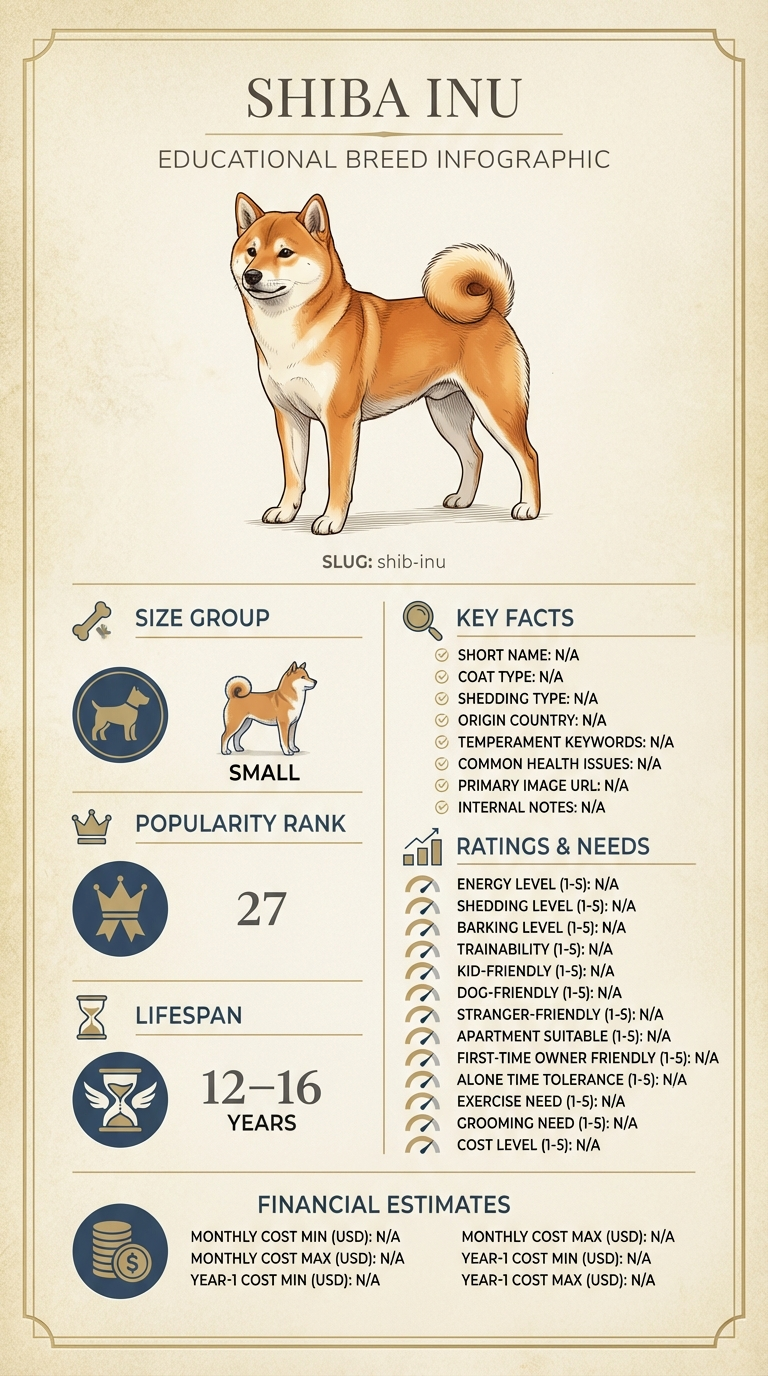
Typically, Shibа Inu owners who notice unusual health symptoms or recurrent infections may struggle with this issue. First-time dog owners may find it particularly challenging to navigate the complexities of x-scid.
This guide is not medical advice. If your dog shows pain, sudden behavior change, or worsening symptoms, consult a licensed veterinarian.
Some links may be affiliate links. We may earn a commission at no extra cost to you. We only suggest products we believe are helpful for dog owners.
Shibа Inu x-scid, or X-Severe Combined Immunodeficiency, is a serious health issue affecting this breed. Dogs with x-scid have a weakened immune system, making them vulnerable to infections. This condition can lead to frequent illness and requires careful management from their owners.
X-scid is a rare condition among Shibа Inus, but owners should be aware of its potential risks. It's important to monitor your dog for any signs of illness and consult with a vet for regular check-ups.
Shibа Inus can be predisposed to certain genetic health issues, including X-SCID, which is a rare condition that affects their immune system. This breed is known for its strong-willed nature, which could complicate training if issues arise from their health challenges.
Environmental factors like stress, lack of proper socialization, and inadequate training can worsen behavior issues in Shibа Inus. A chaotic home environment can trigger anxiety or fear-based behaviors, leading to more noticeable problems.
If your Shibа Inu's behavior issues persist or worsen despite your efforts, it may be time to consult a professional trainer. Look for trainers who specialize in positive reinforcement techniques, especially for Shibа Inus.
If you notice signs of health problems, such as frequent infections, lethargy, or changes in appetite, contact your vet. They can help determine if the behavior issues are related to X-SCID or other underlying health concerns.
Expect to see some improvements within 2 to 4 months of consistent training and care.
Success means your Shibа Inu x-scid shows increased comfort, reduced anxiety, and a more stable emotional state.
Many owners unintentionally hinder their Shibа Inu with X-SCID by making common mistakes. Here are some behaviors to avoid, along with better alternatives.
Understanding when Shibа Inu x-scid becomes an emergency is crucial for your dog’s health. There are clear signs indicating that immediate veterinary attention is needed. If your Shibа Inu shows severe lethargy, difficulty breathing, or persistent vomiting, these are red flags. Other alarming symptoms include pale gums, excessive bleeding, or unresponsiveness. If you notice any of these, call your vet right away.
On the other hand, mild cases of x-scid might not require immediate action. If your Shibа Inu has mild lethargy or a slight decrease in appetite but is still active and alert, you can monitor the situation. Set up a plan to observe your pet over the next few days. Keep track of any changes in behavior, eating habits, or energy levels. If symptoms worsen or new signs appear, then it’s time to consult your vet. Being proactive can help catch any potential issues before they escalate.
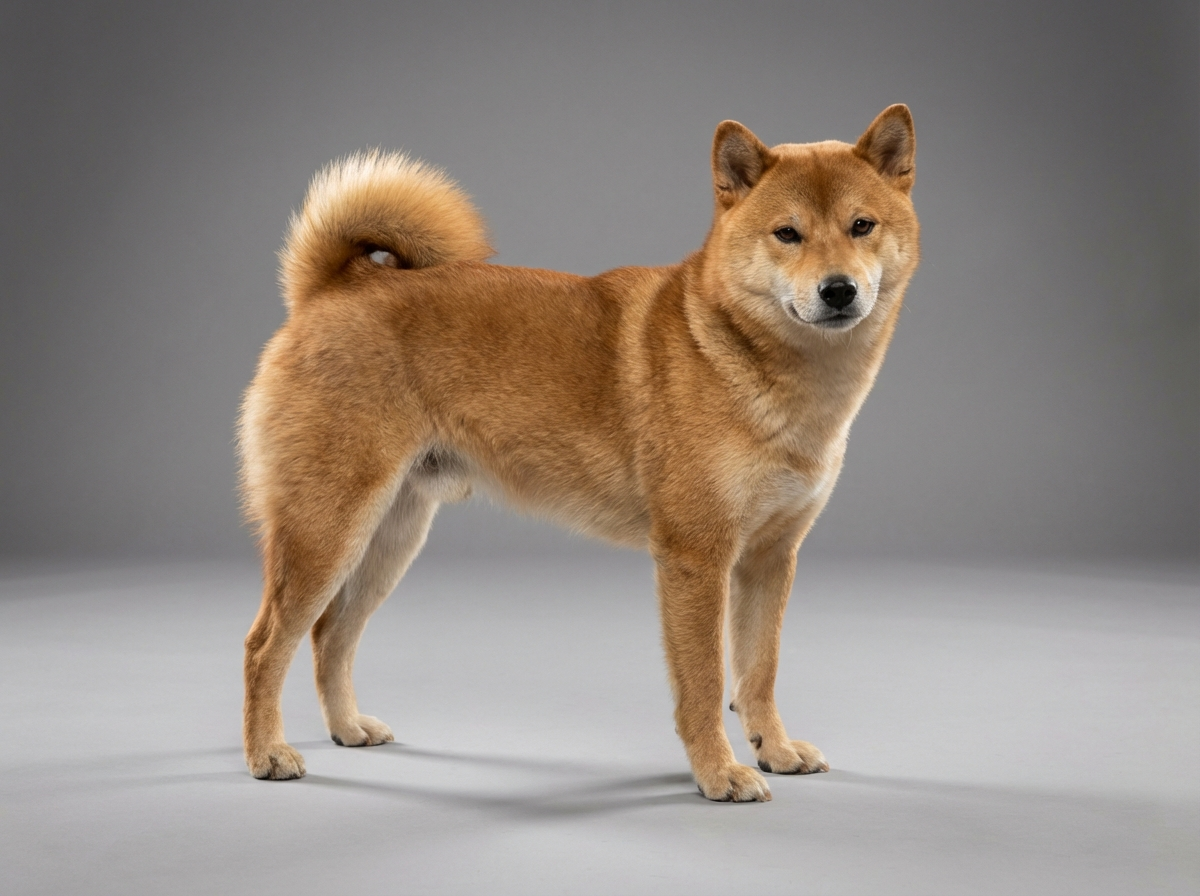
Samantha, a busy nurse in Portland, adopted Kiko, a Shibа Inu with x-scid. Right away, she noticed that Kiko struggled with being alone, barking incessantly and showing signs of distress. After consulting a vet, Samantha learned that consistent training and a structured routine could help. She started to implement short training sessions focused on building Kiko’s confidence and gradually increased the time he spent alone. Over a few months, Kiko learned to feel more secure, and Samantha found that he could stay calm for extended periods, enjoying his toys instead of barking.
Key takeaway: With patience and a structured approach, you can help your Shibа Inu x-scid manage anxiety effectively.
X-SCID, or Severe Combined Immunodeficiency, is a rare genetic condition. It affects your Shibа Inu's immune system, making them vulnerable to infections. If you suspect your dog has this condition, consult a vet for proper testing and diagnosis.
Unfortunately, there is no cure for x-scid. However, you can manage symptoms by providing a safe, clean environment and regular vet check-ups. Your vet may suggest medications to help your dog cope with infections.
Signs of x-scid include recurrent infections, poor growth, and lethargy. If your Shibа Inu shows these symptoms, it's crucial to seek veterinary care immediately to discuss treatment options.
Since x-scid is a genetic disorder, it cannot be prevented. Responsible breeding practices can reduce the risk of passing on this condition. Always choose a reputable breeder who screens for genetic disorders.
The life expectancy of a Shibа Inu with x-scid is often reduced due to the severity of the condition. With proper care and management, some dogs may live into their teens, but they will require close monitoring.
If your Shibа Inu shows symptoms of X-SCID, such as frequent infections or unusual lethargy, it's crucial to consult a veterinarian immediately. They can perform specific tests to confirm the diagnosis and recommend appropriate treatment options.
X-SCID can be particularly concerning in older Shibа Inus, as their immune systems may already be compromised. Regular veterinary check-ups are essential to monitor their health and address any complications quickly.
To help your Shibа Inu manage X-SCID, focus on creating a safe and clean environment. Minimize exposure to other animals and ensure their vaccinations are up-to-date, as your vet recommends. Regular check-ups are critical to monitor their health.
Yes, X-SCID is a genetic condition in Shibа Inus. If you are considering breeding, it's vital to have your dog tested for this condition and consult with a veterinarian about the risks associated with breeding affected dogs.
Long-term care for a Shibа Inu with X-SCID includes regular veterinary visits, a controlled environment, and possibly special dietary needs. Keeping track of any health changes and being proactive can help manage the condition effectively.
Ensure your Shibа Inu is in a clean environment and keep their vaccinations up to date. Regular vet visits are essential for monitoring their health.
Provide a stress-free home and avoid exposing them to sick animals. Maintaining a routine can help your dog feel more secure.
Yes, gentle training can help your Shibа Inu feel more secure and may reduce anxiety. Focus on positive reinforcement methods.
Look for signs of illness such as lethargy or unusual behavior. Any changes should prompt a vet visit.
Yes, they need a clean living space and regular veterinary check-ups to manage their health effectively.