Health
What are Shibа Inu ventricular arrhythmias quick tips?
Keep your Shibа Inu's stress levels low and maintain a consistent routine. Regular vet check-ups are crucial to monitor heart health.
Shibа Inu ventricular arrhythmias involve irregular heartbeats that can affect your dog's health and wellbeing.
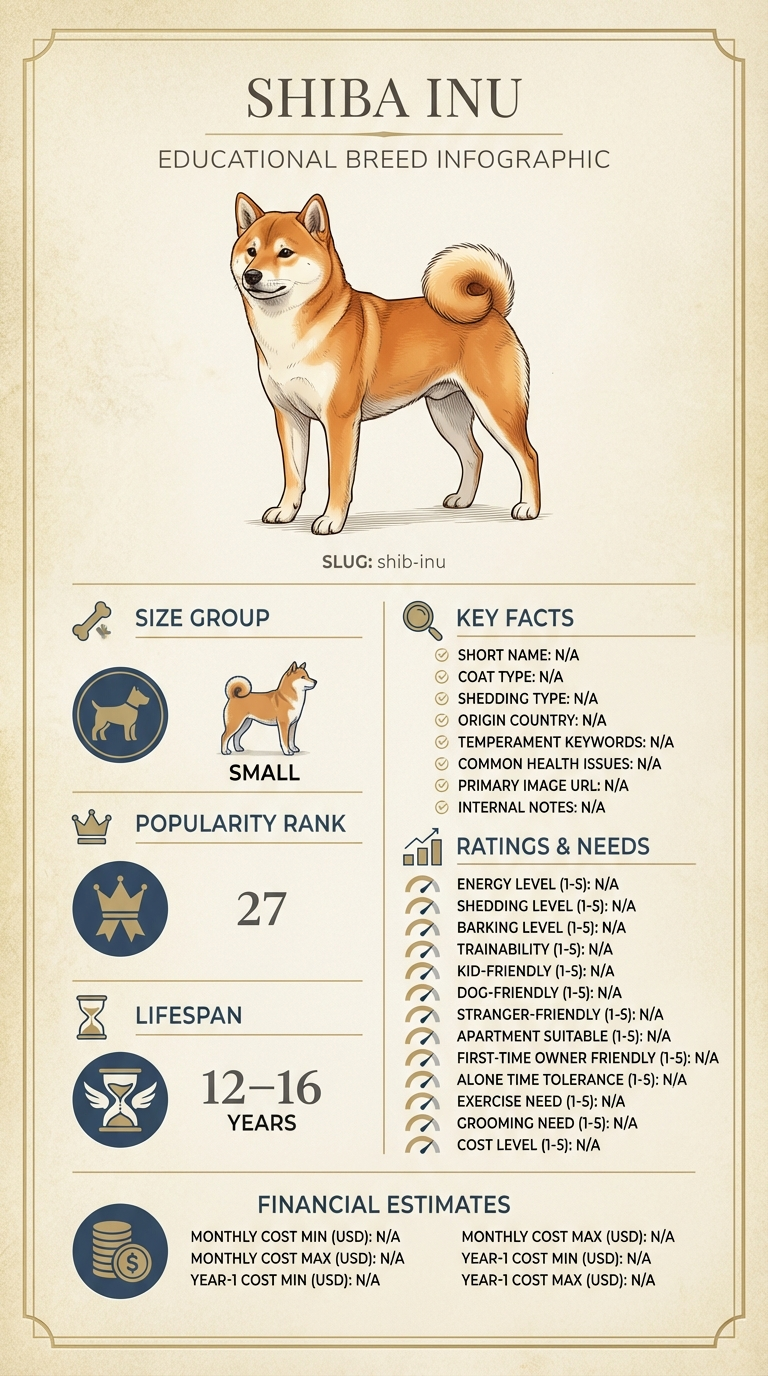
Owners of Shibа Inus, especially those who notice unusual behaviors such as lethargy or fainting, often face challenges in identifying and dealing with ventricular arrhythmias.
This guide is not medical advice. If your dog shows pain, sudden behavior change, or worsening symptoms, consult a licensed veterinarian.
Some links may be affiliate links. We may earn a commission at no extra cost to you. We only suggest products we believe are helpful for dog owners.
Shibа Inus can experience ventricular arrhythmias, which are irregular heartbeats that may cause distress. Day-to-day, this can look like your dog being more lethargic than usual, having difficulty breathing, or experiencing fainting spells. These symptoms can be alarming for owners, especially if they come on suddenly or without clear reason.
Ventricular arrhythmias are relatively common in Shibа Inus, particularly as they age or if they have a family history of heart issues. Being aware of the signs and monitoring your dog's health can help in addressing these problems early.
Shibа Inus can be predisposed to ventricular arrhythmias due to genetic factors. Some breeds have inherited heart conditions that can lead to irregular heartbeats. Understanding these breed-specific health issues is crucial for early detection and care.
Environmental factors such as high-stress situations, lack of exercise, or poor diet can also contribute to ventricular arrhythmias. Stressful lifestyles or insufficient physical activity might trigger heart irregularities. Observing your dog's environment can help identify potential stressors.
If your Shibа Inu continues to show signs of anxiety or stress, consider working with a professional dog trainer. They can help address behavioral issues that may contribute to heart irregularities through specialized training techniques.
Talk to your vet if you notice persistent irregular heartbeats, difficulty breathing, or lethargy. A vet's evaluation is essential to rule out serious health issues. Early intervention can make a significant difference in your dog's health.
Expect to see some improvement within 4 to 6 weeks, but ongoing management will be necessary.
Success means your Shibа Inu experiences fewer irregular heartbeats and overall better energy and health.
Avoiding these common mistakes can help improve your Shibа Inu's condition.
Ventricular arrhythmias in your Shibа Inu can be concerning. It's important to know when to take immediate action and when you can monitor the situation at home. If your dog shows signs of severe distress, it's time to call your vet right away.
Emergency signs include fainting, extreme lethargy, or if your Shibа Inu has difficulty breathing. If your dog is collapsing, shows blue-tinged gums, or has a heart rate that feels irregular or rapid, don’t hesitate—get to a vet immediately. These can indicate a serious condition requiring urgent medical attention.
On the other hand, if your Shibа Inu occasionally exhibits mild arrhythmias without any of the severe symptoms mentioned, you can monitor them at home. Look for signs like brief moments of irregular heartbeat without distress. Keeping a close eye and noting any frequency or changes in behavior can be helpful. However, it’s always a good idea to discuss these observations with your vet in a non-emergency situation. Regular check-ups can help manage the condition effectively and ensure your furry friend stays healthy.
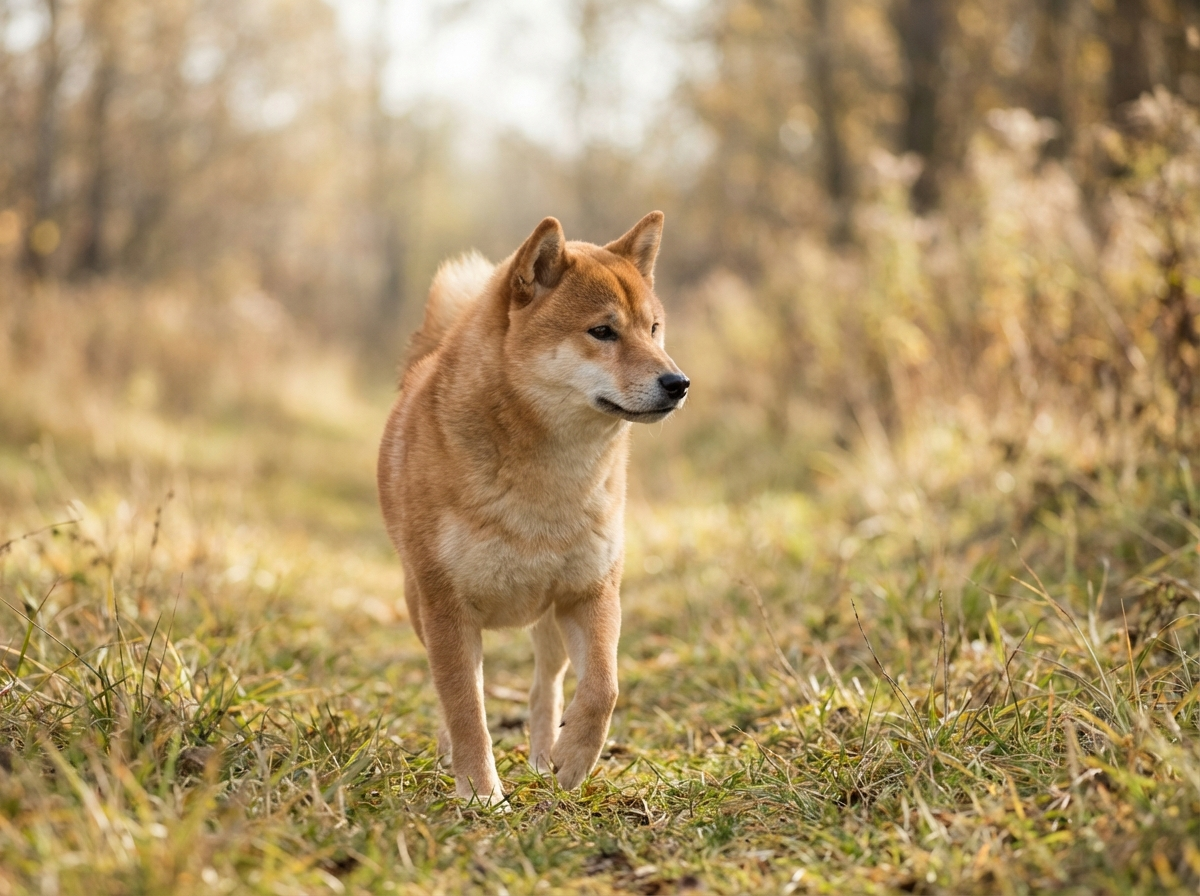
Emily, a first-time Shibа Inu owner, was worried when her dog, Max, began showing signs of ventricular arrhythmias. After a visit to the vet, she learned that Max would need a combination of medication and lifestyle changes. Emily committed to a structured routine that included regular vet check-ups, controlled exercise, and a heart-healthy diet. Over the next few months, she carefully tracked Max's symptoms and adjusted his care as needed. By the end of three months, Max was more energetic and playful, with noticeably fewer episodes of irregular heartbeat. Emily felt relieved and proud of how far they had come together.
Key takeaway: Managing Shibа Inu ventricular arrhythmias takes time and dedication, but with the right support and routine, improvement is possible.
Ventricular arrhythmias in Shibа Inus can be caused by various factors, including genetics, underlying heart disease, or stress. It's essential to consult a vet who can perform tests to determine the specific cause for your dog.
Signs of ventricular arrhythmias may include lethargy, fainting, or a rapid heartbeat. If you notice any unusual behavior, consult your veterinarian immediately for a proper diagnosis.
To manage ventricular arrhythmias in your Shibа Inu, follow your vet's advice, which may include medication and lifestyle changes. Regular check-ups will help monitor your dog's health and adjust treatment as needed.
Treatment can vary but often involves medication to regulate heart rhythm. Your vet may also recommend lifestyle changes, such as a low-stress environment and regular exercise, to help minimize symptoms.
While training won't directly cure ventricular arrhythmias, it can help reduce stress and anxiety in your Shibа Inu. Positive reinforcement training can create a calmer environment, which may benefit your dog's heart health.
Common signs of ventricular arrhythmias in Shibа Inus include lethargy, weakness, fainting, or changes in breathing patterns. If you notice these symptoms, it's crucial to consult your vet for a proper diagnosis.
Yes, stress can be a trigger for ventricular arrhythmias in Shibа Inus. Situations like loud noises or changes in their environment may cause stress, leading to irregular heartbeats. Managing their environment can help reduce these triggers.
Older Shibа Inus may be more prone to ventricular arrhythmias due to age-related heart changes. Regular vet check-ups become increasingly important as your dog ages to catch any potential heart issues early.
To support your Shibа Inu's heart health, maintain a balanced diet, ensure regular exercise, and manage their weight. Always consult your vet before making any significant changes to their routine or diet.
If your Shibа Inu experiences persistent irregular heartbeats or shows signs of distress, it's time to see the vet. Quick action can help manage their condition effectively and improve their quality of life.
Keep your Shibа Inu's stress levels low and maintain a consistent routine. Regular vet check-ups are crucial to monitor heart health.
Observe your dog for any signs of distress and report them to your vet. Medication can often help manage irregular heartbeats effectively.
A balanced diet low in sodium may support heart health. Consult your vet for personalized dietary recommendations for your Shibа Inu.
Regular check-ups every 6-12 months are recommended for dogs with heart issues. Your vet will guide you on the frequency based on your dog's condition.