Behavior
What are quick tips for Shibа Inu obesity?
Measure food portions and stick to a feeding schedule. Encourage daily exercise with walks or playtime. Monitor their weight regularly to track progress.
Shiba Inu obesity is a growing concern for many owners, impacting their dogs' health and happiness. (Shibа Inu obesity)
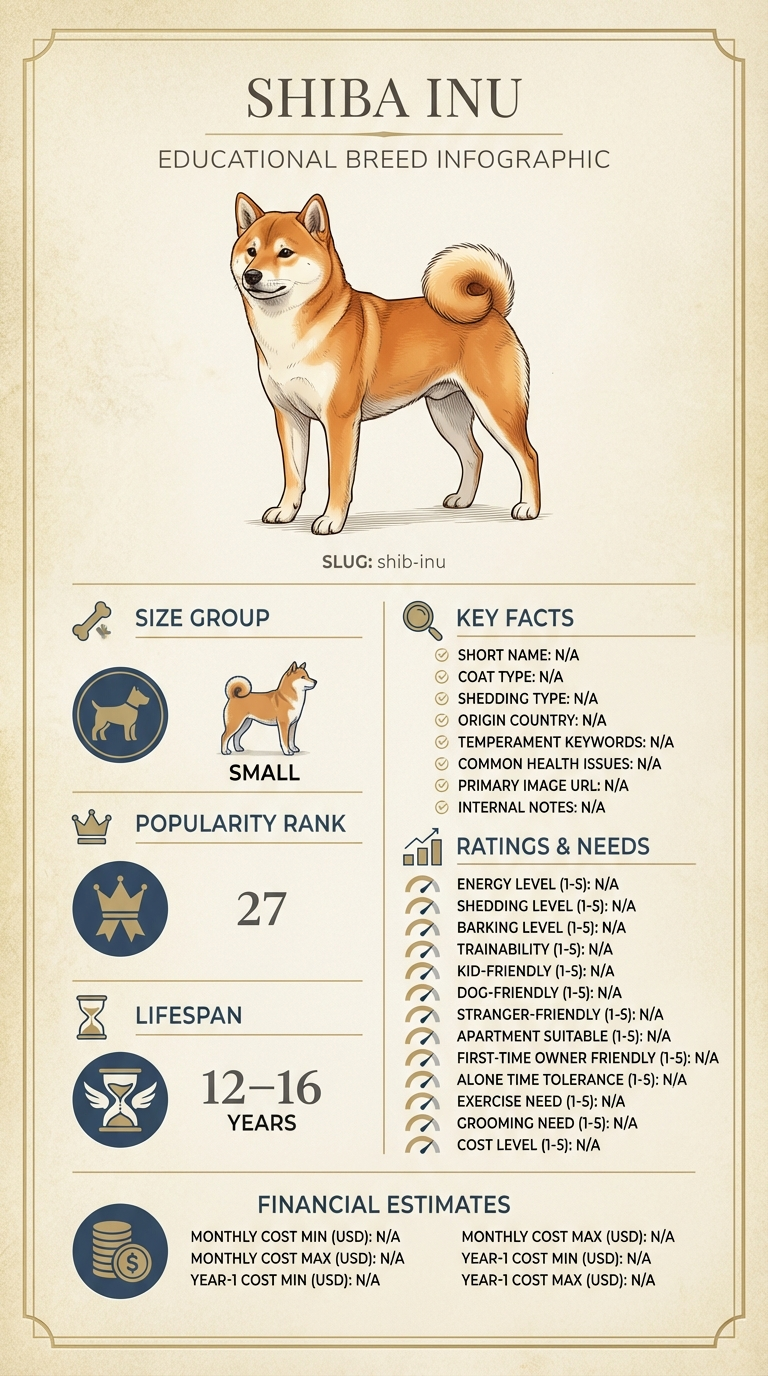
Owners of Shiba Inus, especially those with busy lifestyles, often find it challenging to monitor their dog's diet and exercise. Families with children may also struggle, as kids might unintentionally overfeed or give treats too frequently.
This guide is not medical advice. If your dog shows pain, sudden behavior change, or worsening symptoms, consult a licensed veterinarian.
Some links may be affiliate links. We may earn a commission at no extra cost to you. We only suggest products we believe are helpful for dog owners.
Shibа Inu obesity is a growing concern for many owners. This problem manifests in daily life as a noticeable lack of energy, difficulty in movement, and a propensity to overeat. If your Shibа Inu is struggling to keep up during walks or seems less interested in play, these could be signs of weight issues.
Obesity is quite common in Shibа Inus, particularly as they age or if their activity levels drop. Many owners may not realize their dog is overweight until it becomes a significant health issue.
Shibа Inus are naturally predisposed to gain weight due to their body structure and metabolism. Their small size means that even a slight increase in food intake can lead to obesity. Additionally, they can be stubborn and resistant to exercise, making weight management more challenging.
Obesity in Shibа Inus can also stem from their environment. If they live in smaller spaces with limited exercise opportunities, they may not burn enough calories. Overfeeding, lack of structured playtime, and unhealthy treats contribute significantly to weight gain.
If your Shibа Inu struggles to follow commands or is resistant to exercise, it might be time to enlist a professional trainer. They can help with positive reinforcement techniques tailored to encourage more activity and improve obedience.
Consult your vet if your Shibа Inu gains weight rapidly or shows signs of lethargy or discomfort. Your vet can rule out underlying health issues and provide a tailored weight management plan suited to your dog’s needs.
You can expect to see initial changes in 4-6 weeks with consistent effort. Full weight management may take several months.
Success means your Shibа Inu maintains a healthy weight, has more energy, and enjoys activities without discomfort.
Avoiding these common mistakes can help your Shibа Inu maintain a healthy weight.
Recognizing when Shibа Inu obesity is an emergency can save your dog's life. If your Shibа Inu shows severe symptoms, it’s time to call your vet immediately. Look for signs such as difficulty breathing, reluctance to move, or any sudden change in behavior. These red flags indicate that your dog may need urgent medical attention.
On the other hand, if your Shibа Inu is overweight but does not show these severe symptoms, you can monitor their condition with a plan. Keep an eye on their energy levels, eating habits, and mobility. Making gradual changes to their diet and exercise can be effective without rushing to the vet. Regular check-ins with your veterinarian can help you assess their health and adjust your approach accordingly.
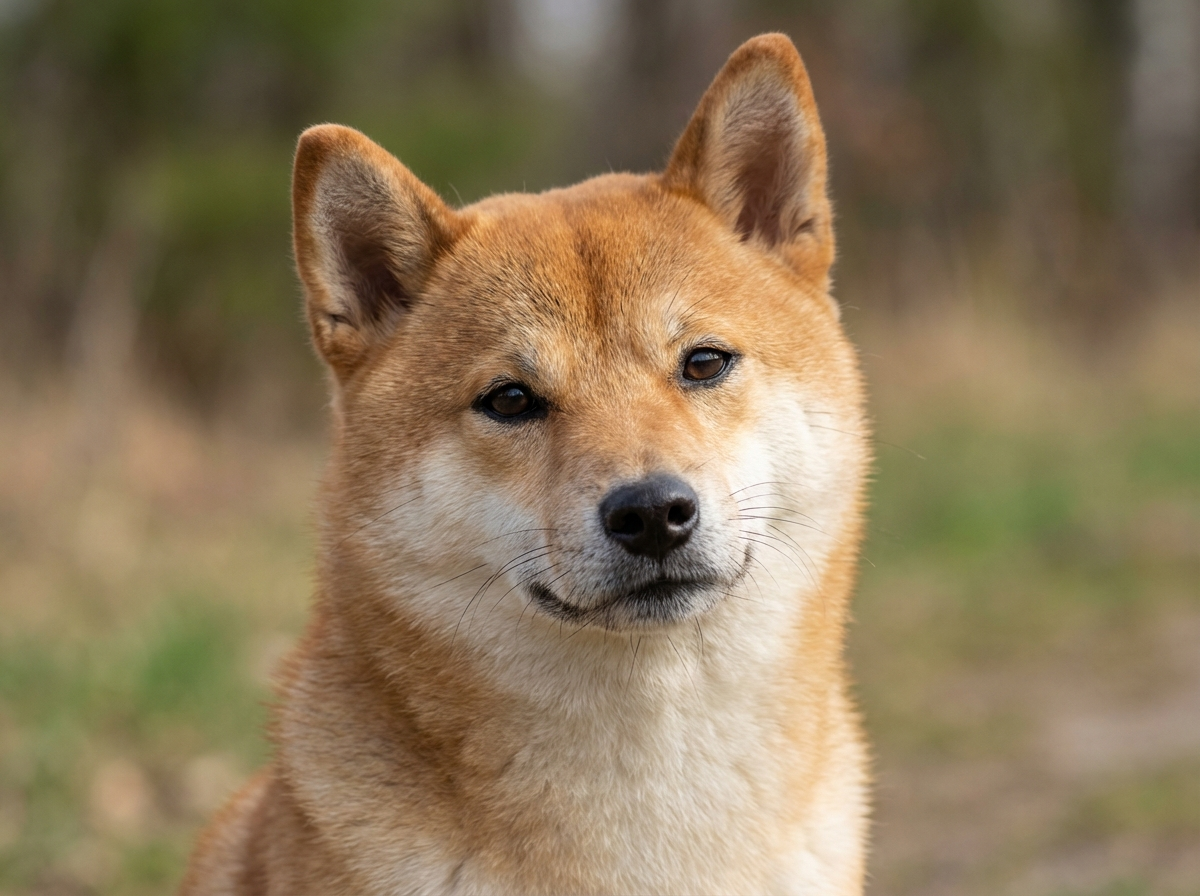
Sarah, a busy nurse in Seattle, noticed her Shibа Inu, Milo, was gaining weight. After consulting her vet, she learned Milo was overweight and needed a better diet and more exercise. Sarah started a consistent routine of short walks and interactive playtime. She also switched to a vet-recommended food to help Milo shed pounds. Within three months, Milo lost 10% of his body weight, and Sarah noticed he was more playful and energetic.
Key takeaway: With dedication and the right plan, you can help your Shibа Inu overcome obesity and lead a healthier life.
Shibа Inus can become obese due to overfeeding, lack of exercise, or health issues. These dogs love food, and if they are not getting enough physical activity, they can gain weight quickly. It's important to monitor their diet and ensure they stay active.
To stop Shibа Inu obesity, start by adjusting their diet. Measure their food portions and switch to a high-quality, low-calorie dog food. Incorporate regular exercise like walks or playtime to help them shed excess weight.
Positive reinforcement training can encourage your Shibа Inu to be more active. Use treats sparingly during training and focus on rewarding good behaviors. Activities like agility training can also motivate them to exercise.
A Shibа Inu generally needs at least 30 to 60 minutes of exercise each day. This can include walks, playtime, or interactive games. Regular exercise is crucial to keep their weight in check and maintain their overall health.
Yes, obesity can lead to several health problems in Shibа Inus, such as joint issues, diabetes, and heart disease. Maintaining a healthy weight is essential for their long-term well-being. Regular vet check-ups can help monitor their health.
Consult with your vet for diet recommendations tailored to your Shibа Inu's needs. They may suggest a special weight management formula or advise on portion control. It's essential to choose a diet that supports their health without excessive calories.
Shibа Inus can gain weight due to overfeeding, lack of exercise, or genetic factors. It's important to monitor their diet and activity levels to prevent obesity-related health issues.
Signs of obesity in a Shibа Inu include difficulty in breathing, decreased energy, and an inability to feel their ribs. If you notice these signs, it may be time to consult your vet.
For older Shibа Inus, it's essential to adjust their diet and increase low-impact exercise. Consider incorporating short walks and engaging in gentle play to promote weight loss safely.
Yes, obesity can significantly impact your Shibа Inu's lifespan by increasing the risk of health issues like diabetes and joint problems. Maintaining a healthy weight is crucial for their overall well-being.
To combat Shibа Inu obesity, consider transitioning to a balanced, lower-calorie diet specifically formulated for weight management. Always consult your vet before making significant changes to their diet.
Measure food portions and stick to a feeding schedule. Encourage daily exercise with walks or playtime. Monitor their weight regularly to track progress.
Use toys or playtime as incentives. Engage in interactive games that require movement to keep them interested. Consistency is key to establishing a routine.
Opt for low-calorie dog treats or healthy alternatives like carrot sticks. Always consider treats as part of their daily calorie intake.
Yes, a structured weight loss plan can be beneficial. Consult your vet to create a personalized plan that includes diet adjustments and exercise recommendations.