Behavior
What are quick tips for Shibа Inu cruciate ligament injuries?
Keep your Shibа Inu at a healthy weight and avoid high-impact activities. Gradually increase exercise and consult your vet for tailored advice.
Shibа Inu cruciate ligament injuries are common problems that can lead to significant pain and mobility issues for your dog.
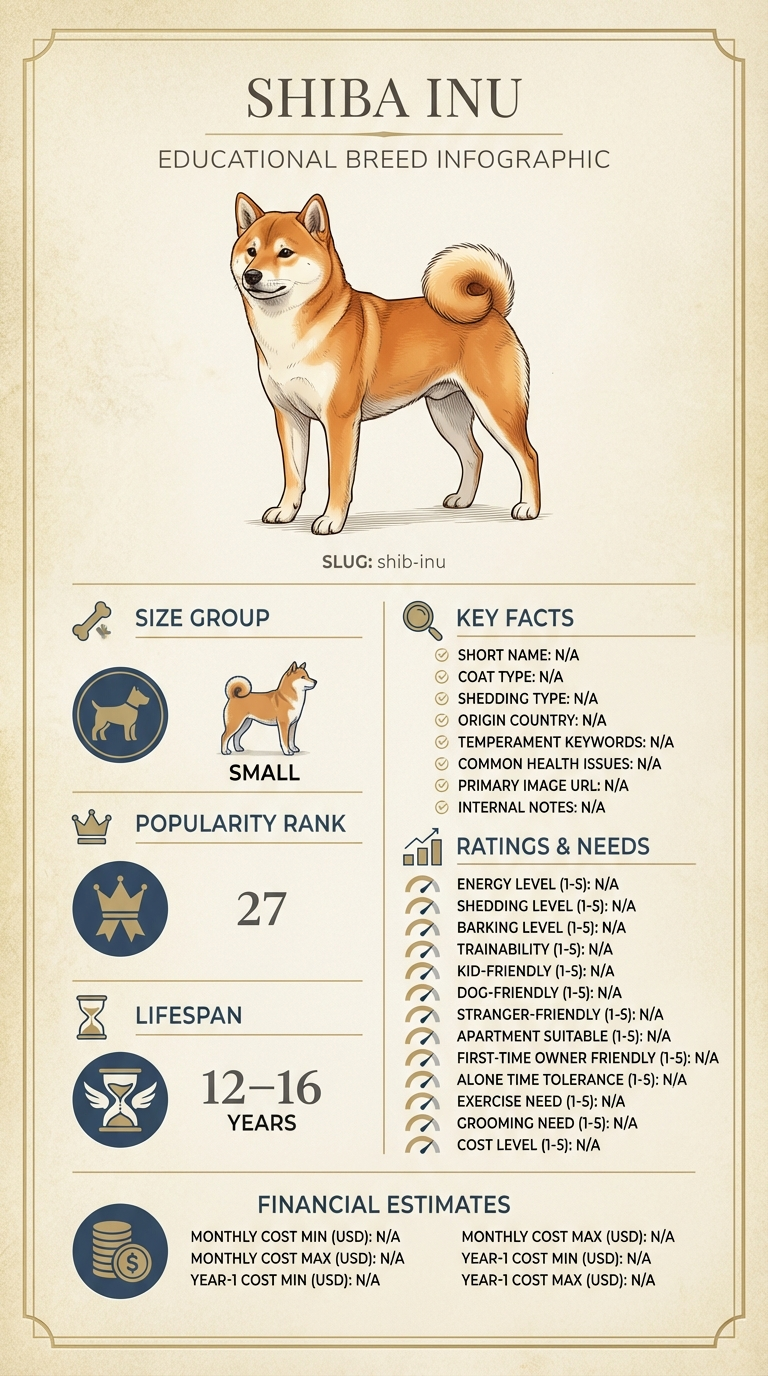
Many Shibа Inu owners, especially those with active dogs or older pets, face challenges related to cruciate ligament injuries. If your dog is experiencing limping, difficulty standing, or reluctance to play, this issue may be affecting their quality of life.
This guide is not medical advice. If your dog shows pain, sudden behavior change, or worsening symptoms, consult a licensed veterinarian.
Some links may be affiliate links. We may earn a commission at no extra cost to you. We only suggest products we believe are helpful for dog owners.
Shibа Inu cruciate ligament injuries can significantly impact your dog's mobility and quality of life. This injury typically manifests as limping, difficulty in climbing stairs, or reluctance to engage in play. Owners may notice their Shibа Inu favoring one leg or showing signs of pain, especially after vigorous activity.
Cruciate ligament injuries are relatively common in Shibа Inus, especially considering their small size and active nature. Many owners report experiencing these injuries at least once in their dog's life, making it a significant concern for this breed.
Shibа Inus are small dogs with a compact build. This can sometimes put extra stress on their knees, making them more prone to cruciate ligament injuries. Additionally, their playful nature can lead to sudden movements that risk injury.
Environmental factors play a big role too. Slippery surfaces, uneven terrain, and jumping on and off furniture can contribute to ligament strain. Lack of proper exercise can also weaken their muscles, increasing injury risk.
If your Shibа Inu shows persistent signs of limping or difficulty moving, consider consulting a professional trainer. They can provide tailored exercises and strategies to strengthen your dog's legs and improve their overall fitness.
If you notice any signs of pain, swelling, or limping, it's important to talk to your vet. They can diagnose the issue and recommend treatment options, which may include rest, medication, or further intervention.
You can expect to see improvement in your Shibа Inu's mobility and comfort within 6 to 12 weeks of consistent care and training.
Success means your Shibа Inu can move comfortably without pain, enjoys regular activity, and is less prone to future injuries.
Avoid these common mistakes that can worsen Shibа Inu cruciate ligament injuries. Making small adjustments can lead to better outcomes for your furry friend.
It's important to know when to act quickly if your Shibа Inu has a cruciate ligament injury. In some cases, immediate veterinary attention is essential. Look for signs like severe limping, inability to bear weight on the affected leg, swelling around the knee, or if your dog is in obvious pain when the area is touched. These symptoms could indicate a serious injury that needs urgent care.
On the other hand, not all cases require a rush to the vet. If your Shibа Inu is still walking, showing only mild limping, or is able to rest comfortably without excessive discomfort, you might be able to monitor the situation. Keep an eye on their behavior, and consider limiting their activity to prevent further strain. If the mild symptoms persist for more than a few days or worsen, it’s time to consult your vet for further evaluation.
Knowing the difference between emergency signs and mild cases can help you make the best decisions for your dog's health. Always trust your instincts; if you feel something is seriously wrong, don’t hesitate to reach out for professional help. Your Shibа Inu's well-being depends on your quick assessment and care.
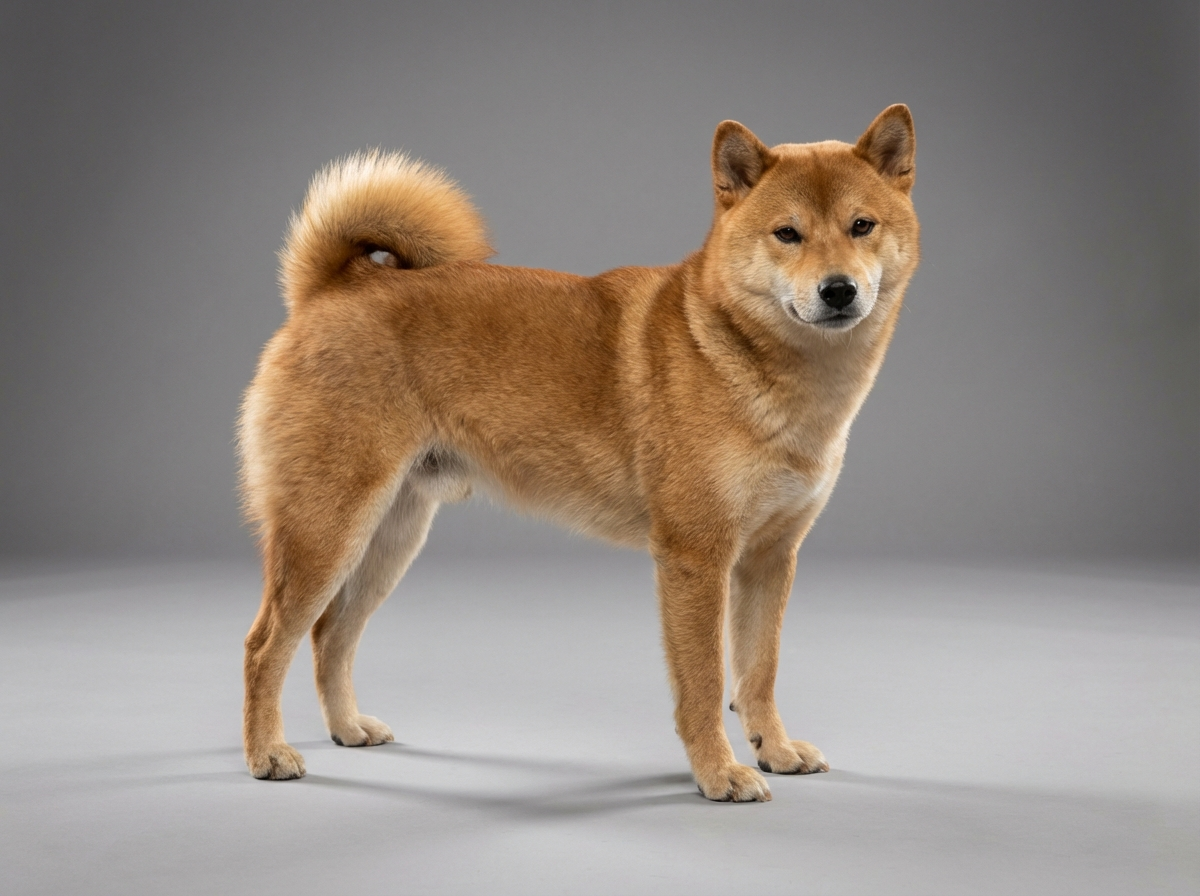
When Mia, a busy nurse in San Francisco, adopted her Shibа Inu, Yuki, she noticed he was limping after playtime. Concerned about his cruciate ligament injuries, she consulted a vet and learned that proper training and weight management could help. Mia started a tailored exercise program focusing on low-impact activities and introduced gentle training to strengthen Yuki's legs. Over the next few months, she noticed a remarkable change. Yuki was not only more active but also happier and more engaged during their daily walks.
Key takeaway: With the right approach, commitment, and patience, you can help your Shibа Inu recover from cruciate ligament injuries and lead a more active life.
Shibа Inus can suffer from cruciate ligament injuries due to their small size and activity level. Factors like obesity, poor conditioning, or sudden movements can increase the risk. It's important to monitor their weight and exercise to help prevent these injuries.
To prevent these injuries, focus on maintaining a healthy weight and providing regular, low-impact exercise. Avoid high-impact activities, especially sudden stops or jumps. Gradually increase activity levels and consider consulting with a vet about a safe exercise plan.
Common signs include limping, difficulty jumping or climbing stairs, and swelling around the knee. If you notice your Shibа Inu favoring one leg or showing signs of pain, it's important to consult a veterinarian. Early detection can lead to better treatment outcomes.
Treatment may include rest, anti-inflammatory medications, or physical therapy. In severe cases, surgery might be necessary. Always work with your vet to determine the best course of action based on your dog's specific needs.
Yes, proper training can strengthen muscles around the knee and improve flexibility. Focus on low-impact exercises and consider working with a professional trainer who understands your dog's specific needs. Regularly monitor their activity levels to prevent overexertion.
Shibа Inus can suffer cruciate ligament injuries due to a variety of factors, including age, obesity, and genetics. High-impact activities or sudden movements can also increase the risk. It's important to monitor your dog's activity levels and weight to help prevent these injuries.
Signs of a cruciate ligament injury in your Shibа Inu may include limping, reluctance to put weight on a leg, and noticeable pain when moving. You might also see swelling around the knee. If you notice these symptoms, it's best to consult a veterinarian for an accurate diagnosis.
Yes, older Shibа Inus are generally at a higher risk for cruciate ligament injuries due to the natural wear and tear on their joints. As they age, their ligaments can weaken, making them more susceptible to injuries. Regular vet check-ups can help you manage their joint health.
Training your Shibа Inu to avoid sudden, high-impact movements can be beneficial in preventing cruciate ligament injuries. Incorporating gentle exercises that build strength and flexibility, alongside gradual increases in activity, can help keep their joints healthy. Always consult with a trainer or vet for specific advice tailored to your dog.
If your Shibа Inu has suffered a cruciate ligament injury, it's essential to seek veterinary care immediately. Treatment options may include rest, medication, or even surgery depending on the severity of the injury. Following your vet's recommendations for rehabilitation is crucial for your dog's recovery.
Keep your Shibа Inu at a healthy weight and avoid high-impact activities. Gradually increase exercise and consult your vet for tailored advice.
Look for signs like limping, whining, or reluctance to play. Changes in behavior or appetite can also indicate discomfort.
If you notice limping or signs of pain that last more than a day, take your Shibа Inu to the vet for an evaluation.