Behavior
What are some quick tips for managing cddy in Shibа Inus?
Regular vet check-ups, gentle exercise, and a balanced diet can help manage cddy symptoms effectively.
Shibа Inu chondrodystrophy (CDDY) is a developmental disorder that affects bone growth, leading to various challenges for your pup.
Owners of Shibа Inus who notice their dog struggling with movement or having trouble keeping up during play may find themselves facing the challenges of CDDY. Additionally, first-time dog owners may feel overwhelmed by the complexities of managing this condition.
This guide is not medical advice. If your dog shows pain, sudden behavior change, or worsening symptoms, consult a licensed veterinarian.
Some links may be affiliate links. We may earn a commission at no extra cost to you. We only suggest products we believe are helpful for dog owners.
Shibа Inu chondrodystrophy (cddy) is a developmental disorder that affects bone growth in this breed. Day-to-day, owners may notice that their Shibа Inu has shorter legs, a stockier build, or trouble moving comfortably. This condition can lead to pain and mobility issues, making it crucial for owners to recognize and manage these symptoms early.
Chondrodystrophy (cddy) is relatively common in Shibа Inus, with studies indicating that it can affect a significant portion of the breed. Many owners may not notice the signs until their dog shows difficulty in movement or discomfort.
Shibа Inus are prone to chondrodystrophy (cddy) due to their genetic makeup. This breed-specific condition affects bone development, leading to a variety of physical challenges. The way their genes are structured can cause shorter, malformed bones.
Environmental factors can also contribute to cddy symptoms. Poor nutrition, lack of proper exercise, and inadequate living conditions may exacerbate the condition. Stressful environments can worsen their overall health and mobility.
If your Shibа Inu struggles with basic commands or exhibits challenging behavior, consider hiring a trainer experienced with this breed. A trainer can provide specialized techniques to help manage their mobility issues.
Consult your vet if you notice significant changes in your Shibа Inu's movement, pain levels, or overall health. Regular check-ups are crucial for monitoring their condition and adjusting care plans as needed.
Expect to see improvements in your Shibа Inu's mobility and behavior within 3 to 6 months with consistent training and care.
Success means your Shibа Inu shows better mobility, reduced discomfort, and increased willingness to engage in play and activities.
Avoiding certain mistakes can make managing Shibа Inu chondrodystrophy (cddy) easier and more effective. Here are common pitfalls to watch out for.
Emergency signs include severe pain, inability to walk, or sudden swelling in the limbs. If your dog struggles to stand or shows signs of distress, these are clear indicators that you need to seek help right away. Additionally, if you notice a sudden change in appetite or behavior, it can signal a more serious issue related to CDDY.
On the other hand, mild cases can often be managed at home. If your Shibа Inu displays slight limping or occasional stiffness, these symptoms can be monitored with a care plan. Regular check-ups with your vet can help ensure that your dog stays comfortable and healthy. Keeping a log of any changes in behavior or mobility can also be helpful for your vet during visits.
Always trust your instincts as a dog owner. If you feel something is off, don’t wait too long to consult with a veterinarian about your Shibа Inu’s condition. Early intervention can make a big difference in managing chondrodystrophy effectively.
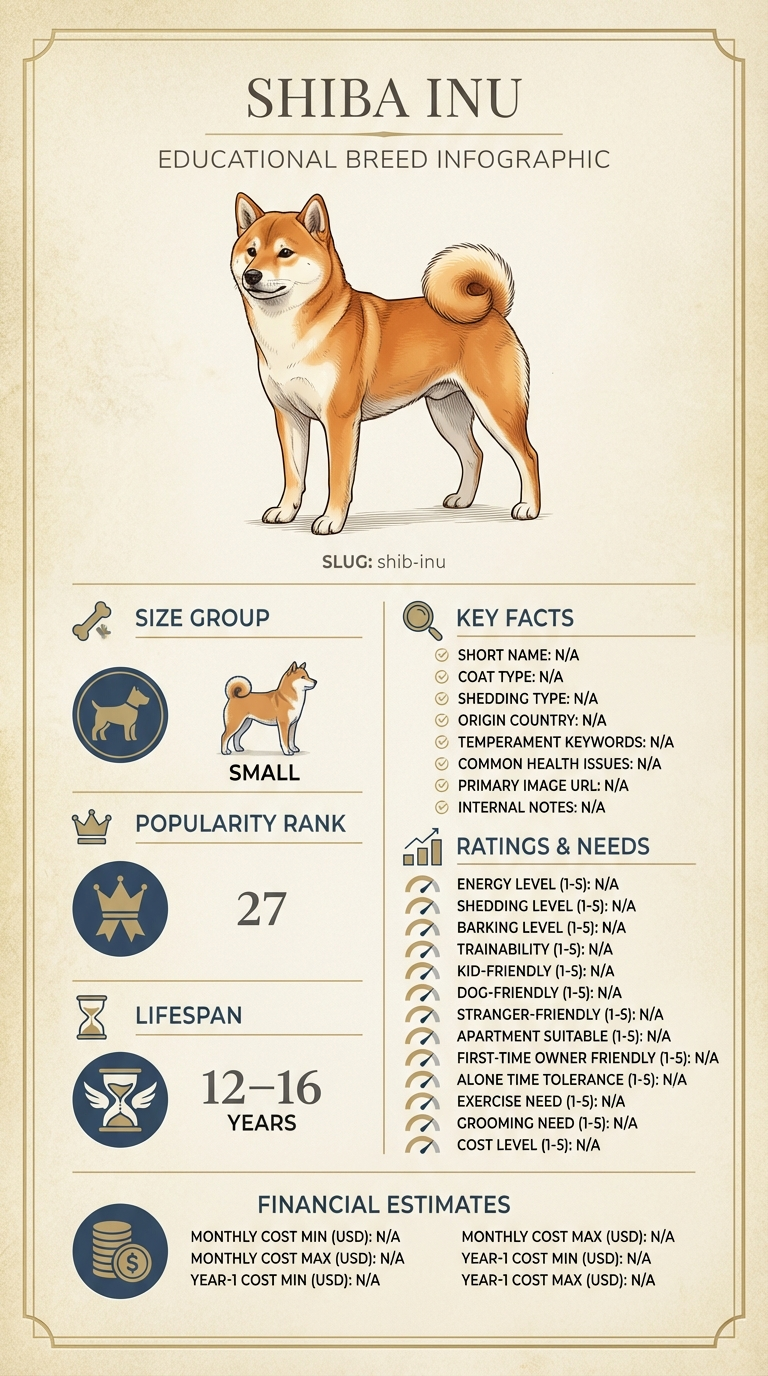
Mia, a busy nurse in Seattle, adopted a Shibа Inu named Kiko, who was diagnosed with chondrodystrophy (cddy) shortly after. Initially, Kiko struggled with mobility, which left Mia feeling overwhelmed and unsure about how to help. After consulting with a vet and a trainer, she implemented a tailored exercise and training plan focused on building Kiko's strength without causing strain. Over several months, Kiko began to move more freely and even started enjoying short walks in the park. Mia learned the importance of patience and finding the right support for her furry friend.
Key takeaway: With the right guidance and a consistent approach, you can significantly improve your Shibа Inu's quality of life despite chondrodystrophy.
Chondrodystrophy (cddy) is a genetic condition that affects bone development in Shibа Inus. It can cause issues with their growth and overall bone health. If you're noticing signs, it's best to consult a vet for a proper diagnosis.
While you can't fully prevent cddy, early intervention can help manage symptoms. Regular veterinary check-ups, a balanced diet, and appropriate exercise are key steps to support your dog's health.
Common signs include abnormal bone growth, difficulty in movement, or irregular posture. If you notice any of these symptoms, having your Shibа Inu evaluated by a vet is crucial for proper care.
Training can be beneficial in helping your Shibа Inu adapt to their condition. Focus on gentle exercises that improve mobility without putting stress on their bones.
A diet rich in vitamins and minerals that support bone health is recommended. Consult your vet to create a tailored diet plan for your Shibа Inu.
Early signs of Shibа Inu chondrodystrophy (cddy) can include difficulty in walking or running, and unusual bone growth. You may also notice that your dog is less active or seems to be in pain. If you observe these symptoms, it’s best to consult with a vet for a proper diagnosis.
Yes, Shibа Inu chondrodystrophy (cddy) can affect older dogs, especially if they have a pre-existing condition. As dogs age, joint issues may become more pronounced, leading to increased discomfort. Regular check-ups with your vet can help manage these symptoms.
When training a Shibа Inu with chondrodystrophy (cddy), focus on short, gentle training sessions. Use positive reinforcement techniques and avoid exercises that put too much strain on their joints. Tailoring the training approach can help make learning easier and more enjoyable for your dog.
Yes, providing a comfortable and supportive environment is crucial. Ensure your Shibа Inu has a soft bed and easy access to food and water. Keeping their weight in check through a balanced diet can also help reduce joint stress.
If your Shibа Inu shows signs of pain, difficulty moving, or other unusual behaviors, it's important to see a vet promptly. Early intervention can lead to better management of their condition and improve their quality of life.
Regular vet check-ups, gentle exercise, and a balanced diet can help manage cddy symptoms effectively.
Ensure your home has soft bedding and non-slip surfaces to help your Shibа Inu move around safely.
In some cases, surgery may be considered to address severe deformities. Always discuss this option with your vet.