Behavior
What are some quick tips for managing Shibа Inu brachycephalic airway syndrome (boas)?
Keep your Shibа Inu cool, avoid strenuous activities, and use a harness for walks. Regular vet visits can help monitor their condition.
Shibа Inu brachycephalic airway syndrome (boas) can cause serious breathing difficulties, especially in hot weather. Understanding this condition is crucial for your dog's health.
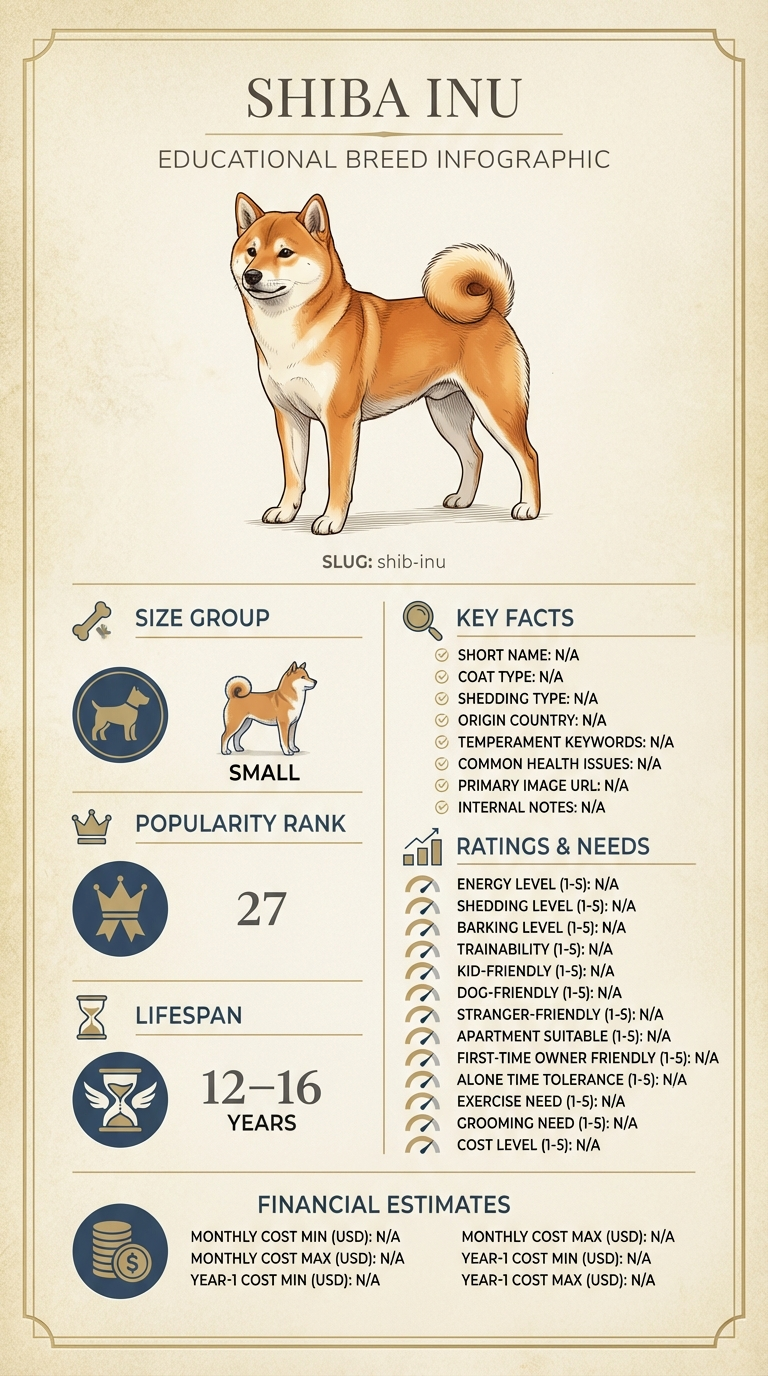
Owners of Shibа Inus, especially those living in warmer climates or those who are new to dog ownership, often face challenges managing this condition. The symptoms can be alarming and require attention to ensure your pet remains healthy and active.
This guide is not medical advice. If your dog shows pain, sudden behavior change, or worsening symptoms, consult a licensed veterinarian.
Some links may be affiliate links. We may earn a commission at no extra cost to you. We only suggest products we believe are helpful for dog owners.
Shibа Inus can experience brachycephalic airway syndrome (BOAS), which leads to breathing difficulties. This condition is common in breeds with flat faces and can affect their daily life. You may notice your Shibа Inu struggling to breathe, especially during exercise or in hot weather.
Brachycephalic airway syndrome is quite common in Shibа Inus due to their facial structure. Many Shibа Inus show some signs of this condition, which can range from mild to severe.
Shibа Inus are a brachycephalic breed, meaning they have short noses and flat faces. This unique structure often leads to narrow air passages, which can cause breathing difficulties. Their genetics play a significant role in how severe these airway issues can be.
Environmental factors can exacerbate BOAS in Shibа Inus. Hot weather, high humidity, or strenuous exercise can make it hard for them to breathe. Stressful situations or obesity can also worsen their breathing problems.
If your Shibа Inu shows signs of anxiety or stress that leads to breathing difficulties, consider consulting a trainer. They can provide strategies to help your dog feel more secure and relaxed.
If your Shibа Inu experiences severe breathing difficulties, persistent coughing, or if their gums turn blue, contact your vet immediately. Regular check-ups can help monitor their condition and prevent complications.
You can expect to see improvements in your Shibа Inu's breathing within a few weeks of consistent training and care adjustments. However, full management of brachycephalic airway syndrome may take several months.
Success means your Shibа Inu can breathe more comfortably during regular activities, especially in warmer weather, and shows reduced signs of stress or fatigue.
Avoiding common pitfalls can help manage your Shibа Inu's brachycephalic airway syndrome (BOAS) more effectively. Here are some mistakes to steer clear of.
Understanding when Shibа Inu brachycephalic airway syndrome (BOAS) becomes an emergency is crucial for your dog's health. Some signs are red flags that require immediate veterinary attention, while others may allow for monitoring at home with a plan. Recognizing the difference can save your dog's life.
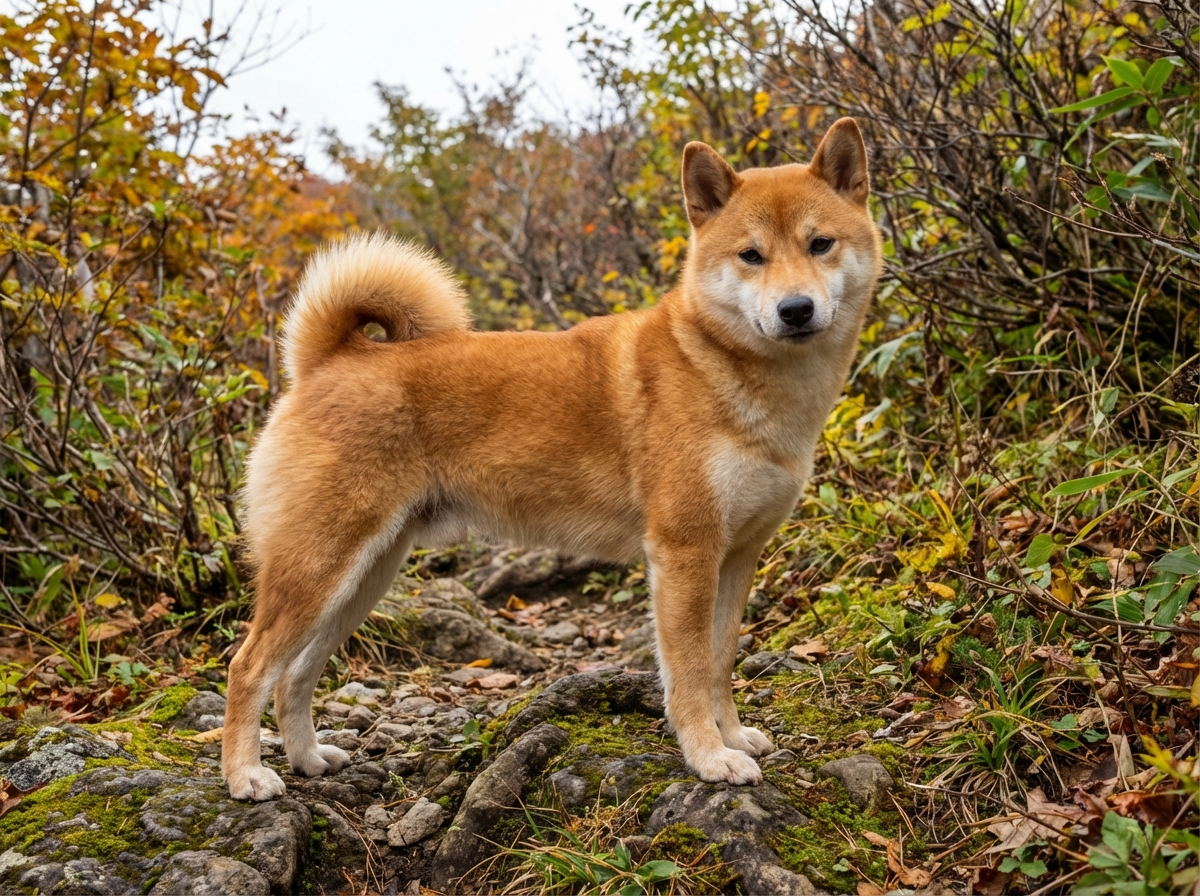
If your Shibа Inu exhibits any of the following symptoms, it’s vital to contact your vet immediately: - Struggling to breathe or choking sounds. - Blue-tinged tongue or gums. - Excessive panting that doesn't improve with rest. - Weakness or lethargy. - Signs of heat distress, such as drooling or disorientation.
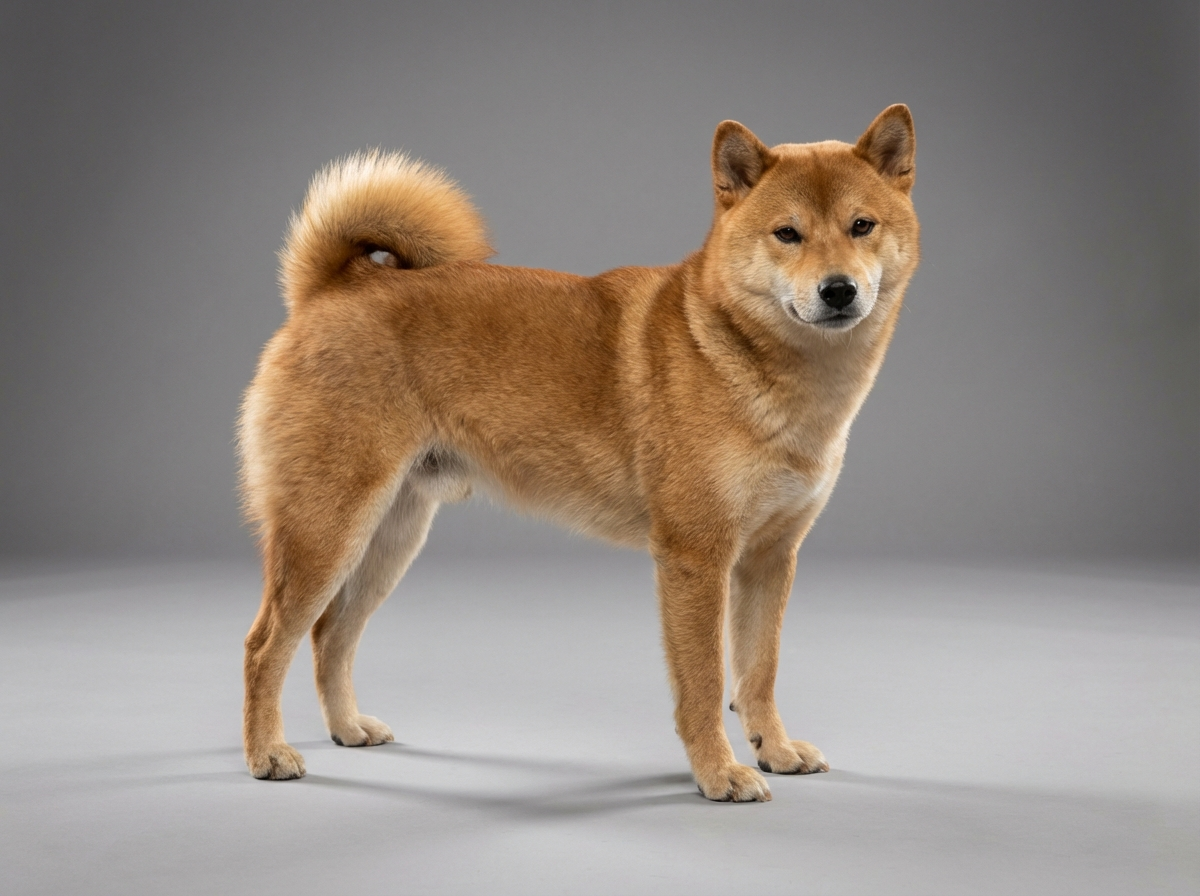
In less severe cases, you can monitor your Shibа Inu. Look for these milder symptoms: - Occasional snoring or snorting sounds. - Slight panting after exercise. - Shortness of breath during play but recovering quickly. - Mild coughing, especially after excitement or exertion.
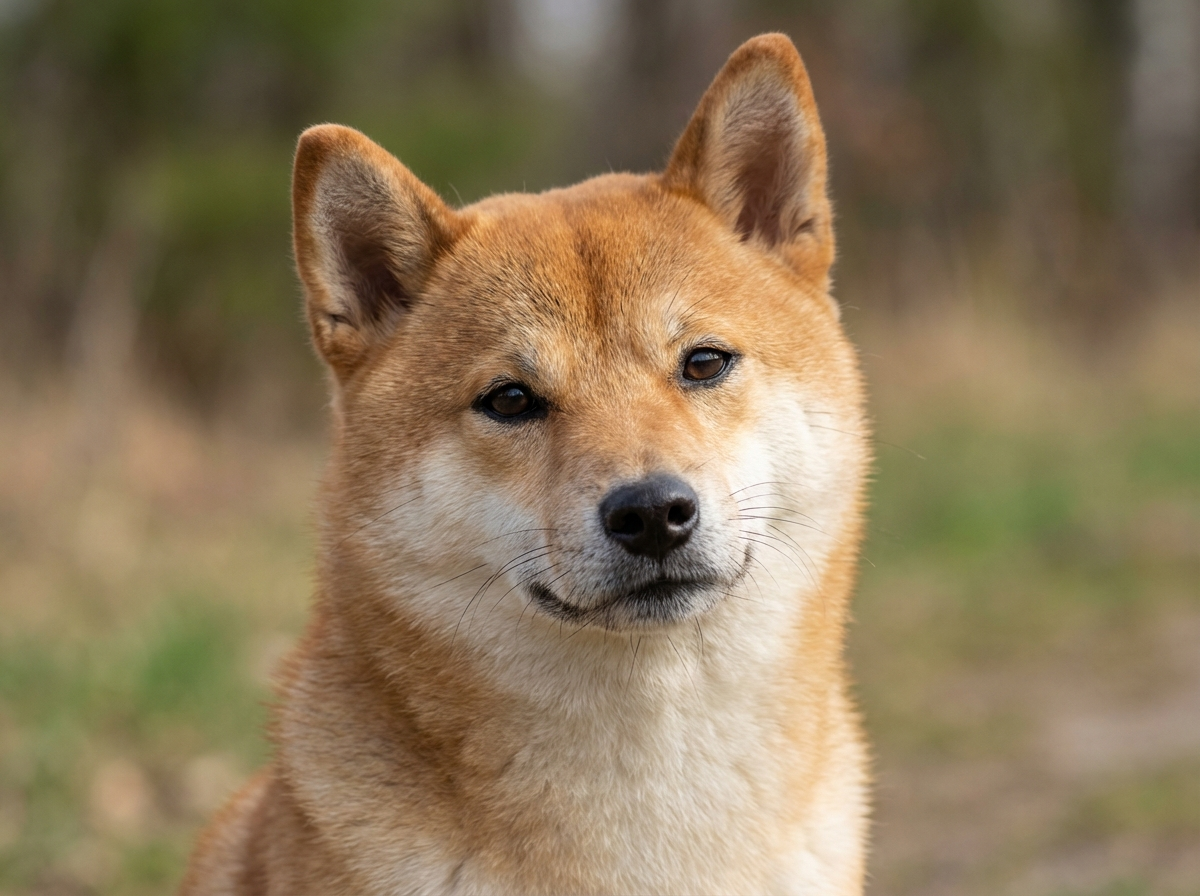
Emily, a new dog owner in Los Angeles, noticed her Shibа Inu, Mochi, struggled to breathe during walks, especially on hot days. Concerned, she reached out to her vet, who diagnosed Mochi with brachycephalic airway syndrome (BOAS). After learning about management strategies, Emily adjusted Mochi's exercise routine, incorporating shorter, cooler walks and practicing calming training exercises. Within weeks, Mochi's breathing improved, making her walks more enjoyable for both of them.
Key takeaway: Addressing Shibа Inu brachycephalic airway syndrome (boas) requires patience and proactive management, but with the right strategies, you can ensure your dog lives comfortably.
Shibа Inus, like many brachycephalic breeds, are prone to airway issues due to their facial structure. Their short snouts can lead to narrowed airways, causing breathing difficulties. This condition can be exacerbated by heat, stress, or obesity.
Signs of BOAS in your Shibа Inu include noisy breathing, snoring, and difficulty breathing, especially during exercise or in hot weather. Watch for excessive panting or lethargy, as these can indicate distress. If you notice these symptoms, consult your veterinarian.
To manage BOAS in your Shibа Inu, ensure they maintain a healthy weight and avoid strenuous activities in hot weather. Consider using a harness instead of a collar to reduce pressure on their neck. Regular vet check-ups are essential for monitoring their condition.
While training won't cure BOAS, it can help improve your Shibа Inu's overall behavior. Teaching commands can encourage calmness during stressful situations. Focus on positive reinforcement techniques to create a non-anxiety-inducing environment.
In severe cases, surgery can help correct anatomical issues contributing to BOAS. Procedures may include widening the nostrils or removing excess throat tissue. Always discuss potential risks and benefits with your veterinarian before considering surgery.
Common signs include noisy breathing, snoring, and difficulty exercising. If your Shibа Inu seems fatigued easily or struggles to breathe, it's essential to consult a vet.
Yes, as Shibа Inus age, their airway may become more obstructed, leading to increased breathing difficulties. Regular veterinary check-ups can help monitor and manage these changes.
Keep your Shibа Inu indoors during high heat and ensure they have plenty of fresh water. Short, gentle walks in the early morning or late evening can help prevent overheating.
Surgery can be an option for severe cases of brachycephalic airway syndrome (boas). A veterinarian can assess your dog's condition and discuss the best treatment options available.
If your Shibа Inu shows signs of severe distress, such as excessive panting, blue-tinged gums, or lethargy, it's crucial to seek veterinary assistance immediately. Early intervention can prevent more serious health issues.
Keep your Shibа Inu cool, avoid strenuous activities, and use a harness for walks. Regular vet visits can help monitor their condition.
Always provide plenty of water and shade during outdoor play. Limit exercise on hot days and watch for signs of distress.
If your Shibа Inu shows signs of difficulty breathing, take them to a cool area and contact your veterinarian immediately.