Behavior
What are quick tips for Shibа Inu bone & growth issues?
Keep your Shibа Inu on a balanced diet, avoid excessive exercise, and schedule regular vet visits for monitoring growth.
Shibа Inus can face bone and growth issues, especially as they grow rapidly during their early months. These problems can affect their health and mobility. (Shibа Inu bone & growth issues)
New Shibа Inu owners or families with multiple dogs might find themselves dealing with bone and growth issues. These challenges can be especially concerning for busy households who may not notice subtle signs of discomfort.
This guide is not medical advice. If your dog shows pain, sudden behavior change, or worsening symptoms, consult a licensed veterinarian.
Some links may be affiliate links. We may earn a commission at no extra cost to you. We only suggest products we believe are helpful for dog owners.
Shibа Inus can experience bone and growth issues, particularly during their early development. This problem often manifests as limping, difficulty in movement, or an unusual gait. Many owners notice these signs when their Shibа Inu is still a puppy, making it crucial to monitor their growth closely.
Bone and growth issues are relatively common in Shibа Inus, especially if they are not monitored for growth-related problems. Early intervention can help manage these issues effectively.
Shibа Inus, being a smaller breed, can face bone and growth issues due to genetic predispositions. Some may inherit conditions that affect their bone density or growth patterns. Additionally, rapid growth during puppyhood can also lead to developmental issues if not managed properly.
Environmental factors play a significant role in bone and growth issues. Poor nutrition during a critical growth phase can lead to deficiencies, affecting bone health. Overexertion or lack of appropriate exercise can also contribute to these issues, as can improper weight management.
If your Shibа Inu exhibits unusual behavior or struggles with training due to physical issues, it may be time to consult a professional trainer. They can help tailor exercises and activities that suit your dog's needs and ensure they are not at risk of injury.
If you notice signs of pain, limping, or unusual growth patterns, contact your vet immediately. Regular check-ups are crucial, especially during their puppy years, to catch any potential bone and growth issues early.
Expect to see some improvement in about 4 to 8 weeks with consistent training and care.
Success means your Shibа Inu shows improved mobility, better overall health, and a decrease in discomfort or pain related to bone growth issues.
Avoiding certain behaviors can significantly help in managing Shibа Inu bone & growth issues. Here are common mistakes that owners make, along with better alternatives.
Knowing when Shibа Inu bone & growth issues are serious can save your pup's life. If you notice any of the following red flags, it's crucial to call your vet immediately:
- Severe limping or inability to bear weight on a leg. - Swelling in the joints or bones. - Sudden changes in behavior, like excessive whining or aggression. - Any signs of pain, such as yelping when touched. - Lethargy or lack of appetite, especially if it lasts more than a day.
These symptoms could indicate serious conditions like fractures, infections, or developmental disorders. Don't wait if your Shibа Inu shows these signs.
On the other hand, some bone and growth issues may not require immediate vet attention. If your dog has mild limping that improves with rest, or if you notice minor stiffness after exercise, monitor the situation closely. Here are some signs you can watch and wait on:
- Occasional limping that doesn't last long. - Slight differences in leg length that don’t affect mobility. - Minor discomfort that seems to resolve with gentle stretching.
In these cases, create a plan that includes rest and gradual exercise. However, if symptoms worsen or new ones arise, reach out to your vet. It’s better to be safe, especially with a breed prone to specific bone and growth issues.
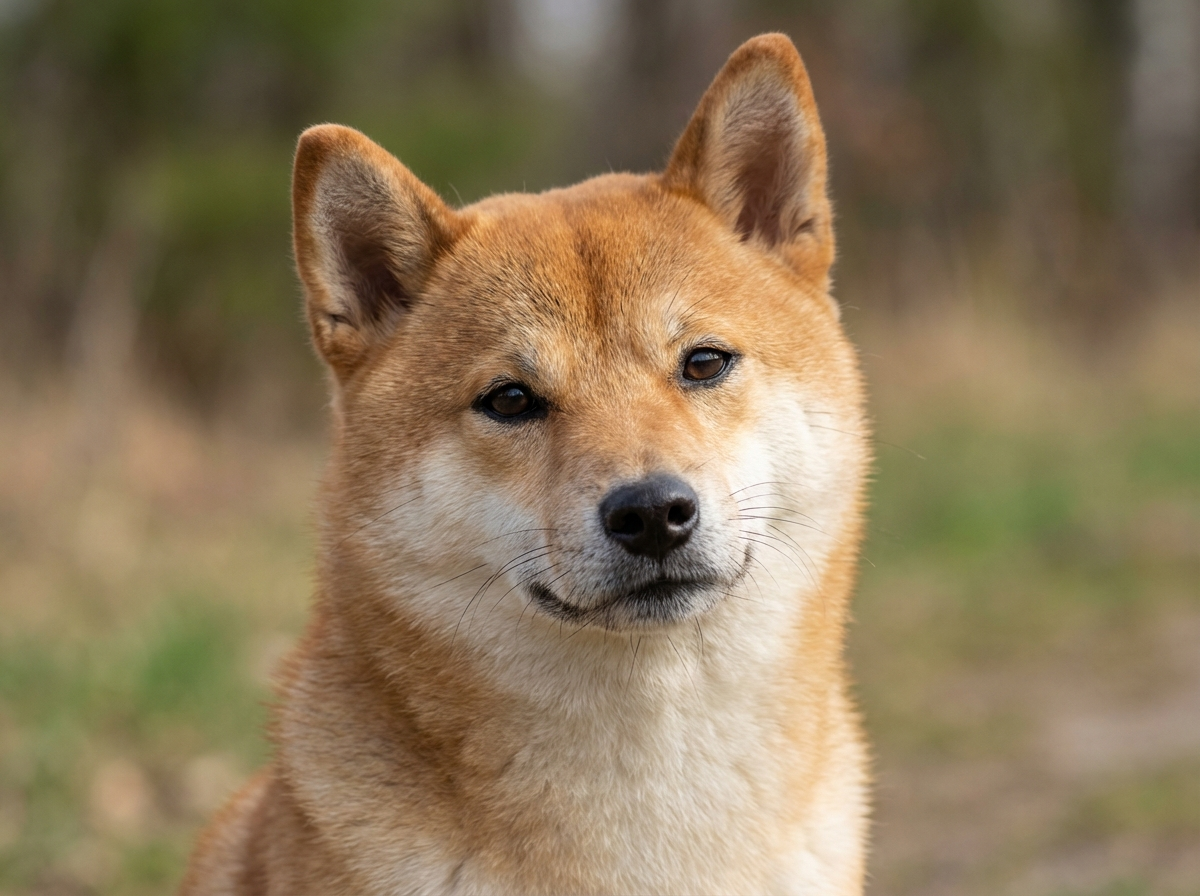
Emily, a first-time dog owner, noticed her Shibа Inu, Kiko, struggling with bone growth issues. After consulting a vet, she learned that Kiko needed a balanced diet and a moderated exercise routine. By gradually incorporating joint supplements and regular vet check-ups, Kiko’s mobility improved significantly over two months. Emily also worked on training techniques to help Kiko adjust to his new routine, leading to a happier, healthier pup.
Key takeaway: With the right care and adjustments, you can help your Shibа Inu overcome bone growth issues and lead a healthier life.
Shibа Inus can experience bone and growth issues due to genetics, rapid growth phases, or improper nutrition. If your Shibа Inu is growing too quickly or showing signs of discomfort, it is crucial to consult a veterinarian for proper assessment.
To address bone and growth issues in your Shibа Inu, ensure they are on a balanced diet tailored for their age and size. Regular vet check-ups can help catch any potential problems early and provide guidance on exercise and weight management.
Common signs include limping, reluctance to move, or visible discomfort when playing. If your Shibа Inu shows these symptoms, it's essential to see a vet for a thorough evaluation.
Positive reinforcement training can help manage your Shibа Inu's behavior while they grow. Focus on gentle exercises that avoid strain on their developing bones, and incorporate commands that encourage calmness.
Yes, untreated bone and growth issues can lead to chronic pain and mobility problems, potentially shortening their lifespan. Early intervention and proper care are vital to ensure a healthy life for your Shibа Inu.
If you notice any signs of pain, limping, or difficulty in movement, you should take your Shibа Inu to the vet immediately. Regular check-ups during their growth phase are also important.
Common signs include limping, reluctance to play, or difficulty standing up. You may also notice noticeable swelling in the joints or a change in their normal activity levels.
Yes, a balanced diet is crucial for healthy bone development. Ensure your Shibа Inu receives adequate nutrients, including calcium and phosphorus, to support their growth.
If your Shibа Inu shows persistent signs of discomfort or abnormal growth patterns, it’s time to see a vet. Early intervention can prevent further complications.
While most bone and growth issues occur in younger dogs, older Shibа Inus can develop arthritis or other joint problems. Regular vet check-ups can help manage these conditions.
Provide a comfortable resting area, monitor their weight, and maintain a consistent exercise routine. Gentle exercises can strengthen their muscles without putting too much strain on their joints.
Keep your Shibа Inu on a balanced diet, avoid excessive exercise, and schedule regular vet visits for monitoring growth.
Monitor food intake and ensure your Shibа Inu is not overfed, which can lead to rapid growth and associated issues.
Use gentle training techniques that avoid high-impact activities, focusing on commands that promote calm and controlled behavior.
Consult your vet before starting any supplements, as some can be beneficial, but others might not be appropriate for your Shibа Inu.