Behavior
What are quick tips for managing Shibа Inu back/spine issues?
Keep your Shibа Inu at a healthy weight and provide regular, gentle exercise. Avoid high-impact activities and ensure they have a comfortable sleeping area.
Shibа Inu back/spine issues can lead to serious discomfort and mobility problems. Addressing these issues early is crucial for your pup's well-being.
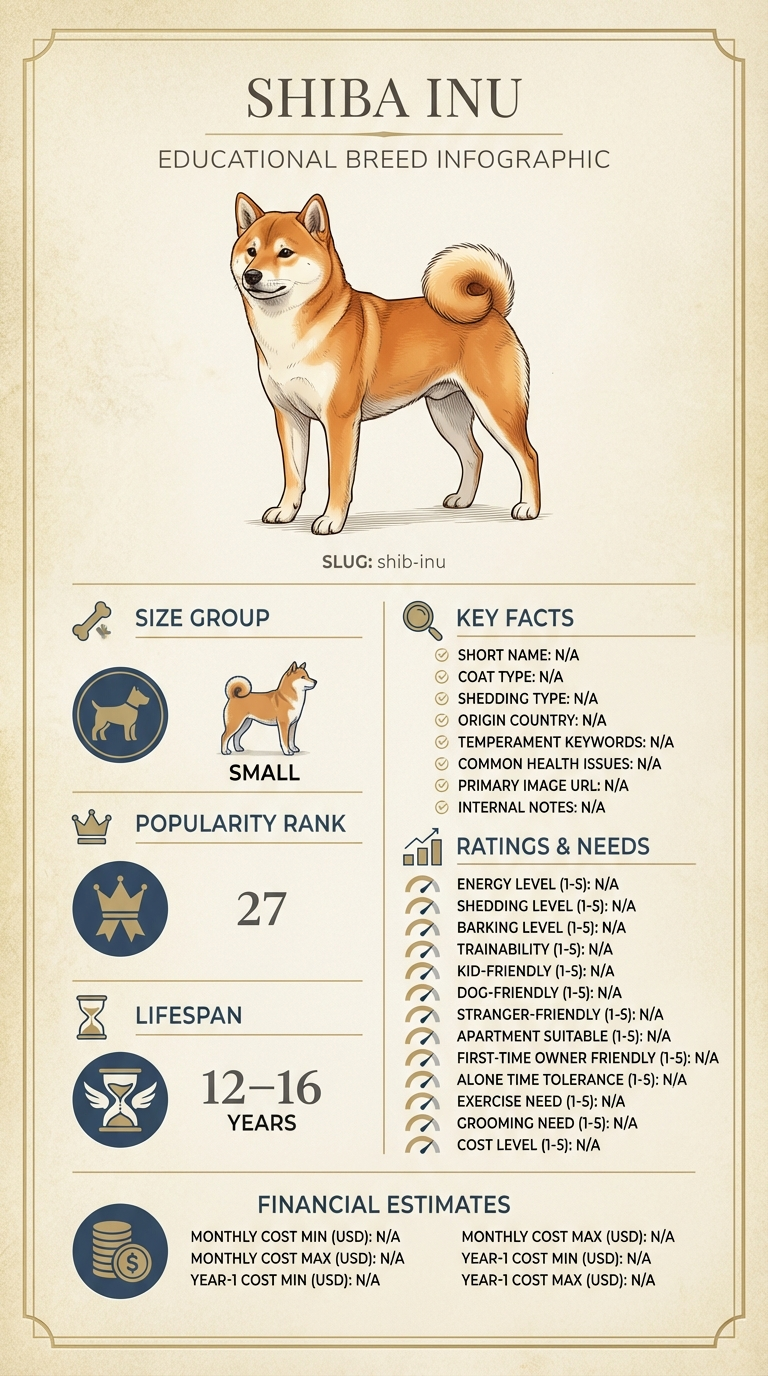
Shibа Inu owners, especially those with active lifestyles or older dogs, commonly face these challenges. Busy families or first-time dog owners may also be unsure of how to recognize and address spine issues.
This guide is not medical advice. If your dog shows pain, sudden behavior change, or worsening symptoms, consult a licensed veterinarian.
Some links may be affiliate links. We may earn a commission at no extra cost to you. We only suggest products we believe are helpful for dog owners.
Shibа Inus can face back and spine issues, particularly intervertebral disc disease. This often leads to discomfort and mobility problems in their daily lives. Symptoms may include difficulty jumping, reluctance to move, or signs of pain when touched.
Back and spine issues are relatively common in Shibа Inus, especially as they age. Many owners report these problems, making it essential to be vigilant about their dog's health.
Shibа Inus are prone to certain genetic conditions that can lead to back and spine issues. Their compact size and unique body structure may increase the risk of intervertebral disc disease. This breed's playful and active nature also means they may engage in activities that put stress on their backs.
Environmental factors such as slippery floors, improper lifting, or jumping can exacerbate back problems. Lack of proper exercise or obesity can also contribute to spine issues. Stressful situations, like loud noises or separation anxiety, may lead to tension in the back and spine.
If your Shibа Inu shows persistent signs of back pain or struggles with basic commands, it might be time to consult a professional trainer. They can help you with safe techniques for exercising and managing your dog's behavior to avoid further injury.
If your Shibа Inu exhibits severe symptoms such as difficulty walking, whining in pain, or reluctance to move, contact your vet immediately. They can diagnose any underlying issues and recommend appropriate treatments to ensure your dog's well-being.
Improving Shibа Inu back/spine issues can take several weeks to a few months, depending on the severity. Consistent training and vet visits are essential for progress.
Success means your Shibа Inu shows less discomfort, increased mobility, and better overall behavior. Regular vet check-ups confirm improvement in back health.
Understanding what not to do is crucial in managing Shibа Inu back/spine issues. Here are some common mistakes to avoid.
Recognizing when your Shibа Inu's back or spine issues require immediate veterinary attention is crucial. Here are some red-flag signs that mean you should call your vet right away. If your dog shows any signs of severe pain, such as yelping when touched or refusing to move, this is an urgent situation. Additionally, if your Shibа Inu has difficulty standing or walking, or if you notice any sudden changes in their ability to control bowel or bladder functions, these are serious indicators that something is wrong.
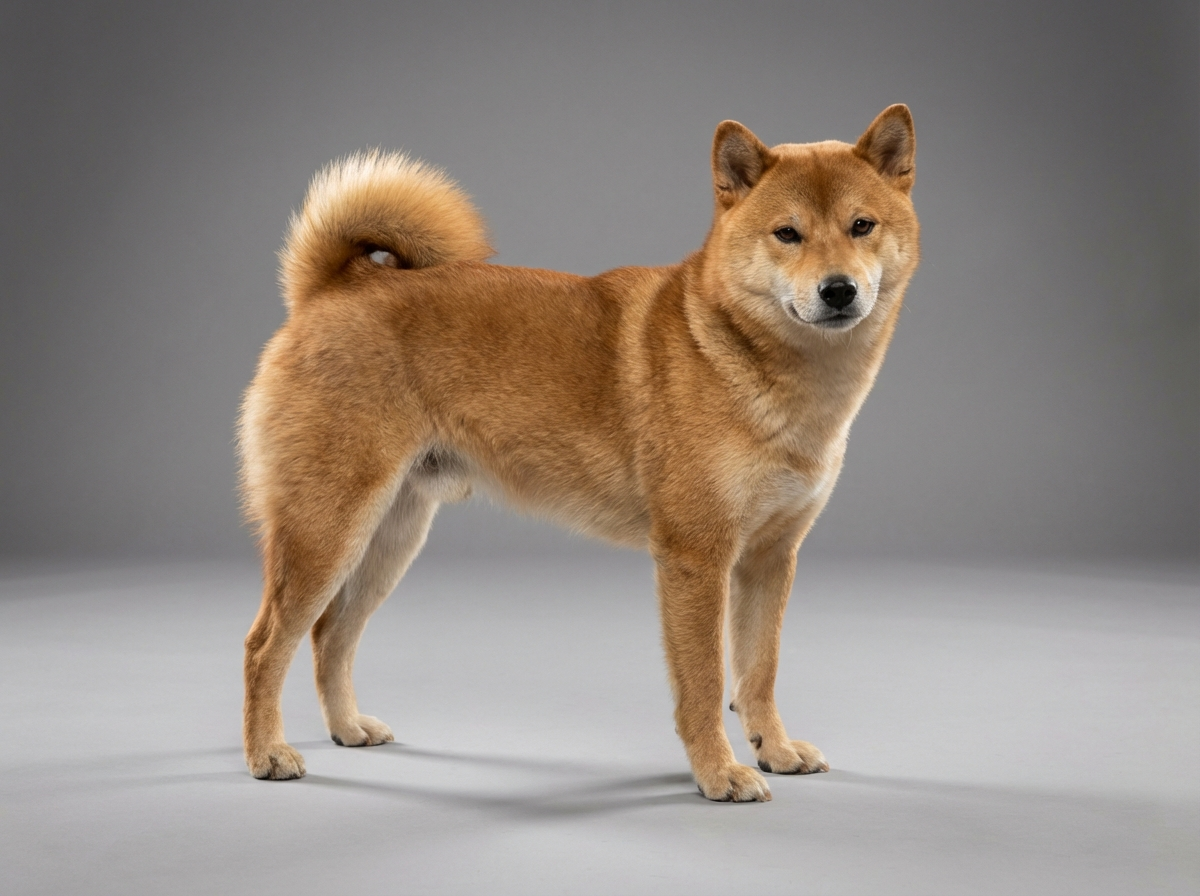
Not every instance of back or spine issues in Shibа Inus requires a trip to the emergency vet. If your dog is showing mild signs, such as occasional discomfort without significant pain, you can create a monitoring plan. Look for subtle indications like reluctance to jump or play. Keeping a close eye on these behaviors can help you determine if the situation worsens. Ensure your dog rests and limit their activity while observing any changes in behavior or mobility.
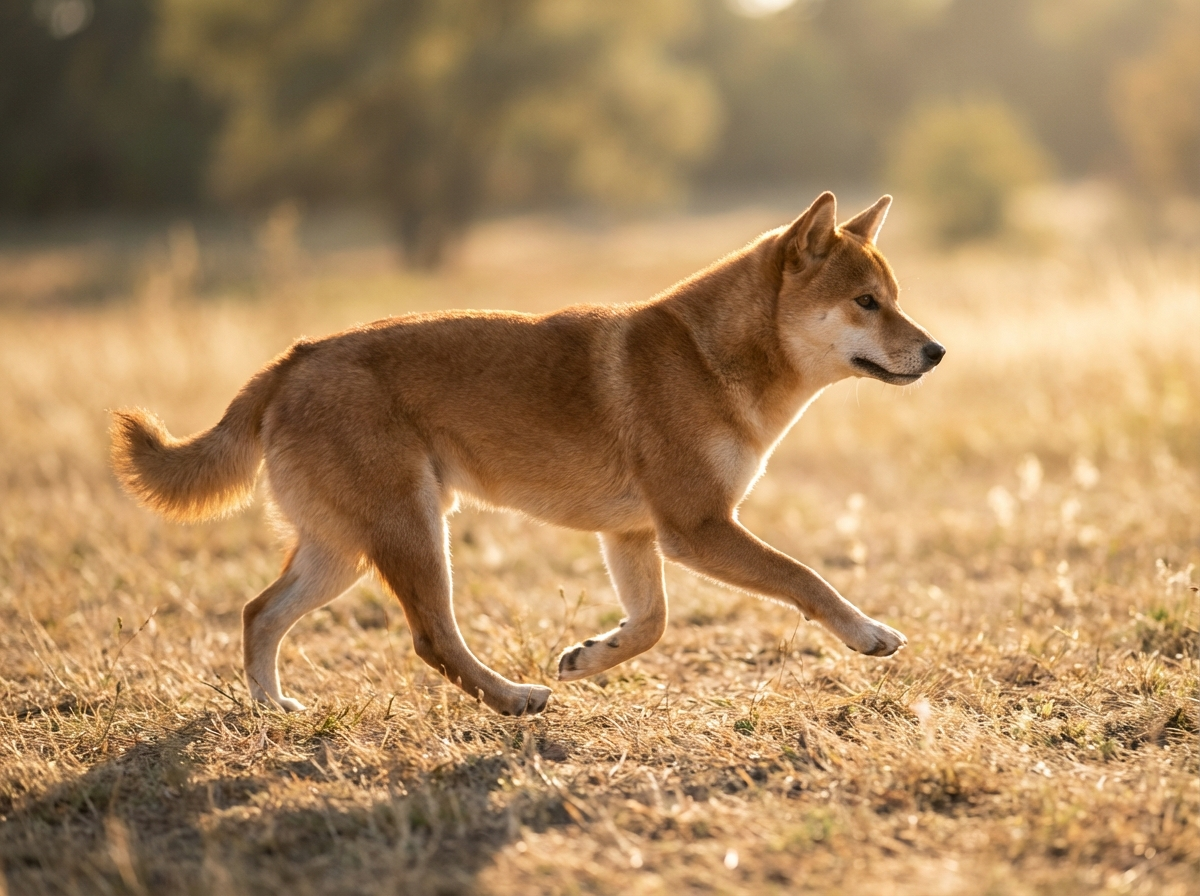
Liam, a first-time dog owner, noticed his Shibа Inu, Bella, struggling to jump onto the couch. After a vet visit, he learned that Bella had intervertebral disc disease. Determined to help her, Liam started a gentle exercise routine and adjusted her diet to manage her weight. He also worked on training commands to encourage Bella to move safely. Over a few months, Bella regained her energy and could jump onto the couch again without pain.
Key takeaway: With patience and proper care, you can significantly improve your Shibа Inu's back/spine issues. Regular vet check-ups and a tailored exercise plan are crucial.
Shibа Inus can develop back/spine issues due to genetic predispositions, particularly intervertebral disc disease. Factors like obesity and lack of exercise can also contribute. Regular vet check-ups are key to catching these problems early.
To prevent back/spine issues in your Shibа Inu, maintain a healthy weight and provide regular exercise. Consider low-impact activities like swimming or walking on soft surfaces. Consult your vet for a tailored exercise plan.
Look for signs like reluctance to move, yelping when touched, or difficulty jumping. If your Shibа Inu shows any of these symptoms, it's crucial to see a vet for evaluation and potential treatment options.
Surgery may be recommended for severe cases of intervertebral disc disease, especially if your dog experiences significant pain or mobility issues. Your vet will guide you on the best course of action based on your dog's condition.
Yes, training can help by encouraging safe movements and avoiding activities that stress the spine. Focus on gentle training methods that promote core strength and stability, but avoid jumping or rough play until cleared by a vet.
Common signs of back or spine issues in your Shibа Inu include difficulty jumping or climbing stairs, reluctance to move, and visible pain when touched along the spine. You might also notice changes in their posture or unusual behavior, like whining or excessive licking of the affected area.
While not all back/spine issues can be prevented, you can reduce the risk by maintaining a healthy weight for your Shibа Inu and ensuring they get regular, low-impact exercise. Avoid activities that put excessive strain on their back, such as jumping from high places.
If your Shibа Inu shows persistent signs of pain, difficulty moving, or if their symptoms worsen, it's critical to see a vet. Early intervention can prevent more serious complications related to back/spine issues.
Yes, older Shibа Inus are generally more prone to back and spine issues due to age-related degeneration of the intervertebral discs. Regular vet check-ups can help catch these issues early.
Treatment for back/spine issues in Shibа Inus often includes pain management, physical therapy, and in some cases, surgery. Consult your vet for the best course of action tailored to your dog's specific condition and needs.
Keep your Shibа Inu at a healthy weight and provide regular, gentle exercise. Avoid high-impact activities and ensure they have a comfortable sleeping area.
Use supportive bedding and limit stair climbing. Regular vet check-ups can also help manage any pain or discomfort.
If your Shibа Inu shows signs of pain, difficulty moving, or any behavioral changes, schedule a vet visit promptly.