Behavior
What are quick tips for Schnauzer (Standard) patellar luxation?
Maintain a healthy weight and avoid high-impact activities. Regular vet check-ups can help manage this condition effectively.
Schnauzer (Standard) patellar luxation is a common knee issue that can affect your dog's mobility.
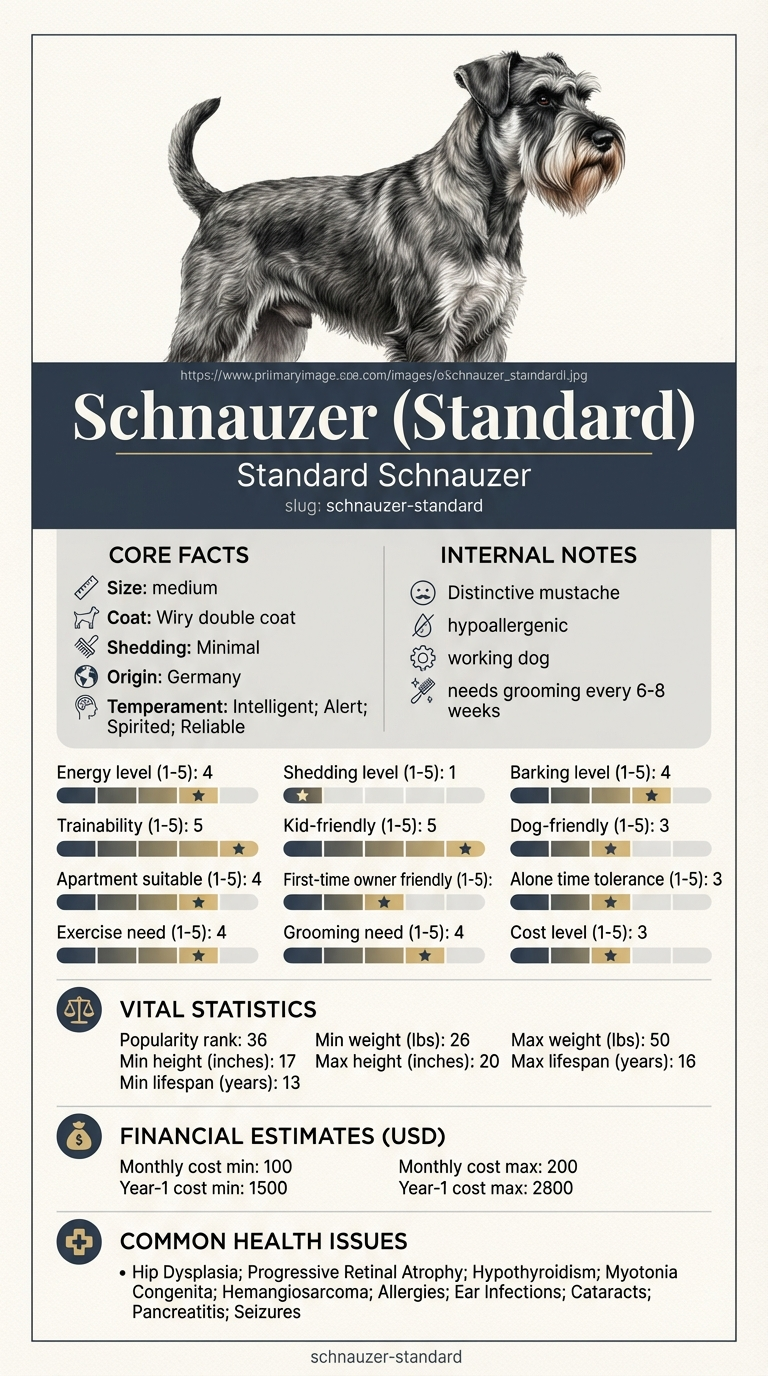
Typically, owners of Schnauzer (Standards) with active lifestyles may notice their dog limping or favoring one leg. First-time dog owners may feel overwhelmed by this sudden change in their pet’s behavior.
This guide is not medical advice. If your dog shows pain, sudden behavior change, or worsening symptoms, consult a licensed veterinarian.
Some links may be affiliate links. We may earn a commission at no extra cost to you. We only suggest products we believe are helpful for dog owners.
Schnauzer (Standard) patellar luxation is a common knee issue where the kneecap dislocates from its normal position. This can lead to pain, limping, or difficulty in walking. Owners may notice their dog suddenly lifting a leg or a change in their usual activity levels.
Patellar luxation is fairly common in Schnauzers, especially in younger dogs. It's often seen in breeds with similar knee structures and affects both males and females.
Schnauzers (Standard) are prone to patellar luxation due to their anatomical structure. Their medium size and muscular build can lead to misalignments in the knee joint. This breed also has a history of certain genetic traits that increase the risk of this condition.
Environmental factors can contribute to patellar luxation as well. Excessive jumping or rough play, especially on hard surfaces, can strain the knee joint. Additionally, obesity can exacerbate the problem by putting extra weight on the knees.
If your Schnauzer (Standard) continues to exhibit signs of discomfort or difficulty in mobility, consider hiring a professional dog trainer. They can provide specialized training techniques to help your dog adjust its movements and prevent further injury.
If your dog shows persistent limping, swelling, or pain in the knee, it’s time to consult your vet. They can assess the severity of the patellar luxation and recommend appropriate treatment options, which may include physical therapy or, in severe cases, surgery.
Addressing Schnauzer (Standard) patellar luxation usually takes several weeks to months. Consistent training and vet visits are essential.
Success means reduced episodes of dislocation and improved mobility for your Schnauzer. Your dog will show better comfort and confidence during activities.
Avoid these common behaviors that can worsen Schnauzer (Standard) patellar luxation. Instead, try safer alternatives to help your dog feel better.
Recognizing when Schnauzer (Standard) patellar luxation becomes an emergency is crucial. If your dog shows severe signs like inability to walk, constant whimpering, or a visibly displaced kneecap, call your vet immediately. These symptoms can indicate a serious condition that requires prompt medical attention.
On the other hand, if your Schnauzer occasionally limps or seems a bit uncomfortable after exercise, it may not be an emergency. In such cases, monitor their behavior and manage their activity level. Keeping a close eye and noting any changes will help you decide if further action is needed.
In summary, here are key signs to watch for: - Call your vet immediately if your Schnauzer: - Can't bear weight on a leg - Shows extreme pain or distress - Has a knee that looks out of place - You can monitor your dog if they: - Limp occasionally - Seem stiff after resting - Have mild discomfort after playtime.
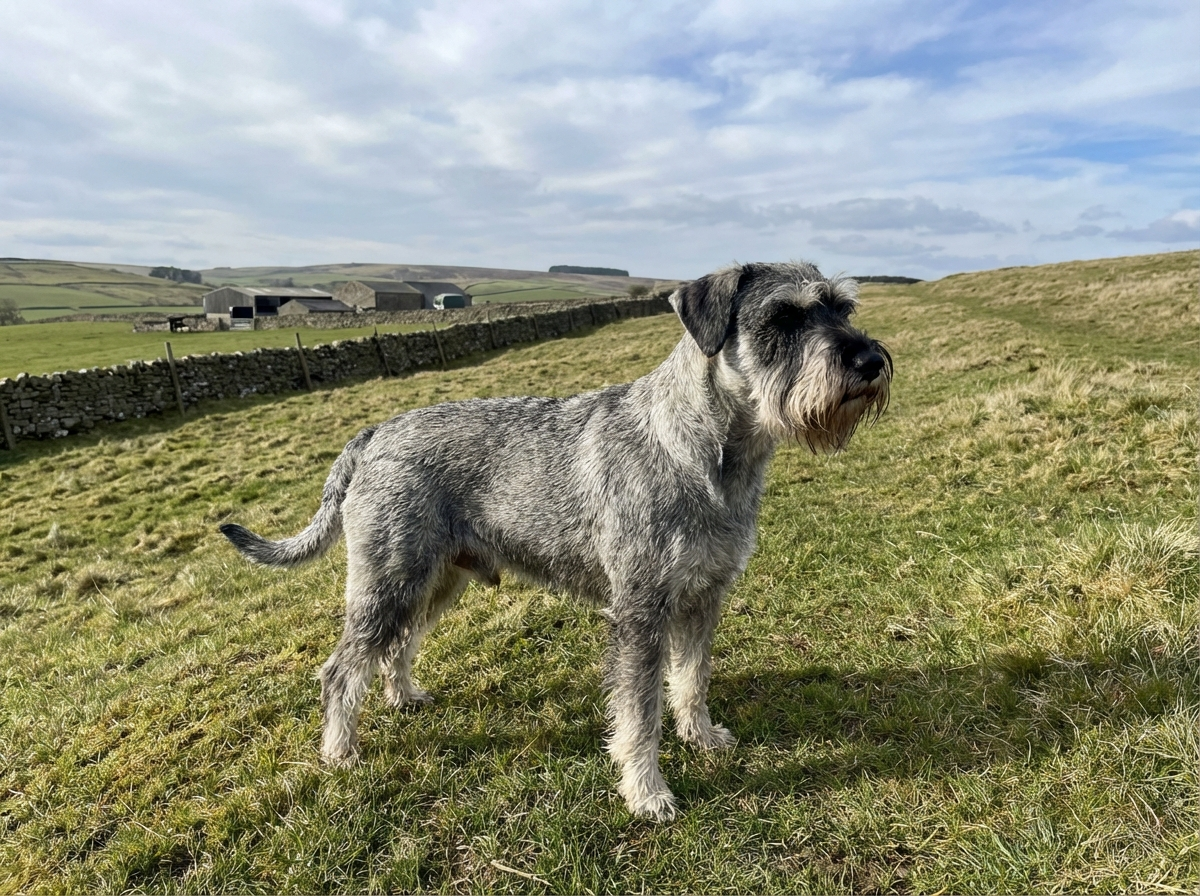
Sarah, a dedicated dog mom from Denver, noticed that her Standard Schnauzer, Max, often limped after playtime. Concerned, she took him to the vet, who diagnosed him with patellar luxation. Sarah learned about a training program focused on strengthening Max's legs and improving his overall mobility. With a mix of targeted exercises and regular vet check-ups, Max gradually showed improvement. After three months, he was back to his playful self, running around without any signs of discomfort.
Key takeaway: With patience and the right training, you can help your Schnauzer (Standard) manage patellar luxation effectively.
Schnauzer (Standard) patellar luxation often occurs due to genetic predisposition, making certain dogs more prone to this issue. It can also result from injury or developmental problems in the knee joint. Regular vet check-ups can help catch this condition early.
To manage Schnauzer (Standard) patellar luxation, maintain a healthy weight and provide gentle exercise to strengthen the muscles around the knee. Avoid high-impact activities that could exacerbate the condition. Consulting with your vet about physical therapy or joint supplements may also help.
Common signs include limping, difficulty jumping, or sudden changes in gait. You might also notice your Schnauzer (Standard) occasionally holding up a leg after activity. If you observe these symptoms, it's crucial to seek veterinary advice.
Surgery may be necessary for severe cases of Schnauzer (Standard) patellar luxation, especially if the dog experiences pain or significant mobility issues. Your vet will assess the severity and recommend the best treatment plan, which may include surgery.
While training won’t fix the physical issue of patellar luxation, it can help your Schnauzer (Standard) learn to avoid movements that worsen their condition. Focus on gentle training exercises that promote stability and build strength without stressing the joints.
If your Schnauzer (Standard) is limping, holding one leg up, or showing signs of discomfort when walking, it could indicate patellar luxation. You might also notice them trying to stretch their leg or skipping while running. Observing these behaviors can help you identify if they need a vet visit.
While some mild cases can improve with physical therapy and training, severe cases may require surgical intervention. Early diagnosis and treatment are crucial for the best outcomes. Always consult with a vet to discuss the best options for your dog's specific situation.
To help prevent patellar luxation, ensure your Schnauzer maintains a healthy weight and gets regular exercise. Proper training that focuses on building muscle strength around the knee can also be beneficial. Consistent vet check-ups will help monitor any potential issues.
Yes, older Schnauzers (Standard) may be more susceptible to patellar luxation due to weakened ligaments and overall joint health. It's important to monitor their activity levels and consult a vet if you notice any changes in mobility or behavior as they age.
If you suspect your Schnauzer (Standard) has patellar luxation, it's important to schedule a vet appointment as soon as possible. The vet can perform an examination and provide a proper diagnosis. Early treatment can lead to better management and improved quality of life for your dog.
Maintain a healthy weight and avoid high-impact activities. Regular vet check-ups can help manage this condition effectively.
Gentle walks and controlled playtime are beneficial. Avoid jumping and running on hard surfaces to prevent injury.
If limping persists, schedule a vet visit to assess the knee. Early intervention can prevent further complications.
Treatment costs can vary widely, ranging from $100 to $3,000 depending on the severity and treatment method. Regular vet care is essential.