DogBreedCompass
← Back to breed profile

Schnauzer (Standard) Osteochondritis Dissecans (OCD): What You Need to Know

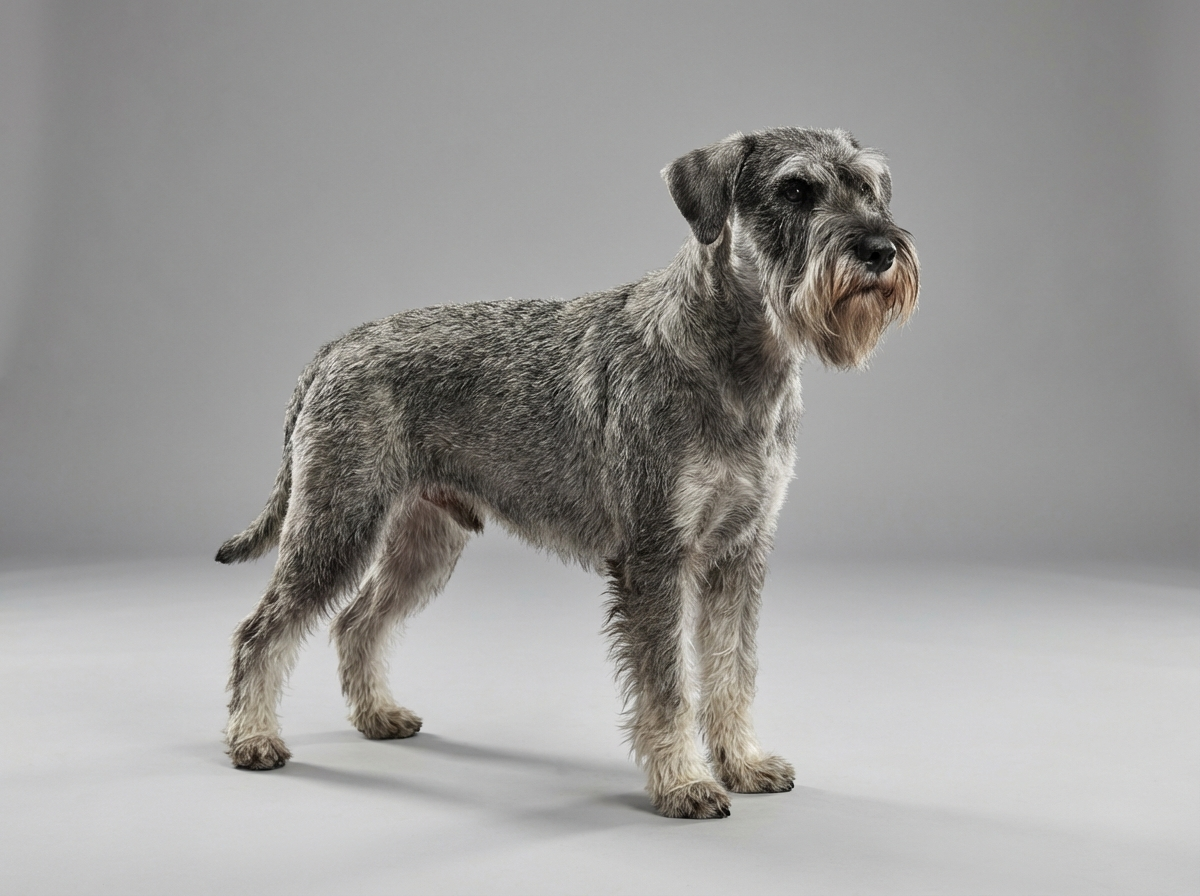
Schnauzer (Standard) osteochondritis dissecans (OCD) is a painful joint condition that can affect your dog's mobility and quality of life.

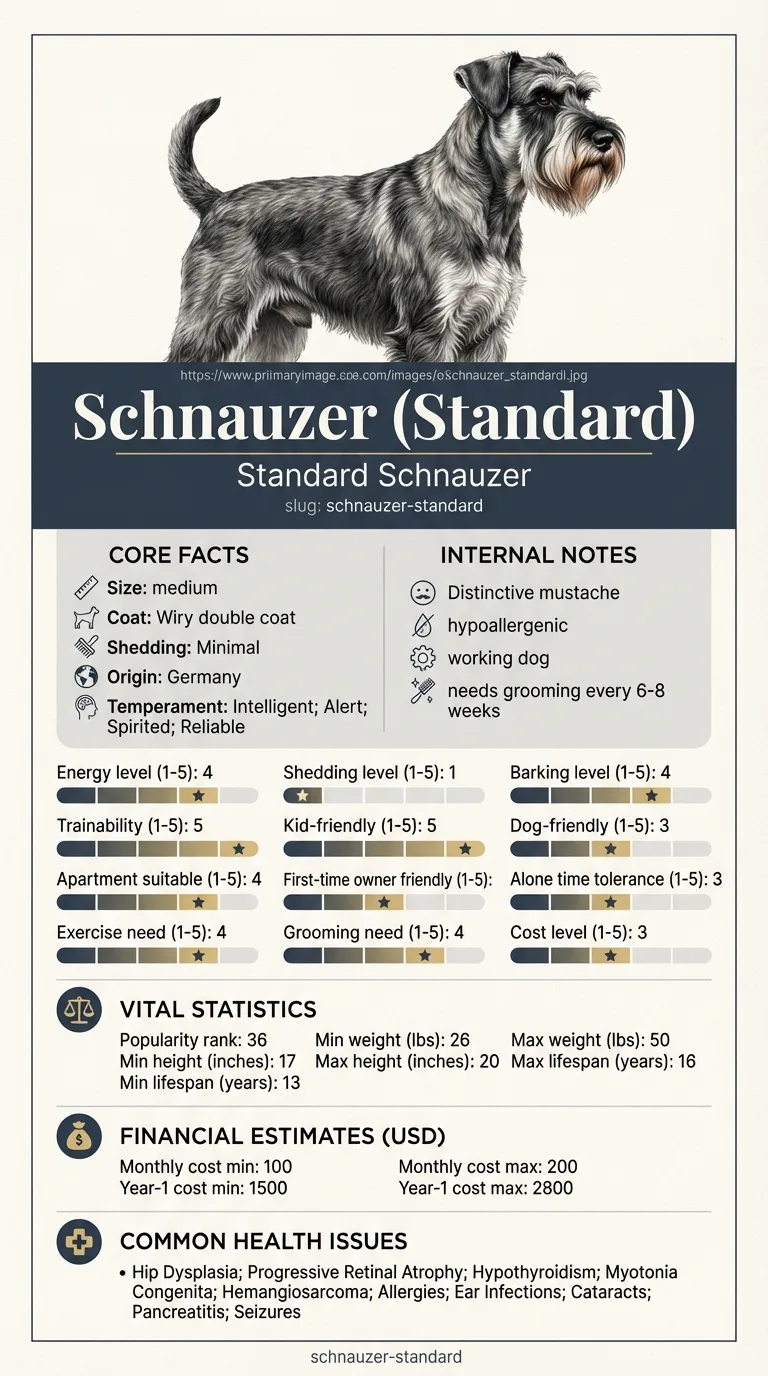
Schnauzer (Standard) Osteochondritis Dissecans (OCD): What You Need to Know infographic

Owners of Schnauzers, especially those who are active or have young dogs, may find themselves grappling with this problem. It's particularly concerning for families who want their dogs to enjoy outdoor play without pain.

Important reminder

This guide is not medical advice. If your dog shows pain, sudden behavior change, or worsening symptoms, consult a licensed veterinarian.

Some links may be affiliate links. We may earn a commission at no extra cost to you. We only suggest products we believe are helpful for dog owners.

What this problem looks like

Schnauzer (Standard) osteochondritis dissecans (OCD) is a painful joint condition that can significantly affect your dog's daily life. This issue arises from abnormal cartilage development in the joints, leading to discomfort and even lameness. Many owners notice their Schnauzer struggling with activities like jumping or running due to the pain associated with this condition.

Common triggers

  • Rapid growth during puppyhood
  • Excessive exercise or high-impact activities
  • Genetic predisposition

Osteochondritis dissecans is relatively common in Schnauzers, particularly in younger dogs. While not every Schnauzer will develop OCD, owners should be aware of the signs, especially if their dog is active or experiences sudden changes in mobility.

Why this happens

Breed factors

Schnauzers (Standard) may develop osteochondritis dissecans (OCD) due to their genetic predisposition. This breed is medium-sized and has a naturally higher risk for joint issues. Their energetic nature can also lead to excessive strain on their developing joints, contributing to this condition.

Environment factors

Environmental factors can play a significant role in the development of OCD. Poor nutrition, lack of proper exercise, and obesity can all contribute to joint stress. Additionally, a rough or uneven exercise surface can increase the likelihood of joint problems in your Schnauzer.

What you can try

At-home strategies

  • Provide a balanced diet with appropriate nutrients to support joint health. Consult your vet for dietary recommendations tailored to your Schnauzer's needs.
  • Implement a controlled exercise routine. Limit high-impact activities like jumping or running on hard surfaces, especially during growth phases.
  • Monitor your Schnauzer's weight. Keeping them at a healthy weight reduces unnecessary pressure on their joints.

When to consider a trainer

If your Schnauzer shows signs of discomfort during training or regular activities, or if they are not responding to your guidance at home, consider hiring a professional trainer. A trainer can help modify exercises and develop a safe training plan.

When to talk to your vet

If you notice persistent limping, swelling, or reluctance to move, it's crucial to consult your veterinarian. They can provide a proper diagnosis and discuss treatment options, which may include medication or physical therapy.

Realistic expectations

Addressing Schnauzer (Standard) osteochondritis dissecans (OCD) typically takes several months. With consistent care and training, you may see improvements in your dog’s comfort and mobility within 8 to 12 weeks.

Success means your Schnauzer displays less discomfort during activities, has improved mobility, and responds well to training and management strategies. Regular veterinary check-ups will help monitor their progress.

Mistakes that make this worse

Avoiding these common mistakes can help your Schnauzer (Standard) with osteochondritis dissecans (OCD). Here are specific behaviors to watch out for.

  • Ignoring early signs of discomfort: If your Schnauzer seems reluctant to play or move, it’s essential to consult a vet instead of waiting.
  • Overexercising: Too much high-impact activity can worsen joint issues. Stick to low-impact exercises like gentle walks or swimming.
  • Neglecting weight management: Keeping your Schnauzer at a healthy weight can reduce stress on their joints. Monitor their diet and avoid overfeeding.
  • Using harsh training methods: Negative reinforcement can increase anxiety and worsen behaviors. Focus on positive reinforcement for better results.
  • Skipping regular vet check-ups: Regular vet visits are crucial to monitor your Schnauzer’s joint health and adjust care plans as needed.
  • Ignoring the need for rest: Allowing your dog to rest properly is essential for recovery. Create a calm space for them to relax away from activity.
  • Not providing joint supplements: Consult your vet about adding joint supplements to your Schnauzer’s diet, which can help support their joint health.

When Schnauzer (Standard) Osteochondritis Dissecans (OCD) Is an Emergency

Understanding when Schnauzer (Standard) osteochondritis dissecans (OCD) becomes an emergency is crucial for your dog's health. Certain signs indicate that immediate veterinary attention is necessary. If your dog experiences severe limping, swelling around the joint, or sudden inability to use a limb, these are red flags. Additionally, if they show signs of extreme pain, like whimpering or guarding the affected area, you should call your vet right away.

On the other hand, if your Schnauzer (Standard) is displaying mild discomfort or occasional limping without severe pain, you might monitor the situation at home. Look for gradual changes in their activity level or behavior. If they seem to improve with rest and gentle movements, it may not be an emergency. However, keep a watchful eye and have a plan to consult your vet if symptoms persist or worsen.

Always trust your instincts. If you're unsure, it's better to seek advice from your veterinarian. They can help determine whether your dog's condition needs immediate treatment or can wait for further observation. Taking action early can prevent more serious issues later on.

Schnauzer (Standard) Osteochondritis Dissecans (OCD): What You Need to Know - When Schnauzer (Standard) Osteochondritis Dissecans (OCD) Is an Emergency

A Journey to Comfort: Max the Schnauzer

Sarah, a busy nurse in Seattle, adopted Max, a Standard Schnauzer. Soon after bringing him home, she noticed he limped after playing fetch. Concerned, she took him to the vet and learned he had osteochondritis dissecans (OCD). With a combination of rest, targeted exercises, and a modified diet, Sarah dedicated time each day to help Max. She also enrolled in an online training class focused on managing his condition and keeping him engaged without straining his joints. Over a few months, Max began to enjoy his walks again, and his limping significantly decreased. Sarah felt relieved to see her pup happier and more active.

Key takeaway: Early intervention and consistent training are key to managing Schnauzer (Standard) osteochondritis dissecans (OCD). With dedication, you can help your dog lead a comfortable life.

Frequently asked questions

Why does my Schnauzer (Standard) have osteochondritis dissecans (OCD)?

Schnauzer (Standard) osteochondritis dissecans (OCD) often occurs due to genetic factors and rapid growth in young dogs. Their medium size and active nature can contribute to joint stress, leading to abnormal cartilage development. If your Schnauzer shows signs of discomfort or lameness, consult your vet for a proper diagnosis.

How can I help my Schnauzer (Standard) with osteochondritis dissecans (OCD)?

To support your Schnauzer with OCD, ensure they have a controlled diet to maintain a healthy weight. Regular, low-impact exercise is vital to keep their joints moving without strain. Consult your vet for a customized treatment plan, which may include medication or physical therapy.

What are the signs of osteochondritis dissecans (OCD) in Schnauzers?

Look for signs such as limping, reluctance to play, and difficulty standing up after resting. You might notice stiffness or swelling in their joints, especially after exercise. If you see these signs, it's important to take your Schnauzer to the vet for evaluation.

Can osteochondritis dissecans (OCD) in Schnauzers be treated without surgery?

Yes, many cases of Schnauzer (Standard) osteochondritis dissecans (OCD) can be managed without surgery. Treatment may include weight management, anti-inflammatory medications, and physical therapy. However, severe cases might still require surgical intervention, so always follow your vet's advice.

What is the long-term outlook for Schnauzers with osteochondritis dissecans (OCD)?

The long-term outlook for Schnauzers with OCD varies. With proper management, many dogs can lead active lives. However, some may experience chronic joint issues, so consistent care and monitoring are essential for their well-being.

What are the symptoms of osteochondritis dissecans (OCD) in Schnauzers?

Symptoms of Schnauzer (Standard) osteochondritis dissecans (OCD) can include limping, reluctance to exercise, or swelling in the affected joints. You may also notice stiffness, especially after resting. If your dog shows any of these signs, it's time to consult your vet.

Can older Schnauzers develop osteochondritis dissecans (OCD)?

While osteochondritis dissecans (OCD) is more common in younger dogs, older Schnauzers can develop joint issues that mimic OCD. It's essential to monitor any changes in their mobility or comfort levels as they age. Regular vet check-ups can help catch these problems early.

How is osteochondritis dissecans (OCD) diagnosed in Schnauzers?

Diagnosis of Schnauzer (Standard) osteochondritis dissecans (OCD) typically involves a physical examination and imaging tests like X-rays. Your vet will look for signs of joint abnormality and may recommend further tests if needed. Early diagnosis is crucial for effective treatment.

What treatment options are available for Schnauzers with osteochondritis dissecans (OCD)?

Treatment for Schnauzer (Standard) osteochondritis dissecans (OCD) may include rest, anti-inflammatory medications, or joint supplements. In severe cases, surgery might be necessary to remove loose cartilage. Consult your vet to determine the best approach based on your dog's condition.

How can I manage my Schnauzer's osteochondritis dissecans (OCD) at home?

Managing Schnauzer (Standard) osteochondritis dissecans (OCD) at home involves providing a comfortable environment and limiting strenuous activity. You can also help with weight management and consider joint-support supplements. Always follow your vet's advice for the best results.

Quick answers

View more answers
Behavior

What are some quick tips for Schnauzer (Standard) osteochondritis dissecans (OCD)?

Keep your Schnauzer at a healthy weight and provide controlled exercise to reduce joint stress. Consult with your vet for the best pain management options. Regular check-ups are crucial for monitoring their condition.

Training

How can I train a Schnauzer (Standard) with OCD?

Focus on gentle training methods that don't stress their joints. Reward-based training can keep them engaged without overexertion. Always be mindful of their comfort levels during sessions.

Health

What should I include in my Schnauzer's diet to help with OCD?

A balanced diet rich in omega fatty acids can support joint health. Consult your vet for recommendations on specific foods or supplements tailored for dogs with OCD.

Related DogBreedCompass guides

  • Schnauzer (Standard) common health issuesLearn more about the common health issues that can affect your Schnauzer, including OCD and how to manage them.
  • Schnauzer (Standard) osteochondritis dissecans (ocd) trainingExplore training techniques specifically designed to help Schnauzers with behavior issues related to OCD.
  • Schnauzer (Standard) separation anxiety guideUnderstand how to support your Schnauzer's mental health, especially if they experience separation anxiety due to physical limitations.
  • Schnauzer (Standard) cost breakdownGet insights on the typical costs associated with owning a Schnauzer, including potential medical expenses from conditions like OCD.
  • Schnauzer (Standard) behavior problemsFind out how to address other common behavior problems that Schnauzers might face, helping to create a harmonious home.

Related guides