DogBreedCompass
← Back to breed profile

Understanding Rottweiler Mix von Willebrand's Disease (vWD1)

Rottweiler Mix von Willebrand's Disease (vWD1) is a genetic bleeding disorder that can affect your dog's health significantly.

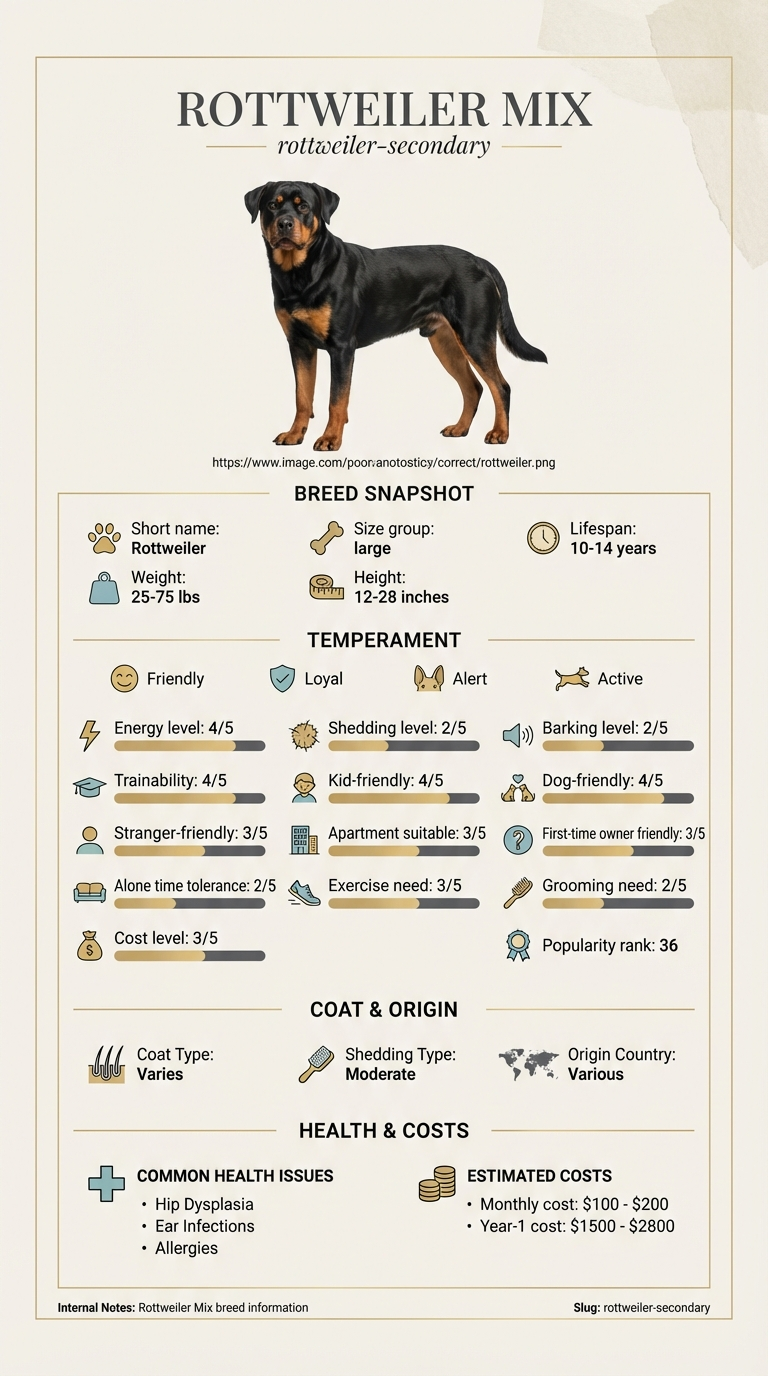
Understanding Rottweiler Mix von Willebrand's Disease (vWD1) infographic

Rottweiler Mix owners, especially those new to dog care, often struggle with managing this condition. They may feel overwhelmed by the potential health risks and unsure about how to provide proper care.

Important reminder

This guide is not medical advice. If your dog shows pain, sudden behavior change, or worsening symptoms, consult a licensed veterinarian.

Some links may be affiliate links. We may earn a commission at no extra cost to you. We only suggest products we believe are helpful for dog owners.

What this problem looks like

Rottweiler Mix von Willebrand's disease (vWD1) is a genetic bleeding disorder that can affect your dog's daily life. Dogs with vWD1 may experience excessive bleeding from minor injuries, making even a small cut a cause for concern. This condition can lead to anxiety for owners, as they must monitor their pets closely to prevent serious complications.

Common triggers

  • Injury or trauma, leading to unexpected bleeding
  • Surgical procedures, where blood clotting is crucial
  • Stressful situations, which may exacerbate bleeding tendencies

Von Willebrand's disease (vWD1) is relatively common in Rottweiler Mixes, especially if there is a family history. It's essential for potential owners to understand this risk and seek regular veterinary check-ups to monitor for signs of the condition.

Why this happens

Breed factors

Rottweiler Mixes can inherit von Willebrand's Disease (vWD1), a genetic bleeding disorder. This condition is typically passed down from parent dogs, affecting their blood's ability to clot. If your Rottweiler Mix has a family history of this disorder, they may be more prone to developing it.

Environment factors

Certain environmental factors can also contribute to the severity of vWD1 symptoms. For instance, high-stress situations or injuries can trigger bleeding episodes. Additionally, exposure to toxins or medications that affect blood clotting may worsen the condition.

What you can try

At-home strategies

  • Keep a calm environment. Reducing stress can help manage symptoms. Create a quiet space for your dog with cozy bedding and toys.
  • Monitor physical activity. Avoid overly strenuous exercise to prevent injuries that could lead to bleeding. Short, gentle walks are better.
  • Maintain a healthy diet. Feed your Rottweiler Mix a balanced diet rich in vitamins and nutrients to support their overall health.
  • Track symptoms. Keep a journal of any bleeding episodes or unusual behavior to share with your vet. This information can help in managing the condition.

When to consider a trainer

If your Rottweiler Mix shows signs of anxiety or behavioral issues related to their condition, consider consulting a trainer. An experienced trainer can help with positive reinforcement techniques to alleviate stress and improve behavior.

When to talk to your vet

Talk to your vet if you notice any signs of excessive bleeding, such as prolonged bleeding from minor cuts or unusual bruising. If your dog has a family history of vWD1, regular check-ups are essential to monitor their health.

Realistic expectations

Managing Von Willebrand's Disease (vWD1) in your Rottweiler Mix typically takes a few months of consistent care and training. Expect to see improvements in your dog's behavior and overall well-being within 3 to 6 months.

Success looks like your Rottweiler Mix living a healthy, active life with minimized bleeding incidents. You'll notice better management of their condition through regular vet check-ups and appropriate lifestyle adjustments.

Mistakes that make this worse – Rottweiler Mix von willebrand's disease (vwd1)

Avoiding certain common mistakes can help manage your Rottweiler Mix's von Willebrand's disease (vWD1) more effectively. Here are some behaviors to steer clear of.

  • Neglecting regular vet check-ups: Skipping regular vet visits can lead to undetected complications. Schedule consistent appointments to monitor your dog's health.
  • Ignoring signs of bleeding: If your Rottweiler Mix shows signs of excessive bleeding or bruising, delaying action can worsen the situation. Contact your vet immediately if you notice any unusual symptoms.
  • Inconsistent training: Inconsistent commands can confuse your dog and lead to stress, which may exacerbate health issues. Stick to a clear routine and training plan for better results.
  • Overexerting your dog: Pushing your Rottweiler Mix too hard during play or exercise can lead to injuries. Opt for moderate activities to keep them happy and healthy.
  • Not providing a calm environment: A stressful home can worsen anxiety and health problems. Create a calm space for your Rottweiler Mix to relax and feel safe.
  • Neglecting diet: Feeding low-quality food can affect your dog's overall health, including their condition. Invest in a balanced diet tailored for dogs with health issues.

When von Willebrand's Disease is an Emergency

Recognizing when your Rottweiler Mix's von Willebrand's disease (vWD1) becomes an emergency is crucial. If you see signs like excessive bleeding from cuts or gums, this is a red flag. Additionally, if your dog experiences prolonged bleeding after surgery or an injury, you should contact your vet immediately.

Other alarming symptoms include difficulty breathing, weakness, or lethargy. If your Rottweiler Mix collapses or has a seizure, these are scenarios where you must seek immediate veterinary help. Quick action can save your dog's life.

On the other hand, if your dog shows mild symptoms, such as occasional nosebleeds or bruising without severe bleeding, you may monitor the situation. Keeping a close eye on their activity and behavior can help you gauge whether they need medical attention. Make sure to have a plan in place to consult your vet if symptoms worsen or do not improve.

Understanding Rottweiler Mix von Willebrand's Disease (vWD1) - When von Willebrand's Disease is an Emergency

Sam's Journey with Bella and vWD1

Sam, a first-time dog owner, adopted Bella, a Rottweiler Mix, without knowing she had Von Willebrand's Disease (vWD1). After her first bleeding episode, Sam felt overwhelmed and worried. With the vet's guidance, he learned how to manage Bella's condition through a careful plan that included regular vet visits, a balanced diet, and gentle exercise. Over time, Bella's symptoms became manageable, and Sam felt more confident in handling her care. They even found a fun activity for Bella that didn’t strain her too much—short, gentle walks in the park. Sam learned that understanding Bella's needs was key to their happiness.

Key takeaway: With the right knowledge and support, managing a dog's health condition can lead to a fulfilling life for both the owner and the pet.
Frequently asked questions

Why does my Rottweiler Mix have von willebrand's disease (vwd1)?

Von Willebrand's disease (vWD1) is a genetic bleeding disorder common in Rottweiler Mixes. It occurs when the blood doesn't clot properly due to a deficiency in a specific protein. If your Rottweiler Mix has been diagnosed, it's important to consult your vet for management options. This answer relates to Rottweiler Mix von willebrand's disease (vwd1).

How can I manage von willebrand's disease (vwd1) in my Rottweiler Mix?

Managing vWD1 involves regular veterinary check-ups and potentially medication to help with blood clotting. You should also avoid situations that could lead to injury, as bleeding may be harder to control. Maintaining a calm environment can help reduce stress on your dog.

Can training help my Rottweiler Mix with von willebrand's disease (vwd1)?

Training can help your Rottweiler Mix adapt to their condition and minimize stress. Focus on positive reinforcement and gentle commands to avoid triggering anxiety. Socializing your dog with other pets can also help them feel more comfortable.

What are the signs of von willebrand's disease (vwd1) in Rottweiler Mixes?

Signs of vWD1 include excessive bleeding from minor cuts, prolonged bleeding after surgery, or unusual bruising. If you notice any of these symptoms, it's crucial to contact your veterinarian. Early detection can lead to better management.

Is von willebrand's disease (vwd1) serious for Rottweiler Mixes?

Yes, vWD1 can be serious because it affects blood clotting. While many dogs can live normal lives with proper management, the condition requires monitoring and care. Always consult your vet for personalized advice.

What are the symptoms of von Willebrand's disease (vWD1) in Rottweiler Mixes?

Symptoms of von Willebrand's disease in Rottweiler Mixes can include excessive bleeding from cuts, nosebleeds, or bleeding gums. You might also notice your dog bruising easily or having prolonged bleeding after surgery. If you see any of these signs, it's crucial to consult your veterinarian.

How can I manage my Rottweiler Mix's von Willebrand's disease (vWD1)?

Managing vWD1 in your Rottweiler Mix involves regular vet check-ups and monitoring for signs of bleeding. You should also maintain a calm environment to reduce stress and avoid activities that could lead to injuries. Your vet may recommend specific treatments or dietary changes to support your dog's health.

Is von Willebrand's disease (vWD1) hereditary in Rottweiler Mixes?

Yes, von Willebrand's disease is a genetic condition that can be inherited from parent dogs. If you are considering breeding a Rottweiler Mix, it's essential to test for vWD1 to prevent passing this condition to the offspring. Always consult a veterinarian for genetic testing options.

What should I do if my Rottweiler Mix has a bleeding episode?

If your Rottweiler Mix experiences a bleeding episode, remain calm and apply gentle pressure to the wound. If the bleeding does not stop quickly, take your dog to the vet immediately. It's essential to have a plan in place for emergencies, especially for dogs with vWD1.

Can Rottweiler Mixes with von Willebrand's disease (vWD1) lead normal lives?

Absolutely! Many Rottweiler Mixes with von Willebrand's disease can lead happy, normal lives with proper management and care. It's important to keep them healthy and avoid high-risk activities, but with regular veterinary support, they can thrive.

Quick answers

View more answers
Behavior

What are quick tips for Rottweiler Mix von willebrand's disease (vwd1)?

Keep your Rottweiler Mix's environment calm and avoid rough play. Regular vet visits are essential for monitoring their condition. Always have a first aid kit on hand for emergencies.

Costs

How much does managing vwd1 cost for a Rottweiler Mix?

Managing von Willebrand's disease can cost between $100 and $200 monthly, depending on vet visits and medications. Be prepared for unexpected expenses related to bleeding incidents.

Health

Can diet affect my Rottweiler Mix with vwd1?

Yes, a balanced diet can support overall health, which is crucial for dogs with vWD1. Consult your vet for dietary recommendations that suit their needs.

Related DogBreedCompass guides

Related guides


