Behavior
How do I know if my Rottweiler has progressive retinal atrophy (pra-rcd3)?
Look for signs like difficulty seeing in dim light and bumping into things. A vet can perform tests to confirm the diagnosis.
Rottweiler progressive retinal atrophy (PRA-RCD3) is a serious genetic condition that leads to vision loss in these dogs. Understanding this issue is crucial for owners who want to ensure their dog's quality of life.
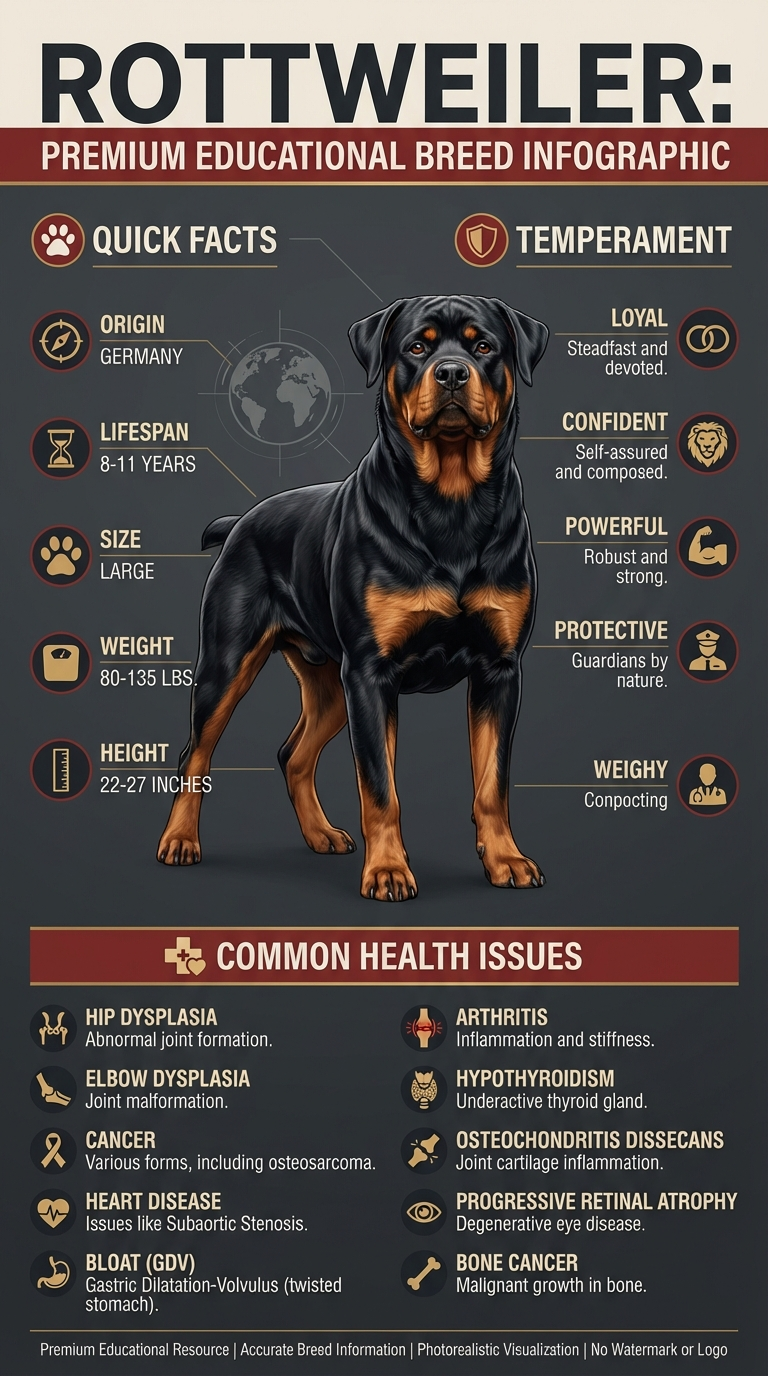
Owners of Rottweilers who notice changes in their dog's vision, such as difficulty navigating familiar environments or increased hesitance in low light, often face challenges. First-time dog owners might find it especially difficult to manage the emotional and practical aspects of this progressive condition.
This guide is not medical advice. If your dog shows pain, sudden behavior change, or worsening symptoms, consult a licensed veterinarian.
Some links may be affiliate links. We may earn a commission at no extra cost to you. We only suggest products we believe are helpful for dog owners.
Rottweiler progressive retinal atrophy (pra-rcd3) is a genetic condition leading to gradual vision loss in Rottweilers. Day-to-day, this means your Rottweiler may struggle to navigate familiar spaces, bump into objects, or show signs of confusion in low light. This condition can be distressing for both the dog and the owner, as it impacts the dog's ability to enjoy activities they once loved.
Progressive retinal atrophy (pra-rcd3) is relatively common among Rottweilers, particularly as they age. Many Rottweilers may show early signs by their late teens. It's important to be vigilant and consult a vet if you notice changes in your dog's vision.
Rottweilers are genetically predisposed to Progressive Retinal Atrophy (PRA-rcd3), a condition that leads to gradual vision loss. This hereditary issue can occur in various breeds, but Rottweilers are particularly affected due to their genetic background.
Environmental factors, such as exposure to bright sunlight or harsh lighting, can exacerbate the symptoms of PRA-rcd3. While these factors won't cause the condition, they may increase discomfort for your dog as their vision deteriorates.
If you notice behavioral changes or your Rottweiler struggles to adapt to their vision loss, consider consulting a trainer experienced in working with visually impaired dogs. They can provide specialized strategies to help your dog adjust.
It's essential to talk to your vet if you suspect your Rottweiler is developing PRA-rcd3. They can confirm the diagnosis and discuss potential treatments or management options to support your dog's quality of life.
Managing Rottweiler progressive retinal atrophy (pra-rcd3) typically takes time. You'll see gradual changes over several months, and depending on the severity, it could take one to two years to fully adapt your dog's routine.
Success means your Rottweiler is able to adjust to vision loss, navigate familiar environments, and maintain a good quality of life. You'll notice improvements in how they respond to cues and adapt their behavior.
Avoiding certain behaviors can help manage Rottweiler progressive retinal atrophy (PRA-rcd3) more effectively. Here are some common mistakes and better alternatives.
Understanding when Rottweiler progressive retinal atrophy (PRA-rcd3) is an emergency is crucial for your dog's well-being. If your Rottie shows signs of sudden vision loss, such as bumping into objects, disorientation, or difficulty navigating familiar spaces, you should call your vet immediately. These red-flag signs can indicate severe progression of the disease or other urgent health issues that need prompt attention.
On the other hand, if your dog is experiencing gradual vision changes, such as slight hesitance in low-light conditions or a noticeable but slow decline in eyesight, this can often be monitored at home. Keeping a close watch while documenting any changes can help you keep your vet informed during regular check-ups. Creating a plan to manage your dog's environment, like using bright lights or avoiding cluttered spaces, can also be beneficial while waiting to see how the condition progresses.

When Jane adopted her Rottweiler, Max, she quickly noticed he was having trouble seeing in low light. After a vet confirmed it was progressive retinal atrophy (pra-rcd3), Jane felt overwhelmed. However, she began implementing training exercises that focused on verbal commands and scent cues. Over time, Max learned to navigate their home using sound and smell, making him more confident. Jane also made her house more dog-friendly by removing obstacles and keeping furniture in the same place.
Key takeaway: With patience and consistent training, you can help your Rottweiler adjust to progressive retinal atrophy (pra-rcd3). Focus on building their confidence and maintaining a stable environment.
Rottweiler progressive retinal atrophy (pra-rcd3) is a genetic condition that leads to vision loss. It affects the retina, causing cells to degenerate gradually. This condition can start as early as a few months of age and can lead to complete blindness.
Progressive retinal atrophy (pra-rcd3) is inherited and occurs due to a genetic mutation. Rottweilers are predisposed to this condition, meaning it can run in families. If your Rottweiler shows symptoms, consult a vet for a proper diagnosis.
While there is no cure for Rottweiler progressive retinal atrophy (pra-rcd3), you can help your dog adapt. Keeping their environment consistent and free from obstacles can assist them in navigating safely. Training in cues and commands can also be beneficial.
Signs include difficulty seeing in low light, bumping into objects, and reluctance to navigate unfamiliar areas. You may also notice changes in their behavior, like increased anxiety or confusion. Regular vet check-ups are crucial to monitor their vision.
Unfortunately, since Rottweiler progressive retinal atrophy (pra-rcd3) is genetic, prevention isn't possible. However, responsible breeding practices can help reduce its occurrence. Always choose a reputable breeder who screens for genetic conditions.
The prognosis varies, but most Rottweilers will experience some level of vision loss as the condition progresses. While they can adapt to changes, monitoring their quality of life is important. Consult your vet for guidance on managing their needs.
Yes, Rottweilers with progressive retinal atrophy (pra-rcd3) can adapt to their vision loss. With proper training and adjustments at home, many dogs can live fulfilling lives. It's essential to create a safe environment and use verbal cues.
Early signs of progressive retinal atrophy (pra-rcd3) may include difficulty navigating stairs, bumping into furniture, or reluctance to go outside. If you notice these behaviors, consult your vet for evaluation. Early detection can help in managing the condition.
Currently, there is no cure for progressive retinal atrophy (pra-rcd3). However, management focuses on helping your Rottweiler adjust to vision loss. Techniques like positive reinforcement training and using tactile cues can be beneficial.
If you notice any signs of vision loss or changes in behavior related to sight, it's important to see a vet. They can provide a comprehensive eye exam and discuss potential management strategies for progressive retinal atrophy (pra-rcd3).
Training a Rottweiler with progressive retinal atrophy (pra-rcd3) involves using verbal commands and tactile signals. Consistency is key, and positive reinforcement helps motivate your dog. Keep training sessions short and engaging to maintain their interest.
Look for signs like difficulty seeing in dim light and bumping into things. A vet can perform tests to confirm the diagnosis.
Yes, with proper support and training, Rottweilers can adapt and lead fulfilling lives despite vision loss.
Schedule a vet appointment to discuss symptoms and get a proper diagnosis. Early intervention can help manage the condition.