Behavior
What are some quick tips for Rottweiler heat sensitivity?
Provide plenty of water and shade, and avoid walks during peak heat. Consider using cooling mats or doggy pools.
Quick answer
What are some quick tips for Rottweiler heat sensitivity?
Provide plenty of water and shade, and avoid walks during peak heat. Consider using cooling mats or doggy pools.
Rottweiler heat sensitivity is a serious issue for many owners. This condition makes them struggle in hot weather, risking their health.
Owners living in hot areas or those who enjoy outdoor activities in summer often face challenges with Rottweiler heat sensitivity. Busy families or first-time dog owners may also feel overwhelmed, unsure how to manage their dog's comfort and safety during heat waves.
This guide is not medical advice. If your dog shows pain, sudden behavior change, or worsening symptoms, consult a licensed veterinarian.
Some links may be affiliate links. We may earn a commission at no extra cost to you. We only suggest products we believe are helpful for dog owners.
Rottweiler heat sensitivity is a common issue that can affect your dog's daily life. These large dogs struggle to cope with high temperatures, which can lead to serious health risks like heatstroke. It's important to recognize the signs of heat sensitivity in your Rottweiler to keep them safe and comfortable.
Heat sensitivity is quite common in Rottweilers due to their heavy double coat and large size. Many owners report that their dogs become lethargic, seek out cool surfaces, or show signs of distress in warm conditions.
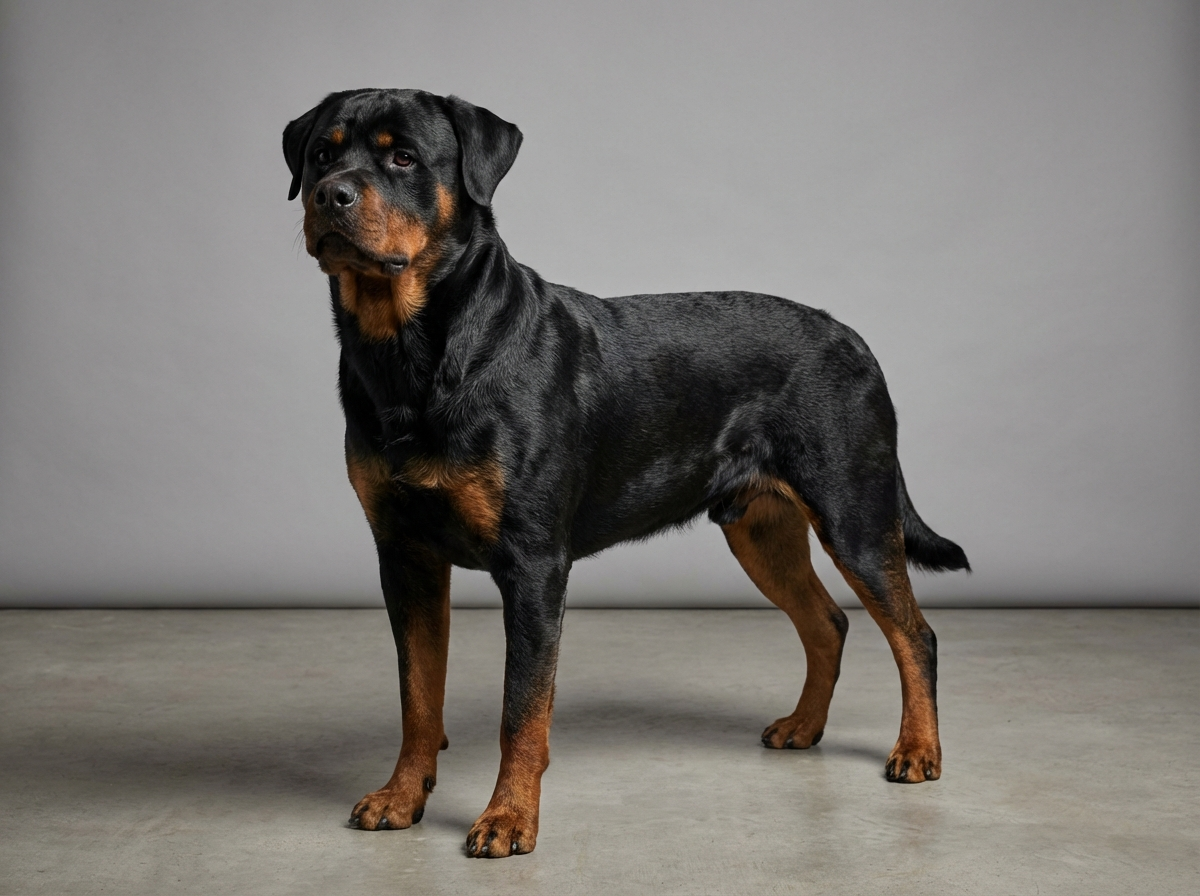
Rottweilers have a double coat that retains heat, making them vulnerable to overheating. Their large size means they generate more body heat during exercise, further increasing the risk of heat sensitivity. Additionally, certain genetic factors and health conditions can make Rottweilers more susceptible to heat-related issues.
High temperatures and humidity can exacerbate a Rottweiler's heat sensitivity. Lack of proper ventilation in living spaces or not having access to cool, shaded areas can lead to overheating. Stressful situations, such as loud noises or unfamiliar environments, can also make them more sensitive to heat.
If your Rottweiler struggles with heat sensitivity during training or outdoor activities, consider consulting a trainer. They can help you design a training plan that takes your dog's heat sensitivity into account and teaches commands that encourage calm behavior in high-stress situations.
If your Rottweiler shows persistent signs of heat sensitivity, such as frequent overheating or reluctance to exercise, it’s essential to consult a vet. They can assess for underlying health issues and provide guidance on managing your dog's heat sensitivity effectively.
With consistent training and environmental adjustments, you can expect to see improvement in your Rottweiler's heat sensitivity within 4 to 6 weeks.
Success means your Rottweiler can enjoy outdoor activities in warmer weather without showing signs of distress, like excessive panting or lethargy.
Avoiding these common mistakes can help improve your Rottweiler's heat sensitivity.
Recognizing when your Rottweiler's heat sensitivity is an emergency can save their life. If your dog shows signs of severe distress in hot weather, such as excessive panting, drooling, weakness, or vomiting, it's time to call your vet immediately. These symptoms could indicate heatstroke, which is life-threatening and requires urgent care.
On the other hand, if your Rottweiler experiences mild discomfort, like slight panting or a reluctance to walk in the heat, you can monitor them at home. Ensure they have access to cool water and shade. Keep an eye on their behavior and provide frequent breaks during walks.
If these signs persist or worsen, consult your veterinarian for advice.
In summary, always err on the side of caution. If in doubt about your dog's well-being in hot conditions, contact your vet without delay. Your Rottweiler's health is worth it!
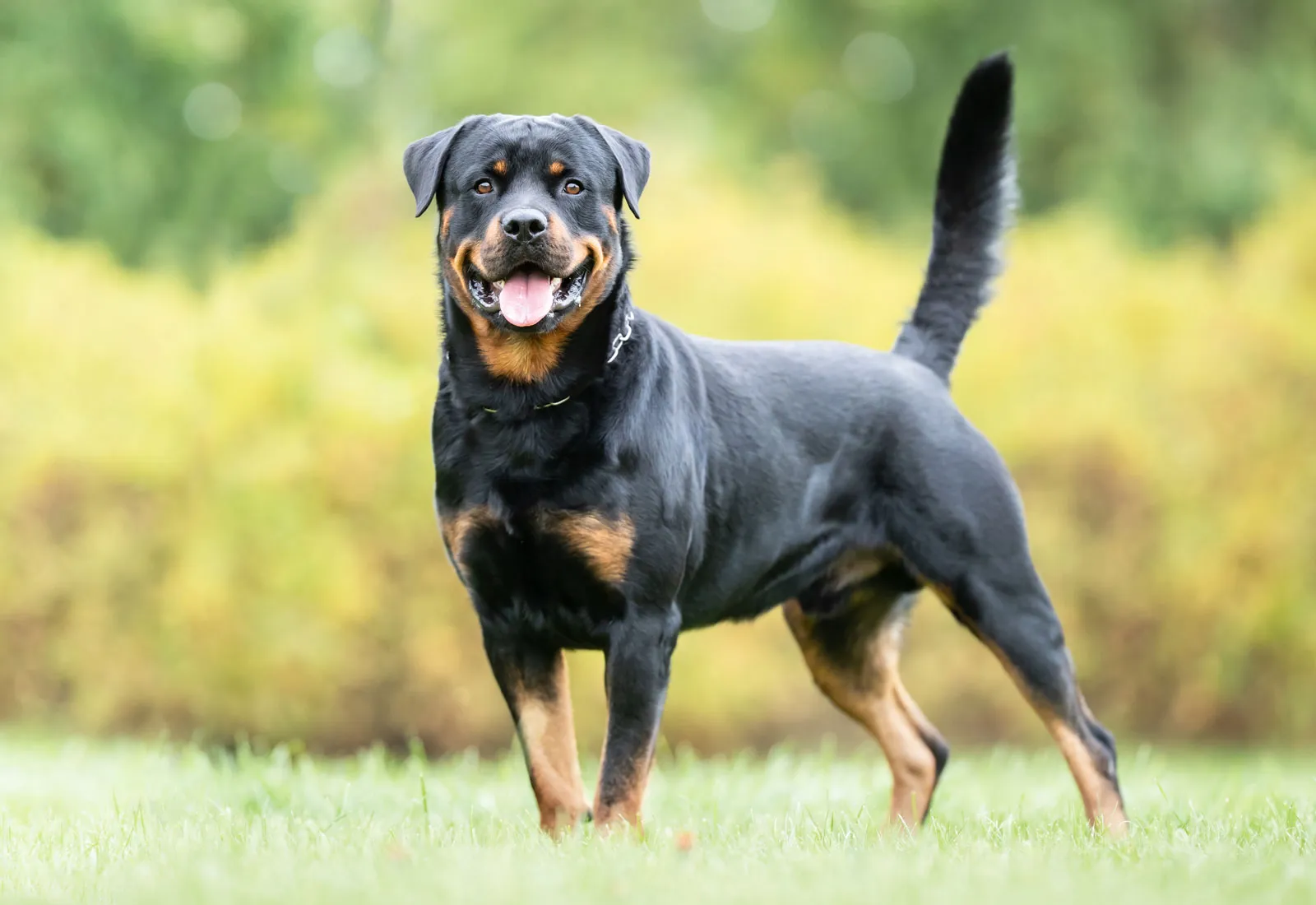
When Sarah adopted Bella, her Rottweiler, she quickly realized that Bella struggled in the heat. During walks, Bella would often stop, pant heavily, and refuse to move. Concerned for her health, Sarah did some research on Rottweiler heat sensitivity and found tips on how to train Bella to cope with heat better. She started by scheduling walks during cooler parts of the day and ensuring Bella had plenty of water. Gradually, she introduced Bella to short outdoor play sessions, monitoring her closely. Over time, Bella became more comfortable with the heat, and they could enjoy longer walks together without issues.
Key takeaway: With patience and proper training, you can help your Rottweiler adapt to heat, ensuring their comfort and safety during warmer months.
Rottweilers have a double coat that can trap heat, making them more susceptible to overheating. This breed also has a large body mass, which can make regulating their body temperature more challenging. It's crucial to monitor their behavior in hot weather and provide plenty of water and shade.
To manage Rottweiler heat sensitivity, keep your dog indoors during peak heat hours and provide cool water. You can also invest in a cooling mat or a kiddie pool for them to relax in. Training your Rottweiler to recognize signs of overheating is essential, so they can signal when they need a break.
Signs of heatstroke include excessive panting, drooling, weakness, and a rapid heartbeat. If your Rottweiler is showing these symptoms, move them to a cooler environment immediately and contact your vet. Prompt action can save their life.
While you can't eliminate heat sensitivity, you can train your Rottweiler to respond appropriately to heat. Teach them to find shade or water and to rest when it gets too hot. Consistent training and positive reinforcement are key.
As a general rule, if the temperature exceeds 75°F (24°C), it may be too hot for your Rottweiler to walk comfortably. Always check the pavement temperature too; if it's too hot for your hand, it's too hot for their paws.
Signs of heat sensitivity in Rottweilers include excessive panting, drooling, lethargy, and a refusal to eat or drink. If your Rottie seems unusually restless or seeks out cool surfaces, they may be struggling with the heat.
To help your Rottweiler cool down, provide plenty of fresh water and ensure they have access to shade or a cool indoor space. You can also use a damp towel to gently cool their fur and avoid walks during peak heat hours.
If your Rottweiler shows severe signs of heat sensitivity, such as difficulty breathing, confusion, or vomiting, it's crucial to seek veterinary care immediately. These symptoms could indicate heatstroke, which is a medical emergency.
Yes, older Rottweilers may be more susceptible to heat sensitivity due to decreased stamina and potential health issues. It's essential to monitor them closely during warm weather and adjust their activities accordingly.
While training cannot eliminate heat sensitivity, it can help your Rottweiler learn to respond to your cues about when to rest or cool down. Incorporating breaks during exercise and reinforcing calm behavior in warm conditions can be beneficial.
Provide plenty of water and shade, and avoid walks during peak heat. Consider using cooling mats or doggy pools.
Yes, many Rottweilers experience heat sensitivity due to their double coat and overall size.
Use fans, air conditioning, and provide access to cool water and shaded areas.
If your Rottweiler shows severe signs of heat sensitivity or heatstroke, take them to the vet immediately.
While you can't change their sensitivity, you can train them to recognize their limits and seek cool areas.