DogBreedCompass
← Back to breed profile

Understanding Rottweiler Brachycephalic Airway Syndrome (BOAS)

Rottweiler brachycephalic airway syndrome (boas) can lead to serious breathing difficulties, especially in hot weather. Recognizing the signs early can help prevent complications.

Owners of Rottweilers, especially first-time pet parents, often face challenges in managing this syndrome. Those living in warmer climates or with active lifestyles may find it even more concerning.

Important reminder

This guide is not medical advice. If your dog shows pain, sudden behavior change, or worsening symptoms, consult a licensed veterinarian.

Some links may be affiliate links. We may earn a commission at no extra cost to you. We only suggest products we believe are helpful for dog owners.

What this problem looks like

Rottweiler brachycephalic airway syndrome (boas) is a condition that affects the breathing of Rottweilers due to their short snouts. Daily life for a dog with this syndrome can include labored breathing, snoring, and difficulty exercising, especially in hot weather. These symptoms can lead to anxiety for both the dog and their owner, as the dog may struggle to get enough air during normal activities.

Common triggers

  • Hot weather or high humidity
  • Intense physical activity or exercise
  • Obesity, which can worsen breathing difficulties
  • Stress, which may exacerbate symptoms

This condition is relatively common among Rottweilers, particularly those with more extreme brachycephalic features. Many owners may not notice the signs until their dog experiences significant breathing issues, especially during warm weather.

Why this happens

Breed factors

Rottweilers can have brachycephalic airway syndrome (BOAS) due to their facial structure. Their shorter muzzles can lead to narrowed airways, making it harder for them to breathe. This breed's genetics can also influence how severe their breathing issues may be.

Environment factors

Environmental factors can exacerbate BOAS symptoms in Rottweilers. Hot weather, high humidity, and strenuous exercise can lead to breathing difficulties. Stress or anxiety can also trigger respiratory problems, making it important to create a calm environment.

What you can try

At-home strategies

  • Keep your Rottweiler indoors during hot weather to avoid overheating. Use fans or air conditioning to help keep them comfortable.
  • Limit exercise on hot days, opting for shorter, cooler walks in the morning or evening instead.
  • Monitor your Rottweiler's breathing and behavior closely. If they seem to struggle or pant excessively, give them a break and cool them down.

When to consider a trainer

If your Rottweiler shows signs of anxiety or stress that worsen their breathing issues, consider consulting a professional trainer. A trainer can help address behavioral problems and create a positive training environment.

When to talk to your vet

If your Rottweiler's breathing seems consistently labored or if you notice any coughing, gagging, or blue-tinged gums, it's important to consult your vet. They can assess the severity of BOAS and may recommend treatments or surgical options.

Realistic expectations

You can expect to see improvement in your Rottweiler's breathing within a few weeks of starting a tailored training and management plan. Full success may take several months, depending on the severity of the condition.

Success means your Rottweiler can breathe more easily, especially during exercise or in warm weather. You should notice less panting and coughing, and they should be more comfortable overall.

Emma and Max: Tackling BOAS Together

Emma, a first-time dog owner, adopted Max, a Rottweiler who struggled with breathing, especially during walks. After visiting the vet, Emma learned Max had brachycephalic airway syndrome (BOAS). Determined to help him, she created a schedule for shorter, cooler walks and enrolled him in a training class focusing on relaxation techniques. Within a month, Max was more at ease during outings, and Emma felt reassured seeing him breathe better.

Key takeaway: Managing Rottweiler brachycephalic airway syndrome (BOAS) requires patience and a proactive approach. With the right adjustments, you can improve your dog's quality of life significantly.

Frequently asked questions

Why does my Rottweiler have brachycephalic airway syndrome (boas)?

Rottweilers can develop brachycephalic airway syndrome (boas) due to their physical structure, including a short snout and narrowed airways. This can lead to breathing difficulties, particularly in hot weather or during exercise. If your Rottweiler shows signs of distress while breathing, it's crucial to consult a vet.

How can I stop my Rottweiler from suffering due to brachycephalic airway syndrome (boas)?

To help manage Rottweiler brachycephalic airway syndrome (boas), keep your dog cool and avoid strenuous exercise during high temperatures. Regular vet check-ups can help monitor their condition and identify any worsening symptoms. In severe cases, surgery may be needed to alleviate the issue.

What can I do to improve my Rottweiler's breathing problems?

Improving your Rottweiler's breathing can involve maintaining a healthy weight, as excess weight can exacerbate breathing issues. Additionally, providing a calm and stress-free environment can help reduce anxiety and breathing difficulties. Training your Rottweiler to avoid strenuous activities can also be beneficial.

Are there specific training methods for Rottweilers with brachycephalic airway syndrome (boas)?

Yes, using positive reinforcement techniques works best for training Rottweilers, especially those with brachycephalic airway syndrome (boas). Focus on short training sessions that don't overly exert your dog, and reward them for calm behavior. Early socialization and training can help them adapt better.

When should I seek veterinary help for my Rottweiler's breathing issues?

You should seek veterinary help if your Rottweiler shows signs of severe breathing difficulties, such as excessive panting, coughing, or lethargy. It's particularly important to consult a vet if your dog struggles to breathe during regular activities. Early intervention can prevent complications.

What are the signs of Rottweiler brachycephalic airway syndrome (boas)?

Common signs include loud breathing, snoring, and difficulty breathing, especially during exercise or in hot weather. If your Rottweiler is panting excessively or seems to struggle for air, it's important to consult a vet.

Can brachycephalic airway syndrome (boas) worsen with age?

Yes, symptoms may worsen as Rottweilers age due to the natural weakening of their respiratory system. Older dogs may also develop related issues like obesity, which can further complicate their breathing.

How can I manage my Rottweiler's brachycephalic airway syndrome (boas) at home?

Keep your Rottweiler cool and avoid strenuous exercise, especially in hot weather. You can also work with a vet on weight management and consider training methods that don't exacerbate their breathing difficulties.

When should I take my Rottweiler to the vet for breathing issues?

If your Rottweiler shows persistent signs of distress, such as labored breathing or extreme lethargy, it's time to visit the vet. Early intervention can prevent more serious complications related to brachycephalic airway syndrome (boas).

Are there surgical options for Rottweiler brachycephalic airway syndrome (boas)?

Yes, surgery may be an option for severe cases to open the airway and improve breathing. Discuss the risks and benefits with your vet to determine if this is the right choice for your Rottweiler.

Quick answers

View more answers
Behavior

What are quick tips for managing Rottweiler brachycephalic airway syndrome (boas)?

Keep your Rottweiler cool and avoid heat stress. Limit strenuous exercise and monitor for breathing difficulties. Regular vet check-ups are essential for management.

Health

How can I help my Rottweiler breathe better?

Ensure your Rottweiler maintains a healthy weight and avoid situations that cause stress or overheating. Calm environments can help ease their breathing.

Health

Is surgery necessary for Rottweiler brachycephalic airway syndrome (boas)?

Surgery may be necessary for severe cases of Rottweiler brachycephalic airway syndrome (boas). Consult your vet to discuss options based on your dog's condition.

Related DogBreedCompass guides

  • Rottweiler separation anxiety guideLearn how to manage and prevent anxiety in Rottweilers, which can sometimes be linked to breathing issues.
  • Rottweiler behavior problemsExplore common behavior problems in Rottweilers and how they might be impacted by health issues like BOAS.
  • Rottweiler brachycephalic airway syndrome (boas) trainingUnderstand the specific training needs for Rottweilers, especially if they are facing health challenges.
  • Rottweiler cost breakdownGet insight into the costs associated with owning a Rottweiler, including potential health-related expenses.
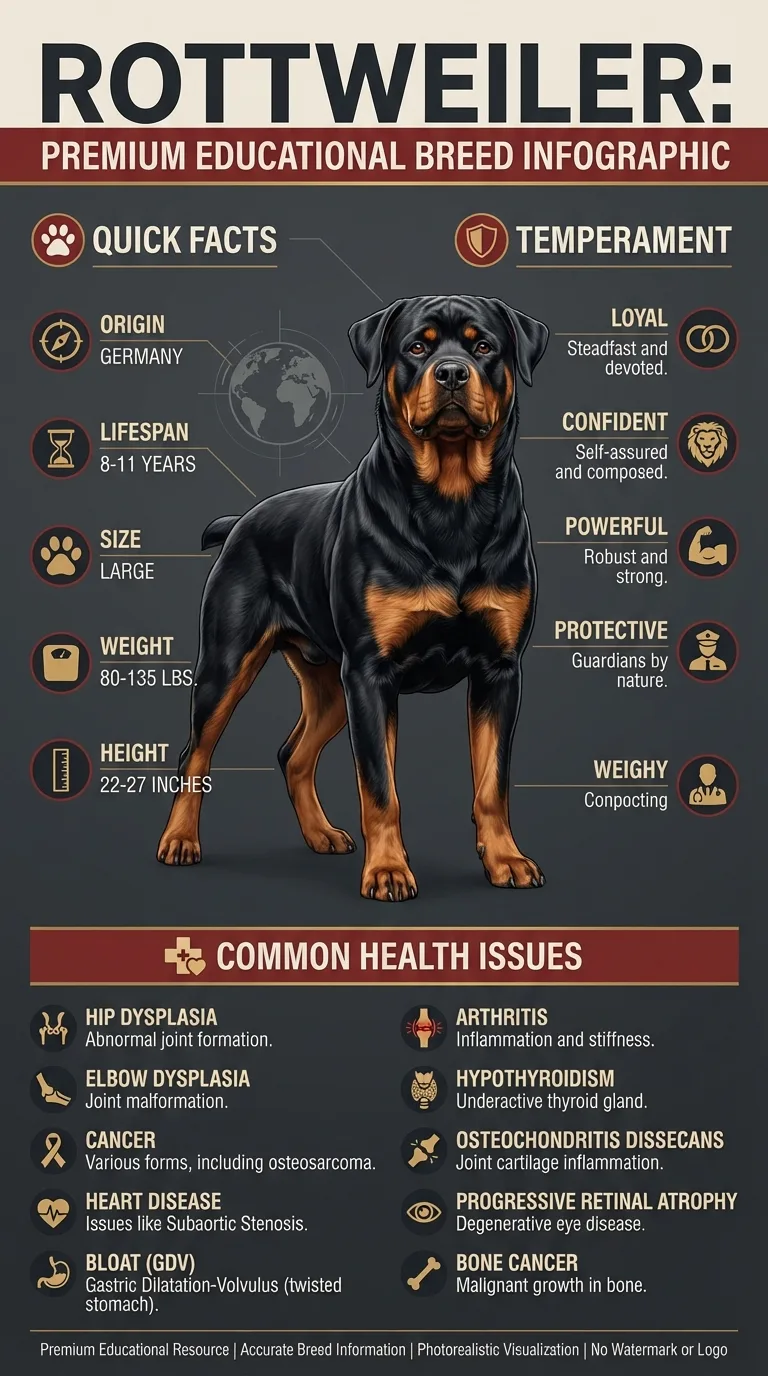
  • Rottweiler breed overviewFind out more about the Rottweiler breed and their common health issues, including BOAS and its impact.

Related guides

Take Behavior Assessment

Understand why your dog acts this way.

Take a quick dog behavior quiz to spot red flags in training, anxiety and everyday habits before they snowball into bigger problems.

Take quiz