Health
What are quick tips for managing Rottweiler ARVC?
Regular vet visits and a heart-healthy diet are key for managing Rottweiler ARVC. Keep exercise moderate and watch for any changes in behavior or health.

Quick answer
What are quick tips for managing Rottweiler ARVC?
Regular vet visits and a heart-healthy diet are key for managing Rottweiler ARVC. Keep exercise moderate and watch for any changes in behavior or health.
Rottweiler arrhythmogenic right ventricular cardiomyopathy (ARVC) is a serious heart condition that affects your dog's rhythm and overall health.
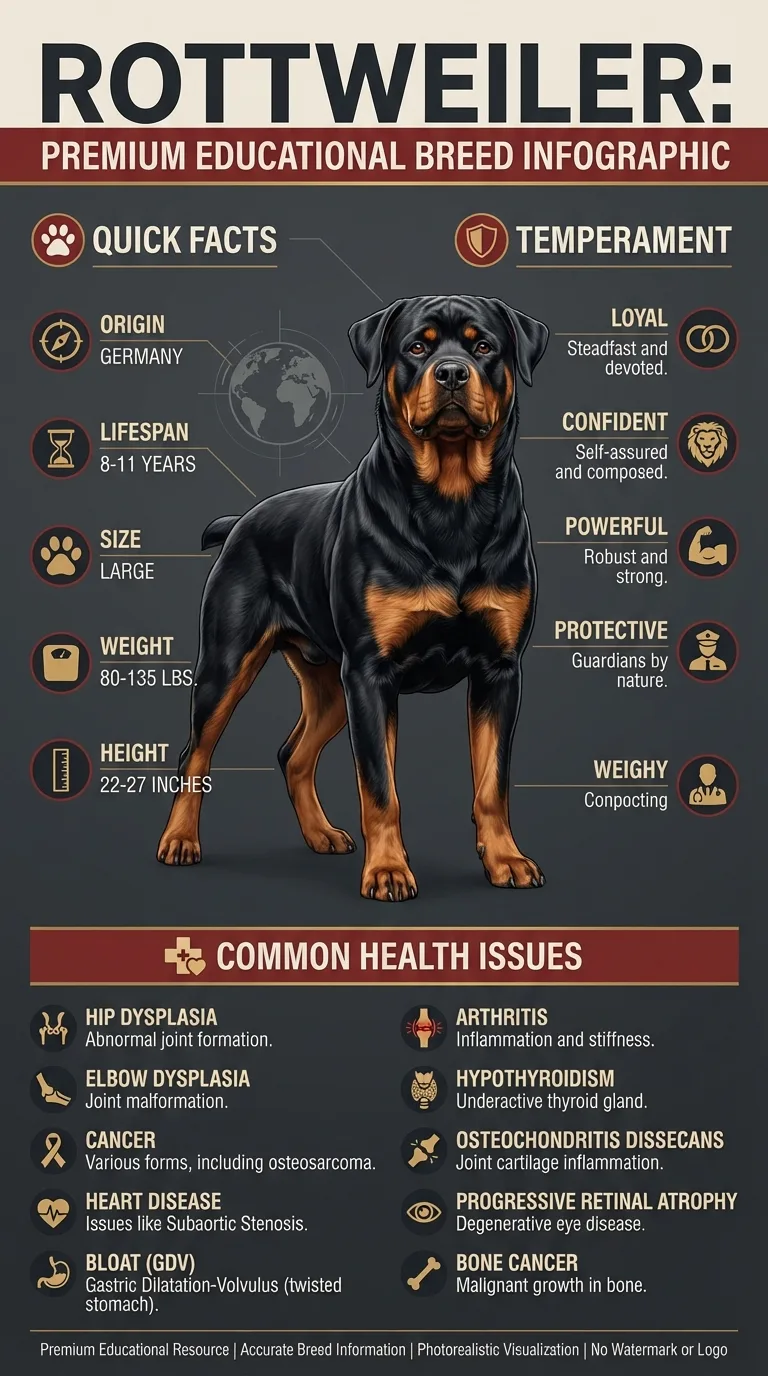
Owners of Rottweilers, especially those with older dogs, may find themselves facing ARVC. It can be particularly concerning for first-time dog owners who may not recognize the signs early on.
This guide is not medical advice. If your dog shows pain, sudden behavior change, or worsening symptoms, consult a licensed veterinarian.
Some links may be affiliate links. We may earn a commission at no extra cost to you. We only suggest products we believe are helpful for dog owners.
We research and check what we publish, but we do not warrant that any figure, date, price, or statement is accurate, complete, or current, and we accept no liability for any loss, cost, injury, or other harm arising from the use of this site. Use it as one reference among several. You remain responsible for your own decisions and for your dog's care - confirm anything that matters with a licensed veterinarian or another qualified professional before you act on it. Full disclaimer.
Check this first
Red flags include sudden fainting, extreme lethargy, and difficulty breathing. If your Rottweiler shows these symptoms, seek veterinary attention right away. Other concerning signs are a persistent cough and a swollen abdomen.
These could indicate serious heart issues that need quick intervention.
On the other hand, mild cases might involve occasional weakness or a slight decrease in energy. If your Rottweiler seems a bit off but is still eating and drinking normally, you can create a monitoring plan. Keep an eye on their behavior and activity levels, and note any changes.
If you're unsure whether to wait or call, it’s always better to err on the side of caution. An experienced vet can provide guidance tailored to your dog's specific situation. For ongoing support, consider checking out resources on Rottweiler training to help manage their overall well-being.
If any of these apply, call your vet or an emergency clinic now. The rest of this page is for the cases that are not an emergency.
Rottweiler arrhythmogenic right ventricular cardiomyopathy (ARVC) is a serious heart condition that affects the dog's heart rhythm. This condition can lead to sudden cardiac issues, which can be alarming for owners. Rottweilers are more prone to ARVC compared to many other breeds, making it crucial for owners to be aware of the signs and symptoms.
ARVC is relatively common among Rottweilers, particularly those over the age of five. It's important to consult a vet for routine check-ups to monitor heart health, especially if your Rottweiler shows any signs of distress.
Rottweilers are predisposed to arrhythmogenic right ventricular cardiomyopathy (ARVC) due to genetic factors. This heart condition often manifests in this breed because of inherited traits that affect heart muscle structure. As a result, Rottweilers may experience irregular heart rhythms, leading to potential health issues.
Environmental factors can also contribute to the development of ARVC. Stressful living conditions, poor nutrition, and lack of exercise may exacerbate heart problems. Additionally, exposure to extreme temperatures can put unnecessary strain on a Rottweiler's heart.
If you notice symptoms like lethargy, coughing, or fainting, contact your veterinarian immediately. Early intervention is crucial in managing ARVC effectively.
Here are some common mistakes Rottweiler owners make that can worsen arrhythmogenic right ventricular cardiomyopathy (ARVC) or delay improvement. Avoiding these can help your dog live a healthier life.
See all Rottweiler health problems, which breeds are prone to arrhythmogenic right ventricular cardiomyopathy arvc, or the full Rottweiler breed guide for temperament, exercise needs and ownership costs.
Successfully managing Rottweiler arrhythmogenic right ventricular cardiomyopathy (ARVC) can take several months. Consistent vet visits and monitoring are essential.
Success means your Rottweiler has stable heart rhythms, shows minimal symptoms, and continues to enjoy a good quality of life. This often involves regular check-ups and possibly medication.
Samantha, a devoted Rottweiler owner, noticed Max was unusually lethargic and would occasionally collapse. After a vet visit, she learned he had ARVC. Initially overwhelmed, she focused on understanding the condition and followed the vet's advice closely. With a tailored exercise routine and regular medication, Max slowly regained his energy. While he still requires monitoring, Samantha feels empowered and grateful for the time they have together.
Key takeaway: Managing Rottweiler arrhythmogenic right ventricular cardiomyopathy (ARVC) is a journey that thrives on knowledge, vet support, and a strong bond between owner and dog.
Rottweiler arrhythmogenic right ventricular cardiomyopathy (ARVC) is a heart rhythm disorder that affects the heart's ability to function normally. This condition can lead to serious health risks, including sudden cardiac events. Understanding the symptoms and seeking veterinary advice is crucial for managing this issue.
To support your Rottweiler with ARVC, regular veterinary check-ups are essential. Your vet might recommend medications or lifestyle changes to help manage the condition and monitor for any complications.
While there is no cure for ARVC, treatment options are available to help manage the symptoms. Your veterinarian may suggest medications, dietary changes, or adjustments in exercise routines to improve your dog's quality of life.
Training a Rottweiler with ARVC should focus on gentle exercises and mental stimulation without overexertion. Positive reinforcement techniques work well, but it's crucial to be cautious and avoid strenuous activities that could stress their heart.
Early signs of Rottweiler arrhythmogenic right ventricular cardiomyopathy (ARVC) can include lethargy, fainting, or unusual behavior during exercise. If your Rottweiler seems to tire quickly or collapses unexpectedly, it's crucial to consult your vet immediately.
Yes, older Rottweilers may show more pronounced symptoms of arrhythmogenic right ventricular cardiomyopathy (ARVC). They may also have other health issues that can complicate the diagnosis and treatment. Regular vet check-ups are essential for older dogs to monitor any heart-related concerns.
Diagnosis typically involves a combination of physical exams, electrocardiograms (ECGs), and sometimes echocardiograms. Your veterinarian will assess your Rottweiler's heart rhythm and function to confirm if ARVC is present.
Treatment options for Rottweiler arrhythmogenic right ventricular cardiomyopathy (ARVC) may include medication to manage heart rhythm and lifestyle adjustments. Your vet will recommend a tailored approach based on your dog's specific needs and condition.
While you can't completely prevent Rottweiler arrhythmogenic right ventricular cardiomyopathy (ARVC), maintaining a healthy diet, regular exercise, and routine vet visits can help. Early detection of heart issues can significantly improve outcomes and management.
Regular vet visits and a heart-healthy diet are key for managing Rottweiler ARVC. Keep exercise moderate and watch for any changes in behavior or health.
Look for symptoms like fainting, lethargy, or unusual breathing patterns. If you observe any of these signs, consult your vet promptly.
Focus on positive reinforcement and avoid high-energy activities. Training should be engaging yet gentle to keep their heart safe.
A one-page prep sheet for this condition: the signs, the questions to ask, what to get priced. Unlocks here.
You get: Vet visit prep sheet
No spam. One-click unsubscribe. See our privacy policy.
Preview page 1 before you decide.