Health
What are quick tips for managing Poodle (Standard) immune-mediated thyroiditis?
Stay consistent with vet appointments and medication. Monitor your dog's diet and exercise regularly to keep them healthy.

Quick answer
What are quick tips for managing Poodle (Standard) immune-mediated thyroiditis?
Stay consistent with vet appointments and medication. Monitor your dog's diet and exercise regularly to keep them healthy.
Poodle (Standard) immune-mediated thyroiditis is a serious autoimmune condition that affects your dog's thyroid function. This can lead to a range of health issues if not properly managed.
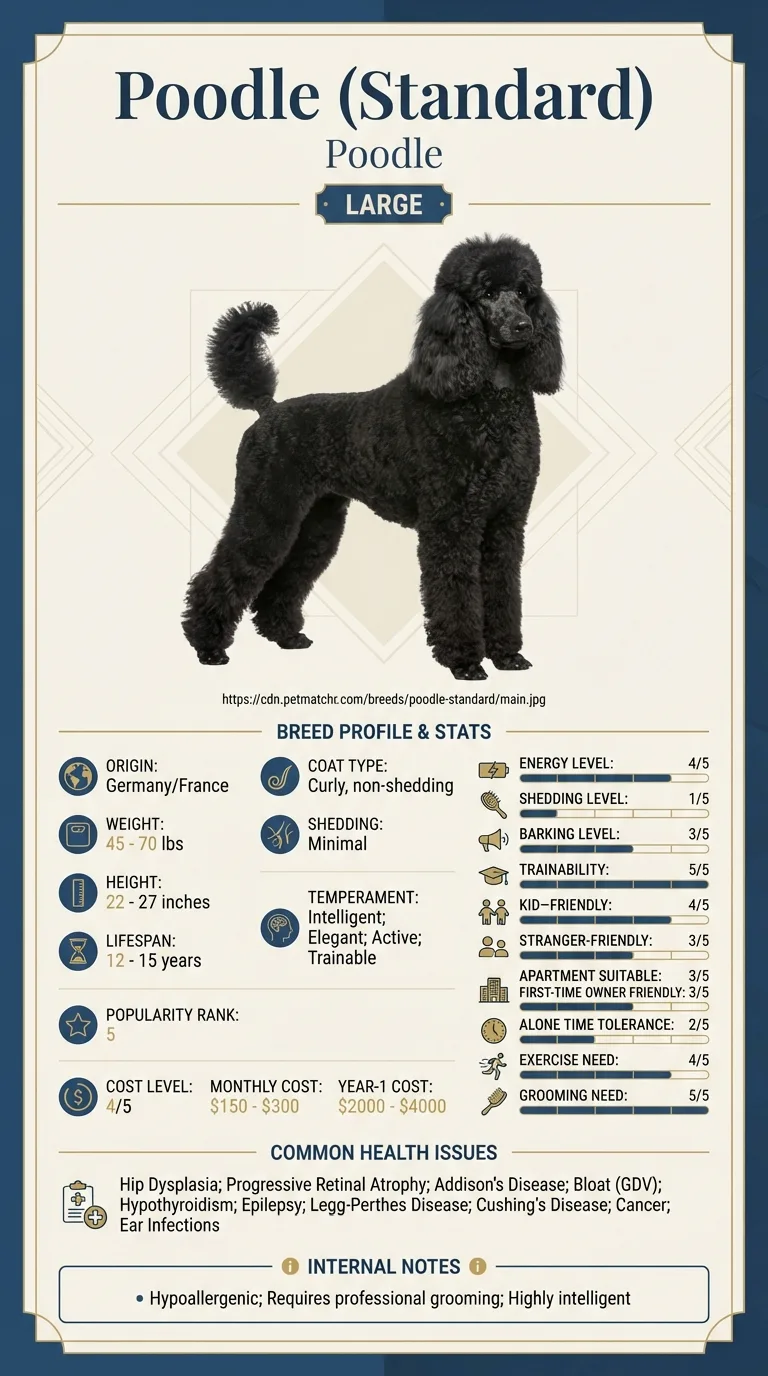
Typically, owners of Poodles who are proactive about their pet's health may face this issue. It's especially concerning for those who notice behavioral changes or unusual weight fluctuations, as these can be early indicators of thyroid problems.
This guide is not medical advice. If your dog shows pain, sudden behavior change, or worsening symptoms, consult a licensed veterinarian.
Some links may be affiliate links. We may earn a commission at no extra cost to you. We only suggest products we believe are helpful for dog owners.
We research and check what we publish, but we do not warrant that any figure, date, price, or statement is accurate, complete, or current, and we accept no liability for any loss, cost, injury, or other harm arising from the use of this site. Use it as one reference among several. You remain responsible for your own decisions and for your dog's care - confirm anything that matters with a licensed veterinarian or another qualified professional before you act on it. Full disclaimer.
Check this first
Recognizing when your Poodle (Standard)'s immune-mediated thyroiditis is an emergency is crucial. If you notice severe symptoms like difficulty breathing, extreme lethargy, or unresponsiveness, call your vet immediately. These signs indicate that your dog needs urgent medical attention to prevent serious complications.
On the other hand, if your Poodle shows mild symptoms such as slight weight changes, minor lethargy, or occasional skin issues, it's better to monitor the situation. You can create a plan that includes regular vet check-ups and maintaining a balanced diet. Keeping an eye on these mild symptoms can help you manage your dog's health without panic.
When in doubt, it’s always best to consult with your vet for guidance. They can provide specific advice tailored to your dog's condition and history, ensuring you're making the best decisions for their well-being.
If any of these apply, call your vet or an emergency clinic now. The rest of this page is for the cases that are not an emergency.
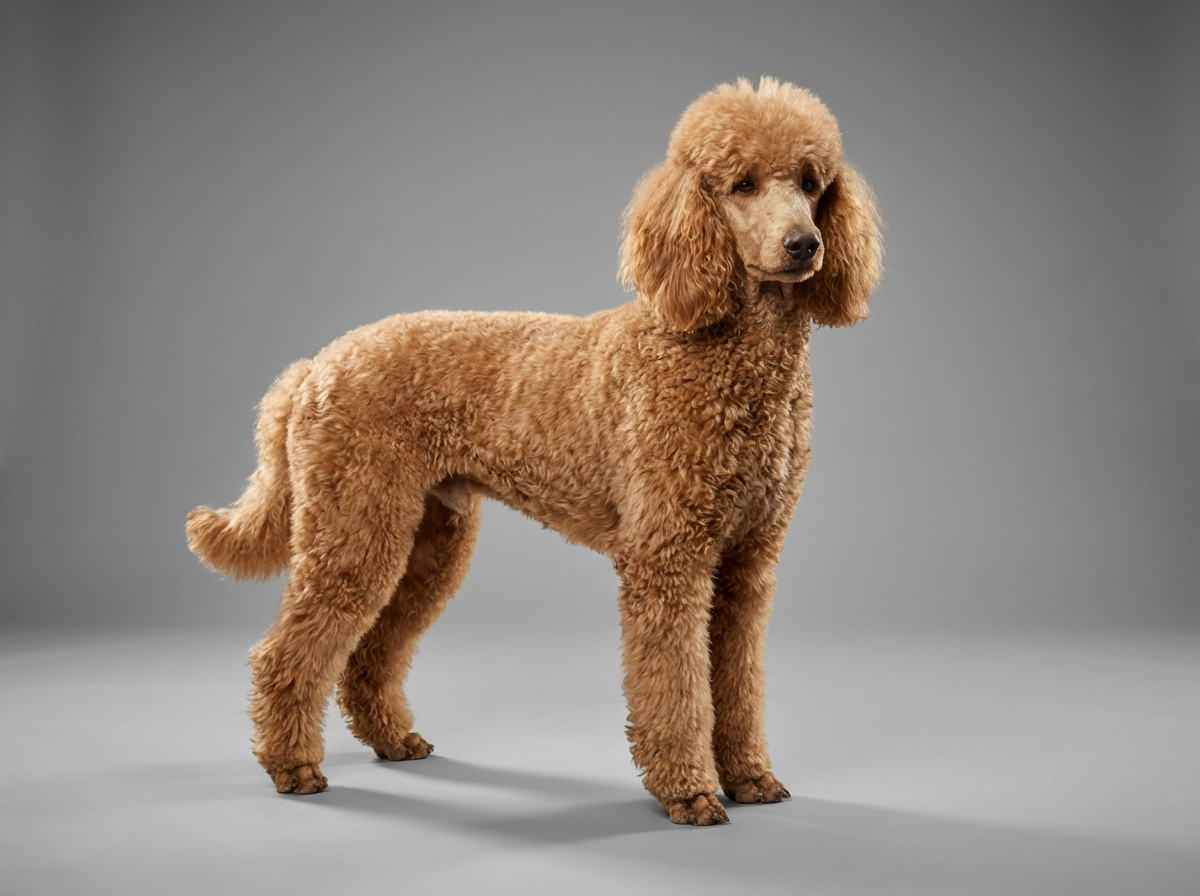
Poodle (Standard) immune-mediated thyroiditis is an autoimmune condition where the immune system mistakenly attacks the thyroid gland. This can lead to weight gain, lethargy, and skin issues. Owners may notice their Poodle becoming less active, gaining weight despite normal eating habits, or experiencing changes in their coat.
Immune-mediated thyroiditis is relatively common in Poodles, particularly in middle-aged to older dogs. While not every Poodle will develop this condition, it's important to be aware of the symptoms to catch it early.
Poodles, including Standard Poodles, are prone to immune-mediated thyroiditis due to their genetic makeup. This autoimmune disorder can lead to the body mistakenly attacking its thyroid gland, affecting hormone production and overall health. The breed's history of being bred for intelligence may also contribute to their susceptibility to certain health issues.
Environmental factors can also play a role in the development of immune-mediated thyroiditis. Exposure to certain toxins or allergens in the home, along with chronic stress or an unhealthy diet, can exacerbate this condition. It's important to monitor your Poodle's environment to minimize these risks.
If you notice signs of thyroid issues, such as lethargy, weight changes, or skin problems, consult your vet. They can perform blood tests to diagnose immune-mediated thyroiditis and recommend a treatment plan tailored to your Poodle's needs.
Avoiding certain behaviors can help your Poodle (Standard) with immune-mediated thyroiditis. Here are common mistakes to steer clear of.
Start here: Standard Poodle Most Common Genetic Disorders: Screening
See all Poodle Standard health problems, which breeds are prone to immune mediated thyroiditis, or the full Poodle Standard breed guide for temperament, exercise needs and ownership costs.
Expect to see improvements in your Poodle's health over a period of 3 to 6 months with appropriate care and medical intervention.
Success means stabilizing your Poodle's thyroid levels, managing symptoms effectively, and ensuring they lead a happy, active life.
Sarah, a busy vet tech in Portland, had a Standard Poodle named Max who was diagnosed with immune-mediated thyroiditis. At first, Sarah was overwhelmed by the treatment plan, which included medication and dietary adjustments. With dedication, she followed the vet's advice, monitored Max's symptoms, and adjusted his diet to include higher-quality foods. After several months, Max started showing more energy and regained his usual playful spirit. Sarah learned to manage his condition and even joined a support group for Poodle owners dealing with similar issues.
Key takeaway: With patience, proper care, and support, managing a Poodle's immune-mediated thyroiditis is possible, leading to a happier life for both the owner and the dog.
Poodle (Standard) immune-mediated thyroiditis occurs when the immune system mistakenly attacks the thyroid gland. This condition can be influenced by genetics, age, and environmental factors. Regular vet check-ups can help catch this issue early.
Management typically involves medication prescribed by your veterinarian to regulate thyroid hormone levels. It's also essential to keep an eye on your dog's diet and overall health. Regular blood tests will help adjust treatment as needed.
Signs may include lethargy, weight gain, and changes in coat quality, such as thinning or dullness. You might also notice increased sensitivity to cold. If you see these symptoms, consult your vet for evaluation.
Currently, there is no cure for immune-mediated thyroiditis, but it can be effectively managed with lifelong treatment. Consistent veterinary care and adherence to the treatment plan are crucial for your Poodle's health.
A balanced diet and regular exercise can support your Poodle's health. Avoiding stress and providing a stable environment will also help manage their condition. Regular vet visits are essential for monitoring their thyroid levels.
To prevent worsening, ensure your Poodle receives their medication as prescribed. Regular vet check-ups for blood tests are vital to monitor thyroid levels and adjust treatment accordingly. Keeping your dog healthy and stress-free is also important.
Look for symptoms like weight gain, lethargy, and changes in coat quality. If you notice these signs, it's essential to consult your vet for a proper diagnosis and treatment.
Yes, immune-mediated thyroiditis can occur in older Poodles, as their immune systems may become less effective over time. Regular veterinary check-ups are crucial to monitor their health as they age.
Treatment typically involves thyroid hormone replacement therapy and possibly immunosuppressive medications. Your vet will tailor the treatment plan based on your Poodle's specific needs.
While there's no specific diet for immune-mediated thyroiditis, a balanced diet rich in nutrients can support overall health. Consult your vet for dietary recommendations tailored to your Poodle's condition.
Stay consistent with vet appointments and medication. Monitor your dog's diet and exercise regularly to keep them healthy.
Create a calm, stress-free environment and provide a cozy space for rest. Regular playtime and gentle exercise are also beneficial.
Yes, a balanced diet can help manage thyroid health. Consult your vet for specific dietary recommendations tailored to your Poodle.
Watch for changes in energy levels, coat quality, and weight. Any sudden changes should prompt a vet visit.
A one-page prep sheet for this condition: the signs, the questions to ask, what to get priced. Unlocks here.
You get: Vet visit prep sheet
No spam. One-click unsubscribe. See our privacy policy.
Preview page 1 before you decide.