Behavior
What are quick tips for Poodle (Standard) back problems?
Keep your Poodle at a healthy weight, avoid excessive jumping, and engage in low-impact exercise to support their back health.

Quick answer
What are quick tips for Poodle (Standard) back problems?
Keep your Poodle at a healthy weight, avoid excessive jumping, and engage in low-impact exercise to support their back health.
Poodle (Standard) back problems can significantly impact your dog's quality of life. These issues often stem from their long spine and short legs.
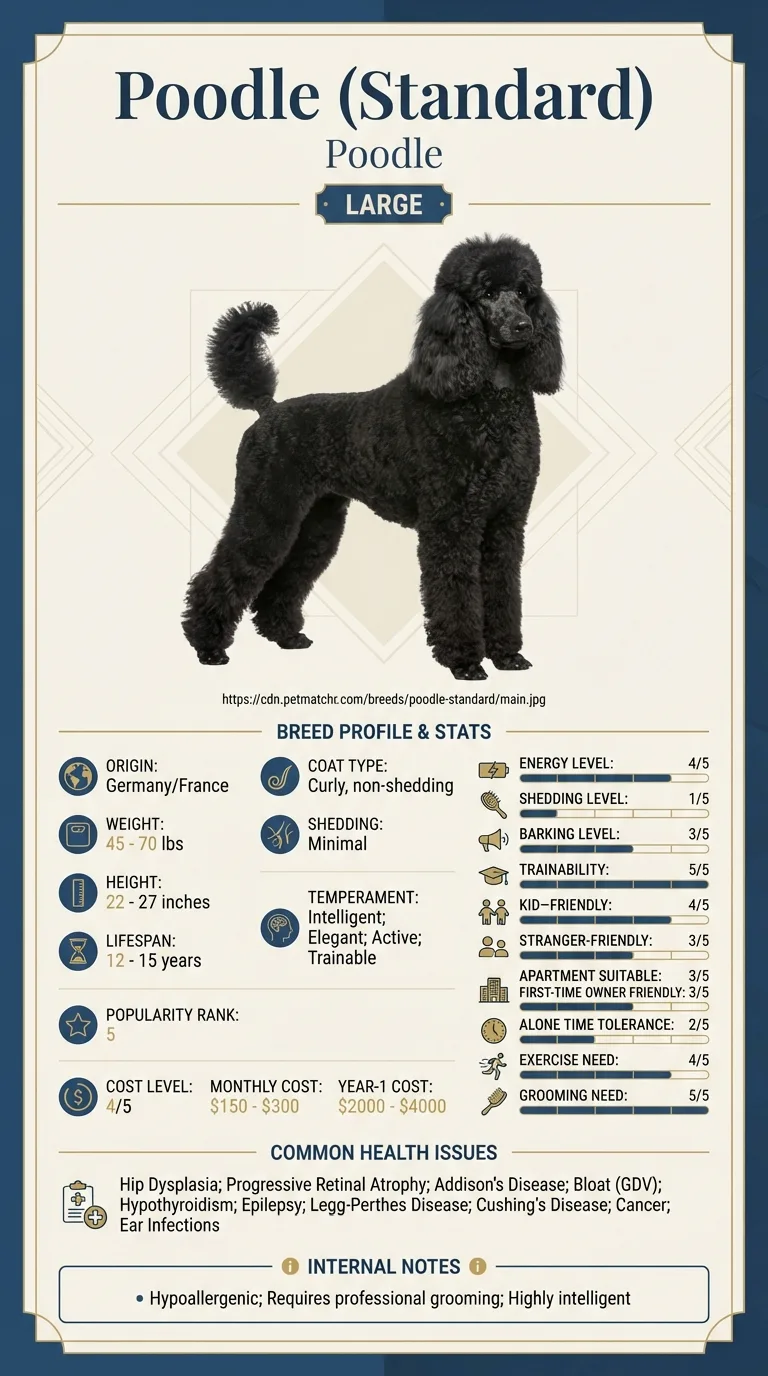
Owners of Poodles, especially those who are first-time dog parents, may struggle with these back problems. Busy lifestyles, lack of awareness, or even improper training can exacerbate these issues.
This guide is not medical advice. If your dog shows pain, sudden behavior change, or worsening symptoms, consult a licensed veterinarian.
Some links may be affiliate links. We may earn a commission at no extra cost to you. We only suggest products we believe are helpful for dog owners.
We research and check what we publish, but we do not warrant that any figure, date, price, or statement is accurate, complete, or current, and we accept no liability for any loss, cost, injury, or other harm arising from the use of this site. Use it as one reference among several. You remain responsible for your own decisions and for your dog's care - confirm anything that matters with a licensed veterinarian or another qualified professional before you act on it. Full disclaimer.
Check this first
Back problems in Poodles can range from mild discomfort to serious conditions. Recognizing when it's an emergency is crucial for your dog's health. If your Poodle shows signs of severe pain, inability to move, or sudden changes in behavior, it's time to call your vet immediately.
If any of these apply, call your vet or an emergency clinic now. The rest of this page is for the cases that are not an emergency.
Poodle (Standard) back problems are often seen in these dogs due to their long spine and relatively short legs. Day-to-day, this can manifest as difficulty jumping, reluctance to climb stairs, or signs of pain when moving. Owners may notice their Poodle hesitating during play or having trouble getting up after resting.
Back problems in Poodles (Standard) are somewhat common, especially as they age. Many owners report these issues developing around middle age, particularly in individuals that have not maintained a healthy weight or have engaged in high-impact activities.
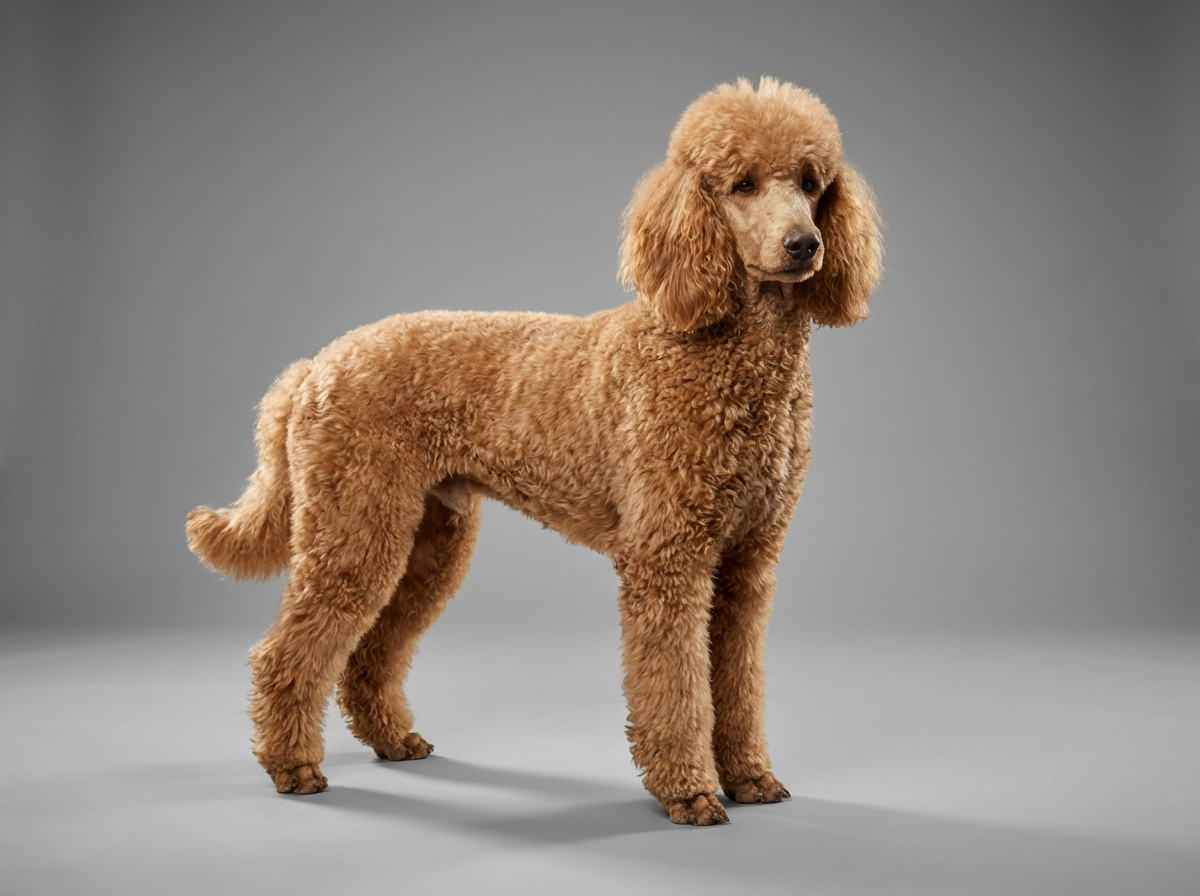
Poodles (Standard) have long spines and relatively short legs, which can lead to back problems. Their structure makes them more prone to injuries or conditions like intervertebral disc disease. Additionally, their high energy levels can sometimes lead to rough play that exacerbates these issues.
Improper environments can also contribute to back problems in Poodles. For example, slippery floors can lead to falls and injuries. Lack of support, like proper bedding, or not providing enough exercise can also negatively affect their back health.
If your Poodle experiences persistent pain, difficulty walking, or sudden changes in behavior, it's essential to consult a vet. They can provide a proper diagnosis and recommend treatments or therapies to manage back issues.
Avoiding common pitfalls can help manage your Poodle's back problems more effectively. Here are some mistakes to watch out for.
Start here: Standard Poodle Most Common Genetic Disorders: Screening
See all Poodle Standard health problems, which breeds are prone to back problems, or the full Poodle Standard breed guide for temperament, exercise needs and ownership costs.
Addressing Poodle (Standard) back problems can take several weeks to months, depending on the severity and consistency of your care routine.
Success looks like your Poodle showing improved mobility, reduced discomfort, and better posture during daily activities.
Look for these red flags that require immediate veterinary attention: severe yelping or whimpering, difficulty standing or walking, loss of bladder or bowel control, and noticeable swelling in the back area. These signs suggest serious underlying issues that need urgent care.

If your Poodle has mild back problems, you can monitor the situation. Signs like slight stiffness after exercise or occasional limping can often be managed at home. Keep an eye on their activity level and comfort, and consult your vet if symptoms persist or worsen.

Emily, a busy nurse in Seattle, noticed her Poodle, Bella, struggling to jump onto the sofa. After a vet visit, she learned Bella's back problems were common in her breed due to her long spine and short legs. Emily committed to daily low-impact exercises and limited Bella's jumping. She also adjusted Bella's diet to maintain a healthy weight. Within a few months, Bella was much more active and seemed to enjoy her playtime again.
Key takeaway: Consistency is key; small changes in exercise and environment can significantly improve your Poodle's back health.
Common signs of back problems in a Poodle (Standard) include difficulty jumping, reluctance to move, stiffness, or unusual postures. You might also notice changes in their walking patterns or increased sensitivity when you touch their back.
To prevent back problems in your Poodle (Standard), ensure they maintain a healthy weight. Limit jumping and rough play that may strain their back. Regular low-impact exercise, such as walking, can also help strengthen their back muscles.
Signs of back problems in Poodles (Standard) include difficulty jumping, reluctance to move, or showing signs of pain when touched along the back. If you notice any of these symptoms, consult a veterinarian promptly.
Treatments for back problems in Poodles (Standard) may include medication for pain relief, physical therapy, or, in severe cases, surgery. Always consult with your vet to determine the best course of action based on your dog's specific condition.
Yes, as Poodles (Standard) age, they are more likely to develop back problems due to wear and tear on their joints and spine. Regular vet check-ups can help monitor their health and catch any issues early.
If your Poodle (Standard) shows signs of back pain, it's crucial to consult a veterinarian immediately. They can assess the situation and recommend the best course of action, including rest, medication, or physical therapy.
To prevent back problems in Poodles (Standard), ensure they maintain a healthy weight, avoid excessive jumping, and provide regular exercise. Proper training can also help them learn safe ways to navigate their environment.
Managing a Poodle (Standard) with back problems at home includes creating a comfortable resting area, minimizing stairs, and using ramps when needed. Gentle exercises and stretching can also help, but always consult your vet before starting any new routine.
Keep your Poodle at a healthy weight, avoid excessive jumping, and engage in low-impact exercise to support their back health.
Treatment costs can range from $200 for basic vet visits to several thousand dollars for surgery or extensive therapy. Be prepared for ongoing care.
Gentle walks, swimming, and controlled play can help strengthen their back without putting too much strain on it.
It’s best to have regular vet check-ups every six months for preventive care and monitoring, especially if your dog shows any signs of back pain.
A one-page prep sheet for this condition: the signs, the questions to ask, what to get priced. Unlocks here.
You get: Vet visit prep sheet
No spam. One-click unsubscribe. See our privacy policy.
See a sample page before you decide.
Early access list
The free prep sheet covers the same-day warning signs, a symptom log and the questions to ask. We are considering a fuller kit that adds a cost worksheet for the usual tests and treatments (US price ranges with their sources) and a plain-English guide to ways of covering the bill. It is not built yet; this list tells us whether it is worth building.
One email, no spam, unsubscribe anytime. Information only, not veterinary advice.