Behavior
How to stop Poodle (Standard) bloat (gastric dilatation-volvulus/GDV)?
Feed smaller, frequent meals and avoid vigorous activity right after eating.
Poodle (Standard) bloat, also known as gastric dilatation-volvulus (GDV), is a critical health issue that can escalate quickly. (Poodle (Standard) bloat (gastric dilatation-volvulus/gdv))
Typically, owners of Poodles (Standards) who are unaware of the signs of bloat or how to prevent it face significant challenges. First-time dog owners, in particular, may struggle with recognizing the symptoms or understanding the urgency of the situation.
This guide is not medical advice. If your dog shows pain, sudden behavior change, or worsening symptoms, consult a licensed veterinarian.
Some links may be affiliate links. We may earn a commission at no extra cost to you. We only suggest products we believe are helpful for dog owners.
Poodle (Standard) bloat, also known as gastric dilatation-volvulus (GDV), is a serious health issue that can occur suddenly. This life-threatening condition involves the stomach filling with gas and twisting, which can lead to shock and death if not treated immediately. Owners may notice signs like a swollen abdomen, restlessness, and attempts to vomit without success.
Bloat is relatively common in large breeds like the Poodle (Standard), affecting them more than smaller breeds. Though it can happen to any dog, the risk increases as dogs age, particularly those over five years old.
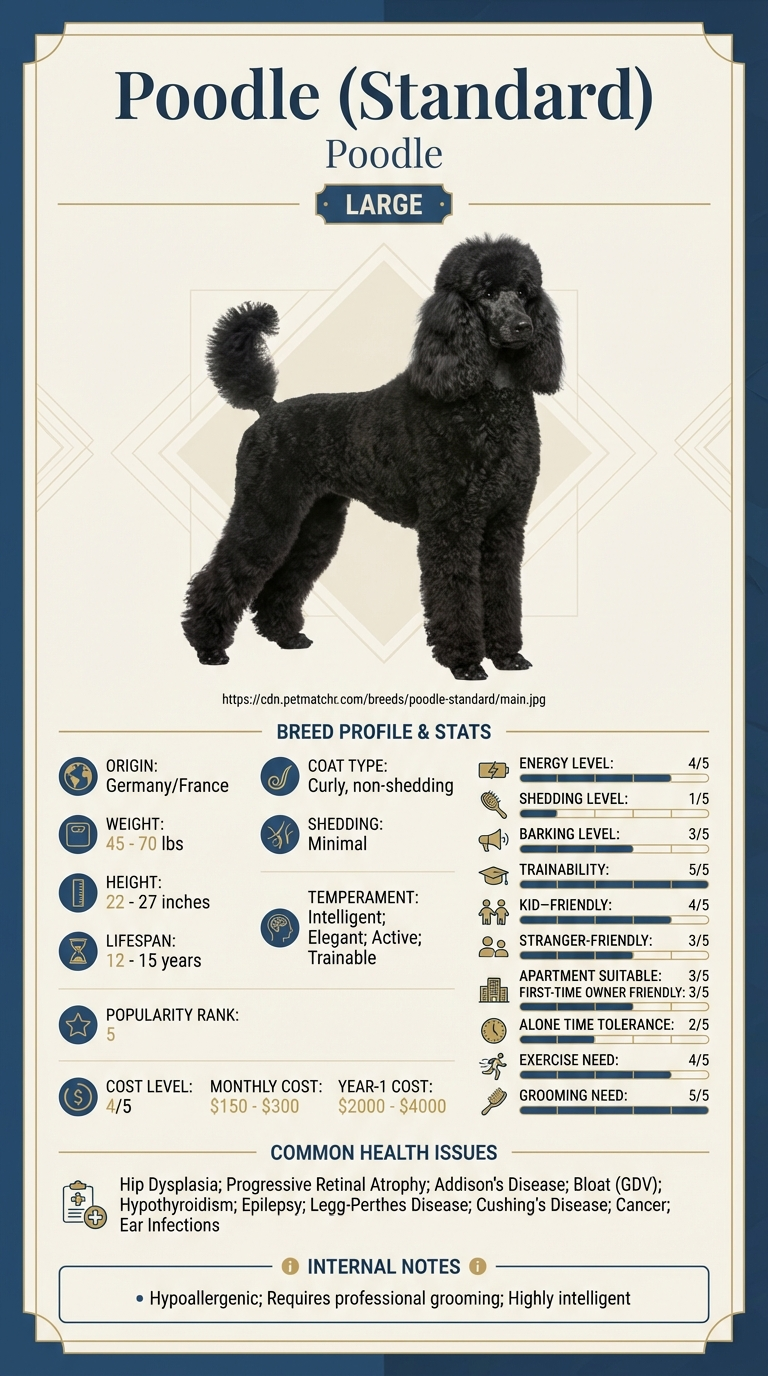
Poodles (Standard) are large, deep-chested dogs, which makes them more prone to bloat (gastric dilatation-volvulus/GDV). Their energetic nature can lead to rapid eating and drinking, increasing the risk of this condition. Additionally, certain genetic factors may play a role in their susceptibility to bloat.
Bloat can also be influenced by environmental factors such as feeding practices, stress, and exercise routines. Dogs that eat too quickly or are fed only one large meal a day are at higher risk. High-stress situations, like loud noises or changes in routine, can also trigger episodes of bloat.
If you notice your Poodle has anxiety or stress-related behaviors, consider consulting a professional trainer. They can help with techniques to reduce stress and promote calmness during feeding times.
Contact your vet immediately if your Poodle shows signs of bloat, such as a distended abdomen, excessive drooling, or attempts to vomit without producing anything. Bloat is a medical emergency that requires urgent care.
Addressing Poodle (Standard) bloat may take a few weeks to months of diligent management and training to see significant improvements.
Success means your Poodle shows fewer signs of discomfort after eating, maintains a stable weight, and has less frequent episodes of bloating.
Avoid these common mistakes to help your Poodle (Standard) navigate bloat more safely.
Recognizing when Poodle (Standard) bloat (gastric dilatation-volvulus/GDV) is an emergency can save your dog's life. If you notice any of the following red flags, you should call your vet immediately. These include severe abdominal swelling, intense restlessness, attempts to vomit without success, and rapid breathing or a racing heart rate. Any of these signs indicate that your Poodle needs urgent medical attention.
On the other hand, mild cases of bloat may not require immediate action. If your dog seems slightly uncomfortable, has a moderate bloated appearance, or is less active than usual but still eating and drinking, you can monitor the situation for a short time. Keep an eye on their behavior and consider scheduling a vet visit if symptoms persist or worsen over the next few hours. It's crucial to stay vigilant, as the situation can change quickly with bloat.
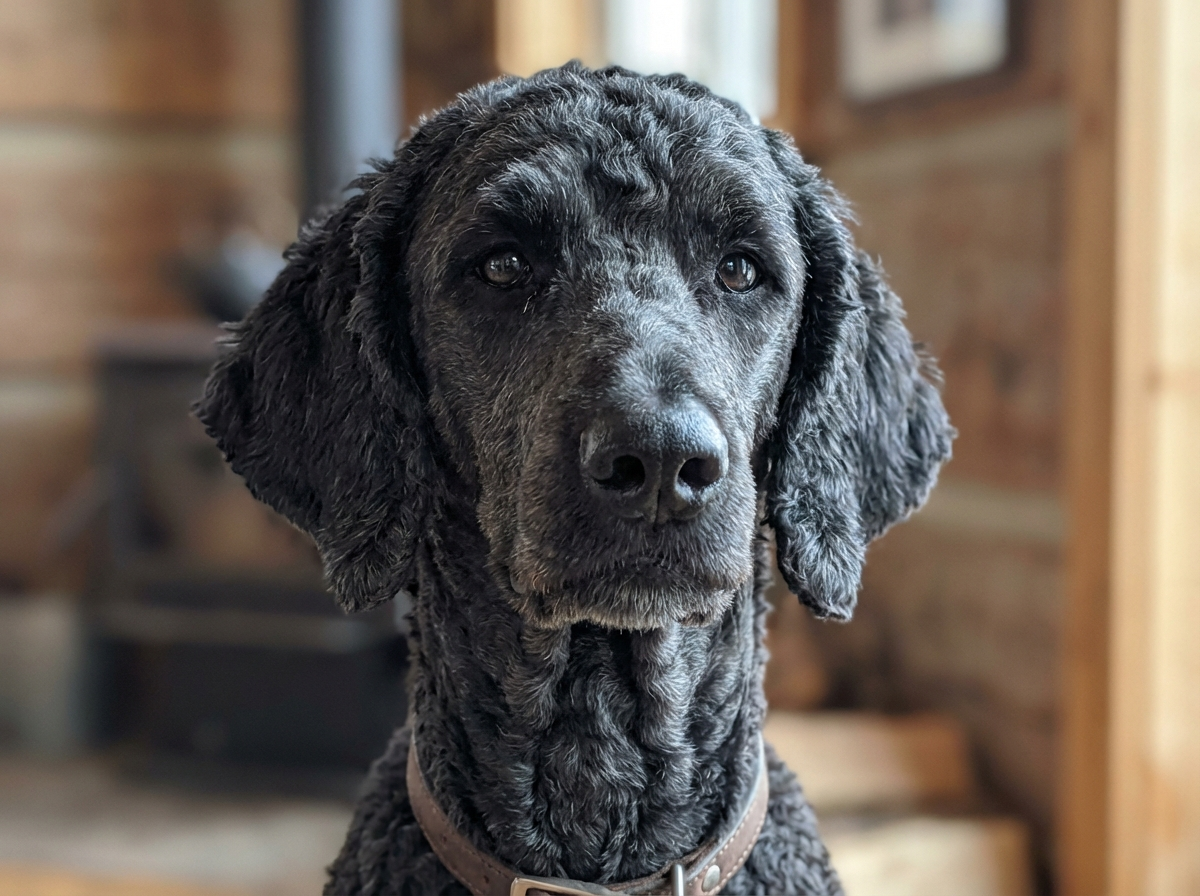
Emma, a busy nurse in Chicago, noticed her Standard Poodle, Max, frequently showing signs of discomfort after meals. After a vet visit, she learned that Max was prone to bloat, a serious condition. Emma researched how to stop Poodle (Standard) bloat and started feeding him smaller meals throughout the day instead of one large portion. She also avoided vigorous play right after eating. Within a few weeks, Max seemed more comfortable and had fewer bloating episodes, giving Emma peace of mind.
Key takeaway: Managing a Poodle's risk of bloat requires consistent meal management and awareness of their behavior, which can lead to a happier, healthier dog.
Bloat can occur in Poodles (Standards) due to their deep chest and rapid eating habits. Factors like stress, overeating, or drinking too much water quickly can increase the risk. It's essential to monitor your dog’s eating and drinking patterns closely. This answer relates to Poodle (Standard) bloat (gastric dilatation-volvulus/gdv).
To prevent bloat, feed your Poodle smaller meals more frequently and avoid exercise right after eating. Use slow feeder bowls to make mealtime longer and less intense. Keeping your dog calm during and after meals is also crucial.
Signs of bloat include a distended abdomen, unproductive attempts to vomit, restlessness, and excessive drooling. If you notice these symptoms, seek veterinary care immediately as GDV is a life-threatening emergency.
If you suspect bloat, take your Poodle to the vet immediately. Treatment often includes emergency surgery to relieve pressure in the stomach. Delaying care can lead to serious complications or death.
Surgery is typically required to treat GDV effectively. The procedure involves untwisting the stomach and may include a gastropexy to prevent future occurrences. Non-surgical methods are not effective for treating GDV.
Common signs of bloat in a Poodle (Standard) include a distended abdomen, restlessness, excessive drooling, and attempts to vomit without producing anything. If you notice these symptoms, it's crucial to seek veterinary help immediately, as bloat can be life-threatening.
Yes, older Poodles (Standard) can be at higher risk for bloat (gastric dilatation-volvulus) due to age-related changes in their digestive systems. Regular check-ups with your vet can help monitor their health and catch any potential issues early.
To help prevent bloat in your Poodle (Standard), consider feeding smaller, more frequent meals instead of one large meal. Avoid vigorous exercise immediately before and after eating, and ensure they have a calm feeding environment.
If your Poodle (Standard) is at risk for bloat, it’s essential to be vigilant for any warning signs. Speak with your vet about preventive measures, which may include dietary changes or even a surgical procedure to reduce the risk of bloat.
Yes, once a Poodle (Standard) has experienced bloat, they are at a higher risk for it to occur again. Regular vet visits and following preventive measures are crucial to manage this risk.
Feed smaller, frequent meals and avoid vigorous activity right after eating.
Use slow feeders, keep water intake controlled after meals, and monitor their stress levels.
Treatment for GDV can range from $1,500 to $7,500 depending on the severity and location of care.