Behavior
What are quick tips for managing legg-calvé-perthes disease in Poodles?
Provide a comfortable resting area and limit strenuous activities. Regular vet visits are essential for monitoring your dog's condition.

Quick answer
What are quick tips for managing legg-calvé-perthes disease in Poodles?
Provide a comfortable resting area and limit strenuous activities. Regular vet visits are essential for monitoring your dog's condition.
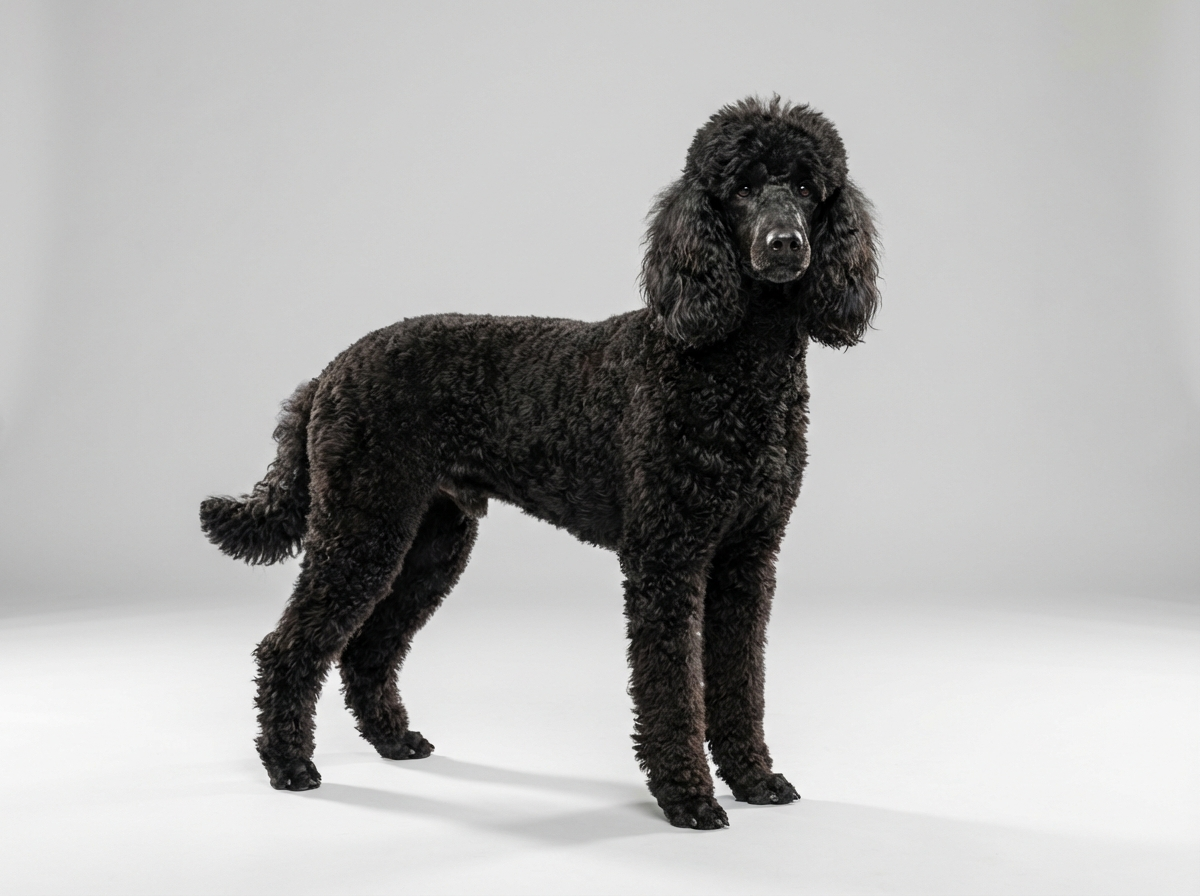
Legg-Calvé-Perthes disease is a serious condition affecting the hip joints of Poodles. (Poodle (All Sizes) legg-calvé-perthes disease)
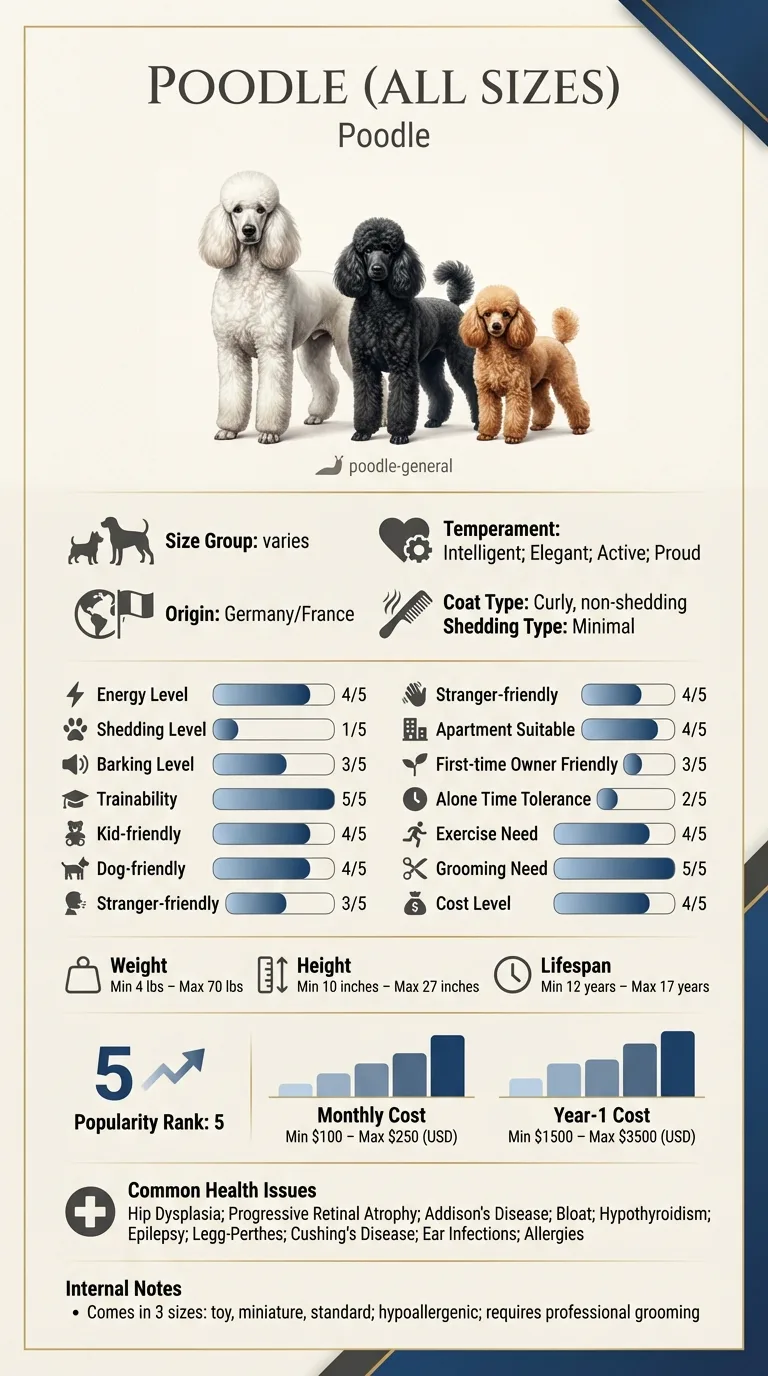
Typically, owners of Poodles, especially those new to dog care, may find themselves grappling with this condition. It's especially concerning for families with active pets who require a lot of exercises.
This guide is not medical advice. If your dog shows pain, sudden behavior change, or worsening symptoms, consult a licensed veterinarian.
Some links may be affiliate links. We may earn a commission at no extra cost to you. We only suggest products we believe are helpful for dog owners.
We research and check what we publish, but we do not warrant that any figure, date, price, or statement is accurate, complete, or current, and we accept no liability for any loss, cost, injury, or other harm arising from the use of this site. Use it as one reference among several. You remain responsible for your own decisions and for your dog's care - confirm anything that matters with a licensed veterinarian or another qualified professional before you act on it. Full disclaimer.
Check this first
Legg-Calvé-Perthes disease can be serious, and knowing when to act is crucial. If your Poodle shows signs of severe pain, such as yelping when moving or avoiding putting weight on a leg, you should call your vet immediately. Other red flags include noticeable swelling around the hip joint, inability to walk or stand, or if your dog seems lethargic and unresponsive.
If any of these apply, call your vet or an emergency clinic now. The rest of this page is for the cases that are not an emergency.
Legg-Calvé-Perthes disease is a common issue in Poodles of all sizes. It occurs when the blood supply to the hip joint is disrupted, leading to hip bone necrosis. This condition can cause significant pain, limping, and difficulty in movement, making daily activities challenging for both the dog and the owner.
Legg-Calvé-Perthes disease is relatively common in Poodles, particularly in younger dogs between 4 months and 1 year old. While not all Poodles will develop this condition, it's essential for owners to be aware and monitor for symptoms.
Legg-Calvé-Perthes disease is more prevalent in smaller dog breeds, including Poodles. It's often linked to genetic factors that affect blood supply to the hip joint, leading to bone tissue death. This can result in pain and mobility issues, particularly in young, small breeds.
Environmental factors can also contribute to the development of this condition. Poor nutrition, obesity, and inadequate exercise can exacerbate joint problems. A stressful living environment may further impact a Poodle's overall health, making them more susceptible to conditions like Legg-Calvé-Perthes disease.
If you notice persistent limping, swelling, or pain in your Poodle, it's crucial to consult your veterinarian. They can diagnose the issue and recommend appropriate treatment, including potential surgical options if necessary.
Avoid these common mistakes that can worsen your Poodle's legg-calvé-perthes disease and delay recovery.
Start here: Poodle (All Sizes) Genetic Disorders: What to Screen For
See all Poodle General health problems, which breeds are prone to legg calv perthes disease, or the full Poodle General breed guide for temperament, exercise needs and ownership costs.
With proper management, you can see improvements within 3 to 6 months, but full recovery may take longer depending on treatment and care.
Success means your Poodle can move more comfortably, participate in regular activities without pain, and show signs of improved mood and energy.
In less severe cases, you might notice mild limping or occasional discomfort. If your Poodle is still active, eating well, and behaving normally otherwise, you can monitor their condition at home. Make sure to limit their activity and keep a close eye on any changes.

Sarah, a busy nurse in Seattle, adopted Bella, a playful Miniature Poodle. Shortly after bringing her home, Sarah noticed Bella limping and struggling to keep up during walks. After a vet visit, Bella was diagnosed with Legg-Calvé-Perthes disease. Sarah learned that managing Bella's condition would involve a combination of rest, physical therapy, and a tailored exercise plan. With dedication, Bella's condition improved over the next few months. She could walk without limping, and her playful spirit returned, much to Sarah's relief.
Key takeaway: With the right care and commitment, you can help your Poodle manage Legg-Calvé-Perthes disease and lead a happy, active life.
Legg-Calvé-Perthes disease in Poodles occurs when the blood supply to the hip joint is disrupted. This leads to the deterioration of the hip bone. Factors like genetics and age can play a significant role in development.
Signs include limping, difficulty walking, and noticeable pain when moving. If your Poodle shows any of these symptoms, a vet visit is essential for a proper diagnosis.
Treatment often involves rest, anti-inflammatory medications, and possibly surgery to correct hip joint issues. Consult your vet to discuss the best course of action tailored to your dog's needs.
While there are no guaranteed prevention methods, maintaining a healthy weight, providing proper nutrition, and ensuring regular exercise can support overall joint health. Regular vet check-ups can also help catch issues early.
Recovery time varies but can take several weeks to months. Following your vet's guidance on exercise and rehabilitation is crucial for a successful recovery.
Long-term effects may include arthritis or chronic pain if not treated properly. Regular follow-ups with your vet are important to monitor your Poodle's joint health.
To prevent worsening, limit your Poodle's activity, manage their weight, and follow your vet's recommendations for medication and treatment options.
Look for limping, difficulty in moving, or reluctance to engage in normal activities. Symptoms may worsen over time, so it's important to monitor your dog's behavior and seek veterinary advice if these signs appear.
Legg-calvé-perthes disease is more common in younger dogs, particularly those under 1 year old. However, if an older Poodle shows signs of hip pain, it's crucial to consult with a vet for a proper diagnosis.
Providing a comfortable and supportive environment is key. Limit their activity to prevent further injury and consider using ramps for easier access to furniture. Physical therapy can also be beneficial, so discuss options with your vet.
Surgery is often recommended if the condition is severe and causing significant pain. Your vet will assess the situation and recommend the best course of action based on your dog's specific needs.
Provide a comfortable resting area and limit strenuous activities. Regular vet visits are essential for monitoring your dog's condition.
Consult your veterinarian immediately to discuss pain relief options and treatment plans tailored for your Poodle.
Treatment costs can range from $1,500 to $3,500 depending on the severity and necessary interventions. Discuss costs with your vet during your visit.
Not all Poodles will develop this condition, but certain factors can increase the risk. Genetics and age are key aspects to consider.
Ensure they have a calm environment, follow the vet's exercise recommendations, and provide a balanced diet to support recovery.
A one-page prep sheet for this condition: the signs, the questions to ask, what to get priced. Unlocks here.
You get: Vet visit prep sheet
No spam. One-click unsubscribe. See our privacy policy.
See a sample page before you decide.
Early access list
The free prep sheet covers the same-day warning signs, a symptom log and the questions to ask. We are considering a fuller kit that adds a cost worksheet for the usual tests and treatments (US price ranges with their sources) and a plain-English guide to ways of covering the bill. It is not built yet; this list tells us whether it is worth building.
One email, no spam, unsubscribe anytime. Information only, not veterinary advice.