DogBreedCompass
← Back to breed profile

Understanding Poodle (All Sizes) Immune-Mediated Thyroiditis

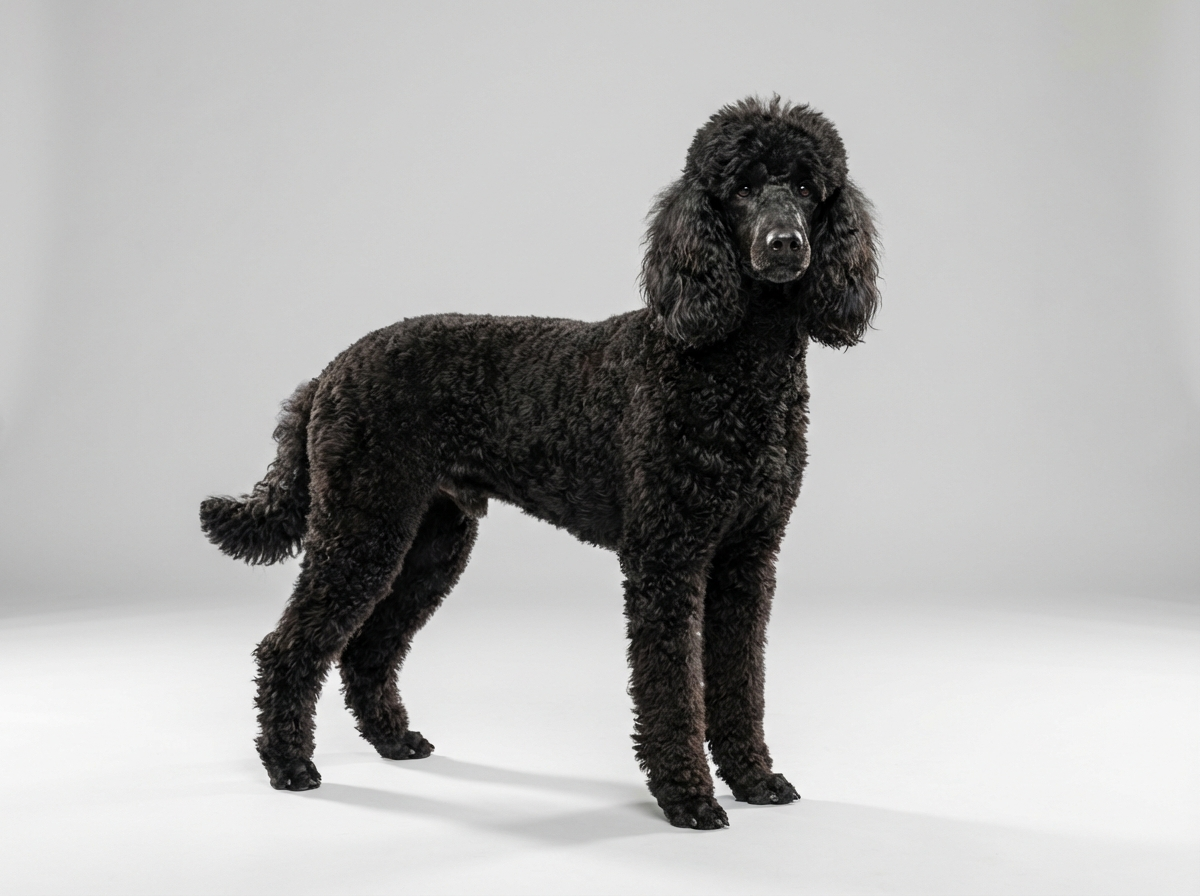
Poodle (All Sizes) immune-mediated thyroiditis is a serious autoimmune disease that affects the thyroid gland.

Understanding Poodle (All Sizes) Immune-Mediated Thyroiditis infographic

Owners of Poodles often face the challenge of managing this disease, particularly those who may not be familiar with autoimmune conditions. If your Poodle is showing signs of fatigue or unexpected weight changes, this could be a concern.

Important reminder

This guide is not medical advice. If your dog shows pain, sudden behavior change, or worsening symptoms, consult a licensed veterinarian.

Some links may be affiliate links. We may earn a commission at no extra cost to you. We only suggest products we believe are helpful for dog owners.

What this problem looks like

Poodle (All Sizes) immune-mediated thyroiditis is an autoimmune condition where the dog's immune system attacks its thyroid gland. This can lead to symptoms like weight gain, lethargy, and changes in coat quality. Owners may notice their Poodle becoming less active or more prone to illness, which can be alarming.

Common triggers

  • Genetic predisposition
  • Environmental factors
  • Hormonal changes

This condition is relatively common among Poodles, with estimates suggesting that autoimmune thyroiditis can affect up to 10% of the breed. Regular vet check-ups are essential for early detection.

Why this happens

Breed factors

Poodles, regardless of size, can be predisposed to immune-mediated thyroiditis due to genetic factors. This autoimmune condition means their immune system mistakenly attacks the thyroid gland, leading to hormonal imbalances. The risk may vary among individual dogs based on their lineage and overall health.

Environment factors

Environmental factors can also play a role in the development of immune-mediated thyroiditis. Stress, poor diet, and exposure to toxins can weaken a Poodle's immune system. Additionally, changes in routine or living conditions may trigger or exacerbate existing issues.

What you can try

At-home strategies

  • Create a consistent daily routine to reduce stress. Dogs thrive on predictability, which can help alleviate anxiety.
  • Provide a balanced diet rich in omega fatty acids to support overall health. Consult your vet for specific dietary recommendations.
  • Incorporate regular exercise into your dog's routine. Daily walks and playtime can help keep your Poodle physically and mentally stimulated.
  • Monitor your Poodle's symptoms closely. Keep a journal documenting any changes in behavior or health to share with your vet.

When to consider a trainer

If your Poodle shows signs of anxiety or behavioral issues related to immune-mediated thyroiditis, consider consulting a professional trainer. They can provide tailored strategies for managing stress and improving behavior.

When to talk to your vet

If you notice symptoms such as weight changes, lethargy, or excessive drinking and urination, consult your vet immediately. They can perform tests to diagnose thyroid issues and recommend appropriate treatments.

Realistic expectations

Managing Poodle (All Sizes) immune-mediated thyroiditis typically takes 6 to 12 months of consistent care and monitoring.

Success means your Poodle shows stable thyroid levels, improved energy, and a healthier coat. Regular vet check-ups and a tailored treatment plan will help keep their condition under control.

Mistakes that make this worse – Poodle (All Sizes) immune-mediated thyroiditis

Avoid these common mistakes that can worsen your Poodle's immune-mediated thyroiditis or delay improvement.

  • Ignoring symptoms: Many owners overlook early signs of immune-mediated thyroiditis, such as weight changes or lethargy. Regular vet check-ups are crucial to catch issues early.
  • Self-diagnosing: Trying to treat your Poodle's symptoms without a vet's guidance can lead to improper care. Always consult your vet for the right diagnosis and treatment plan.
  • Inconsistent medication: Skipping doses or stopping medication without vet advice can worsen your dog's condition. Stick to the prescribed schedule to maintain stability in their health.
  • Neglecting diet: Feeding low-quality or inappropriate food can affect your Poodle's immune system. Focus on a balanced diet that supports thyroid health, as recommended by your vet.
  • Overlooking exercise: Some owners may think their Poodle should rest more. However, regular, moderate exercise can help manage weight and improve overall health. Tailor activities to your dog's energy level.
  • Forgetting routine tests: Not scheduling follow-up blood tests can prevent you from monitoring your Poodle's thyroid levels. Keep track of their health with regular vet visits to adjust treatment as needed.

When It Is an Emergency

Recognizing when your Poodle (All Sizes) is facing a serious health issue is crucial. Immune-mediated thyroiditis can be tricky, but knowing the signs can help you determine when to call your vet immediately versus when to monitor your dog's condition at home.

**Call Your Vet Now If You Notice:** - Sudden changes in behavior, such as lethargy or aggression. - Difficulty breathing or persistent coughing. - Severe weight loss or gain within a short time frame. - Vomiting or diarrhea that lasts more than 24 hours. - Swelling in the neck area or unusual lumps. - Excessive drinking or urination.

These symptoms may indicate that your dog's immune system is severely affected, requiring urgent veterinary attention.

**Monitor and Wait If You Notice:** - Mild lethargy that lasts a day or two. - A slight change in appetite without other symptoms. - Occasional scratching or skin irritation that doesn't worsen. - Mild fluctuations in weight over a longer period.

In these cases, you can create a plan to monitor your Poodle's condition closely. Keep a diary of symptoms and any changes you observe. If your dog's condition worsens or you notice new symptoms, reach out to your vet right away.

It’s always better to err on the side of caution when it comes to your Poodle’s health. If you’re uncertain, don’t hesitate to call your vet for guidance.

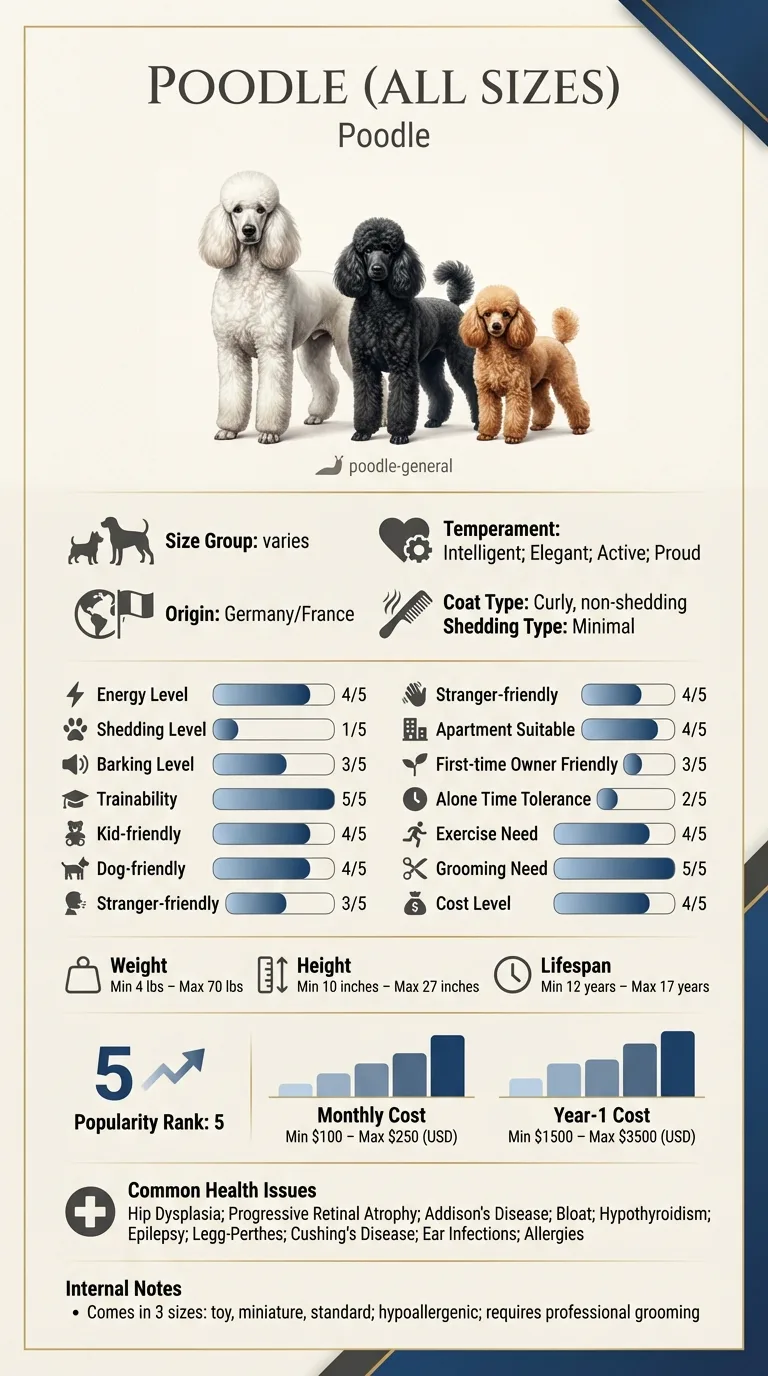
Understanding Poodle (All Sizes) Immune-Mediated Thyroiditis - When It Is an Emergency

Maggie's Journey with Her Poodle's Health

Maggie, a busy nurse in Denver, noticed her Poodle was lethargic and losing weight. After a vet visit, they confirmed immune-mediated thyroiditis. Maggie felt overwhelmed but decided to follow a strict medication schedule, adjusted her dog’s diet, and monitored her energy levels closely. After six months of dedication, Maggie saw a huge improvement. Her Poodle regained her playful spirit and even her coat looked healthier.

Key takeaway: With patience and a solid treatment plan, you can significantly improve your Poodle's health and quality of life.

Frequently asked questions

Why does my Poodle (All Sizes) have immune-mediated thyroiditis?

Poodle (All Sizes) can develop immune-mediated thyroiditis due to genetic predisposition or environmental factors. This autoimmune disease occurs when the body's immune system mistakenly attacks the thyroid gland, leading to hormonal imbalances. Regular vet check-ups can help catch this issue early. This answer relates to Poodle (All Sizes) immune-mediated thyroiditis.

How can I help my Poodle (All Sizes) with immune-mediated thyroiditis?

Managing immune-mediated thyroiditis involves a combination of medication and regular vet visits. Your vet may prescribe hormone replacement therapy to stabilize thyroid levels. A balanced diet and maintaining a healthy weight are also crucial for your dog's overall wellbeing.

What are the symptoms of immune-mediated thyroiditis in Poodles?

Common symptoms include weight gain, lethargy, and changes in coat quality such as excessive shedding or dull fur. Other signs may include skin infections or behavioral changes. If you notice any of these symptoms, consult your vet promptly for evaluation.

Can immune-mediated thyroiditis be prevented in Poodles?

While you can't prevent immune-mediated thyroiditis entirely, you can minimize risks by ensuring your Poodle is healthy and up to date on vaccinations. A proper diet and avoiding exposure to toxins can also help support their immune system. Regular health screenings are essential for early detection.

What is the treatment cost for immune-mediated thyroiditis in Poodles?

The treatment cost for immune-mediated thyroiditis in Poodles can vary widely, typically ranging from $100 to $250 per month. This includes medication, routine vet visits, and any necessary blood tests. It's important to budget for ongoing care to keep your Poodle healthy.

How does immune-mediated thyroiditis affect my Poodle's life expectancy?

With proper treatment, Poodles with immune-mediated thyroiditis can lead a normal, healthy life. Regular monitoring and adherence to medication can help manage the condition effectively. Always follow your vet's advice to ensure your Poodle's longevity.

What are the early signs of immune-mediated thyroiditis in Poodles?

Early signs of immune-mediated thyroiditis in Poodles can include weight gain, lethargy, and changes in coat quality. You might also notice increased sensitivity to cold due to decreased metabolic rate. If you observe these symptoms, it’s essential to consult your vet for proper evaluation.

Can immune-mediated thyroiditis develop in older Poodles?

Yes, immune-mediated thyroiditis can develop in older Poodles, though it may also appear in younger dogs. As they age, their immune systems change, which can increase the risk of autoimmune diseases. Regular vet check-ups are crucial for older Poodles to monitor for any health issues.

Is there a specific diet for Poodles with immune-mediated thyroiditis?

While there's no universal diet specifically for Poodles with immune-mediated thyroiditis, a balanced diet rich in nutrients is essential. Some owners find that foods high in omega-3 fatty acids can help support overall health. Always consult your vet before making dietary changes.

How can I manage my Poodle's immune-mediated thyroiditis at home?

Managing your Poodle's immune-mediated thyroiditis at home includes following your vet's treatment plan, which may involve medication. Regular monitoring of their weight and energy levels is also important. Providing a calm environment and maintaining a consistent routine can help reduce stress for your dog.

Why does my Poodle (All Sizes) have immune-mediated thyroiditis?

The exact cause of immune-mediated thyroiditis in Poodles is not fully understood but may involve genetic predisposition and environmental factors. This autoimmune condition occurs when the immune system mistakenly attacks the thyroid gland. If you’re concerned about this issue, please consult your vet for a thorough evaluation.

Quick answers

View more answers
Health

What are quick tips for managing Poodle (All Sizes) immune-mediated thyroiditis?

Regular vet check-ups and proper medication are essential for managing immune-mediated thyroiditis. Maintain a balanced diet and monitor your dog’s weight closely.

Living

How can I recognize symptoms of immune-mediated thyroiditis?

Look for signs such as lethargy, weight gain, and skin problems. If you notice these symptoms, consult your vet as soon as possible.

Health

Is immune-mediated thyroiditis treatable in Poodles?

Yes, it is treatable with hormone replacement therapy and regular vet visits. Early detection is key to successful management.

Related DogBreedCompass guides

Related guides