Behavior
What are quick tips for managing Poodle (All Sizes) brachycephalic airway syndrome (boas)?
Keep your Poodle cool, avoid strenuous exercise in heat, and monitor their breathing closely.

Quick answer
What are quick tips for managing Poodle (All Sizes) brachycephalic airway syndrome (boas)?
Keep your Poodle cool, avoid strenuous exercise in heat, and monitor their breathing closely.
Brachycephalic airway syndrome (BOAS) can affect Poodles of all sizes, leading to breathing difficulties. (Poodle (All Sizes) brachycephalic airway syndrome (boas))
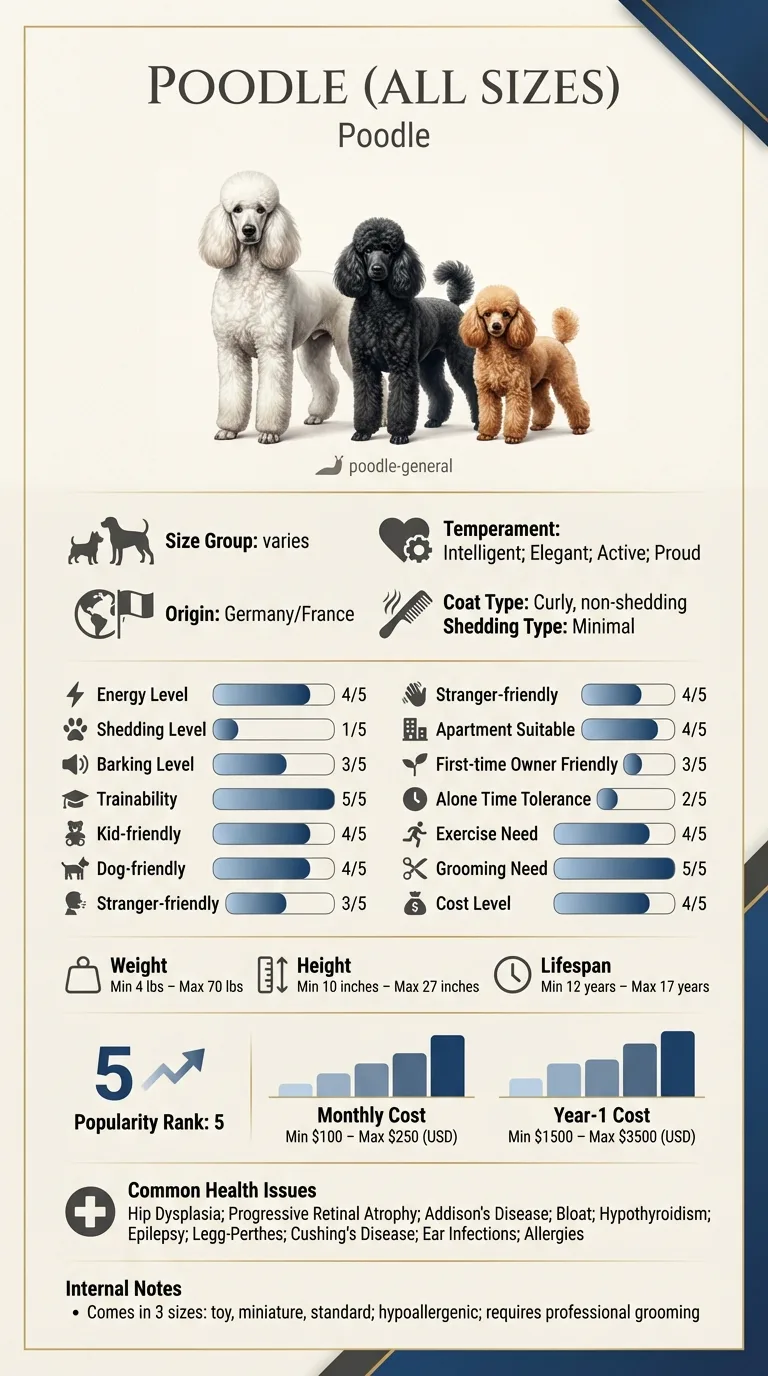
Poodle owners, especially first-time dog parents or those living in warmer climates, often face challenges with BOAS. Managing this syndrome requires awareness and proactive care to ensure a happy, healthy life for your dog.
This guide is not medical advice. If your dog shows pain, sudden behavior change, or worsening symptoms, consult a licensed veterinarian.
Some links may be affiliate links. We may earn a commission at no extra cost to you. We only suggest products we believe are helpful for dog owners.
We research and check what we publish, but we do not warrant that any figure, date, price, or statement is accurate, complete, or current, and we accept no liability for any loss, cost, injury, or other harm arising from the use of this site. Use it as one reference among several. You remain responsible for your own decisions and for your dog's care - confirm anything that matters with a licensed veterinarian or another qualified professional before you act on it. Full disclaimer.
Check this first
Brachycephalic Airway Syndrome (BOAS) can be serious, especially for Poodles (All Sizes). It's crucial to know when to act quickly. If your Poodle shows any of the following red flag signs, call your vet immediately: severe difficulty breathing, blue-tinged gums, or excessive panting that doesn’t improve with rest. These symptoms indicate that your dog may be in distress and needs urgent care.
In less severe cases, monitor your Poodle closely. Signs like occasional snorting, mild wheezing, or short bursts of heavy breathing can typically be managed at home. Create a calm environment and avoid heat to prevent worsening symptoms. If these issues persist or worsen, schedule a vet appointment. Keeping a watchful eye on your dog's behavior is essential.
Always have a plan in place. If your Poodle is experiencing moderate symptoms, try to limit strenuous activities and keep them cool. However, you should be prepared to seek professional help if their condition does not improve. Understanding these differences can help you respond correctly and ensure your Poodle stays safe and healthy.
If any of these apply, call your vet or an emergency clinic now. The rest of this page is for the cases that are not an emergency.
Brachycephalic airway syndrome (BOAS) is a common issue in Poodles of all sizes. This condition leads to breathing difficulties, particularly in hot weather or during physical exertion. Symptoms can include noisy breathing, excessive panting, and even fainting spells during activities.
While BOAS can affect any Poodle, it's particularly prevalent in the smaller toy and miniature varieties. Many Poodle owners report observing symptoms at some point, making it an important health consideration for this breed.
Poodles, regardless of size, can be prone to brachycephalic airway syndrome (BOAS) due to their facial structure. Their elongated soft palates and narrowed nostrils can obstruct airflow, making breathing difficult. This is more common in breeds with shorter muzzles, but Poodles can still experience these issues.
Environmental factors can contribute to BOAS in Poodles. For example, hot weather can exacerbate breathing problems, especially during exercise. Additionally, obesity can increase airway resistance, making it harder for your Poodle to breathe.
Consult your vet if your Poodle has frequent breathing difficulties, especially during normal activities. Your vet can assess the severity of BOAS and suggest treatment options, which may include surgery in severe cases.
Avoiding common mistakes can significantly help manage your Poodle's brachycephalic airway syndrome (BOAS). Here are some behaviors to steer clear of:
Start here: Poodle (All Sizes) Genetic Disorders: What to Screen For
See all Poodle General health problems, which breeds are prone to brachycephalic airway syndrome boas, or the full Poodle General breed guide for temperament, exercise needs and ownership costs.
You can expect to see improvements in your Poodle's breathing within a few weeks of starting a care and management plan. However, for significant changes, it may take a few months of consistent practice and monitoring.
Success means your Poodle can breathe more easily during regular activities, enjoys walks without excessive panting, and shows less anxiety around hot weather.
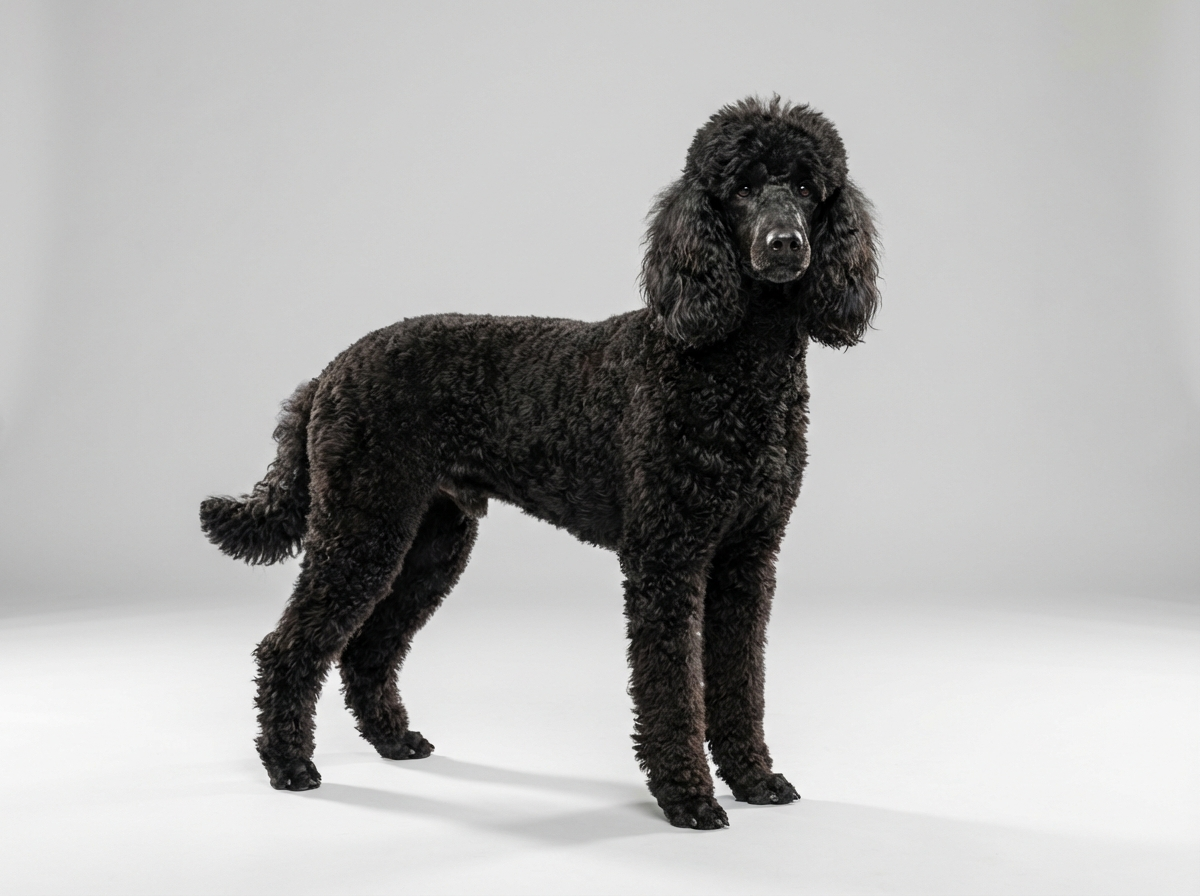
When Sarah adopted Bella, a 3-year-old Standard Poodle, she quickly noticed Bella struggled during walks, especially on warm days. After consulting her vet, Sarah learned Bella had Brachycephalic Airway Syndrome (BOAS). Determined to help her furry friend, Sarah implemented a tailored training plan that included short, frequent walks and techniques to keep Bella cool. After a few months of consistent practice, Bella was able to enjoy longer walks and playtime without excessive panting, and her overall anxiety decreased significantly.
Key takeaway: With patience and proper management, you can help your Poodle with BOAS lead a comfortable and active life.
Brachycephalic airway syndrome (BOAS) in Poodles (All Sizes) is caused by their flat faces and short snouts. This anatomical structure can lead to breathing difficulties, especially in hot weather or during exercise. It's important to monitor your Poodle's breathing and consult a vet if you notice any issues. This answer relates to Poodle (All Sizes) brachycephalic airway syndrome (boas).
To help your Poodle with brachycephalic airway syndrome (boas), avoid strenuous exercise in hot weather. Keep your dog cool and provide regular breaks during physical activities. You may also consider discussing surgical options with your vet if the condition is severe.
Signs of BOAS include noisy breathing, excessive panting, and difficulty breathing during exercise. You might also notice that your Poodle tires more easily or has trouble sleeping comfortably. If you observe these symptoms, consult your veterinarian for advice.
Yes, brachycephalic airway syndrome (boas) is often hereditary. Breeding practices that favor flat faces can contribute to the prevalence of this condition. Responsible breeding can help reduce the incidence of BOAS in future generations.
If your Poodle shows signs of overheating, such as excessive panting or lethargy, move them to a cool area immediately. Offer water and use a fan or cool cloths to help lower their body temperature. If symptoms persist, contact your veterinarian.
Training can help improve your Poodle's overall behavior and response to stress, but it won't directly address the physical issues caused by BOAS. Focus on gentle training methods that avoid overexertion and help your Poodle stay calm.
Yes, brachycephalic airway syndrome can worsen with age due to changes in the airway and overall health. Regular check-ups with your vet can help monitor your Poodle’s condition and manage symptoms effectively.
Surgery may be recommended for Poodles with severe brachycephalic airway syndrome. Your vet can assess your dog's situation and advise you on the best course of action based on their specific needs.
To help your Poodle manage brachycephalic airway syndrome, keep them cool, avoid strenuous exercise in hot weather, and maintain a healthy weight. Providing a calm environment can also reduce stress and improve their breathing.
If your Poodle experiences persistent coughing, wheezing, or shows signs of distress while breathing, you should see a vet immediately. Quick action can prevent serious complications related to brachycephalic airway syndrome.
Keep your Poodle cool, avoid strenuous exercise in heat, and monitor their breathing closely.
Look for signs like excessive panting, drooling, or lethargy, and act quickly to cool them down.
Use positive reinforcement methods that don't require intense physical activity and prioritize your dog's comfort.
A one-page prep sheet for this condition: the signs, the questions to ask, what to get priced. Unlocks here.
You get: Vet visit prep sheet
No spam. One-click unsubscribe. See our privacy policy.
Preview page 1 before you decide.